Matox News

Truth Over Trends, always!

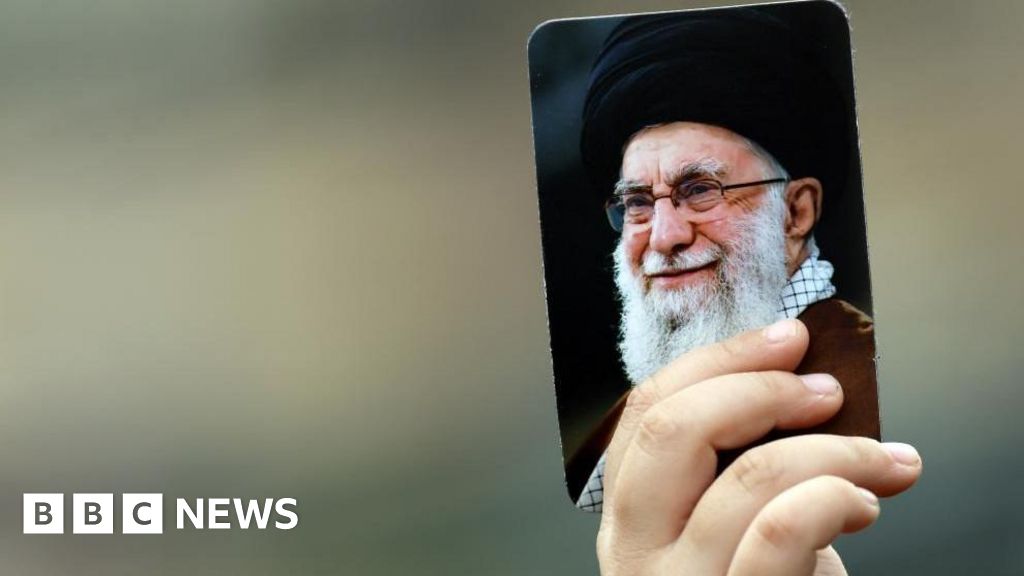
Iran's regime remains standing—stay tuned to see if it can hold firm in the coming days.
Iran’s regime remains standing—stay tuned to see if it can hold firm in the coming days.

In a time of escalating tension*, Iran finds its leadership deeply engulfed in a crisis of both confidence and security. As US and Israeli strikes persist in targeting strategic sites across Iran, the country’s political and military elites grapple with mounting pressure to maintain stability amidst an uncertain international landscape. This unfolding scenario underscores the profound geopolitical impact of external intervention and the delicate dance of diplomacy in a region fraught with historical grievances and current conflicts.

For years, Iran has been at the center of global strategic calculations, often viewed through the lens of its contentious nuclear program and regional influence. The recent surge in military actions, however, marks a turning point that could redefine regional power dynamics. Analysts from the International Crisis Group and seasoned historians recognize that Iran’s leadership faces a critical juncture, where the decisions made today will ripple through decades to come. These strikes aim to hinder Iran’s nuclear ambitions but also risk provoking a broader conflict, with the potential to destabilize the Middle East further and challenge international norms.

The crisis extends beyond tangible military targets, touching the very fabric of Iran’s societal foundations. Iranian officials are under enormous strain as they seek to project an image of resilience and control, even as internal dissent simmers beneath the surface. Leadership in Iran is acutely aware that their response could either bolster national unity or deepen divisions, all while navigating a complex web of international alliances and enmities. The ongoing strikes serve as a stark reminder of how external actors can influence internal politics, with consequences that resonate across borders and generations.

  • US and Israel assert that their actions aim to prevent Iran from acquiring nuclear weapons, maintaining that such measures are necessary for regional security;
  • Iran claims that these strikes are acts of aggression that violate sovereignty and threaten regional stability;
  • International organizations, including the United Nations, have called for de-escalation, but their influence remains limited amidst escalating tensions;
  • Historic developments, as noted by analysts, suggest that these military actions could accelerate Iran’s pursuit of strategic autonomy, potentially spawning new alliances or rivalries.

As this saga continues to unfold, the geopolitical landscape remains precariously balanced on the edge of a precipice. The decisions made by Iran’s leadership in the coming days will not only shape their nation’s trajectory but also influence the broader quest for stability and influence in a tumultuous region. History’s pen remains poised, poised to record whether this moment sparks the dawn of renewed conflict or the cautious emergence of a fragile peace.

Billions spent, yet the Xbox mystery remains unsolved for most teens

Xbox’s Strategic Pivot: Innovation, Disruption, and Industry Implications

Over the past decade, Microsoft’s Xbox division has undergone a profound transformation, signaling not just a repositioning of a gaming brand but a potential disruption of the entire entertainment ecosystem. Under the leadership of Phil Spencer, who announced his departure last week after steering the platform since 2014, the company’s evolution underscores a deliberate shift toward integrating gaming into a broader digital experience. Spencer’s tenure, marked by the rise of Game Pass and cloud gaming, cemented Xbox’s role as a pioneer in game streaming and accessibility, potentially challenging traditional console-centric models.

What’s compelling about Microsoft’s approach is its aggressive move toward redefining the relevance of hardware. The classic Xbox as simply a powerful console has given way to a paradigm where the brand’s essence is inseparable from any device capable of playing Xbox games. The advertisement campaigns emphasizing “Xbox everywhere” exemplify this strategic disruption, positioning gaming as a ubiquitous, platform-agnostic experience. This aligns with fundamental industry shifts identified by analysts from Gartner and MIT: the rise of cloud-native gaming solutions that threaten not only hardware sales but also traditional content and distribution models. By extending the Xbox ecosystem beyond dedicated consoles, Microsoft is attempting to dominate a new, disrupted market landscape where device independence becomes the norm.

Moreover, the company’s recent acquisitions — notably Activision and Bethesda — demonstrate a clear intent to control exclusive content, even as strategic positioning shifts. While critics argue that Xbox has become a “state of mind,” this evolution introduces significant business implications. As Microsoft increasingly becomes a major publisher on PlayStation and other rival platforms, it challenges the traditional industry consensus that platform owners alone reap the benefits of exclusive titles. This disruptive strategy could pave the way for platform-agnostic monetization models, accelerating the democratization of high-quality gaming and further blurring industry boundaries.

However, these transformative efforts are not without risks. The new leadership under Asha Sharma faces the challenge of translating “the return of Xbox” into tangible market dominance. As former Xbox President Sarah Bond departs, questions remain about the clarity of Microsoft’s long-term vision and how it will compete with the rapidly evolving cloud-based gaming giants like NVIDIA and emergent players inspired by AI-driven innovation. Industry observers, including top-tier analysts from Gartner, warn that failure to capitalize on this disruption could result in Xbox’s marginalization in an increasingly digital-first world. Yet, the company’s commitment to innovation signals a desire to not merely adapt but to lead industry shifts—offering a compelling glimpse of a future where gaming is no longer confined to consoles but integrated into daily life through seamless, platform-independent experiences.

As the gaming industry stands on the cusp of this new era, the urgency for established players to innovate is more critical than ever. Microsoft’s strategic disruption of Xbox signifies a broader movement across tech industries—where legacy brands must either evolve rapidly or face obsolescence. With AI, cloud technology, and next-gen streaming at the forefront, market watchers must anticipate a fierce race for dominance in what could be the most revolutionary phase of digital entertainment yet—one driven by relentless innovation and an unstoppable desire to redefine the boundaries of how, where, and when we game.

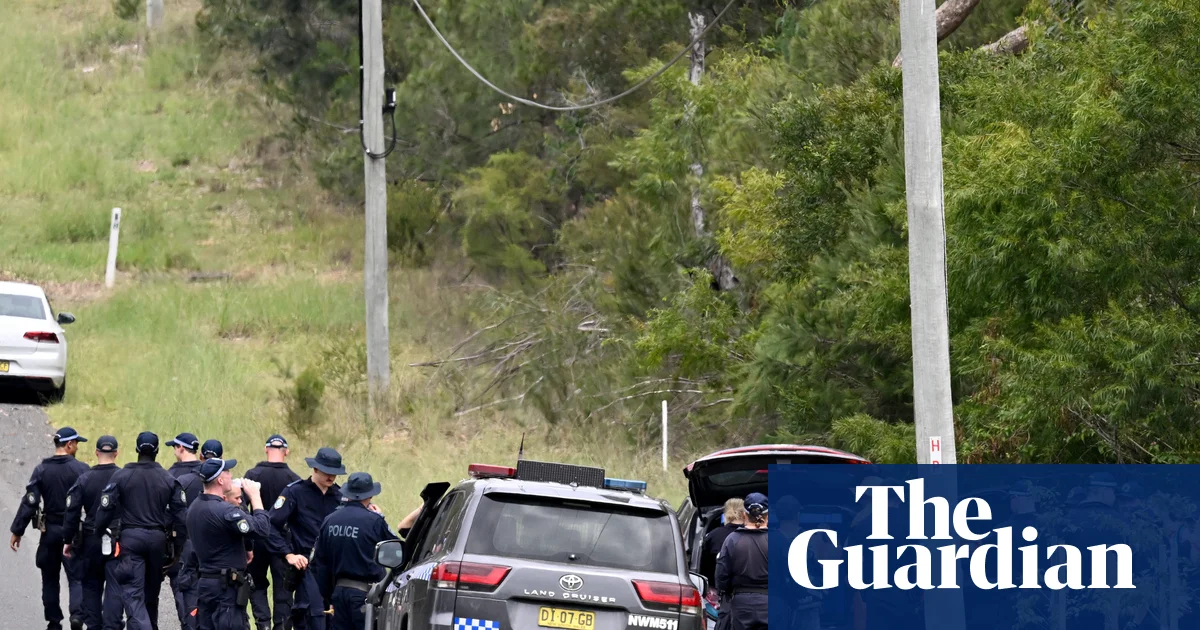
Human remains unearthed in hunt for kidnapped Sydney teen, police confirm

The recent developments in Australia have captured international attention, not just for the tragic human loss but for what it signifies amidst a landscape of geopolitical uncertainty. The case involves the shocking discovery of presumed human remains on the outskirts of Sydney, linked to the senseless kidnapping and probable homicide of an 85-year-old man, Chris Baghsarian. What initially appeared as a local criminal act has now morphed into a reflection of broader societal chaos, with security and law enforcement agencies across the globe watching closely.

This incident underscores the importance of strong national security policies in an era marked by unstable regional dynamics. The mistaken kidnapping, involving elements of organized crime connected to a Sydney crime family, raises questions about the fragility of law and order within developed nations. International analysts argue that localized acts of violence, if left unchecked, can serve as catalysts for broader social destabilization. The incident’s connection to a family linked to organized crime further highlights how societal fractures in even the most stable democracies can be exploited by criminal syndicates.

From a geopolitical perspective, this domestic turmoil occurs against a backdrop of shifting global alliances and regional tensions. The United States and China are engaged in a battle for influence, with regional stability in Asia-Pacific a key battleground. Such events in Australia could be exploited by adversaries seeking to undermine the perceived stability of allied nations. Experts warn that chaos within a vital ally like Australia might weaken its capacity to act as a counterbalance to China’s strategic ambitions in the Indo-Pacific, thereby affecting regional and global security.

Historic commentators and international watchdogs emphasize the importance of swift, decisive action to contain such threats, warning that domestic instability can serve as a pretext for foreign intervention or influence. The Global Crime and Security Forum recently issued a statement urging nations to bolster internal security frameworks, citing incidents like this as warning signs of potential vulnerabilities. As Sydney navigates through the fallout, the incident becomes a stark reminder that societal resilience hinges on the strength of institutions and a unified social fabric. The unfolding crisis in this island continent is a reflection of how interconnected our world truly is; a rupture in one society can ripple across borders, altering the course of history. As history continues to be written in these troubled times, the question remains: will nations rise to the challenge of defending not just their borders but the very social bonds that hold civilization together? Or will internal discord accelerate into a new chapter of international chaos, with all eyes turned toward Sydney’s darkening horizon?

Nazareth House Primary remains closed for a second day as society questions safety concerns

Societal Challenges in Education: A Reflection on Infrastructure and Community Welfare

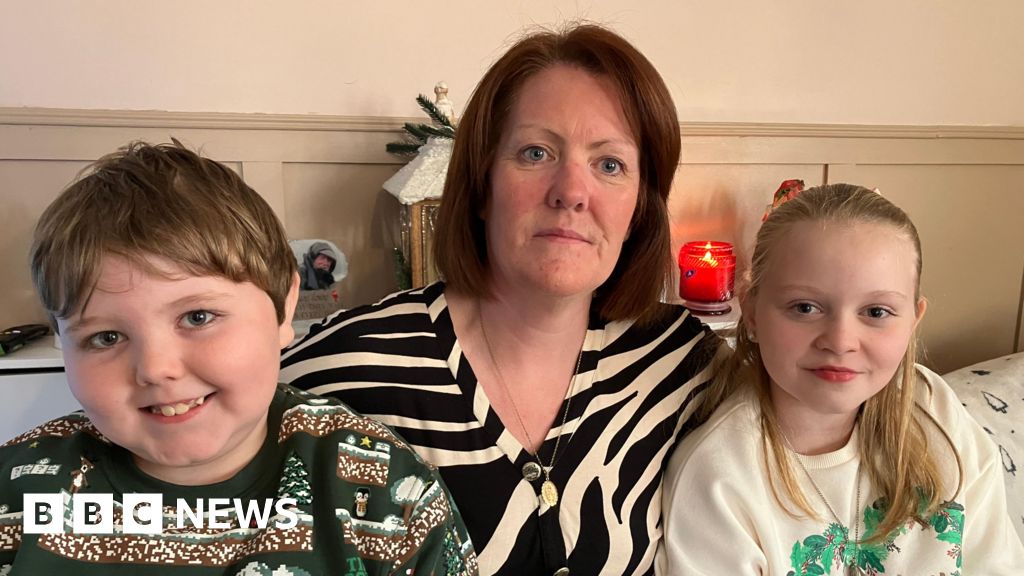
Across communities in Northern Ireland, a troubling pattern reveals itself — one that exposes deep-rooted issues in the way society invests in its future. At the heart of this crisis are schools like Nazareth House Primary School in Londonderry, which recently faced closure due to *safety concerns over its aging roof*. Such incidents serve as stark reminders that underfunding in school maintenance not only jeopardizes physical infrastructure but also profoundly affects families, children’s education, and local communities. As the school doors remained shut for over 200 pupils, including children with special educational needs, the ripple effects threaten to undermine the stability of entire neighborhoods.

  • Unsafe buildings hinder access to education for vulnerable students.
  • Delayed or deferred maintenance thanks to inadequate funding leads to structural degradation.

These issues challenge the very foundation of societal equity and expose the moral failure of political institutions to prioritize future generations.

Adding to this troubling picture, long-standing concerns over school structures have persisted for decades. Principal Róisín Blackery of Nazareth House school revealed that the building—originally constructed in 1902—has been subject to repeated warnings concerning its safety, with requests for a new roof languishing in bureaucratic limbo since 2017. Her account underscores a broader government failure; calls for investment in essential infrastructure have been systematically overlooked.

  • More than 20 years of raised concerns have gone unaddressed.
  • Repeated underfunding compels schools to operate in dangerously compromised environments.

According to Bishop Donal McKeown, head of the Council for Catholic Maintained Schools, the sector suffers from *”huge under-funding of statutory services”* which leaves school buildings vulnerable to disrepair. His pointed critique emphasizes that, if our children are to succeed, their educational environment must be safe, stable, and conducive to learning.

The consequences extend beyond physical safety, influencing the social fabric of communities. When schools are forced to shut suddenly—sometimes without adequate notice—families and children face emotional strain. In interviews, students like 7-year-old Daniel express feelings of *sadness and anxiety*—missing friends and routines critical to their development. His mother laments, *”we have such a solid community base, but without immediate action, that strength begins to fracture.”* Pupil Gail, a girl preparing for transfer tests, worries about her academic progress and her social ties, illustrating how even demographic changes such as *an aging school infrastructure* have a tangible human impact.

  • Disruption to routine can impair children’s mental health and academic motivation.
  • Parents grapple with uncertainty and fear of ongoing instability.

Such disruptions threaten to widen societal divides, particularly as government agencies acknowledge their inability to cope with the scale of the problem due to budget constraints.

Adding to the crisis, the Education Authority admits to a *”deeply concerning”* backlog of maintenance issues across the region, a situation exacerbated by *severe funding shortages*. The result—schools can only prioritize emergency repairs, with most infrastructure decay left unaddressed. This cycle of neglect threatens the long-term integrity of educational environments and further diminishes societal trust in public institutions. Meanwhile, figures like Sinn Féin MLA Pádraig Delargy advocate for urgent, practical solutions that keep communities united during this testing period. He urges the Department of Education and the Authority to recognize that *”if we don’t deal with our children now,”* the societal costs will only escalate.

  • Increased funding is crucial to restore and maintain vital infrastructure.
  • Policy reform must prioritize education’s physical and social needs.

Ultimately, this crisis underscores a moral imperative: society must reevaluate how it invests in its youngest citizens, recognizing that their well-being reflects the moral fabric of the nation itself.

As society stands at this crossroads, the path forward remains uncertain but not hopeless. The fate of schools like Nazareth House, the resilience of its students, and the strength of community bonds hinge upon collective action—political will supported by societal recognition of the importance of education. This ongoing struggle reminds us that a society’s true strength lies in how it nurtures its young and repairs its foundations. In this moment of challenge, the hope persists that, through renewed commitment and responsible stewardship, the next chapter can be written—one where every child has a safe place to learn, and every community’s future is secured. Society’s resilience will ultimately be measured by its response—its capacity to transform crises into catalysts for enduring renewal.

Israel gets Gaza body after Netanyahu vows to bring home 2014 soldier’s remains

The recent developments in the ongoing Israel-Gaza conflict mark a critical juncture in international geopolitics, with profound implications for regional stability and global diplomacy. On Sunday, Israel announced the return of the body of Hadar Goldin, a soldier killed during the 2014 conflict, whose remains had been in custody in Gaza since his death. Prime Minister Benjamin Netanyahu confirmed that Israel expected to receive the remains of a soldier whose body was held by Hamas, signaling a tentative but significant step in the fragile ceasefire negotiations. This gesture is seen, by analysts and international observers alike, as a move that could potentially pave the way for further de-escalation, though lasting peace remains elusive amidst the ongoing violence.

Historically, Hamas’s armed wing has used the retrieval of bodies and hostages as leverage in negotiations, and this latest handover is being closely scrutinized as a turning point. The return of 20 living hostages and 24 deceased, including Lt Goldin, under the first phase of a ceasefire deal, represents a moment of rare diplomatic progress amid the chaos that has engulfed the region for decades. Nevertheless, confidence remains fragile—Goldin’s family and broader Israeli society continue to grapple with the emotional toll, while officials vow to recover all remaining bodies and release more captives. Netanyahu reiterated his resolve: “We have returned 250 so far. We will bring them all back,” underscoring both the national commitment and the complexity of future negotiations.

The geopolitical impact of this development transcends borders. The conflict, which erupted anew on October 7, when Hamas-led militants launched a brutal attack killing over 1,200 people in Israel, has led to an escalation of military operations in Gaza. Since then, the Israeli military has reported that at least 241 individuals have been killed, including civilians, amidst a campaign that has resulted in devastating destruction across Gaza. According to figures from Hamas-controlled health authorities, the death toll since the outbreak of hostilities exceeds 69,000. These numbers, contested by various international bodies, speak to the catastrophic human toll stemming from the ongoing conflict. United Nations officials and international analysts warn that the conflict’s expansion risks destabilizing the entire Middle East, igniting sectarian tensions, and threatening global energy markets.

In this volatile climate, the actions and decisions of global institutions and key nations will determine whether the region can transition from war to peace, or spiral further into chaos. The compromise of releasing hostages and bodies demonstrates a rare diplomatic triumph, yet it must be contextualized within the broader scope of regional hostility. Historians and foreign policy experts warn that unresolved underlying grievances— territorial disputes, political fractures, and ideological divisions— continue to underpin the violence. The recent exchange signifies that, despite setbacks and entrenched animosities, the path toward diplomacy remains a critical, if fragile, corridor. As Russia, Iran, and the United States stand watching, each move in this unfolding drama will ripple across continents. Their decisions—whether to escalate or seek peaceful resolution—will echo through generations. For now, the fragile ceasefire offers a brief reprieve, a moment of clarity amid chaos, but the unresolved wounds of history carry the weight of an uncertain future, leaving the world on the edge of a precipice, watching as the chapters of this ongoing story are written in blood and hope alike.

Egypt and Red Cross step up efforts to recover hostages’ remains in Gaza

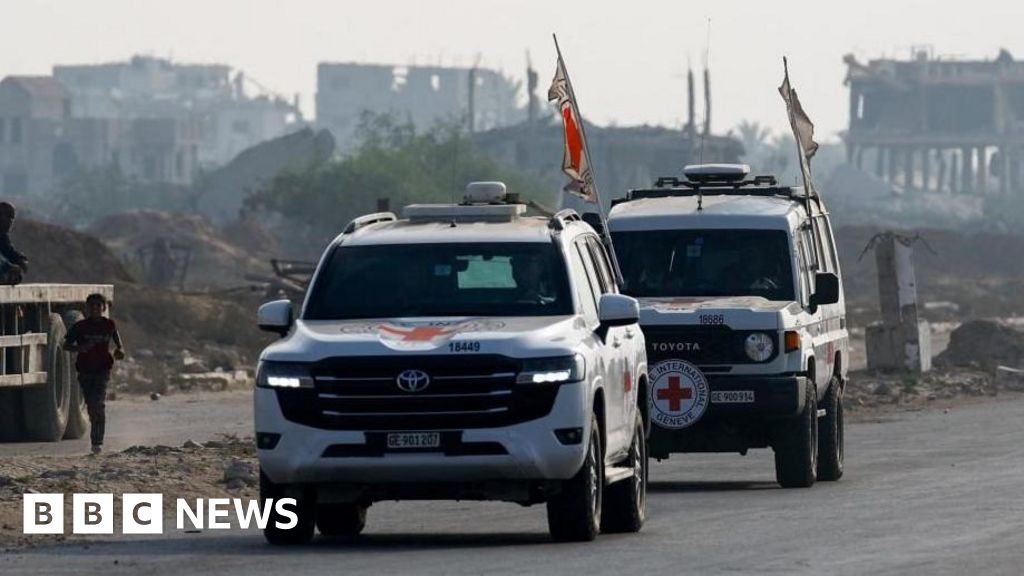
In the ongoing saga of Gaza, geopolitical tensions have reached a critical point, with international players now deeply involved in a complex chess game of power, morality, and security. The recent development sees Egyptian teams and the International Committee of the Red Cross (ICRC) granted access to search for deceased hostages, a move that has significant how decisions affect nations and societies. This access comes after more than two years of devastating Israeli military operations and intense efforts to recover bodies buried beneath rubble, a grim reminder of the human toll inflicted in the name of security and sovereignty.

Under the recent US-brokered ceasefire agreement, Hamas has transferred 15 out of 28 deceased Israeli hostages, a first phase considered vital to restoring some semblance of humanity amid chaos. Yet, the situation remains fragile and politically charged, with tensions simmering over the retrieval of bodies and the question of justice for families on both sides. Warnings from global leaders like former President Donald Trump have signaled potential military escalation; he has warned Hamas that failure to return bodies quickly could provoke swift and decisive international action. Meanwhile, Israeli Prime Minister Benjamin Netanyahu asserts that Israel will control who enters Gaza, especially regarding a proposed international force aimed at securing the ceasefire. The Israeli government, in conjunction with the US, has revealed that Turkey has been vetoed from participating, underscoring the delicate balance of power and trust in diplomatic negotiations.

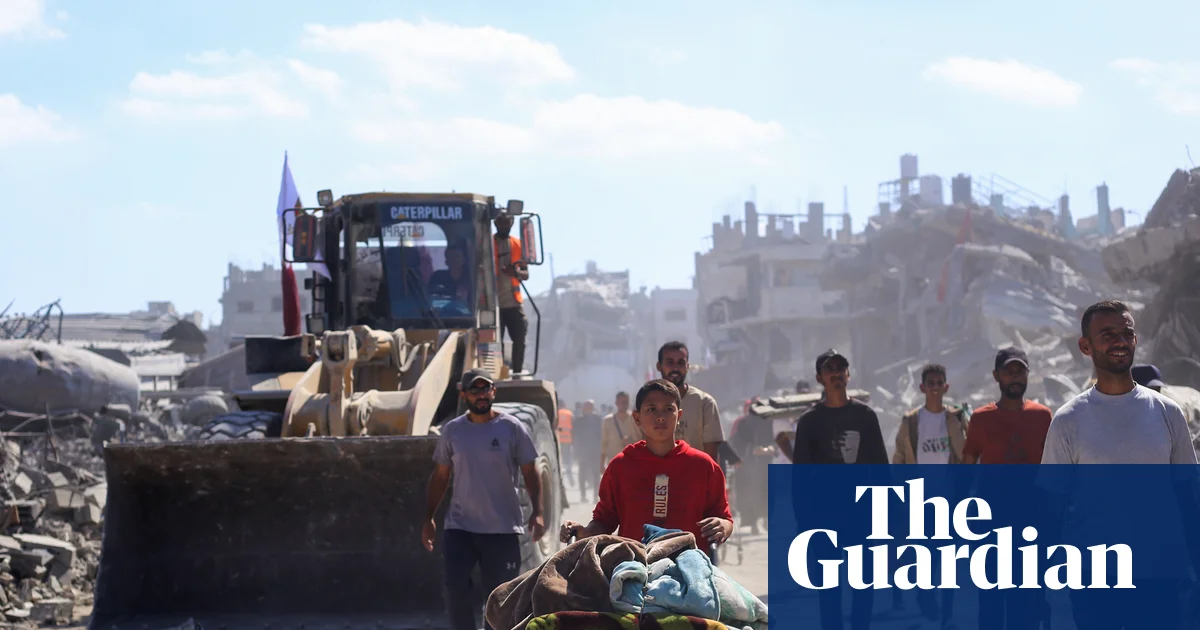
Analysts suggest any international intervention in Gaza is a double-edged sword; while it might help stabilize the region, it could also ignite further resistance and deepen divisions. Historians warn that the bottom line remains— until the root causes, including extremism and territorial disputes, are addressed, these cycles of violence will persist. With Gaza’s territory reduced to rubble—estimated by the UN to be up to 84%—the challenge of both rebuilding and reconciliation looms large. The renewed focus on the return of bodies, some of which Hamas claims are buried under bombed-out buildings, symbolizes the larger fight for dignity and truth in a land scarred by years of conflict and international neglect.

The unfolding events mark a grim chapter, yet history has demonstrated that the decisions made today in Gaza’s conflict could ripple for generations. As international organizations, leaders, and everyday citizens watch, the weight of history presses down with an undeniable significance: what happens in Gaza will determine the future of regional stability, the course of international diplomacy, and the very moral fabric of justice and security in the 21st century. Will diplomacy prevail over chaos? Or will the cycle of violence continue, forever echoing the unfulfilled promises of peace in a land torn by history? The answer remains uncertain, but the pages of history are being written in the blood and hope of those caught in the crossfire.

Authorities end search for Australian outback boy—hope remains alive

In a case that has captivated Australia and captured international attention, the mysterious disappearance of four-year-old Gus Lamont in the barren, rugged outback region underscores not only the human tragedy but also the profound implications of nationwide search and rescue operations. The local authorities, led by Commissioner Grant Stevens, have mobilized one of the largest land and air searches in South Australian history, yet almost three weeks on, the boy’s whereabouts remain unknown — exemplifying how disaster management becomes a test of state capacity, societal resilience, and technological resources.

  • The search has spanned roughly 470 square kilometers, an area twice the size of Edinburgh, with authorities deploying over 80 personnel from the Australian Defence Force.
  • Despite extensive efforts, no signs of Gus have emerged, prompting authorities to shift from active search to a “recovery operation”.
  • Social media has been flooded with misinformation, including AI-generated images, highlighting the challenges of managing public perception during crises, which authorities ask citizens to counteract by sourcing credible information.

This tragic case not only demonstrates the fragile nature of human life in remote territories but also exposes the vulnerabilities of state response to unpredictable scenarios. International analysts and emergency experts warn that the rugged terrain, unpredictable weather, and the delicate age of the missing child—described as shy and adventurous—have made the rescue efforts exceptionally difficult. Such circumstances amplify the challenges faced by local law enforcement and civilian volunteers, raising real questions about how nations build resilient systems for person-centered emergencies.

From a geopolitical perspective, this incident offers a stark reminder of how vulnerable communities in remote regions are to crises and the importance of international development in strengthening local emergency services. As Australian authorities try to balance their limited resources against the vast terrain, this case echoes broader debates on state capacity and societal cohesion. Historically, scholars such as Dr. Helen Clark have emphasized how effective public response systems often depend on a nation’s technological infrastructure, political will, and community engagement. The failure to find Gus in the current timeframe raises questions about the preparedness and resilience of isolated communities, especially in nations reliant on vast territories with sparse populations.

Furthermore, the incident has ignited global conversations about social media’s double-edged sword: while it accelerates awareness and mobilizes grassroots assistance, it also fosters misinformation and panic. The spread of fake images and speculative narratives can hinder official investigations, complicating trust in institutions and raising moral questions about privacy and dignity during crises. International organizations, including the United Nations, have long warned that mishandling information can hamper rescue efforts, emphasizing the need for responsible journalism and civic communication.

As the search continues amid warnings of shifting weather conditions and inaccessible terrain, the international community is watching with bated breath. The story of Gus Lamont encapsulates a universal truth: amid the chaos of nature and human vulnerabilities, nations stand at a crossroads—where decisions made in moments of crisis can either reinforce resilience or reveal profound systemic weaknesses. This tragic disappearance will undoubtedly be etched into the annals of history, a grim testament to the fragile boundary between safety and the unknown. As the world bears witness to the ongoing search, one can only ponder—how much longer can we ignore the lessons that such incidents impose upon our collective consciousness? We are left not with answers, but with the haunting echo that history’s most profound stories are often written in silence, waiting for the day when the truth finally surfaces.

Israel and Hamas Clash Over Hostage Remains as Tensions Escalate in Gaza

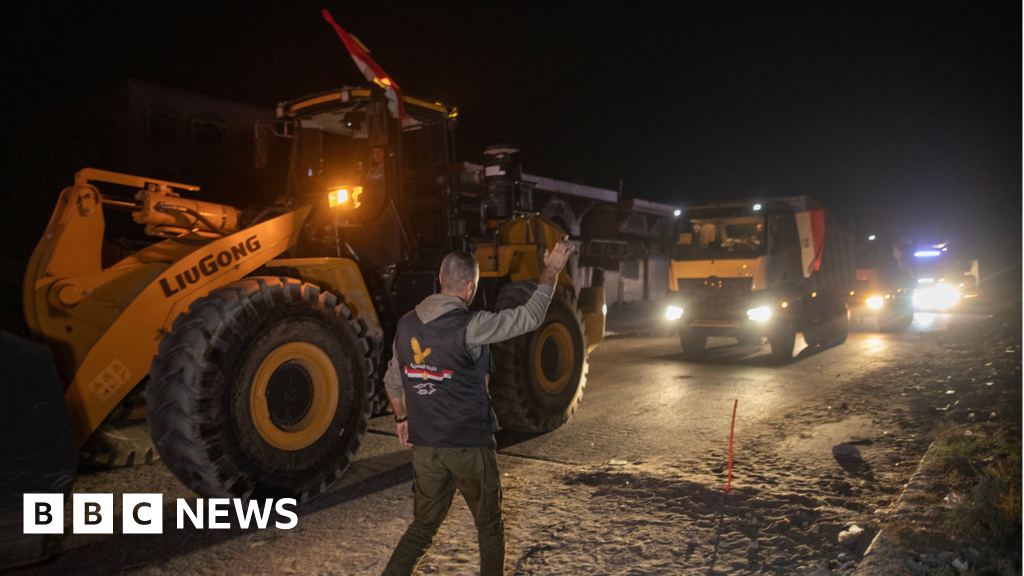
In the ongoing tumult of Israel and Hamas, recent events highlight the fragile veneer of hope amid a deepening humanitarian crisis in Gaza. Despite the recent ceasefire agreement, which promised a surge of crucial aid and the return of hostages, the reality remains far complex and dangerous. The ceasefire deal signed last week initially raised hopes for a shift in the two-year conflict, yet most restrictions on aid deliveries and movements have persisted. The delay in opening vital access points, notably the Rafah crossing controlled by Egypt, underscores the geopolitical tensions and hesitancies that continue to inhibit the flow of food, fuel, and medical supplies—an urgent need acknowledged by international health organizations such as the WHO.

The international community, including the United Nations and prominent analysts like those from Harvard and the Council on Foreign Relations, emphasize the dire consequences of these delays. Aid agencies warn that the lack of medical supplies and fuel is pushing Gaza toward a catastrophic collapse of its healthcare system. With only a fraction of hospitals operating amid outbreaks of infectious diseases, the death toll and human suffering threaten to escalate. Meanwhile, Israel remains locked in accusations, with Prime Minister Benjamin Netanyahu vowing to retrieve the remains of all hostages and asserting that “the fight is not over yet”. His rhetoric signals a determined stance, reinforced by military statements that portray their ongoing operations as necessary to ensure security against threats they deem existential.

Amidst this, the U.S. and regional mediators are caught in a balancing act. While attempts are made to sustain the ceasefire’s fragile hold, Hamas accuses Israel of violating the agreement through violent shootings and continued military operations. These repeated violations illustrate the unstable ceasefire environment, where both sides are reluctant to fully trust each other’s commitments, echoing warnings from historical analysts who suggest that territorial disputes and entrenched hostility make lasting peace elusive without profound geopolitical shifts. The return of prisoners and the recovery of bodies, often marked by signs of violence and torture, further complicate matters, fueling public anger and distrust on both sides. Such incidents, as detailed by Gaza doctors, serve as stark reminders of the brutal cycle of violence that persists beneath diplomatic negotiations.

If history is any guide, the current pause in the conflict is likely to be short-lived unless substantial international pressure and diplomatic breakthroughs occur. As regimes and their supporters watch from afar, the geopolitical impact extends beyond Gaza, affecting regional stability and global alliances. The challenge remains: how to forge an environment where aid can flow freely, hostages are returned safely, and long-term peace becomes a tangible goal rather than just an elusive hope. The weight of history presses down, as the world trembles on the brink of another chapter in this North African saga—a chapter that, whether it leads to peace or further chaos, will be written by the decisions yet to be made. As the dust settles, the eyes of history remain fixed on Gaza, waiting to see if this fragile ceasefire can hold or if the violence will erupt once again, perpetuating the cycle of suffering that has defined the Israeli-Palestinian conflict for decades.

Gaza Ceasefire Update: Trump Predicts Likely Hostage Release Monday; IDF Warns Gaza City Remains ‘Highly Dangerous’

International Spotlight on Gaza Ceasefire: A Tipping Point in Middle East Politics

The recent ceasefire agreement in Gaza, brokered amid intense negotiations involving regional mediators and highlighted by statements from leaders like Donald Trump and Benjamin Netanyahu, marks a critical juncture in the ongoing Middle East conflict. While the specifics of the deal remain cloaked in secrecy, the overarching narrative underscores a potential shift in regional diplomacy with global ripple effects. Such an achievement, claimed by Trump as his “biggest diplomatic accomplishment,” signals both a hope for peace and the profound challenges that lie ahead for world powers invested in stabilizing or controlling the volatile landscape.

The agreement’s foundation revolves around the *return of hostages* in exchange for a *limited Israeli military withdrawal* from Gaza. This early phase, hailed by Hamas and Israeli officials alike, hints at a fragile but meaningful step toward de-escalation. The involvement of mediators from Qatar, Egypt, and Turkey highlights a regional consensus aiming to temper violence, which has persisted for over two years, leaving tens of thousands dead and destabilizing much of the Middle East. Yet, significant questions remain: Will Hamas be disarmed? How will governance of Gaza evolve post-conflict? These are the *hard questions* that could determine whether the current moment leads to a lasting peace or another chapter of chaos.

Historically, peace efforts in this region have been cyclical, often collapsing amid disagreements over militant disarmament and territorial sovereignty. Analysts from international organizations like the United Nations warn that “the stakes have never been higher”, emphasizing the importance of full compliance with the ceasefire terms and the necessity of a political framework that respects the rights of both Israelis and Palestinians. The UN Secretary-General, António Guterres, has called for the *immediate, unimpeded entry of humanitarian aid* and a *credible political path toward a two-state solution*, underscoring that the world cannot afford to remain complacent. This moment presents a *historic opportunity*, but it is simultaneously a testing ground for international resolve amid the persistent specter of renewed violence.

The geopolitical impact extends beyond the borders of the Middle East, reaching the corridors of power worldwide. Leaders from the UK to Japan, recognizing the devastating human toll, have expressed hope and urged all parties to honor their commitments. Yet, the core issues — including Hamas’ future, Israeli security concerns, and Palestinian sovereignty — remain unresolved. Decisions made now will influence regional stability, global diplomatic relations, and spheres of influence for years to come. As history witnesses this unfolding chapter, the weight of responsibility presses heavily on the shoulders of those who hold the keys to peace, for in these momentous days, the very fabric of the Middle East’s future is being rewritten, with the world watching with bated breath — uncertain if this is merely a pause or the dawn of genuine peace.

Social Media Auto Publish Powered By : XYZScripts.com