Matox News

Truth Over Trends, always!

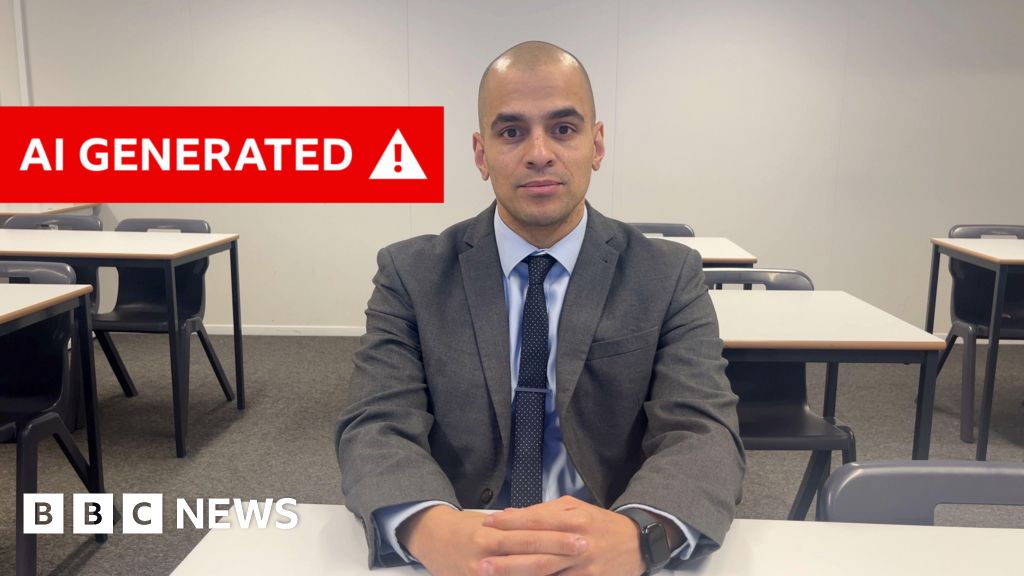
Are Remote Teachers and AI Deepfakes the Future to Fix Education Gaps?

In today’s evolving educational landscape, the integration of artificial intelligence (AI) and deepfake technology into classrooms has sparked both hope and controversy. Schools across the UK are experimenting with innovative methods such as deepfake teachers and remote educators, aiming to address longstanding challenges like teacher shortages and the need for personalized learning. The government’s narrative emphasizes that AI holds the **power to transform education**, promising to lighten teachers’ administrative burdens and tailor instruction to individual student needs. However, beneath this veneer of progress lies a tapestry of social tensions, especially for families and communities who are grappling with the moral and ethical implications of machines replacing human connections in education.

At the heart of the debate are questions about societal values and the human element of learning. Critics, like mathematics teacher Emily Cooke, argue that teaching is more than delivering knowledge; it’s about fostering meaningful relationships, trust, and emotional support. She voices concern over initiatives such as a virtual maths teacher based 300 miles away, emphasizing that *the essence of mentorship and human interaction* cannot simply be replicated through screens or AI avatars. This contention touches on broader social issues, where the erosion of community and personal bonds in educational settings threatens the social fabric that sustains families and local neighborhoods. Historians have long observed that education is as much about social cohesion as it is about knowledge transfer, and the perceived depersonalization of learning raises fears of societal fragmentation.

Meanwhile, agencies like Great Schools Trust are pushing AI experiments further, aiming to make virtual assessments, feedback, and translations more accessible, especially for multilingual communities. Shane Ierston, the CEO, touts AI as a potential “leveller” that offers “personalized tuition” for every child. Yet, as Nicola Burrows—a parent and former educator—acknowledges, *bringing parents into the conversation and ensuring safety* is crucial. Parental skepticism remains high, with only a small fraction of the public willing to endorse widespread AI use in classrooms, reflecting deep-seated fears about privacy, safety, and the commodification of childhood. Sociologists highlight that adopting such technologies often exacerbates existing social divides, where technology becomes a tool for the privileged, leaving behind those in marginalized communities.

Furthermore, the move towards remote and AI-centered education fuels protests among educators and unions. Teachers at The Valley Leadership Academy have gone on strike over the deployment of a remote teacher, citing concerns about the loss of personal connection and the decline in educational quality. Mrs Cooke criticizes the approach as a misguided attempt to address staffing shortages, warning that “if we do not challenge this trend, it will spread and erode the profession’s core values.” The National Education Union (NEU) and other bodies advocate for safeguarding the human elements of teaching, emphasizing that education is fundamentally a moral act, rooted in empathy, mentorship, and community engagement. As society navigates these technological upheavals, the question remains: can society preserve the human spirit while embracing innovation? Or are we on the verge of a future where our children are educated by digital doubles, disconnected from the human roots that form the backbone of tradition and social stability?

Get Ready: Kobo’s Remote Is Finally Here—Your Next Must-Have for That Seamless Reading Vibe

In an era where technology continually reshapes our lifestyles, the latest innovation from Kobo offers a glimpse into the future of digital reading. They’ve just launched the Kobo Remote, a Bluetooth-enabled device designed to work seamlessly with any Kobo e-reader. This accessory signifies more than just a new gadget; it underscores a turning point where interactivity and convenience in reading are moving into a new age.

Launched after a series of legal delays and anticipation, the Remote’s debut exemplifies how consumer electronics are evolving toward minimalism and enhanced user experience. Unlike Amazon’s Kindles, which currently lack native remote support, Kobo’s new offering embraces the rising trend of remote page turners—a phenomenon that has gained viral popularity on TikTok, especially among young readers who prize portability and effortless navigation. The remote’s ergonomic design ensures that long reading sessions remain comfortable, signaling a shift in behavior toward more accessible, extended engagement with digital content. As sociologists note, such innovations are not just about convenience—they are shaping our societal expectations of what reading and leisure mean in a fast-paced digital age.

The cultural impact of this new tech isn’t confined to convenience alone; it reflects a broader social movement towards personalized, tech-integrated lifestyles. Influencers in the tech and lifestyle sectors have lauded the Kobo Remote for its unobtrusive single-piece design, contrasting it sharply with existing multi-part remotes that clutter screens. Meanwhile, industry analysts highlight how this integration of remote control into e-readers may foreshadow a future where digital devices are no longer just tools but extensions of our personal spaces. The impact is evident: a generation increasingly accustomed to intuitive, seamless tech that elevates their daily routines without complicating them.

What makes this launch especially intriguing is its timing. With Black Friday and Cyber Monday deals in full swing, the Kobo Remote arrives as the perfect accessory to maximize the holiday shopping spree. For just $29.99, it complements the popular Kobo Libra Colour—a vibrant, color-rich e-reader now available at a discounted price—highlighting the strategic blend of functionality and marketability. This convergence begs a vital question: as technology continues to democratize access to personalized content, what will be the next frontier in making reading an even more integrated part of our social fabric?

Ultimately, Kobo’s latest move demonstrates that the future of digital reading might extend far beyond the device itself. It opens the door to broader reflections about how we are shaping our social identities through tech accessories and what this means for the next generation of consumers. As innovators blur the lines between utility and lifestyle, we are left pondering: will future tech innovations redefine not just how we read, but how we relate to information, community, and even ourselves?

Luxury Cruise Passengers Escape, But Suzanne Rees Was Left Behind and Died Alone on Remote Australian Island

Remoteness and Responsibility: Lessons from a Tragic Incident near Lizard Island

The recent tragedy involving Suzanne Rees, an 80-year-old tourist who died on Lizard Island, highlights significant concerns surrounding maritime safety and accountability in remote regions of the world, even as tourism industries expand across fragile ecological zones like the Great Barrier Reef. The incident, which unfolded after the cruise ship Coral Adventurer allegedly left without properly accounting for Rees, underscores the failure of basic safety protocols—a lapse that could have devastating geopolitical repercussions.

Historically, international maritime regulations and local safety standards aim to protect vulnerable travelers, especially in isolated environments where rescue operations are complex and costly. Yet, this event reveals how inertia and lapses in procedural accountability threaten not only individual lives but also the reputation of tourism operators and, ultimately, national tourism strategies. Analysts suggest that such failures are emblematic of broader systemic issues within maritime safety oversight, especially as more nations with burgeoning tourism sectors attempt to attract international visitors without sufficient infrastructure or regulatory enforcement.

International organizations like the International Maritime Organization (IMO) have long emphasized the importance of passenger accountability—something seemingly overlooked in this case. The incident’s fallout echoes incidents from the past, including the 1998 death of Tom and Eileen Lonergan on the Great Barrier Reef and the haunting accounts of rescue failures in shark-infested waters. Experts warn that such events threaten to undermine global confidence in maritime safety history, with consequences that ripple across diplomatic and economic spheres.

As investigations by Australian authorities unfold, the incident serves as a stark warning of the need for stringent safety protocols. The question of responsibility isn’t solely about individual lapses but about the distribution of accountability among cruise companies, local authorities, and international regulators. Such tragedies threaten to become emblematic of a fragile trust that, if broken, could have long-lasting implications not only for visiting nations but for societies that depend heavily on responsible tourism. The weight of history continues to press upon us: the unfolding narrative of this event will likely shape maritime safety legislation and accountability measures for generations to come, reminding us that in the pursuit of adventure and progress, human life remains the ultimate litmus test of our collective responsibility.

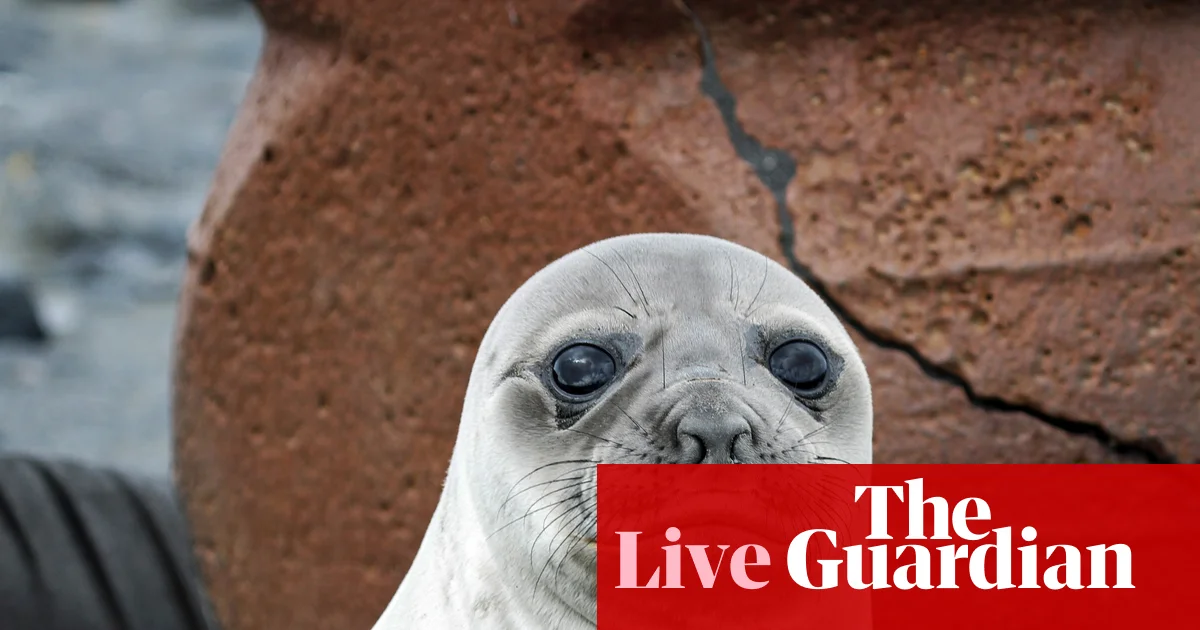
Breaking: Worry over H5 bird flu hitting elephant seals on remote Australian island

In a week marked by unprecedented scientific observations and intense geopolitical debates, the international community finds itself at a critical inflection point. Australian scientists have recently detected signs consistent with H5 avian influenza—commonly known as bird flu—in elephant seals on Heard Island, located more than 4,000 kilometers southwest of Perth. While officials from the Department of Agriculture, Fisheries and Forestry clarify that a definitive detection has yet to be confirmed, this finding underscores the persistent threat of zoonotic diseases crossing species and boundaries, especially in isolated regions. Of particular concern is the fact that Australia remains the only continent without the highly contagious H5 strain, a fact that both scientists and strategists highlight as a potential weakness in regional biosecurity.

Experts warn that such wildlife cases, while seemingly isolated, heighten the urgency for international cooperation in surveillance and preparedness. The detection on Heard Island, a sub-Antarctic enclave, signals that viruses may be quietly circulating in the most remote corners of the planet—yet the potential for spread to mainland populations still triggers alarm. The World Health Organization and regional bodies are closely monitoring developments, emphasizing that the potential spillover of H5 into human populations could alter the global landscape dramatically. Historian and analyst Dr. Samuel Rothenberg notes that “the interconnectedness of ecosystems and nations today amplifies the impact of such biological threats,” warning that in an age of rapid travel and climate change, what begins in isolated wildlife could soon become a global crisis.

Simultaneously, while health officials grapple with preventing a pandemic, political leaders face escalating challenges on the domestic front—particularly concerning law and order, where recent cases have shaken public confidence. In New South Wales, authorities are resuming their investigation into the decades-old cold case of Colleen Walker-Craig, a 16-year-old Indigenous girl last seen in 1990. The renewed effort to locate her remains, involving water searches along the Nambucca River, is emblematic of a broader societal struggle to address unresolved atrocities and ensure justice. As detectives reopen old wounds, the political implications resonate across the Pacific, fueling calls for reform and transparency. Analysts suggest that this is a testament not only to the persistence of local issues but also to the broader importance of justice in shaping national identity and sovereignty.

Adding to the complexity, the Australian government is considering large-scale reforms—lifting caps on major events at the historic Royal Randwick Racecourse and easing restrictions on concerts in Sydney—aimed at revitalizing the economy and boosting city vibrancy. However, critics from the opposition argue that such measures could be overshadowed by internal crises, including a surge of unfair dismissal claims that threaten to overwhelm the nation’s tribunal system. Opponents contend that these legal backlogs, which have increased by 27% over the past five years, symbolize deeper systemic issues—exposing an economy struggling under burdens of red tape and regulatory duplication. Opponent and Shadow Minister Andrew Bragg warns that these legislative changes, while well-intentioned, threaten to make it even more difficult for local businesses to thrive, thus impacting Australia’s geopolitical standing as a competitive hub in the Indo-Pacific region.

As the tide of crises and opportunities continue to unfold, from virus detection to justice and economic reform, history remains an unforgiving judge. The decisions taken in these critical moments will echo through generations, shaping the destiny of nations in an era defined by transnational challenges and resilience. The world watches with bated breath, knowing that history’s next chapter is still being written—its ink penned by policymakers, scientists, and societies daring to face the turbulent future with resolve or despair.

Social Media Auto Publish Powered By : XYZScripts.com