Matox News

Truth Over Trends, always!

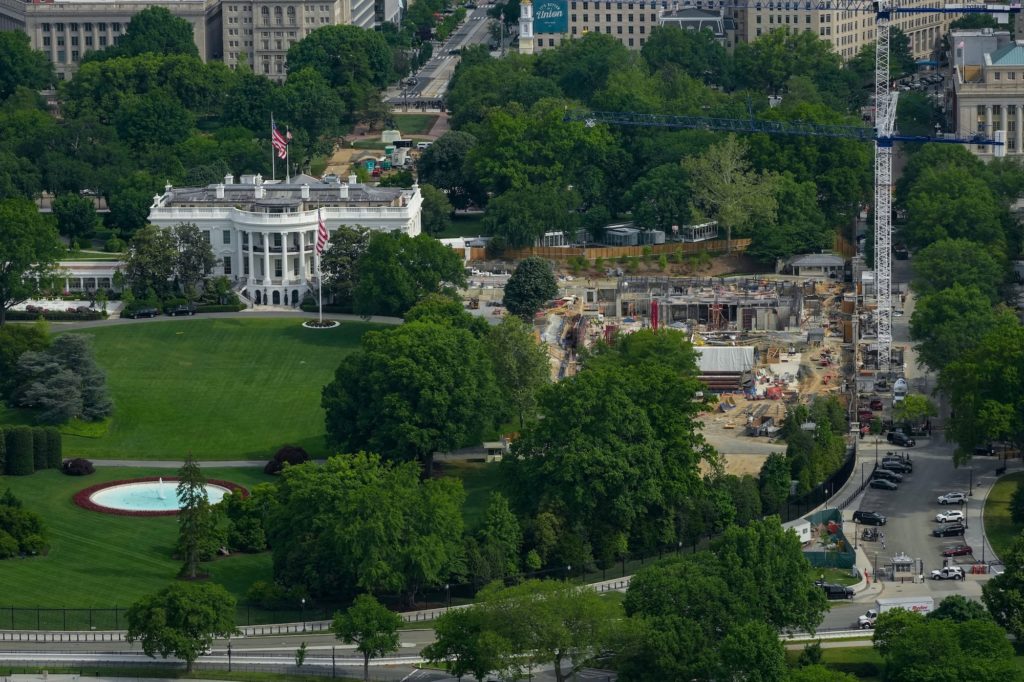
Senate Republicans Seek $1B for Trump’s Ballroom Renovation Project

In recent days, the landscape of geopolitical and domestic power politics continues to showcase a fundamental truth: decisions made at the highest levels of government, whether at the Capitol or in diplomatic corridors, have profound consequences on national identity and global stability. **Senate Republicans** have recently proposed a substantial $1 billion allocation dedicated solely to security enhancements around President Trump’s White House ballroom. This move underscores an acknowledgement of the growing importance of symbolic power centers, where decisions about security measures can reflect a broader posture of authority and control. As theorist Carl Schmitt emphasized, sovereignty resides in the ability to decide on exceptions, and in this case, these expenditures signal a desire to reinforce the loci of executive power amid an increasingly polarized political atmosphere.

Meanwhile, the international stage reflects a precarious calm during Victory Day celebrations, as Ukrainian and Russian forces observe a temporary ceasefire. This pause, dictated by strategic calculations and political optics, exemplifies the complex interplay of war and diplomacy. It echoes historical lessons from conflicts such as the armistice negotiations post-World War I, where moments of ceasefire often shifted the trajectory of ongoing conflicts. These fragile truces, while temporary, reveal the underlying power struggle as both nations strive to project strength without escalating into full-scale war. For observers, this delicate dance highlights how power exists not only in combat, but in the decisions to pause and show restraint—decisions that inevitably shape the future of sovereignty and territorial integrity.

Adding another dimension to the unfolding narrative, reports from China detail a devastating fireworks plant explosion in central China, which killed at least 26 people. While seemingly disconnected from the political arena, such disasters often serve as somber reminders of the fragility of state control and the consequences of regulatory oversight. In authoritarian regimes, the perception of state competence directly influences the public’s trust in leadership. The catastrophic event also offers a lens into the relentless pursuit of economic growth juxtaposed against safety that is often compromised in pursuit of national prestige. When leaders prioritize power and economic ambitions over safety, the collapse of such systems underscores the peril inherent in concentrated authority—an enduring lesson in the importance of balanced governance.

Domestically, the Trump administration’s review of Smith College’s admission policies concerning transgender students signals an ongoing power struggle over social norms and the definition of inclusion. The investigation suggests a concerted effort by conservative factions to challenge what they deem as progressive overreach. As constitutional experts debate whether such policies align with the principles of equal protection under the law, the broader contest over societal values becomes evident. Campaign promises of restoring traditional norms often revolve around asserting control over social institutions, transforming them into battlegrounds for ideological dominance.

  • Protecting the traditional idea of gender and education
  • Resisting what some see as encroachments on free speech and religious liberty
  • Reasserting sovereignty over cultural identity

These issues expose a fundamental tension: whether society’s future hinges on the preservation of foundational values or on the continued evolution toward a new social contract dictated by political and cultural elites.

Ultimately, the grand theatre of politics remains the crucible where the **forces of power, tradition, and change** collide, shaping the destiny of nations and peoples alike. As history teaches, the decisions made in these corridors are not merely fleeting legislative acts but chapters written into the fabric of history—testaments to the unyielding human desire to forge a destiny where power is wielded selectively, and where sovereignty is continually contested. Politics, then, is not merely a game of institutions but the arena where the future is written, where each act of power reverberates through the ages—an unrelenting testament to the enduring human struggle for control and identity.
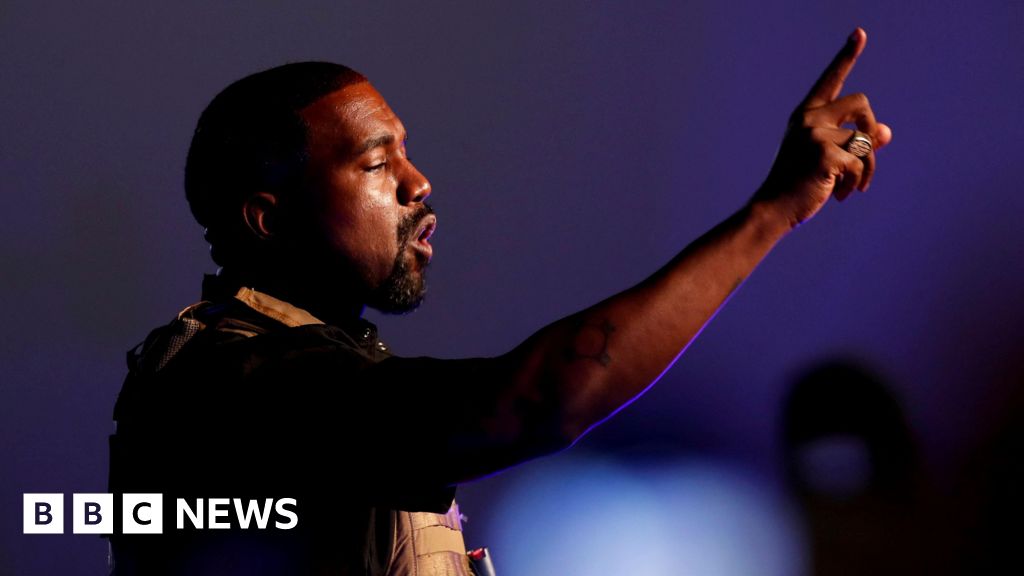
Kanye West hit with $140K fine over Malibu mansion renovation dispute

In an era marked by increasing global interconnectedness, personal disputes—such as the recent case involving a handyman demanding $1.7 million from a renowned rapper—may seem localized but carry profound implications for societal norms, economic perceptions, and cultural power dynamics. This particular case underscores a broader trend: the way individual conflicts intersect with global media narratives and influence perceptions of economic justice across borders. As the dispute unfolds, it exemplifies how the ambit of influence held by celebrities and high-profile figures extends far beyond entertainment, shaping societal expectations and, in some instances, inspiring movements that challenge established economic hierarchies.

From an international perspective, the controversy invites reflection on the role of legal systems and societal standards in mediating disputes involving wealthy public figures. Experts such as Harvard law scholars suggest that the case is emblematic of a shifting landscape, where individual claims—whether about unpaid wages, medical expenses, or wrongful termination—are amplified by social media and global news coverage. The dispute not only highlights the veteran issues of worker rights and fair compensation but also illustrates how the rich and famous are scrutinized for their roles in fostering or neglecting societal responsibilities. This case could set a precedent, especially if it garners international attention, potentially influencing how labor disputes are publicly perceived across multiple jurisdictions.

Such disputes are relevant beyond individual cases, impacting the geopolitical and economic fabric of nations. Analysts from the Oslo-based International Labour Organization warn that the spectacle of personal legal battles involving prominent figures can overshadow genuine policy discussions about labor rights worldwide. Historically, some of the most significant shifts—like the establishment of labor protections in the European Union or the US—have come from public pressure around individual grievances, often escalating into larger societal reforms. Moreover, international organizations monitor these incidents to gauge public sentiment about economic justice, which in turn influences diplomatic relations, especially in countries where income inequality remains painfully high. When a person of influence is embroiled in controversy, it can trigger a ripple effect, urging policymakers to address underlying issues like fair pay, labor protections, and corporate accountability on the global stage.

Ultimately, this case exemplifies how personal disputes are rarely isolated. Instead, they weave into the global narrative, shaping perceptions of justice, fairness, and societal values. Historians have long argued that the perils and promises of modern society are etched into these moments—moments when individual conflicts become a reflection of larger tensions. As the world watches this developing story, it leaves us pondering: how will this dispute influence future legal and cultural standards? Will it catalyze meaningful reforms, or will it succumb to superficial celebrity culture? The unfolding conflict, with its roots in everyday grievances, remains a powerful reminder that the threads of history are often woven behind closed doors, waiting to be unraveled by those daring enough to challenge the status quo.

Trump hits high notes over White House renovation: “Music to my ears” amid rising criticism

In a move that has ignited both political debate and historical concern, President Donald Trump has pushed forward with plans to demolish a portion of the White House East Wing to create a sprawling, 90,000 sq ft luxury ballroom. Valued at approximately $250 million, this ambitious project aims to facilitate grand parties, state visits, and social events, transforming the iconic residence into a hub of both history and modern extravagance. As a seasoned property developer, Trump’s vision for the White House reflects his lifelong penchant for bold, transformative projects—yet it raises crucial questions about respect for national heritage and public oversight.

Despite the White House’s deep roots as a symbol of enduring American leadership, critics—including historic preservationists and even political rivals—have voiced serious concerns. The National Trust for Historic Preservation issued a pointed letter warning that the new construction could “overwhelm the White House itself” and risk “permanently disrupt[ing] the carefully balanced classical design.” This historic landmark, dating back to the late 1700s, has undergone numerous renovations—Harry Truman’s 1948 overhaul, for example, preserved its structural integrity but did not alter its exterior footprint to the extent Trump’s plan proposes. Critics argue that the new ballroom, in its scale and placement, could irreversibly damage the White House’s architectural harmony, which has been carefully maintained over the centuries.

This controversy is further amplified by the political undertones surrounding the project. Often painted as a symbol of restoration and reform by conservatives, the White House historically functions as a national monument as well as a residence. The critics’ cries for a public review process reflect a broader call for transparency and accountability, embodying a movement that seeks to ensure that preservation and progress go hand in hand. Interestingly, Trump officials insist that the renovation will be privately funded and will not burden taxpayers, framing the project as a reflection of personal initiative rather than government excess. This echoes a broader narrative championed by free-marketers and lifestyle advocates, emphasizing individual enterprise and private innovation in shaping American iconography.

In the broader context of lifestyle evolution, these debates about the White House resonate with shifting priorities around public heritage and personal impact. As cultural icons evolve with each generation, so too does the conversation about what it means to preserve history while embracing modernity. Visionaries like Gordon Ramsay or Parker Guide emphasize that our environments—whether homes, public spaces, or national landmarks—should reflect both history and welcome innovation. While critics worry about historic erosion, proponents argue that thoughtful renovation can breathe new life into aging structures, allowing them to serve future generations.

  • Respect the historical significance of national landmarks and advocate for transparent review processes.
  • Balance innovative pursuits with cultural preservation to ensure legacy is maintained for future impact.
  • Embrace lifestyle shifts that prioritize private funding and personal enterprise as drivers of progress.

As this story unfolds, it reminds us that lifestyle is a journey—an ongoing dialogue between the past and the future. Individuals and communities alike are challenged to find that delicate harmony where tradition informs progress, inspiring us to see every challenge as an opportunity for renewal. The White House’s story reflects a broader truth: that our most cherished symbols are alive, evolving with our collective choices, and our capacity to embrace visionary decisions with reverence and responsibility.

Social Media Auto Publish Powered By : XYZScripts.com