Matox News

Truth Over Trends, always!

Gaza’s Rafah Border Reopens for Select Travel Amid Tensions — What You Need to Know

Amid mounting international scrutiny, European Union officials and former diplomats are raising alarms over the ongoing humanitarian and legal crises in Gaza and the broader West Bank. A coalition of more than 400 former European top diplomats has called for intensified pressure on Israel, condemning what they describe as “excesses and unremitting violations of international law.” This unprecedented appeal underscores the deepening global concern about the conflict, as the bloc considers suspending or revisiting its strategic relations with Israel, including the engagement under the EU-Israel association agreement. The signatories, many of whom previously held senior diplomatic positions, are urging the EU to adopt a firm stance by initiating a “time-limited dialogue” with Israeli authorities, potentially including the suspension of agreements if Israel fails to respond constructively.

This diplomatic push comes at a time when the United Nations and human rights organizations warn of a dire reality on the ground. More than 500 Palestinians, including approximately 100 children, have been killed during Israeli military operations since last year’s ceasefire, according to Gaza’s health ministry. Heavy restrictions on humanitarian aid and ongoing Israeli settlement projects, particularly in East Jerusalem and the West Bank, threaten the viability of a two-state solution. Notably, Israel’s moves towards annexation and settlement expansion have drawn international condemnation, further complicating the prospects of peace and stability in the region. Critics argue that such policies not only violate international law but also bolster radical factions, which perpetuate cycles of violence and instability across the Middle East, with the global geopolitical landscape sharply affected as a result.

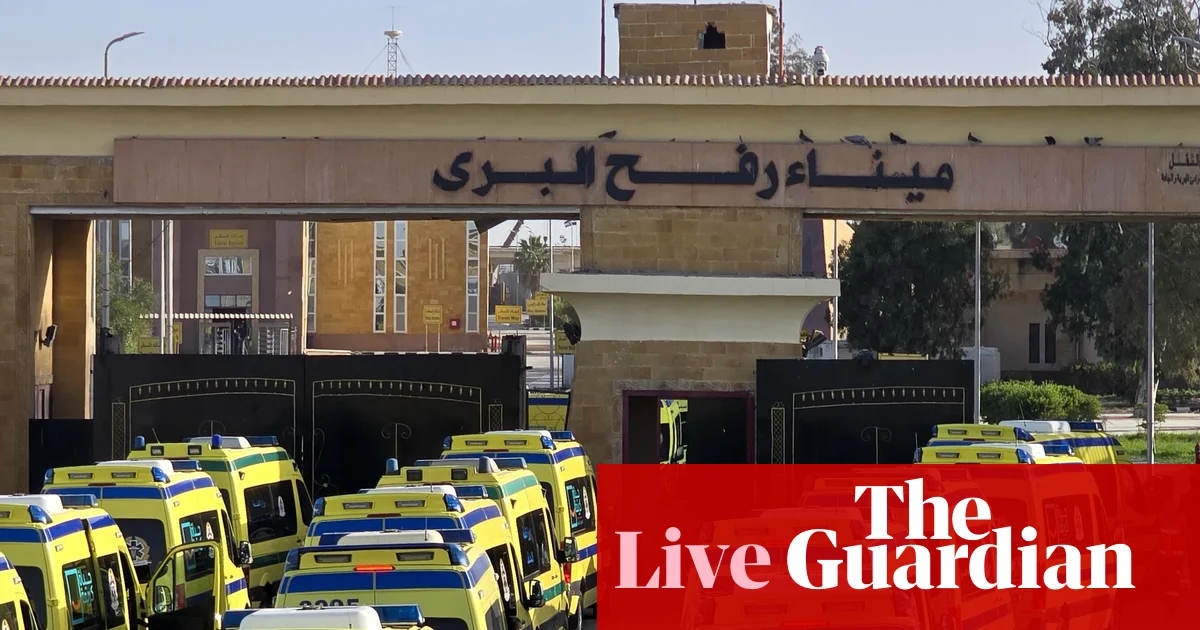
The recent reopening of the Rafah border crossing between Gaza and Egypt, after months of closure, symbolically marks a new but fragile chapter in the ongoing crisis. The limited movement of Palestinian civilians—just fifty people daily—mainly those in need of medical treatment, reflects the complex security calculus driven by Israeli and Egyptian authorities. Israeli officials stipulate that ongoing security checks will regulate crossing, and the process involves multi-layered screening. The Gaza health ministry reports approximately 20,000 patients, many of them wounded or ill, waiting to evacuate, emphasizing the persistent humanitarian catastrophe. This partial reopening, aligned with the US-led ceasefire efforts, comes amidst the deadliest Israeli airstrikes in months, which have resulted in the deaths of at least 30 Palestinians, including civilians sheltering in tent cities, highlighting the precariousness of peace prospects and the ongoing toll of conflict.

International organizations and analysts highlight how these strategic decisions and geopolitical maneuvers ripple through societies and influence global stability. The World Health Organization warns of worsening health conditions in Gaza, with rising cases of respiratory infections and hypothermia, exacerbated by the blockade and infrastructure destruction. Meanwhile, the International Criminal Court continues to investigate potential war crimes, including Israel’s conduct amidst accusations of a “genocide,” as a prominent UN human rights lawyer openly condemns Israeli policies — a stance that has led to sanctions and diplomatic fallout, especially from the US. The confluence of military action, diplomatic isolation, and international moral debates reveals a landscape of profound instability, where each decision echoes beyond borders. As the world watches, history’s ink continues to be written with every strike, treaty, and diplomatic reprimand—reminding all that peace in Gaza is not merely a local issue but a chapter in a larger story of justice, sovereignty, and international law that remains unfinished.
Israel Reopens Gaza Crossings After Confirming Hostage's Body
Israel Reopens Gaza Crossings After Confirming Hostage’s Body

Unfolding Crisis: Israel, Gaza, and the International Stakes

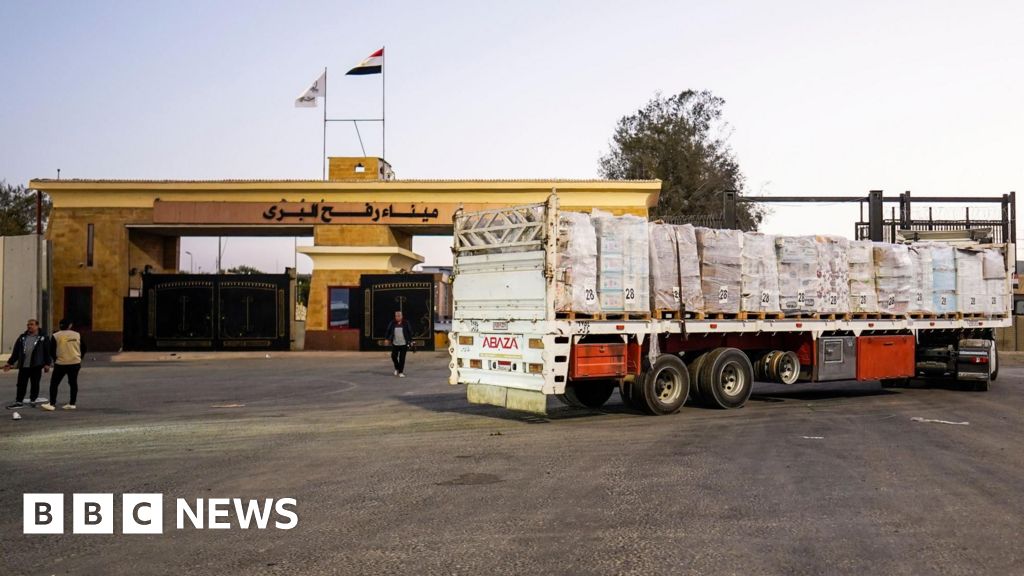
The ongoing turmoil surrounding Gaza and Israel has transitioned into an uncertain period of diplomacy intertwined with military operations. Recent developments reveal that Israel has conditioned the reopening of the key border crossing at Rafah — the critical gateway between Gaza and Egypt — on the retrieval of the remains of Israeli soldier, Master Sgt. Ran Gvili, who has been held captive since the Hamas-led attack of October 7, 2023. According to Israeli authorities, the military has launched focused searches in northern Gaza, including efforts at Gaza City cemeteries, reflecting a broader strategy to solidify leverage over the fragile ceasefire and future negotiations.

This move signifies a turning point in Israel‘s approach to the Gaza conflict, where security concerns have repeatedly overshadowed diplomatic efforts. Prime Minister Benjamin Netanyahu‘s government announced a *limited reopening* of the Rafah crossing for pedestrian traffic, accompanied by comprehensive Israeli inspection mechanisms. Such measures, as reported by Haaretz, include oversight of entry and exit lists and additional screening points along the territory’s Yellow Line, which delineates the area under Israeli control. These stringent controls underscore the prioritization of security over humanitarian access, reflecting the intense pressure on Israeli policymakers amid the ongoing search operations and warfare repercussions.

Global Mediation and the Fragile Peace Process

Meanwhile, international mediators, including U.S. officials led by special envoy Steve Witkoff and Jared Kushner, have intensified diplomatic efforts. Recent meetings with Israel’s leadership signal a push to implement phase two of former President Donald Trump’s peace plan—aiming to establish a new Palestinian government in Gaza, oversee reconstruction, and enforce full demilitarization, including disarmament of Hamas and allied groups. This ambitious agenda remains in jeopardy, as ongoing military operations and deep-seated mistrust threaten to undermine any progress.

The continuation of violence has brought profound humanitarian consequences, with reports of over 71,650 casualties — a figure that highlights the devastating toll on civilians under the Hamas-led military campaign. The Gaza health ministry, controlled by Hamas, provides grim documentation of this human cost, casting a long shadow over the prospects for peace. Such devastation has prompted debates among analysts and historians about whether the cycle of retaliation and blockade can be broken, or if the region is heading toward an inexorable future of conflict.

The Geopolitical Impact and Future Uncertainties

The unfolding events demonstrate how U.S. and European efforts to mediate peace are coupled with realpolitik. The conditional reopening of the Rafah crossing and Israel’s intensified search for Gvili’s remains illustrate a complex negotiation matrix, where security concerns dominate and humanitarian needs are often sidelined. Analysts warn that these military and diplomatic maneuvers could deepen regional instability. Moreover, Egypt’s stance on the border underscores the delicate diplomatic dance, insisting on open movement in both directions to facilitate the return of Palestinians displaced by war. Such demands complicate international efforts and reflect the intricate web of regional interests at stake.

As international organizations, including the United Nations, monitor these developments, historians and geopolitical strategists warn that humanity stands at a crossroads. Will this crisis catalyze meaningful peace, or will it spiral into a prolonged saga of violence and despair? The decisions being made today will echo across generations, shaping the future of the Middle East and testing the resolve of international diplomacy. With each military strike and diplomatic handshake, the weight of history lingers, reminding the world that the path to stability remains fraught with peril and temptation, and that the outcome is still clinging to fragile hope or destructive chaos.

Tower of London reopens after protest over crown jewels display, food thrown during unrest

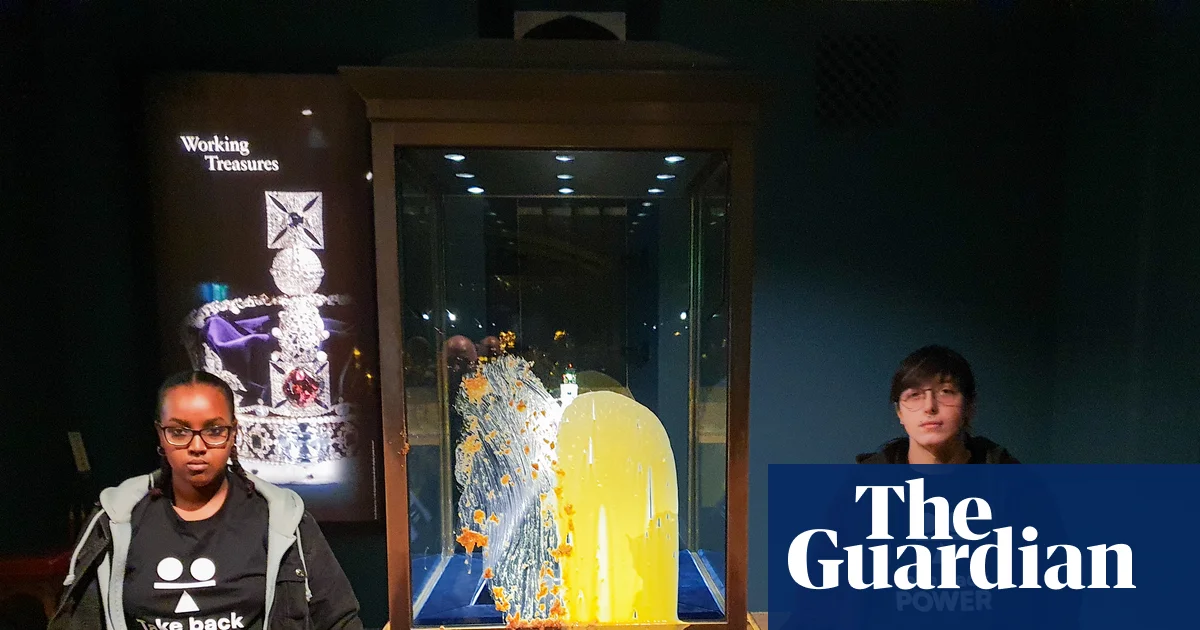
The recent demonstration at London’s Tower of London has ignited a wave of controversy that extends far beyond the gates of Britain’s historic citadel. On Saturday, a small but symbolic act of protest—the throwing of custard and apple crumble at the display case containing the Imperial State Crown—led to the temporary closure of part of one of the UK’s most iconic tourist sites. Conducted by the group Take Back Power, the action underscores growing discontent within Britain’s society over issues of inequality and governance. While the protesters describe their action as a non-violent civil resistance, it signals a deeper challenge to the established political and cultural order that continues to define Britain’s national identity.

Internationally, this event acts as a stark reminder of the tumult that often bubbles beneath the surface of seemingly stable nations. The protest’s message—demanding a permanent citizens’ assembly with the authority to tax extreme wealth and reform Britain’s governance—resonates with broader global patterns of populist discontent. Analysts note that Britain, historically seen as a resilient and constitutional monarchy, is now experiencing a fissure in its societal fabric. This fissure is partly driven by economic disparities, as the gap between the ultra-wealthy and common citizens widens. Global organizations such as the World Economic Forum have warned that rising inequality could spark more protests across Western democracies, challenging the legitimacy of long-standing political institutions.

In a wider geopolitical context, Britain’s internal struggles reflect a fracturing of trust that has significant repercussions on its international role. As the UK reevaluates its positioning post-Brexit, with declining influence in European and global affairs, such protests serve as a signal to allies and adversaries alike: the UK’s traditional institutions are under stress, and legitimacy is increasingly questioned from within. Historians like Dr. Elisabeth Meyers argue that these moments of civil unrest, regardless of their scale, *predict a transformative period for democracies worldwide*. Meanwhile, international watchdogs caution that unresolved grievances could lead to further destabilization, especially if economic tensions continue and political reforms stall.

The geopolitical impact of Britain’s internal discord may ripple outward—affecting alliances, security policy, and trade relations—while also shaping international narratives about Western resilience. For nations observing from afar, the spectacle of protesters targeting Britain’s crown jewels symbolizes a broader trend: that even the most venerable symbols of power are vulnerable when citizens feel unheard or ignored. The UK’s challenge now is to address these root issues without further fueling perceptions of decline or decay in what many still consider a global ideological and cultural beacon. History, as often noted by experts, reminds us that the fate of nations is etched into moments of crisis, and how Britain responds to this internal awakening may determine whether it emerges stronger or further divided.

As the dust settles and authorities investigate, the symbolism remains—an enduring reminder that history’s pages are still being written. In the shadow of this protest, the question lingers: Will Britain reaffirm its commitment to a more equitable society, or will it fall into the chaos of fractured trust? The next chapter depends on whether leadership recognizes that the true crown of a nation lies not in its jewels or monuments, but in the unity of its people and their unwavering quest for justice. The stones of the Tower of London have witnessed centuries of history, yet it is in moments like this that they seem to whisper of a future still undefined, waiting to be shaped by those brave enough to challenge the status quo.

Thanksgiving Travel Back on Track as US Government Reopens

The Resilience of American Airways Amidst Political Turmoil

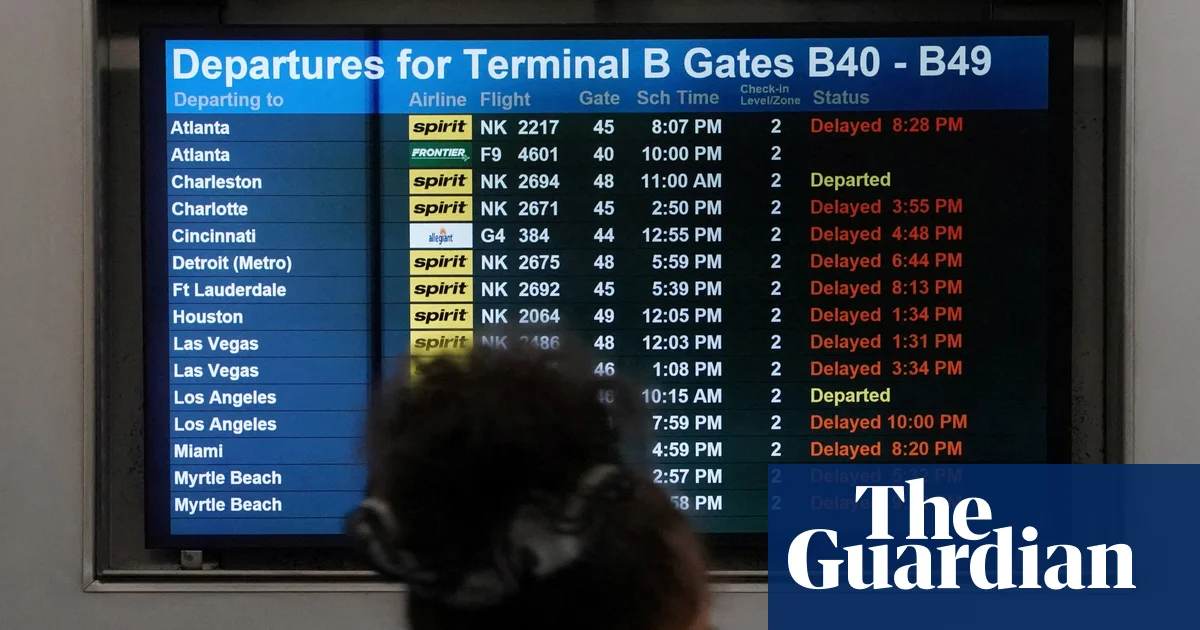
In an encouraging sign of recovery following the recent federal government shutdown in the United States, the nation’s airline industry is swiftly returning to normal operations, dispelling fears that travel chaos would spill over into the upcoming holiday season. Experts report that, thanks to the rapid return of air traffic controllers and a series of strategic measures, the busy airports are on the verge of regaining stability. Transportation Secretary Sean Duffy announced that controllers, deemed essential workers, would receive their full back pay within the coming days, a move that signals a crucial step toward restoring confidence in airline schedules and safety protocols.

Despite a pre-existing shortage of air traffic controllers—exacerbated by retirements and training challenges—this short-lived crisis has exposed larger issues within U.S. infrastructure and governance. During the shutdown, thousands of controllers and Transportation Security Administration (TSA) staff worked without pay, prompting the FAA to impose initial flight reductions at some of the country’s busiest airports. Almost 7% of departures were canceled at the peak, a significant surge from the usual 1%, illustrating how fragile the system had become amid staffing shortages and stress. Yet, as staffing levels improve, experts predict that typical schedules may be reinstated as early as next week, underscoring the resilience of American institutional mechanisms once politicians pull back from disruptions.”

International Implications and Broader Geopolitical Impact

The swift resolution of the shutdown, coupled with the issuance of bonuses to controllers and TSA officers, signals both pragmatic recovery and political messaging from the highest levels of government—foremost, President Donald Trump. Such concedes are not insignificant in the global context, where perceptions of American stability directly influence international relations and economic partnerships. Commentators like former diplomats and analysts at the International Institute for Strategic Studies warn that ongoing political turbulence at home can weaken America’s geopolitical standing and embolden adversaries watching from abroad, especially amidst rising tensions with China and Russia.

Furthermore, the decision to incentivize essential workers with bonuses may have ripple effects across allied nations, highlighting how domestic politics influence broader economic strategies. In particular, the U.S. might pursue a cautious expansion of its security and transportation policies, reinforcing the need for robust infrastructure investments amid unpredictable political weather, as Chinese and European competitors accelerate their own agendas. Such shifts inevitably shape the future of international commerce, travel, and security—parameters that generations will inherit as part of the unfolding geopolitical saga.

What Lies Ahead in a Turbulent Age

While current indicators show a fast return to routine, some uncertainties linger beneath the surface. Airline pilots and staff face increased workloads, and the lingering staffing shortages threaten to cause future delays, especially should adverse weather conditions arise. Analysts from Atmosphere Research Group warn that Mother Nature’s unpredictability remains the ultimate test for reinstating complete operational stability. The FAA’s target to replenish the number of qualified controllers—now about 3,800 below desired levels—won’t be met for years, hinting that the fundamental weaknesses in the system could resurface if not addressed with visionary reforms.

As history remains in the midst of being written, the resolve of American institutions to bounce back from political crises will be scrutinized by watchers near and far. Just as the specter of the 2019 shutdown lingered for months before fully dissipating, this latest episode urges a sober reflection amidst the glitter of recovery. With each flight returning to the skies and each paycheck fulfilling its purpose, the weight of history presses on, reminding all observers that beneath the veneer of recovery lies the fragile, enduring struggle of a nation choosing between chaos and resilience.

Social Media Auto Publish Powered By : XYZScripts.com