Matox News

Truth Over Trends, always!

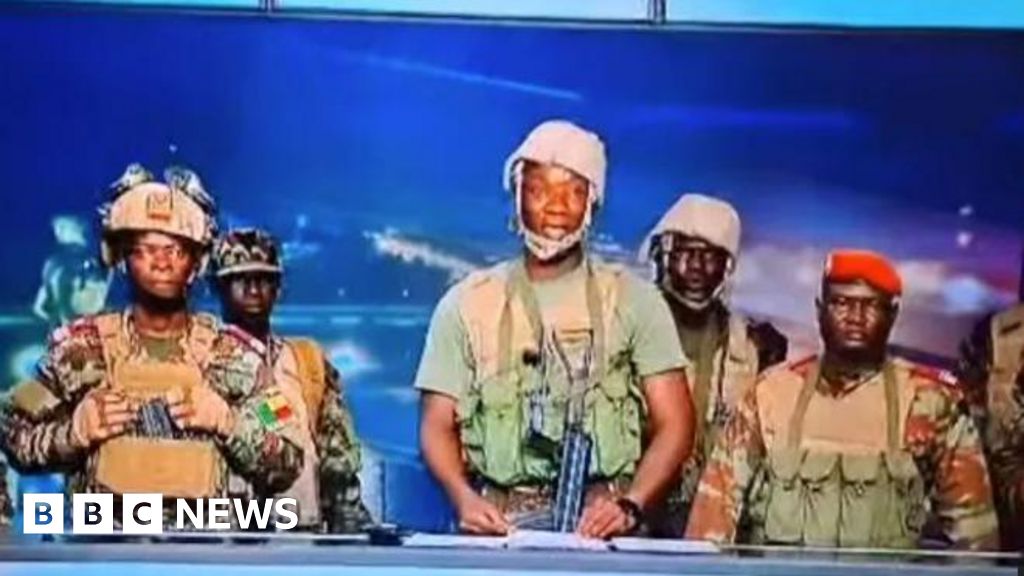
Authorities crackdown as two hostages reportedly freed in suspected plotter hunt

West Africa stands at a critical crossroads as a wave of military coups threatens the fragile stability across the region. The attempted coup in Benin, once considered one of Africa’s bastions of relative democracy, underscores a disturbing trend of political unrest that has ignited alarm among international observers and regional powers alike. The swift intervention by Nigeria, leveraging its formidable military might, highlights not only regional solidarity but also the deeper geopolitical undercurrents shaping the continent’s future. Analyzing these developments reveals how decisions made in the heat of conflict can reshape alliances, threaten democratic progress, and draw in global actors with divergent ambitions.

In the early hours of Sunday, soldiers appeared on national television—an unprecedented breach in Benin’s political stability—to declare they had seized control of the government. This audacious act followed mounting frustrations within the military—stemmed from threats to national security and economic decline—highlighted by critics and military insiders. The rebels, led by Lt Col Pascal Tigri, voiced grievances over President Patrice Talon‘s perceived mismanagement, especially regarding the security crises on the northern borders and socio-economic policies.

  • The security situation has deteriorated in recent years, with jihadist factions linked to IS and al-Qaeda gaining grounds in neighboring Niger and Burkina Faso, which has unnerved Benin’s military establishment.
  • The rebels condemned cuts in healthcare, including the suspension of vital kidney dialysis services, and increased taxation, which they argue fuel social discontent and political instability.

Meanwhile, regional responses underscored the geopolitical tensions beneath these overt conflicts.

Regional actor Nigeria, acting swiftly under the auspices of mutual security, dispatched fighter jets to dislodge the mutineers, effectively thwarting the coup’s consolidation. Nigeria’s decisive action signals the importance of maintaining stability in this critical corridor, both for economic reasons and for regional security. As Ecowas and the African Union publicly condemned the attempted takeover, the incident amplified fears that West Africa’s resurgence of military coups—following recent upheavals in Mali, Burkina Faso, Guinea, and Niger—could spiral into a broader regional crisis. Historians and analysts warn that such instability risks unraveling progress in democracy and economic development, drawing in external powers eager to influence the continent’s future trajectories.

Of particular concern is the geopolitical impact of Russia’s increased involvement. Several pro-Russian social media accounts lauded the Benin coup attempt, reflecting a broader contest for influence in an increasingly divided Africa. While Western nations, led by the United States and European Union, advocate for democratic consolidation, Russia and its allies have sought to exploit the chaos, fostering alliances with countries opting to leave regional bodies like Ecowas and form their own blocs—most notably, the Alliance of Sahel States. This geopolitical chess game threatens to transform Africa into a battleground for global influence, with consequences that extend far beyond its borders. International organizations continue to warn that regional destabilization could accelerate migration, foster terrorism, and foster economic decline in an already impoverished continent.

As tumult continues to ripple through West Africa, the deeper narrative emerges: a battle between democratic resilience and authoritarian resurgence, influenced by external powers with vested interests. With critical elections due in Benin next year and the region’s political landscape more volatile than ever, the weight of history presses down, shaping the future of an entire continent. The unfolding story of Benin’s attempted coup and the regional response is a stark reminder that in this era of shifting alliances, the choices made in moments of crisis will resonate for generations—carving a legacy that may either solidify stability or plunge West Africa into chaos.
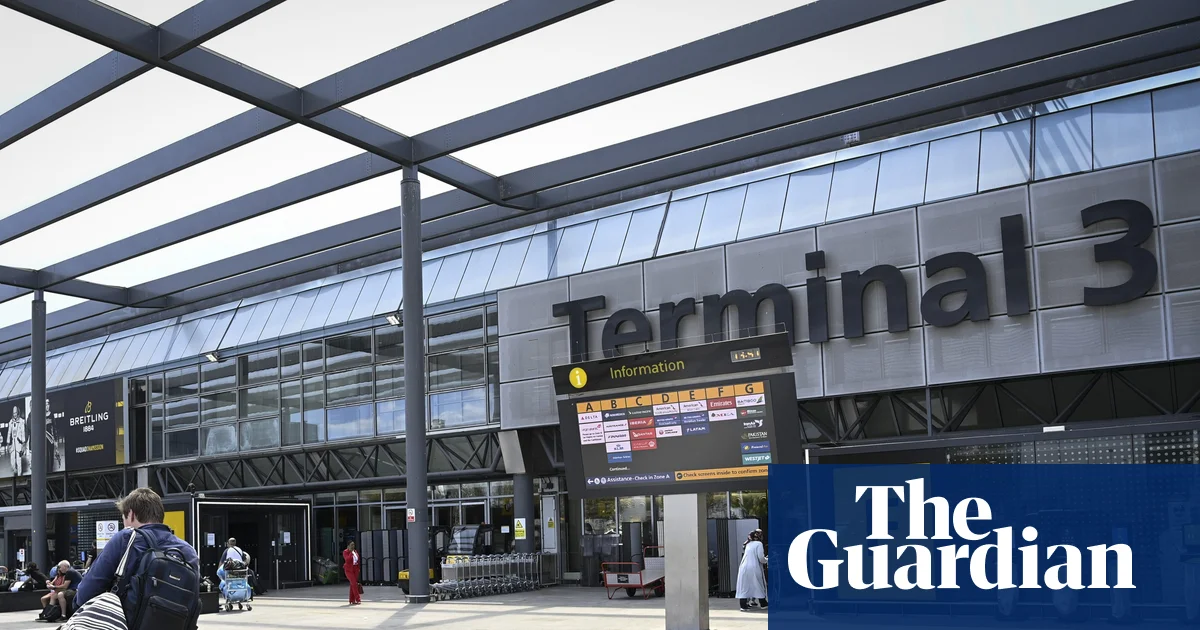

Man detained after Heathrow crowd reportedly assaulted with pepper spray, authorities say

In a stark reminder of growing security vulnerabilities within vital global hubs, Heathrow Airport experienced a disturbing incident this morning involving an assault with what authorities described as a weaponized spray, akin to pepper spray. The incident, which unfolded in the bustling terminal 3 car park, underscores broader concerns about public safety in one of the world’s busiest international gateways. Despite swift police response, the event raises questions about how such disruptions could escalate in an environment where security is paramount for both national sovereignty and economic vitality.

The Metropolitan Police reported that armed officers arrived at approximately 8:11 a.m., responding to multiple reports of assault. A group of men, believed to be known to each other, allegedly used a chemical spray on several victims before fleeing the scene. The immediate response led to the arrest of one individual on suspicion of assault, while authorities continue to pursue additional suspects. The incident’s details suggest an escalated argument, possibly reflecting underlying tensions that, if left unaddressed, could manifest in more severe forms of violence at international points of contact—areas where security is not just about prevention but about safeguarding sovereignty against asymmetric threats.

While the injuries were reportedly not life-threatening, the incident’s implications extend far beyond the individual victims. Security analysts warn that such attacks at major infrastructure sites are emblematic of evolving threats that challenge the posture of border and airport security. International organizations and national governments are increasingly attentive to these vulnerabilities, driven by the reality that in today’s interconnected world, even a small-scale attack can have disproportionate repercussions, shaking public confidence in international travel and economic stability. Moreover, as global tensions heighten, adversaries and terror groups may view crowded, high-profile sites like Heathrow as viable targets for disruptive action.

The incident has set off a wave of discussions among geopolitical experts regarding the importance of strengthening security protocols, especially in the face of *relative geopolitical shifts* that threaten global stability. U.S. and European nations continue to navigate a complex web of threats—ranging from terrorism to organized crime—requiring a concerted, international response. Analysts from organizations such as the International Security Council underscore the necessity for *innovative security measures* like integrated surveillance, intelligence-sharing, and targeted operations to preempt future incidents. It is a stark reminder that our interconnected world offers fewer safe spaces from those willing to exploit weaknesses for disruptive ends.

As history unfolds in the shadow of escalating global tensions, the Heathrow incident could be seen as a microcosm of the wider challenges nations face—balancing openness with resilience. Decisions made today on security posture, international cooperation, and societal cohesion will influence how societies withstand future upheavals. The weight of history persists, and with it comes the sobering realization that the landscape of security is ever-shifting, demanding vigilance and decisive action. In this delicate hour, where everyday safety hinges on choices made at the highest levels, the future remains an unwritten chapter—one that could either deepen divides or forge stronger resilience in the face of uncertainty.

’Kill crew’ reportedly threatened Sydney woman with photos before her murder, police reveal

In a stark reminder that organized crime continues to specialize in brutality and international connectivity, Australia has witnessed a violent and high-profile incident involving a local crime syndicate. According to police investigations, a gruesome murder in suburban Sydney has not only shocked the nation but also raised significant questions about the reach and influence of transnational criminal groups. Three men, who police allege were “guns for hire,” have been charged with the execution-style killing of 45-year-old Thi Kim Tran, found murdered in a burnt-out SUV. This case exemplifies how local criminal enterprises may serve as nodes in the larger web of global illicit networks, impacting national security and societal stability.

The events leading to Tran’s death illuminate a much broader phenomenon: the intertwining of organized crime and international drug trafficking, with some analysts suggesting this incident signals an alarming escalation in criminal violence fueled by potent drug markets. Police allege that the killers, aged 20 to 32, operated as mercenaries, purchasing “kill kits” and procuring clothing to disguise their operations — an indication of a highly organized and well-funded syndicate. Furthermore, investigators have traced these men to connections with criminal groups based in Victoria, involved in theft and drug distribution. The remarkable aspect of this case lies in the suspected high-level ordering—whether from inside Australia or abroad—highlighting an ongoing struggle for sovereignty in the face of transnational criminal influence. The international ramifications are undeniable: such evidence points to illegal operations that could be linked to global drug cartels, with potential repercussions for law enforcement cooperation across borders.

Experts and international organizations, including INTERPOL, warn that this type of violence underscores how criminal organisations are increasingly adopting sophisticated methods that threaten both domestic order and international security. The Australian case has echoes of patterns observed in other parts of the world, where the convergence of organized crime and political or economic interests creates a complex web of influence. The incident also underscores the importance of robust border controls and international data-sharing agreements, as nations grapple with the ways in which illicit activities can seep across borders in the digital age. The case has prompted calls from analysts for increased cooperation and resource allocation to confront these transnational threats, which, if unchecked, could destabilize entire regions.

As the weight of this unfolding story bears down, history reminds us that such violence and crime are not isolated but symptomatic of broader geopolitical shifts. The rise of well-armed, well-funded criminal factions challenges the very fabric of national sovereignty, where cities like Sydney serve as battlegrounds for a clandestine war that refuses to be contained. The arrest of the alleged killers and the ongoing investigation reveal only a fraction of a larger puzzle: a struggle for control over resources, influence, and territory on a scale that transcends borders. In the shadow of this dark episode looms the question: how long before these acts of violence spill into international corridors, threatening peace and security on a broader canvas? History yet again beckons us to watch closely, for in these dark narratives lie the seeds of future upheaval—an enduring reminder that the fight against transnational crime is a pivotal chapter in the ongoing saga of global stability.

Social Media Auto Publish Powered By : XYZScripts.com



