Matox News

Truth Over Trends, always!

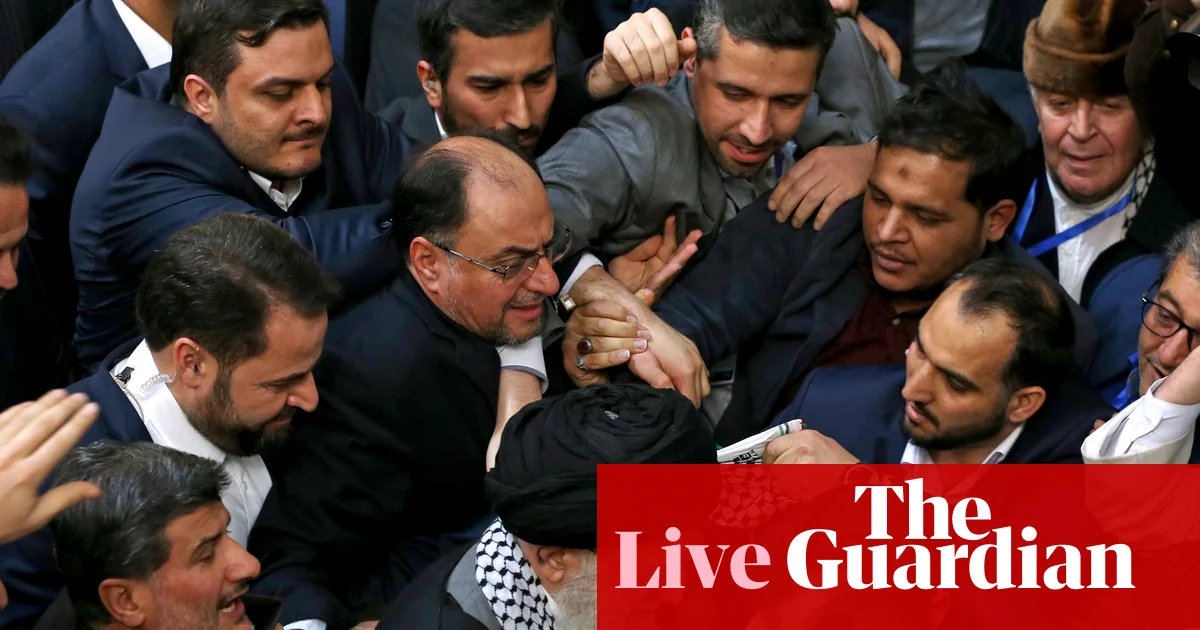
Breaking: Reports Claim Ayatollah Khamenei Dead Amid US-Israel Tensions with Iran

The geopolitical arena has reached a volatile flashpoint following revelations of a severe escalation in Iran. Iran’s Revolutionary Guards declared intentions to unleash the “most ferocious” operational assault in its history against US and Israeli military targets, signaling a dramatic shift in the Middle East’s longstanding regional tensions. This declaration coincides with an unprecedented wave of missile and drone strikes across Iran, which have already resulted in over 200 civilian casualties, according to Human Rights Activists News Agency. The ripple effects are cascading through international relations, raising questions about future stability and the potential for a broader conflict that could threaten global peace.

In an extraordinary turn of events, reports suggest that Iran’s supreme leader, Ali Khamenei, has been killed amidst the ongoing chaos, with claims originating from US President Donald Trump and later corroborated by Iranian state media. This sudden vacuum of power portends a perilous period of political uncertainty, reminiscent of Iran’s struggles post-1989, when the death of Khomeini triggered a reconfiguration of its leadership. The Assembly of Experts is under intense pressure to rapidly select a successor, and the interim leadership council, appointed to manage operations temporarily, faces mounting dependencies amid a rapidly evolving crisis. Such shifts threaten to destabilize Iran’s fragile political order and could embolden radical factions, increasing the likelihood of unrestrained military escalation.

The geopolitical impact of these developments extends beyond Iran’s borders. Iran’s retaliatory strikes across six countries, including a missile attack that wounded 22 in Tel Aviv and fires on the iconic Burj Al Arab and Fairmont hotel in Dubai, have pulled regional alliances—and their undercurrents—into sharp focus. Meanwhile, UAE forces intercepted the majority of over 130 missiles launched at their territory, yet at least one person was killed at Abu Dhabi’s Zayed International Airport. How nations respond to Iran’s upheaval will define the Middle East for decades to come. The broadest concern among global strategists is how this chaos influences the already delicate balance between power and diplomacy, especially as China urges restraint and respect for Iran’s sovereignty, warning against further escalation. The U.N. Security Council’s emergency session underscores the urgency for immediate de-escalation, yet the deeply entrenched interests and conflicting alliances suggest that this crisis could spiral into an unstoppable chain of events.

This unfolding chapter signifies more than just regional conflict; it exemplifies a pivotal moment where decisions made today could forge the world’s future landscape. As Western powers grapple with supporting their allies and maintaining stability, Russia and China are positioning themselves as defenders of sovereignty, challenging the prevailing narrative of interventionism. The divide widens with the United States’ Republican factions overwhelmingly endorsing the attack, contrasted sharply by Democratic voices condemning the aggression as unlawful. Such divisions within the U.S. reflect broader debates about the very nature of American foreign policy and its enduring role on the world stage.

In the shadow of this turmoil, the echoes of history command attention. The world stands at an uneasy crossroads, where the choice between reconciliation and conflict could either usher in a new era of diplomacy or plunge the Middle East—and perhaps the global order—into chaos. The fires ignited by Iran’s leaders, and the fateful power vacuums now forming, threaten to etch this tumult into the annals of history. As nations brace for the long shadows of war, the weight of these defining moments remains heavy upon the shoulders of all — a reminder that in the theater of geopolitics, peace is often but a fragile illusion, easily shattered beneath the weight of power and ambition.
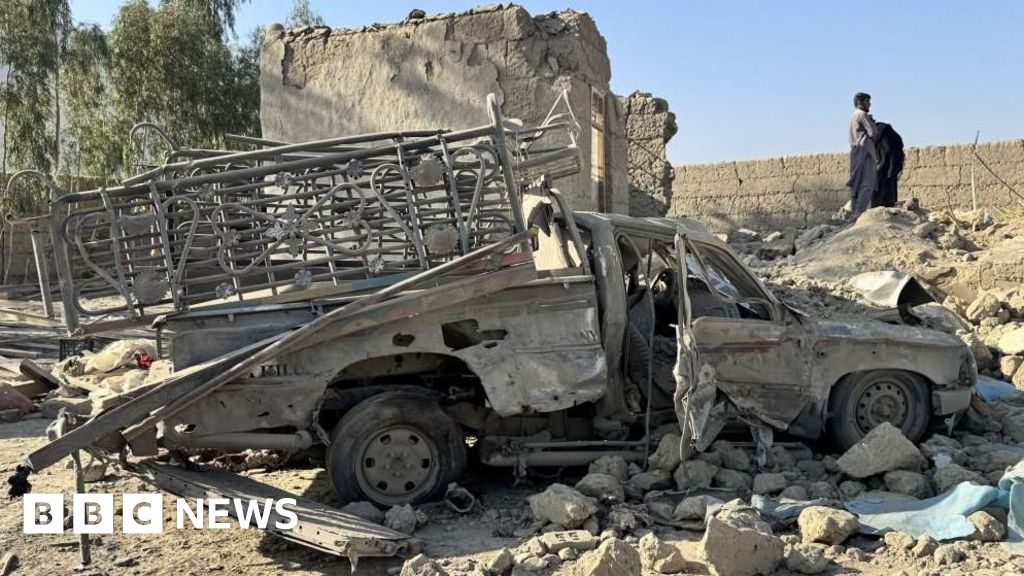
Pakistan strikes Afghanistan; Taliban reports dozens dead amid rising tensions

In a swift and forceful response, Pakistan announced that its military conducted targeted strikes in regions they allege harbor insurgents responsible for recent terrorist activities. The Pakistani government characterized these actions as an act of retaliation for the devastating suicide bombings that recently struck the nation. This escalation highlights the ongoing and deeply complex security challenges faced by South Asian nations amidst rising extremism and unresolved regional tensions.

According to statements from Pakistani authorities, the military launched air and ground operations ostensibly aimed at dismantling militant hideouts in border areas adjacent to Afghanistan. These operations underscore the persistent instability within Pakistan’s tribal regions, where militants often take refuge and orchestrate attacks across the border. Analysts note that Islamabad’s calculus appears rooted in a desire to project strength and deter future assaults, while critics warn of the risk of broader escalation in a volatile geopolitical landscape.

This confrontation has significant geopolitical impact, as regional powers watch closely, wary of the potential for renewed conflict to spill beyond national borders. International organizations, including the United Nations and regional players like India, have expressed concern over the cross-border tensions. Historically, these areas have been a flashpoint for instability, complicating diplomacy and peace initiatives that seek lasting resolution. Experts argue that such military responses, while perhaps pragmatic or necessary from a security perspective, often risk intensifying a cycle of violence that hampers diplomatic progress.

Leading international analysts and academicians caution that, without comprehensive strategies addressing the root causes of militancy and socio-economic grievances, conflicts like these threaten to deepen divisions within societies and destabilize neighboring nations. The decision by Pakistan to escalate military action thus marks a pivotal moment, illustrating how countries under threat must balance the imperatives of security with the broader goal of stability. As history continually unfolds in this troubled region, the world remains captivated — and cautious — about whether this cycle of violence will eventually give way to dialogue or descend further into chaos.

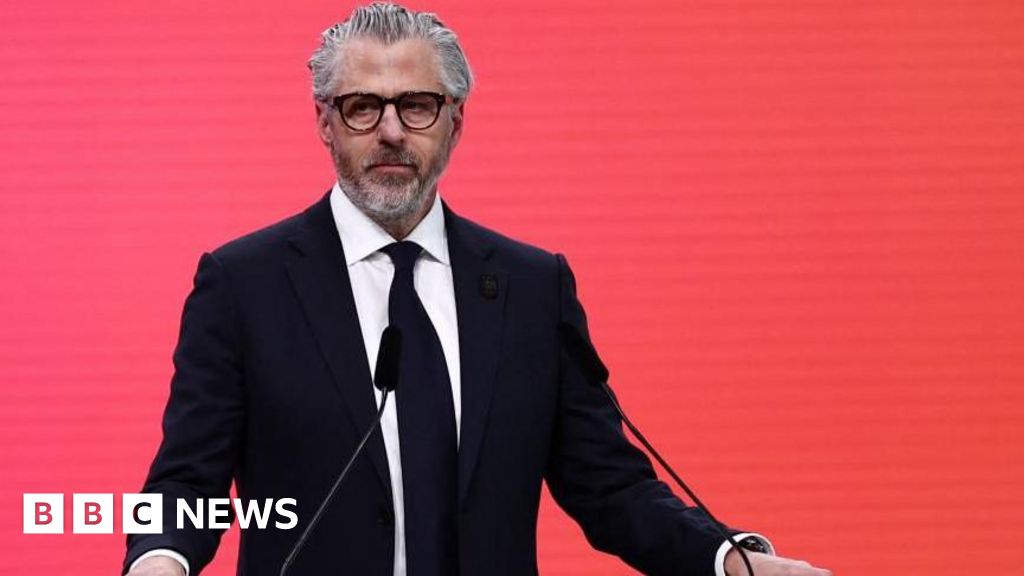
Casey Wasserman plans to sell talent agency following Epstein controversy, reports say

In a development that has sent shockwaves through the international political and social landscape, the prominent agent and LA Olympics chief is now under intense scrutiny owing to revealed past associations with controversial figures such as Jeffrey Epstein and Ghislaine Maxwell. This revelation has ignited a broad debate on accountability, transparency, and the moral standing of those entrusted with managing some of the world’s most influential sporting events. As investigations unfold, the potential implications for the upcoming Los Angeles Olympics extend beyond the realm of sports, touching on issues of international reputation and diplomatic integrity.

The timing of this controversy could not be more critical. The Olympics, long considered a symbol of unity and peaceful global cooperation, now faces questions about its governance and the influence of power brokers behind the scenes. Critics argue that such associations, if true, cast a shadow over the integrity of international sporting organizations and threaten to undermine public trust. Historians and analysts point to precedent cases where scandals involving influential figures have significantly impacted geopolitical relationships and national prestige. The revelations also illuminate the deeper challenge facing global institutions: how to reinforce standards of morality and transparency amid the complex web of political and corporate interests that often underpin major international events.

These events could have far-reaching geopolitical impact, especially as nations reflect on their responsibilities to uphold civic virtues amidst the seductive allure of economic gains and diplomatic symbolism. How global leaders respond in the coming weeks will likely set a precedent, influencing public perception and future accountability measures. International organizations such as the International Olympic Committee (IOC) are under pressure to demonstrate decisive action, large-scale reforms, or face accusations of complicity. Meanwhile, geopolitical analysts warn that such scandals provide opportunistic states and opponents with rhetorical ammunition, potentially fueling uprisings, diplomatic tensions, and credibility crises across borders.

Ultimately, this controversy underscores the fragile line between achievement and integrity in an interconnected world. As investigative entities deepen their probe into the allegations, the importance of adherence to moral principles and judicial accountability becomes more urgent than ever. History warns that when societies ignore the shadows cast by those in positions of power, the consequences can ripple across generations, eroding the foundational pillars of justice and fairness. The unfolding story remains a stark reminder that, in the arena of international diplomacy and cultural influence, the true cost of scandal often extends long after headlines fade—the weight of history continuing to unfold beneath the surface of global spectacle.

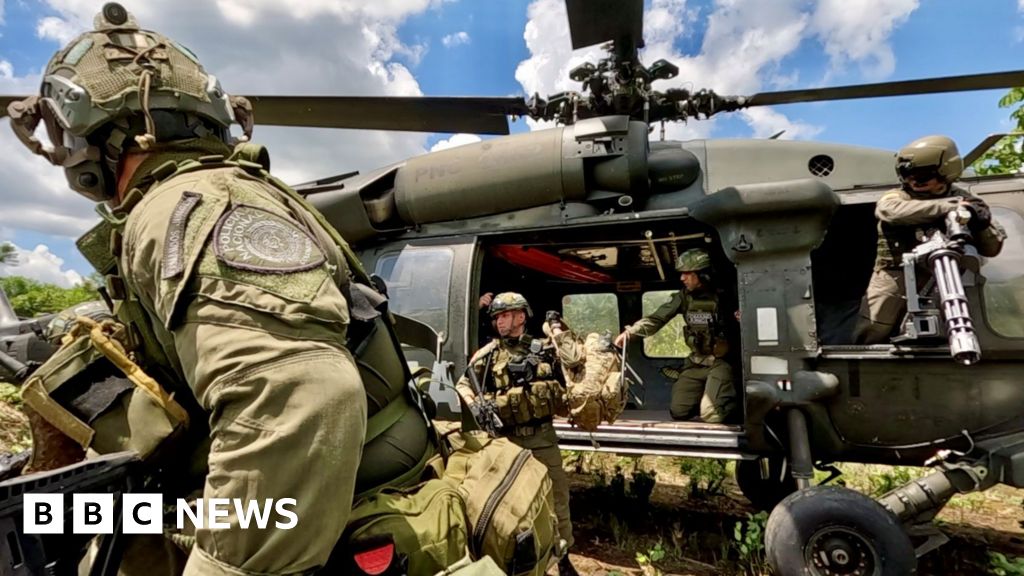
Watch: BBC Reports on Colombian Commandos Staying Strong Against Persistent Drug Gangs

US-Colombia Summit Highlights Strategic Shifts in Latin America

In a significant display of diplomacy and alliance-building, President Joe Biden of the United States and President Gustavo Petro of Colombia recently convened to address shared challenges in the region, with a particular focus on regional security and drug trafficking. These high-level talks mark a renewed commitment from two nations deeply intertwined through history, now confronting contemporary issues with strategic resolve.

The summit occurred amidst an evolving geopolitical landscape, where the U.S. aims to assert its influence in Latin America against a backdrop of rising regional powers and shifting alliances. Critics argue that the meeting underscored the importance of maintaining American dominance through strategic partnerships, especially at a time when drug trafficking remains a persistent threat to stability and public health. The leaders discussed plans to bolster cooperation, including enhanced intelligence sharing, military aid, and joint operations targeting narcotrafficking networks.

In tandem with diplomatic engagements, on-the-ground intelligence operations continue to play a critical role. Recently, journalist Orla Guerin reported from within a Colombian police unit tasked with locating and destroying clandestine jungle cocaine labs—these remote operations are emblematic of the ongoing efforts to dismantle drug trafficking infrastructure. Such units face harsh terrain and sophisticated enemy defenses, illustrating the intensity of the clandestine battle that threatens to spill over international borders. Analysts suggest that these actions are crucial, not only for regional stability but also in curbing the flow of illegal substances into the United States and beyond.

Implications for Regional Security and International Relations

  • Enhanced cooperation between the U.S. and Colombia signals a strategic pivot toward more active counter-narcotics campaigns that incorporate both military and socio-economic measures.
  • The ongoing fight against drug cartels underscores the need for a comprehensive approach—military strikes, community engagement, and international legal cooperation—to effectively weaken these criminal networks.
  • Global institutions, such as the United Nations Office on Drugs and Crime, warn that failure to address these issues could lead to increased violence, migration crises, and regional destabilization, threatening broader international stability.

Internationally, the geopolitical impact of these developments extends beyond Latin America. As the U.S. seeks to maintain influence, some observers highlight the risk of militarization fueling local unrest or empowering authoritarian tendencies, especially in countries like Colombia where government legitimacy remains fragile. Historians and regional analysts caution that the decisions made today could shape the geopolitical fabric for decades to come. Should these collaborative efforts succeed, they could serve as a model for international cooperation against transnational crime. However, failure to adapt strategies or address socio-economic root causes risks entrenching instability and chaos.

As history continues to unfold in the dense jungles and political chambers of Latin America, the weight of choice hangs heavily. The battle against narco-trafficking is more than a fight over illegal substances; it is a defining moment to demonstrate resolve, sovereignty, and the capacity to shape the future. The world watches as these nations forge a fragile path toward stability—an uncertain journey marked by perseverance, diplomacy, and the relentless pursuit of order amid chaos. The next chapter remains unwritten, but its implications will resonate across generations to come.

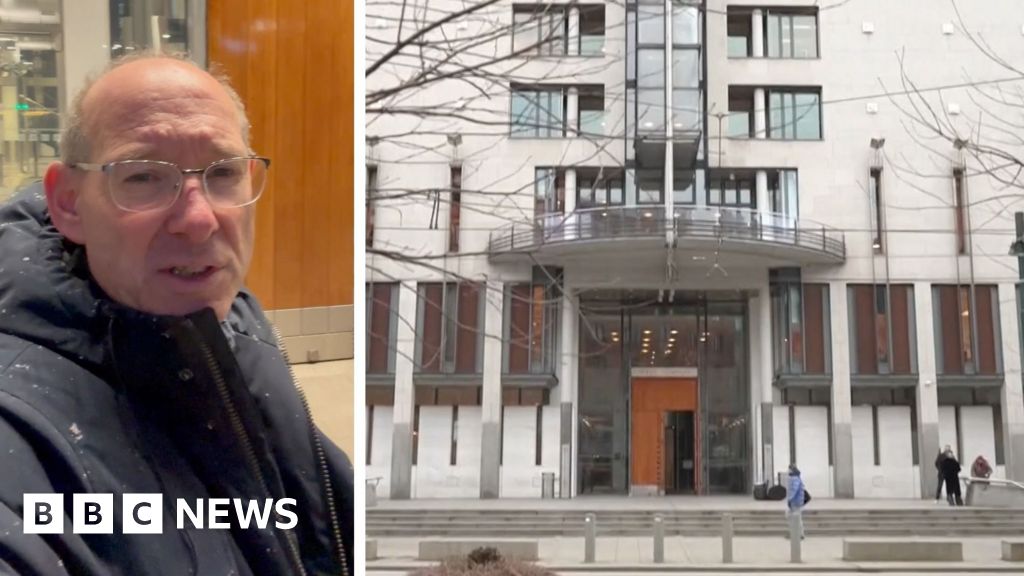
BBC Reports from Oslo Court as Crown Princess’s Son Faces Rape Trial

High-Profile Legal Proceedings in Norway Cast Shadow Over Royal Image Amidst Broader International Tensions

The forthcoming trial of Marius Borg Høiby, the son of Norway’s Crown Princess Mette-Marit, has captivated international attention as it prepares to unfold in Oslo. Accused of 38 charges—including severe allegations of sexual assault, threats, drug offenses, and property damage—Høiby’s case highlights the vulnerabilities of even the most privileged in society. If convicted, he risks a sentence surpassing a decade in prison, a stark reminder that no one is immune from justice, regardless of royal lineage. The recent re-arrest of Høiby, who has now been detained four times since August 2024, underscores the gravity of the accusations and the volatile environment surrounding his legal troubles.

This episode emerges amid revelations of links between his mother and Jeffrey Epstein, the infamous sex offender whose name continues to resonate across geopolitical corridors. These ties, although not necessarily indicative of guilt, raise concerns about the morality and integrity within elite circles, further fueling public mistrust towards the monarchy’s image. International analysts scrutinize this case not just as a national crisis but as part of a broader narrative where the actions of the powerful—especially those connected to prominent families—can undermine a nation’s social fabric. As United Nations and European Union institutions warn against the erosion of trust in leadership, Norway’s royal scandal underscores how personal misconduct can ripple across diplomatic and societal domains.

Impact on International Perception and Geopolitical Stability

Reflecting on this case illuminates a deeper geopolitical impact—how domestic scandals within influential nations shape their international standing. Norway, traditionally viewed as a model of stability and ethical governance, now grapples with an internal crisis that threatens its carefully curated reputation. Such scandals offer adversaries a foothold for criticism, especially within regions eager to highlight perceived moral failings in Western democracies. Economically, the scandal’s fallout could influence investor confidence, especially in sectors tied to Norway’s resource wealth and stability. Moreover, geopolitical analysts warn that these episodes of internal discord, if left unaddressed, risk emboldening opposition factions and destabilizing the social order.

Leading international organizations and security experts articulate concern that scandals featuring royal figures and their families challenge the notion of moral authority necessary for upholding sovereignty and national cohesion. As the case unfolds, the world will watch keenly, recognizing that the consequences extend beyond Norway’s borders. It becomes a symbol of whether societal elites are held accountable, or if they remain above the law, setting a dangerous precedent for societies across the globe.

Historical and Present-Day Parallels: Justice Without Borders

Historically, countries have experienced profound upheavals when scandals involving elites become public. The fall of empires and monarchies can often trace their roots to hidden truths revealed at times of crisis. Today, Norway’s predicament echoes what historians like Barbara Tuchman and Hannah Arendt warned about—the danger of unchecked privilege and the erosion of moral authority. International organizations such as the United Nations emphasize the importance of justice and transparency for peace and stability. Yet, this case serves as a stark reminder that the thin veneer of civility can be shattered overnight when the powerful are exposed, irrespective of national borders or political systems.

As Norway’s courts and society grapple with this controversy, a haunting question remains: Will this be a defining moment for accountability and integrity, or just another chapter in the long saga of elite immunity? The answers lie in how justice is served and whether the tide of public sentiment will uphold the rule of law or be consumed by sensationalism. As history continues to unfold, the weight of this scandal presses heavily upon the shoulders of its participants and observers worldwide—imposing the enduring reminder that no society is immune from the shadows cast by its own secrets.

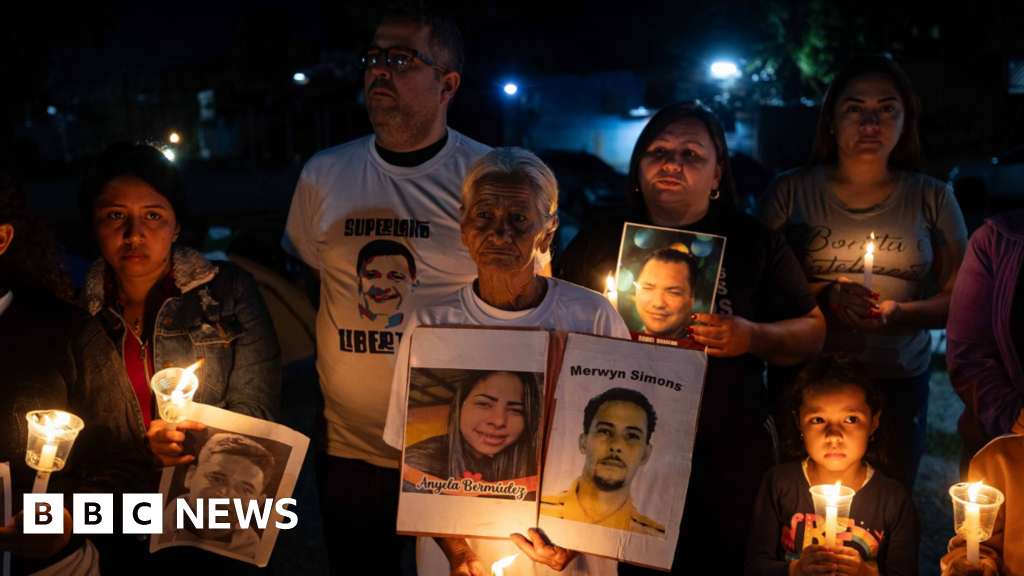
Venezuela Releases Dozens of Political Prisoners, Human Rights Group Reports

Venezuela’s Political Prisoner Releases: A Tactical Move Amid Growing International Tensions

In a striking development that underscores the ongoing geopolitical struggle between the United States and Venezuela, reports indicate that at least 80 political prisoners have been released from captivity. According to a leading Venezuelan human rights organization, these releases are largely attributed to pressure exerted by Washington, which recently seized Venezuelan President Nicolás Maduro in a covert operation in New York and took him to stand trial on drug trafficking charges. This move by the US signals a significant escalation in its approach to Bolívarian politics, aiming to destabilize the Maduro regime and shift regional power dynamics.

Since the drug-trafficking raid, Caracas has been under mounting international scrutiny. Venezuelan interim President Delcy Rodriguez claimed that more than 600 prisoners had been freed—an assertion swiftly contested by Foro Penal, a reputable human rights group, which stated that the figure has likely been inflated. Meanwhile, the group has confirmed the release of 156 political detainees since early January—many of whom remain in limbo without formal charges dropped, effectively barred from speaking publicly. Such measures highlight the Venezuelan government’s ongoing efforts to diffuse internal dissent while managing international image.

Legal limbo and suppression continue to haunt many of those released. Gonzalo Himiob, a lawyer representing Foro Penal, emphasized on social media that the number of freed prisoners might increase as verification continues. This cautious optimism comes amid accusations from human rights activists who contend that the regime’s motivation is less about justice and more about manipulating international perception. The impending phone call between Rodriguez and the United Nations High Commissioner for Human Rights reflects a fraught attempt to legitimize the releases while navigating accusations of political repression. Critics argue that the Venezuelan government has long exploited arrests to silence critics and suppress opposition—especially following the disputed 2024 presidential election, which Maduro claimed victory amid widespread allegations of fraud.

This scenario reveals a delicate geopolitical balancing act. While the US aims to weaken Maduro’s influence, its intervention risks further destabilizing Venezuela—potentially opening the door to greater chaos and regional insecurity. Analysts warn that international pressure could push Caracas to double down on authoritarian measures, using the guise of political openness as a façade for continued repression. Historically, such tactics have created a volatile environment, fostering lawlessness and deepening societal divisions. The situation remains volatile, with the weight of history pressing down; the steps taken today might echo through generations, defining whether Venezuela’s future will be marked by renewed hope or irreversible decline.

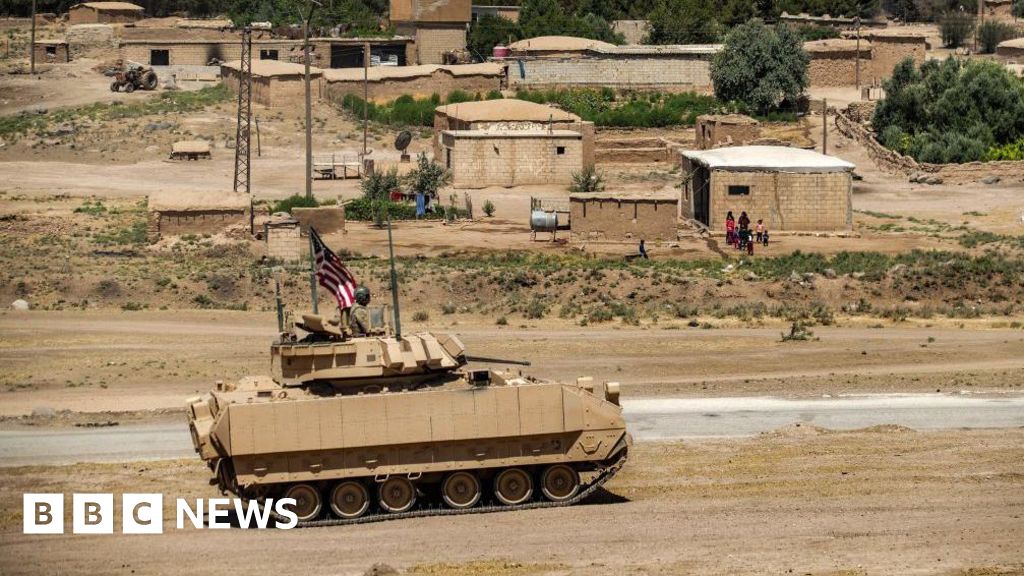
Three Americans killed by ISIS gunman in Syria, U.S. military reports

The recent ambush in Palmyra, Syria, resulting in the death of two US soldiers and a civilian interpreter, marks a stark reminder that the geopolitical landscape in the Middle East remains perilous and volatile. According to the US Central Command, the attack was carried out by a gunman allegedly affiliated with Syrian security forces, with some reports indicating the involvement of elements hostile to both the Syrian government and Western interests. The unclaimed responsibility by any militant group, combined with the Syrian Observatory for Human Rights suggesting the attacker may have been part of the Syrian security apparatus, underscores the complex web of alliances and betrayals woven into the region’s ongoing chaos.

This incident comes amid renewed tensions regarding the U.S. military presence in Syria—a contentious issue that continues to shape international perceptions and impact regional stability. An area where the Syrian government admits to having little control, Palmyra has long been a strategic and symbolic frontline. The attack’s timing, during a joint US–Syrian security operation, highlights the fragile peace and the persistent threat posed by remnants of the Islamic State (IS), which, despite losing territorial control in 2019, still manages to carry out insurgent attacks. The ongoing battle against IS is not just about retaking territory; it’s a broader fight for influence, sovereignty, and regional dominance by global and local powers alike.

International reactions emphasize hardline resolve. US Defense Secretary Pete Hegseth issued a warning that echoes through the corridors of power: “if you target Americans—anywhere in the world—you will spend your brief, anxious life knowing the United States will hunt you, find you, and ruthlessly kill you.” This rhetoric signals an escalation in US military posture and commitment to counter-terrorism operations, despite the risk to diplomatic relations. Meanwhile, Syria’s Foreign Minister Asaad al-Shaibani condemned the attack, extending condolences to the victims’ families, as the Assad regime seeks to project stability amidst chaos. The incident risks igniting further clashes in a landscape where alliances are shifting, and the lines between friend and foe blur.

Historically, analysts and international organizations have warned of the consequences of prolonged foreign military intervention. Global institutions like the United Nations estimate that between 5,000 and 7,000 fighters remain active for IS across Syria and Iraq. Despite recent victories, the jihadist threat persists, facilitated by fractured governance and regional rivalries. The recent rapprochement between Syria and the international coalition combating IS, which includes the US, signifies a precarious hope for stability—yet it also necessitates vigilant watchfulness. As the US continues its military presence, seemingly committed to a undefined mission in Syria, the risk remains that innocents, soldiers, and local populations will continue to pay the price of geopolitical chess games that no longer resemble clean victories.

As history unfolds amid the dust and ruins of Palmyra, the global stage stands at a crossroads. The narratives of American strength, Syrian sovereignty, and the fight against extremism intersect in a tragic tableau—one where decisions made today will echo for generations. With each loss, each attack, the world’s balance teeters anew. The question remains: how much longer can this fragile mosaic withstand the relentless tides of conflict, or are we simply witnessing the beginning of an even darker chapter in Middle Eastern history?

BBC reports Belarus releasing political prisoners amid celebrations

In a striking development that signals a potential recalibration of Belarusian politics and international relations, the authoritarian regime in Belarus has released 123 prisoners following an abrupt change in U.S. foreign policy. Central to this move are figures like Maria Kolesnikova, a recognized opposition activist, and Ales Bialiatski, the Nobel Peace Prize laureate whose imprisonment had drawn widespread international condemnation. This decision marks a significant turning point in the ongoing conflict between the West and Lukashenko’s government, emphasizing how economic sanctions and diplomatic pressure influence political trajectories.

The U.S. government’s decision to lift sanctions appears to be a strategic maneuver designed to foster dialogue and stability within the region, yet it also signals a shift in Washington’s approach toward Belarus. Analysts from the International Crisis Group suggest this move could open the door for greater engagement, but it also raises suspicions about whether Minsk’s leadership might exploit this gesture to consolidate power. From the perspective of Russia, which continues to wield indirect influence over Minsk, this development could serve as a means to tighten its own grip in Eastern Europe, especially as geopolitical tensions remain heightened over Ukraine and NATO’s eastern flank.

Correspondents such as Sarah Rainsford from the BBC report from Lithuania, where some of the released prisoners have been taken, indicating the broader regional implications. Lithuania, along with the Baltic states, has long viewed Belarus as a security concern, particularly due to Lukashenko’s cozy ties with Moscow. The prisoner releases underscore the fragile negotiations taking shape, but they also threaten to destabilize the existing equilibrium, prompting concerns that the international community’s efforts to promote democracy and human rights in Belarus could be compromised by diplomatic realpolitik.

Historically, Belarus has been a key piece in the geopolitical chess game between Russia and the West. As noted by geopolitical analysts, previous attempts to influence Minsk were often met with skepticism, given the regime’s resilience and strategic alliances. While the recent prisoner release might seem like a reciprocal gesture, it remains to be seen whether this is a fleeting diplomatic gesture or a genuine step toward reform. Many international experts warn that without substantive reforms, the underlying issues of authoritarianism and regional instability will remain unresolved, leaving history poised at a dangerous crossroads.

As Belarus treads this delicate path toward potential détente, the weighing of its decisions extends far beyond its borders. The decisions made today—whether they lead to genuine change or temporary appeasement—will ripple across the Eastern European landscape. The unfolding story remains a testament to how history’s pendulum swings, driven by the relentless forces of geopolitics and the enduring quest for power, sovereignty, and stability. In the shadow of the U.S.-Belarus deal, each step forward carries the weight of a continent watching, waiting—an epoch’s destiny hanging in the balance, as the future of collective freedom and authoritarian endurance continues to be written in the margins of history.

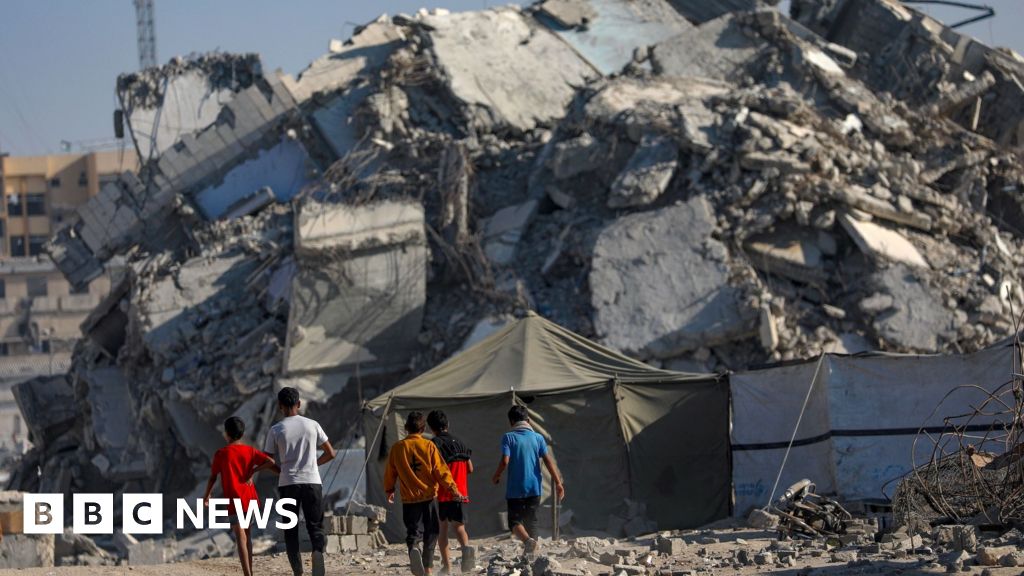
Israel investigates reports of 3-year-old killed in Gaza by troops

The latest escalation in the long-standing Israeli-Palestinian conflict has sent shockwaves through the international community, illustrating how fragile ceasefires and peace processes remain amid entrenched hostilities. On Sunday, a tragic incident occurred in Gaza, where a three-year-old girl, Ahed Tareq al-Bayouk, lost her life after being shot near her family’s tent in Mawasi, Rafah. Local sources report her bleeding body as another stark reminder of how civilians, especially children, continue to pay the ultimate price amidst the ongoing violence. The Israel Defense Forces claimed they were aware of the incident, yet, without concrete evidence or admission of responsibility, many question whether such tragic episodes are mere collateral damage or indicative of deeper issues. Since a ceasefire in October, over 370 Palestinians have been killed, including more than 140 children, with humanitarian conditions deteriorating rapidly—a situation that international watchdogs like Amnesty International describe as a humanitarian catastrophe.

The incident takes place within the context of the first phase of a US-brokered plan intended to de-escalate tensions and bring some semblance of stability to Gaza. Under this plan, Israeli troops agreed to withdraw behind the so-called Yellow Line, a temporary demarcation zone, and all 20 living and 28 of the deceased hostages taken during the Hamas-led attack on southern Israel in early October have been returned, except for the remains of a slain police officer. These developments, however, mask the deeper layers of uncertainty and distrust that persist. The violence and loss of life have rendered hopes of quick resolution fragile, and international organizations like the UN and WHO warn that medical and humanitarian crises continue to worsen, with thousands of Palestinians in urgent need of evacuation and medical aid denied or delayed due to access restrictions.

Pushes for a broader, comprehensive peace seem increasingly entangled in competing narratives and geopolitical interests. Qatar’s Prime Minister Sheikh Mohammed bin Abdulrahman al-Thani describes the current situation as a “pause” rather than a ceasefire, emphasizing ongoing international efforts to advance toward a second phase. This phase envisions establishing an interim governing authority, deploying an international security force, and disarming Hamas—steps which are critical but also fraught with political and strategic hurdles. Notably, the plan involves the oversight of a Board of Peace, led by former U.S. President Donald Trump, reflecting a significant U.S. interest in shaping the region’s future. The hope is that such measures could open the door to Palestinian self-determination and, ultimately, the recognition of a Palestinian state, an idea championed by many Western leaders as a pathway to lasting peace.

However, the political landscape remains deeply divided. During a recent Jerusalem visit, German Chancellor Friedrich Merz showcased support for the concept of a Palestinian state as a potential means of achieving a “new Middle East”. Conversely, Israeli Prime Minister Benjamin Netanyahu expressed unwavering opposition. He articulated a fundamental concern: that a Palestinian state would be a strategic threat to Israel’s existence, claiming, “the purpose of a Palestinian state is to destroy the one and only Jewish state”. Such stark opposition underscores the profound geopolitical rift that persists, with both leaders signaling readiness to move forward but under vastly different conditions. Netanyahu’s planned discussions with U.S. President Donald Trump in late December could be pivotal, either cementing the next phase of the plan or reasserting Israel’s refusal to budge from its position.

As the region stands on the brink of further upheaval, the weight of history presses upon the present. The unfolding narrative, driven by decisions made in backrooms and corridors of power worldwide, reveals that the journey toward peace is neither linear nor guaranteed. The lives lost, the political divides, and the international stakes form a tragic mosaic—a stark reminder that the fights shaping today’s Middle East will echo through history, with every hope for resolution challenged by the indomitable realities of war, sovereignty, and security. The world waits with bated breath as the story continues to unfold, knowing that the decisions taken today will leave an indelible mark on the pages of history yet to be written.

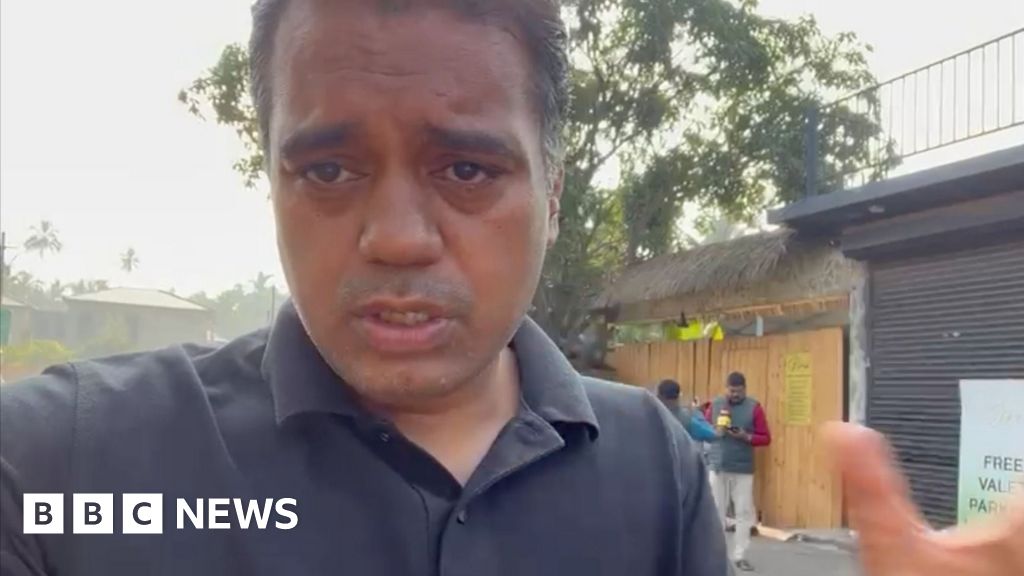
BBC reports tragedy at Goa nightclub blaze—youths caught in deadly fire

The devastating fire at the nightclub Birch in Goa, India, which claimed the lives of 25 individuals, including staff and tourists, has sent shockwaves across both local communities and the international community. As authorities launch investigations into the cause of the blaze, this tragedy emphasizes the persistent dangers faced by social venues worldwide, especially in countries where regulatory oversights may be insufficient.

The incident unfolded when witnesses described the nightclub being engulfed in what one eyewitness called a “complete fireball,” suggesting a rapid and catastrophic spread of flames. The BBC’s India Editor Vikas Pandey’s visit to the scene illuminated the extent of the destruction, prompting urgent discussions about safety standards in popular tourist destinations. Fire safety lapses, poor infrastructure, and inadequate emergency response protocols have become recurring themes in such disasters, prompting international analysts to caution against complacency. Global institutions such as the World Health Organization and UNEP have long warned that lax safety regulations in developing nations not only threaten lives but also tarnish their reputations on the tourism and investment fronts.

While investigations continue, the geopolitical impact of such incidents cascades beyond India’s borders. Countries heavily dependent on tourism, like Thailand and Mexico, watch these events with concern, recognizing the fragile balance of economic reliance on safety and hospitality standards. Decisions regarding regulation enforcement and safety investment directly influence how tourists perceive risks, ultimately affecting international travel flows. Moreover, this tragedy compounds existing narratives about safety in emerging markets—narratives that are often exploited by political actors aiming to undermine confidence or push for reforms. How nations respond to such crises can determine their future standing on the world stage.

Analysts and historians stress that history repeatedly demonstrates how failures in public safety often serve as catalysts for systemic policy shifts. In India, this incident could become a pivotal moment, accelerating reforms in safety standards for entertainment venues nationwide. Such reforms, however, carry their own political and economic implications, potentially imposing burdens on local businesses and shaping regulatory landscapes for years to come. The international community, through organizations like the International Labour Organization, emphasizes the importance of proactive measures—yet many developing nations grapple with implementing such policies amidst the pressures of tourism-driven growth. How governments prioritize safety and regulatory adherence reflects a broader question about their commitment to citizen and visitor security.

As the smoke clears over Goa and investigators sift through the charred remains of the nightclub, the true weight of this tragedy is yet to unfold. The loss of life serves as a stark reminder that beneath the allure of entertainment and relaxation, societal vulnerabilities remain. History’s pages are being written in real-time, and while nations strive to rebuild and reform, the shadow of this fire looms large—its echoes urging the international community to wake from complacency and remember that the margin for error in safety is razor-thin. This incident is a stark chapter in the ongoing saga of human resilience and societal responsibility, with the weight of history still unfolding.

Social Media Auto Publish Powered By : XYZScripts.com