Matox News

Truth Over Trends, always!

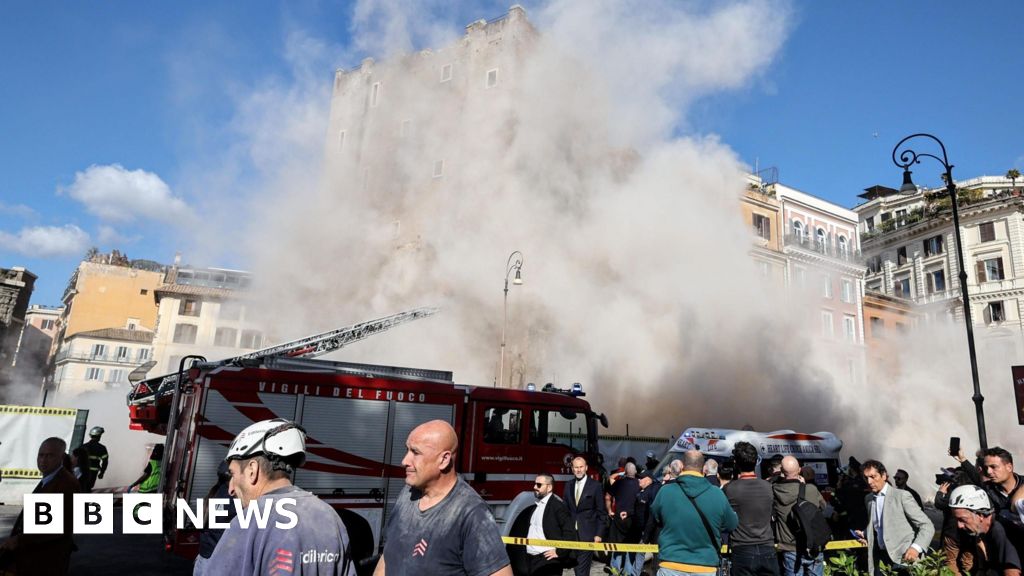
Worker rescued amid collapse of historic Roman tower

Emergency Response in Rome: A Medieval Tower Collapse and Its Geopolitical Implications

In a dramatic turn of events that has captured global attention, a section of the Torre dei Conti, a medieval tower nestled in the heart of Rome, abruptly collapsed, trapping workers beneath its ruins. The incident underscores the ongoing challenges faced by aging historical structures across Europe, and raises questions about the effectiveness of heritage conservation policies, especially amid increasing urban pressures and resource constraints. The affected worker, reportedly from Romania, was rescued after a harrowing rescue operation lasting more than twelve hours, highlighting both the resilience of local emergency services and the delicate balance between preserving historical infrastructure and managing modern safety standards.

The collapse came during ongoing conservation work on the tower—a structure that has stood since the 13th century and was originally built by Pope Innocent III as a residence for his brother. Although closed to the public for many years, the incident reveals the latent risks lurking in neglected or poorly maintained monuments, posing a significant threat to both workers and the local community. The European Union, which has poured billions into heritage preservation, now faces increased scrutiny from international analysts and historians who warn that aging infrastructure in historic cities might be a ticking time bomb, especially as climate change and urban development accelerate deterioration.

International organizations, including UNESCO, have long emphasized the importance of comprehensive conservation strategies in historic zones. Yet, incidents like the Torre dei Conti collapse serve as stark reminders of the vulnerabilities associated with neglect and aging structures—vulnerabilities that can have dire consequences for societal safety and cultural heritage. As the Italian government launches an investigation into the incident, critics argue that this tragedy could have been mitigated with more proactive inspection and maintenance. Meanwhile, local authorities, including Rome’s mayor Roberto Gualtieri, and national leaders, emphasize the resilience and dedication of emergency responders, who navigated the complex, hazardous rescue environment, often under threat of further collapse. The incident is not merely a local tragedy but also a poignant example of how interconnected history, safety, and geopolitics are, especially in a city where history’s weight continues to influence modern policy.

Broader Geopolitical Impact of Heritage Site Preservation

The incident in Rome amplifies the ongoing debate over heritage management across Europe and beyond. Countries with rich histories such as Italy, France, and Greece are grappling with budget cuts and policy shifts that threaten the stability of their ancient monuments. International analysts warn that neglect of such sites could undermine tourism—a vital economic sector—and diminish cultural identity. The European Union, under its European Cultural Heritage Action Plan, has pledged funding and expertise to safeguard these treasures, but critics argue that implementation remains inconsistent. To some, this event underscores a broader geopolitical concern: failing to protect shared cultural legacies risks eroding the very fabric of European identity, which is now intertwined with the resilience of its historical structures.

Experts such as Dr. Marco Rossi, a historian specializing in medieval architecture, warn that the collapse foreshadows a potential crisis that extends beyond Italy’s borders. As climate change accelerates deterioration through increased humidity, temperature fluctuations, and pollution, the feasible future of Europe’s ancient landmarks depends on concerted international action. The incident raises alarms for policymakers—how do nations prioritize heritage amid other pressing needs? And further, how does international cooperation shape the future of our shared cultural assets in a geopolitical landscape rife with rising nationalism and economic competition?

The rescue effort, still ongoing in the shadow of recent incidents, ultimately leaves us contemplating the profound impact of decisions made today. As officials work tirelessly to ensure the safety of those involved, the shadows of history stretch long—reminding the world that the fabric of history is fragile and that its preservation is a collective obligation. The unfolding story of the Torre dei Conti is a stark chapter in a longer narrative—one where the lessons of yesterday hinge upon the actions we take today and in the years ahead. The weight of history presses heavily on this moment, as the world watches and wonders: how many more monuments must falter before the tide of neglect is stemmed?”

Louisiana Teen Girl, 13, Rescued from Basement in Pennsylvania

Global Implications of the Louisiana Child Trafficking Case: A Wake-Up Call for International Security

The harrowing details emerging from a multistate human trafficking investigation within the United States serve as a stark reminder of the ongoing threats posed by transnational criminal networks leveraging digital platforms. The case involving a 13-year-old girl from Louisiana, who was found alive in a sealed box at a suspect’s home in Pennsylvania, underscores a disturbing trend that resonates far beyond national borders. The involvement of multiple states, law enforcement agencies, and the use of online tools to facilitate trafficking highlights the urgent need for a coordinated international response to combat these heinous crimes.

Experts such as international security analysts and historians have long warned about the evolving tactics of human traffickers, who increasingly exploit social media and encrypted communication to groom and lure vulnerable victims. As global institutions like INTERPOL push for tighter international cooperation and digital surveillance, cases like these expose the gravity of the poorly regulated online environment that traffickers exploit. The shocking reality that a minor could be transported across multiple states and manipulated into dangerous circumstances exposes the fragile state of border security and cyber control mechanisms. The case is also a wake-up call to the societal failure in protecting its most vulnerable, especially minors, from predators who operate within the shadows of the internet.

From a geopolitical perspective, this incident underscores the interconnected vulnerabilities that threaten both domestic stability and international order. As authorities continue their investigation, questions arise about how technological advances and lax regulation chair the way for criminal enterprises to thrive. The role of global law enforcement bodies and policymakers becomes paramount in establishing measures that effectively deter and dismantle human trafficking networks. The presence of accomplices in multiple states—ranging from Georgia to Louisiana and Pennsylvania—illustrates the distributed nature of these criminal operations. This case exemplifies how criminal organizations are increasingly transnational, requiring a unified global strategy aimed at intelligence sharing, digital monitoring, and harsher penalties, according to leading criminologists.

History and analysis warn that unless significant reforms and international collaboration are implemented, such heinous crimes will continue to threaten societal fabric. As experts like Dr. Anne-Marie Slaughter remind us, the fight against human trafficking must extend beyond borders—an arduous and ongoing battle in the face of the wild west of the online world. The consequences of failure to act are profound: more minors exploited, diminished trust in digital platforms, and a weakening of societal resilience. The story of this young girl, a victim and a reminder of the dark side of the digital age, leaves us contemplating the struggle still ahead — a battle to secure the innocence of the vulnerable amidst the relentless tide of criminal ingenuity.

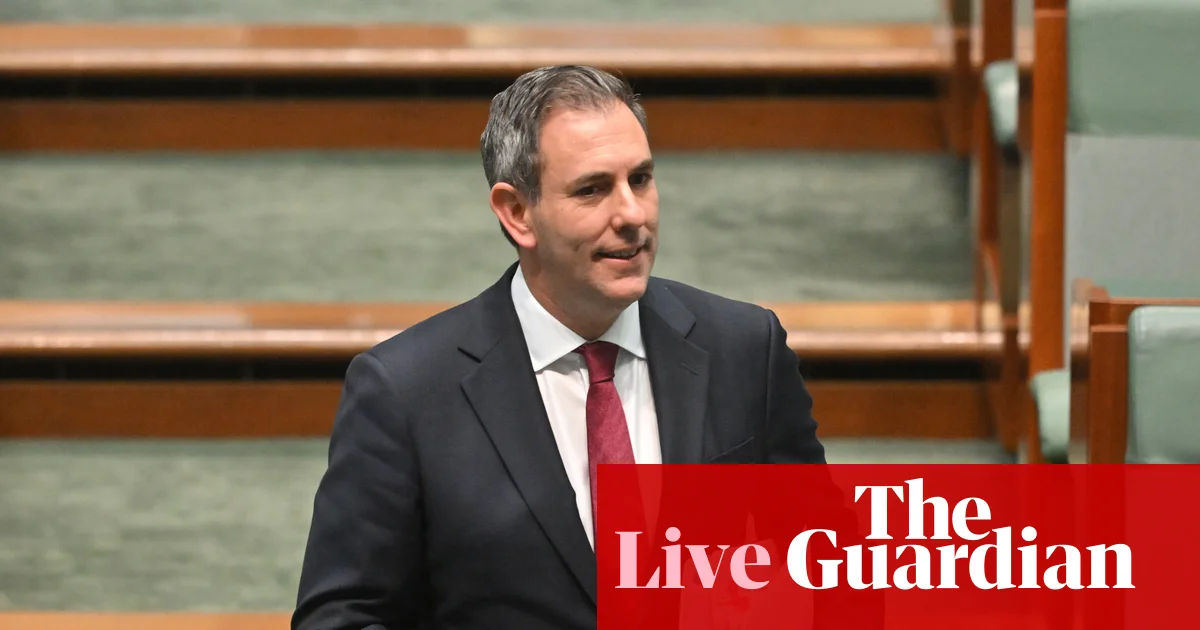
Australia Update: Labor’s First Deficit Lower Than Expected; Rescued Sailors’ Miraculous Return

In a year marked by significant domestic fiscal developments and widespread technological disruptions, the international landscape continues to pivot around pivotal decisions made within nation-states. Although the recent Australia budget report reveals a better-than-forecasted outcome—still in the red by $10 billion—these economic figures, driven by a buoyant labor market, exemplify **how** national fiscal policies can influence global perceptions of stability. Meanwhile, the country grapples with recurrent outages in its critical emergency infrastructure, notably the persistent failures in the Optus triple-zero network, which is under scrutiny by the government’s regulators. Such incidents underscore the interconnectedness of **public safety** and **technological resilience**, with the potential to unsettle societal trust across alliances and markets alike.

Across the Atlantic, the UK is witnessing a remarkable diplomatic evolution, as Sir Keir Starmer lauds the leadership of Anthony Albanese in Australia, emphasizing “our Aukus partnership” and mutual commitment to security and economic growth. Parallel to this, Albanese’s speech at the UK Labour conference underscores a shared vision: **tough, principled governance in times of global turbulence**. Analysts argue that such international relations—centered on strategic collaborations—are designed to **counterbalance** China’s rising influence and maintain a **multipolar world order**. Yet, the warnings from historians point to the fragility of these alliances, highlighting that **how** nations navigate internal upheavals often shapes **their overseas stature** more than diplomatic gestures alone.

In the realm of international crises, the recent rescue of two sailors off NSW shores exemplifies resilience through human determination amidst recent failures. Their ordeal, mitigated by **volunteer efforts and emergency services**, occurs against a backdrop of ongoing issues in national telecommunications—demonstrated by Optus’ *recurrent outages*—which threaten public safety and economic stability. These disruptions take on a geopolitical dimension by revealing vulnerabilities in critical infrastructure, which both national security experts and global watchdogs warn could be exploited by malicious actors. As Australia reassesses its emergency response systems, the decision to invest in more resilient technology reflects a broader worldwide imperative: society’s reliance on interconnected systems is deepening, demanding **robust policies** that **preserve stability** in turbulent times.

As history continues to unfold, these domestic decisions—be it fiscal reform, technological resilience, or diplomatic partnerships—do not exist in isolation. Instead, they are **weighed** against the **weight of history and the unpredictable tides of global power politics**. Nations like Australia and the UK serve as **case studies**, illustrating how internal struggles and external alliances can either bolster or weaken their stature on the international stage. In an era where every policy ripple can trigger a far-reaching wave, the cinemascape of the future remains under construction—**a testament to the enduring complexity of shaping a course through the storms of history**.

Social Media Auto Publish Powered By : XYZScripts.com