Matox News

Truth Over Trends, always!

Northwest Nigerian Villages Hit Hard: 32 Dead in Underattack, Residents Report

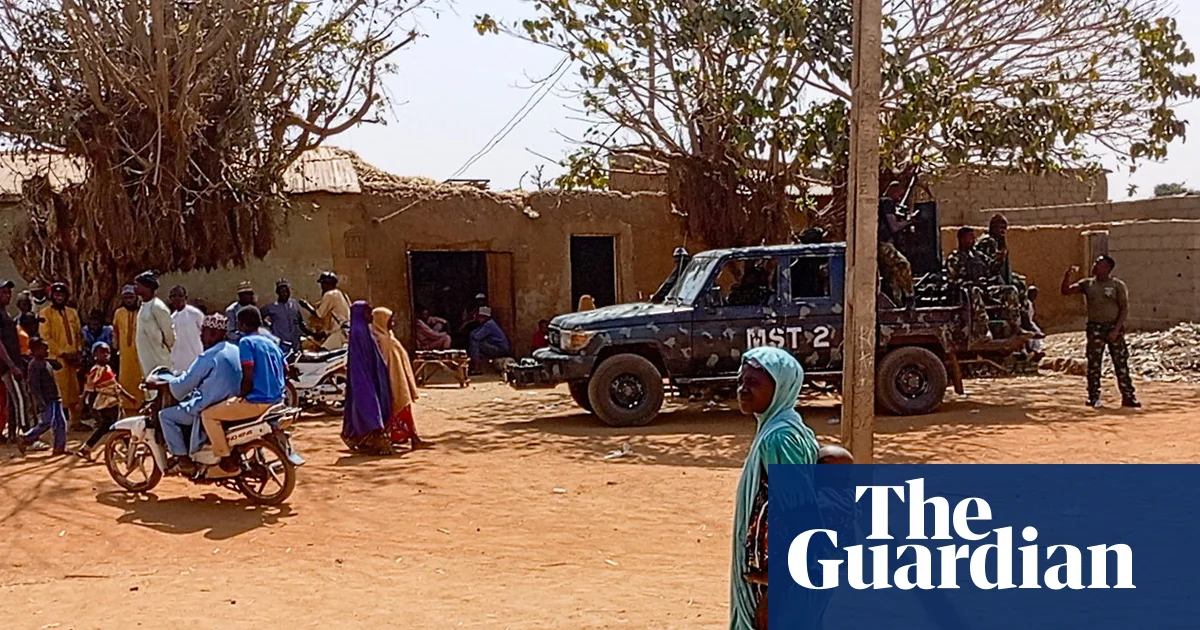
The recent wave of violence in Nigeria signals a complex and deteriorating security landscape that is reshaping the geopolitics of West Africa. Early Saturday morning, armed assailants on motorbikes launched deadly raids on three villages in Niger State, claiming at least 32 lives and leaving destruction in their wake. These targeted communities—Tunga-Makeri, Konkoso, and Pissa—have become the latest battlegrounds in a series of brutal assaults by unidentified armed groups, often referred to as “bandits,” whose operations have stretched across northern Nigeria for months. The strategic location near the border with Benin Republic underscores the regional implications of this violence, as it threatens stability in neighbouring nations and complicates international efforts to contain the crisis.

The attack, characterized by indiscriminate gunfire, arson, and abductions, mirrors a broader trend of escalating violence that has overwhelmed Nigerian security forces. The perceived failure of local and federal authorities to restore order has alarmed international analysts and organizations, with the United Nations and African Union warning of the potential for wider destabilization. US government officials have accused Nigerian authorities of neglecting their duty to safeguard Christian communities, although the violence itself affects adherents of both faiths. In response, Washington has ramped up security cooperation with Nigeria, including targeted strikes against armed groups in recent months, marking a shift toward direct intervention in a sovereign territory—a move that risks further inflaming local tensions while reflecting the gravity of the threat.

Historians and security experts highlight that Nigeria’s insecurity is not merely a local issue but a mirror of broader regional instability. Analysts point to the proliferation of armed militias and the porous borders that facilitate the movement of fighters and illicit weapons. The current crisis demonstrates how unresolved governance issues, economic hardship, and ethnic tensions have created fertile ground for criminal groups to flourish. In these volatile conditions, the international community faces a vital decision: to bolster security partnerships and counter-terrorism efforts or risk a complete unraveling of Nigerian sovereignty and peace. As residents flee and villages lie in ruins, the continent’s future hangs in the balance, precariously shaped by decisions made in Nairobi, Brussels, and Washington.

With each passing day, the unfolding violence in Nigeria echoes as a stark reminder of how fragile peace remains in Africa’s most populous nation. As security forces scramble to contain the violence and international actors weigh their next moves, the question remains whether this surge in violence is merely the tip of the iceberg or a sign of more profound upheaval to come. One thing is clear: history is being written beneath the smoke and flames—history that narrates a struggle not just for stability but for the soul of a nation that, despite its wealth of resources and resilience, now teeters on the edge of chaos. The road ahead remains uncertain, and for the millions living in the shadows of conflict, each day is a test of endurance and hope amidst the chaos.
Pilbara residents warned: Tropical Cyclone Mitchell unleashes fierce winds, shelter now urged

The Unfolding Power of Nature: Cyclone Mitchell Threatens Australia’s Pilbara Coast

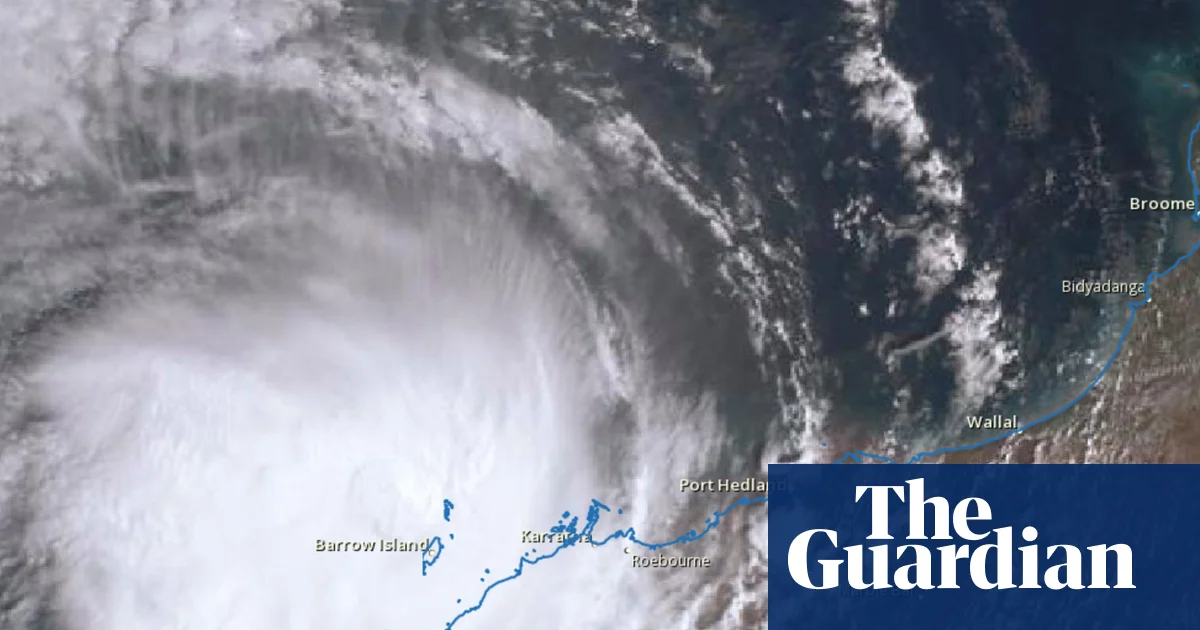
Amidst the shifting global climate landscape, Severe Tropical Cyclone Mitchell presents a stark reminder of nature’s raw power and its geopolitical implications. Currently approaching the Pilbara coast of Australia, this cyclone is forecasted to sustain its intense category 3 status as it barrels southward along the western coast, forcing governments and communities into emergency preparedness. According to the Bureau of Meteorology, Mitchell’s winds are surging at 120 km/h near its center, with gusts soaring up to 165 km/h, highlighting the severity and danger posed to coastal regions.

This impending landfall serves as a pivotal moment in the ongoing discussion about climate resilience and international security. Australia’s strategic ports and critical infrastructure in the Pilbara are vulnerable to the widespread damage that such storms can inflict, with authorities mobilizing evacuation centers and issuing cyclone emergency warnings from Dampier to Onslow. Historically, these regions are susceptible not only to natural disasters but also to the socio-economic repercussions that follow. As noted by analysts, the increasing frequency and severity of these events, potentially amplified by climate change, threaten to destabilize local economies and strain national resources. Future international cooperation on climate resilience measures will undoubtedly influence the hemisphere’s geopolitical stability, especially as alarms about rising sea levels and destructive weather patterns grow louder.

Global Climate Dynamics and Regional Security

The impact of Cyclone Mitchell extends beyond the immediate danger zone, symbolizing broader geopolitical shifts driven by climate phenomena. The recurring pattern of tropical cyclones in Australia, including recent passings by Fina, Hayley, Koji, and Luana, underlines a complex narrative—fewer storms may form in a warming climate, but the proportion of severe events is projected to increase, according to international climate assessments. This alignment of evidence has prompted warnings from climate scientists and international organizations such as the United Nations that climate-induced disasters will become more unpredictable and devastating, reshaping geopolitical landscapes.

The widespread hazards caused by Mitchell—such as flash flooding, high tides, and infrastructure threats—are a stark manifestation of how natural calamities can destabilize societies. Historically, nations with vulnerable infrastructure and limited emergency response capacity find themselves at increased risk, fueling regional instability. Recognized analysts emphasize that climate change acts as a threat multiplier in geopolitics, exacerbating existing tensions and displacing populations, thus impacting international security. The interdependence of nations now hinges on their ability to adapt to these evolving environmental threats, which signal a shift in global power dynamics. The decisions made today—whether to invest in climate mitigation or to ignore the warnings—will determine the stability of future generations.

Turning Point or Tipping the Balance?

As the cyclone’s wrath approaches and the world watches, the question remains whether humanity will heed the rising alarms or continue down a path of shortsightedness. Historians and climate experts warn that this is a turning point: a moment where international cooperation and immediate action could either fortify societies against future storms or leave them vulnerable to an uncertain, more violent climate regime. The unfolding events in Australia reflect a broader narrative—one where natural forces test human resilience and geopolitical resolve. The legacy of today’s decisions will either be one of adaptation and strength or of chaos and catastrophe, etching their mark into the pages of history as the planet’s turbulent climate saga continues to unfold.

Virginia’s Data Centres Expand, Residents Push Back

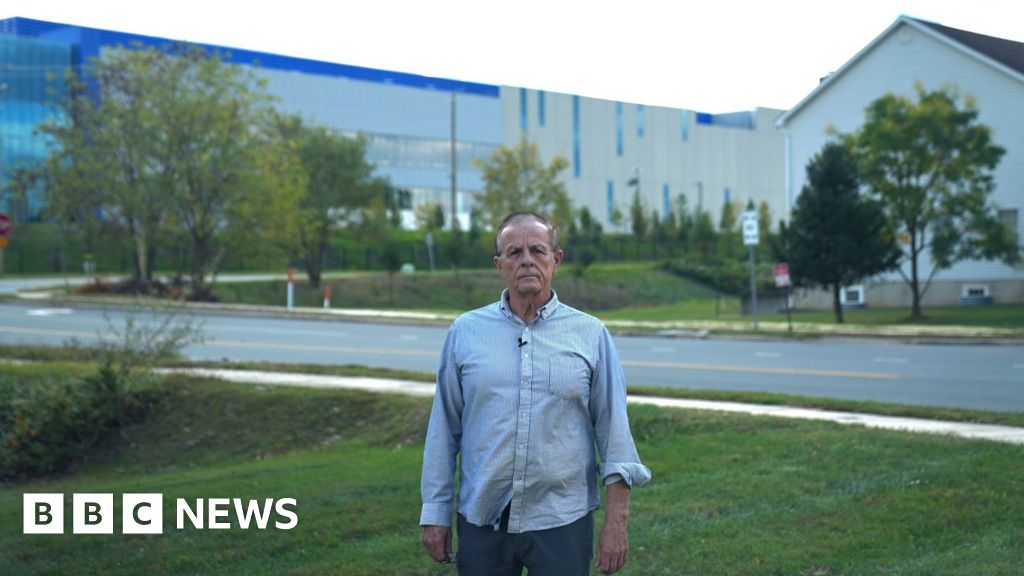
LOUDOUN COUNTY, VIRGINIA—The hum of over 200 data centres spanning approximately 45 million square metres has become an undeniable feature of Northern Virginia. Known colloquially as Data Center Alley, this region has emerged as a key battleground in the ongoing global race for technological supremacy. While the industry contributes billions to the local economy and supports approximately 74,000 jobs, it also raises profound questions about the long-term societal and environmental costs. The recent widespread Amazon outage, crippling banking systems and social media platforms alike, cast a spotlight on the immense influence wielded by these data hubs—more extensive than even China’s data infrastructure—highlighting their critical role in the digital backbone of the modern world.

This proliferation of data centres reflects a deliberate strategic direction, endorsed by powerful policymakers including President Donald Trump. The administration’s push to expedite federal permitting aims to accelerate America’s leadership in emerging fields such as artificial intelligence (AI), a sector seen as pivotal for future economic dominance. Market analysts, including those from reputable international organizations, warn that this unchecked growth may ultimately threaten local communities—as residents face rising electricity prices, environmental degradation, and obliterated natural habitats. Emily Kasabian, a Loudoun County mother, vividly encapsulates the human cost of this expansion, having seen her peaceful suburban street transformed by looming industrial complexes and the accompanying noise pollution, which has driven away native wildlife and disrupted the tranquility that drew many families to the area in the first place.

Before the decade-long surge, Loudoun County was recognized for its flat, inexpensive land and access to talent rooted in its historic ties to the internet industry—once the headquarters of AOL helped seed its digital startup culture. Yet, while local authorities and industry advocates emphasize the economic benefits, critics argue the regulatory vacuum—exacerbated by Governor Glenn Youngkin’s veto of legislation aimed at controlling the surge—has led to environmental and social upheavals. Rising electricity costs, with wholesale rates soaring by as much as 267% in certain areas, threaten to burden residents and small businesses alike. As Dan Diori of the Data Center Coalition claims, these centres are essential to the country’s technological ambitions, yet many believe this vision is being realized at the expense of the societal fabric that makes America thrive.

From the perspective of international analysts and historians, this unfolding narrative signals a pivotal moment in worldwide power structures. The decision to prioritize rapid infrastructure development over comprehensive regulation may herald an era where technological hegemony is achieved at the cost of societal cohesion. As the debate intensifies—from glowing blue facades overshadowing suburban landscapes to electric grids strained under growing demand—the shadow of history’s lessons looms. The questions remain: will this relentless drive to dominate the digital age forge a prosperous future, or will it carve deep scars into the very communities that embody the resilience of the West? As history continues to unfold, one thing remains certain—the modest hum of these data centres is a harbinger of a new global epoch, one where the choices made today will echo through the corridors of history for generations to come.

Social Media Auto Publish Powered By : XYZScripts.com