Matox News

Truth Over Trends, always!

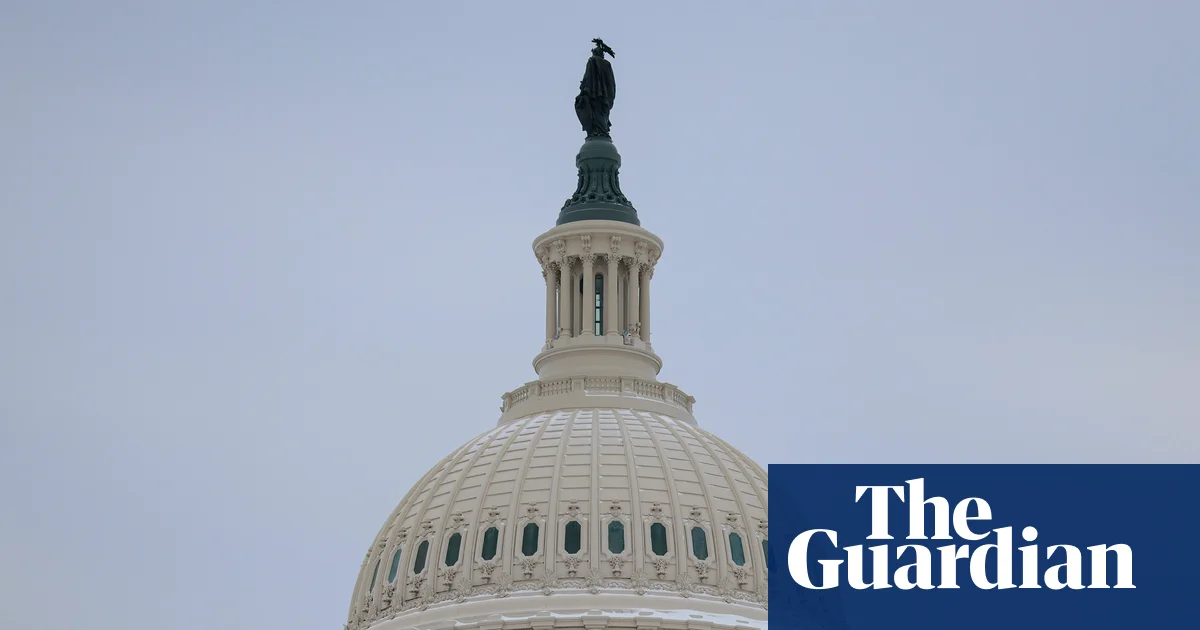
US Government Partially Shuts Down Over Homeland Security Funding—A Win for Fiscal Responsibility

In a dramatic turn of US political turmoil, funding for several federal departments has lapsed amidst a fierce standoff in Congress. This partial government shutdown, initiated on Saturday, exposes the deep divisions over immigration enforcement and domestic policy, as Democrats and Republicans clash over new restrictions on federal agents following a series of controversial killings. The trigger was a dispute over the Department of Homeland Security’s (DHS) funding, which became politicized after incidents involving federal agents—namely the deaths of Alex Pretti in Minneapolis and Renee Good earlier in January. Democratic senators have refused to endorse the bill without crucial reforms, citing concerns over police conduct, masks, and accountability—a stance that risks further paralysis in one of the world’s most powerful nations.

  • Democrats are pushing for reforms such as mandatory body cameras, bans on “roving patrols,” and independent investigations into officer misconduct.
  • Republicans, meanwhile, insist on maintaining broader funding without punitive restrictions, fearing that such demands might politicize law enforcement further.
  • The Senate narrowly passed a two-week DHS funding extension, but the House, controlled by a slim Republican majority, remains uncertain about approving the measures, especially as right-wing factions push to attach voting identification provisions like the Save Act.

Analysts, including political strategists and international observers, warn that this internal squabble signals deeper geopolitical implications. The US, historically viewed as a global leader in stability and governance, now appears fractured, with domestic infighting threatening to weaken its international standing. The partial shutdown echoes past crises, but this time it occurs amidst rising tensions worldwide, from China’s expanding influence to Russia’s assertiveness. Each delay at home distracts from the formidable task of managing global crises, and experts warn that prolonged dysfunction could embolden adversaries who doubt America’s resolve.

According to prominent historians and international institutions like the Council on Foreign Relations, the current crisis underscores the **fragility of American institutions**. The focus on issues such as immigration enforcement and police accountability reveals the profound societal divide, impacting both how nations view American leadership and how American society perceives itself. The internal debates are not merely about policy but reflect broader questions of sovereignty, justice, and national identity. With the government’s future hanging in the balance, a culture of political brinkmanship risks turning external perception into doubt—a crucial moment that could redefine the US’s influence for generations to come.

As the nation teeters on the edge of further shutdowns, the world watches with trepidation, knowing that the unfolding events in Washington are more than domestic politics—they are a symbol of a **nation at a crossroads**. Will America forge a path towards unity, or will internal divisions deepen, leaving an indelible mark on history? The echoes of today’s crisis will resonate through the corridors of power and across every continent, as policymakers account not only for the immediate fallout but for what this tumult reveals about the **geopolitical superpower’s** resilience in confronting both internal and external challenges. The story remains unwritten—yet its chapters are being inscribed with every passing day, shaping the course of history in a world hungry for leadership amidst chaos.
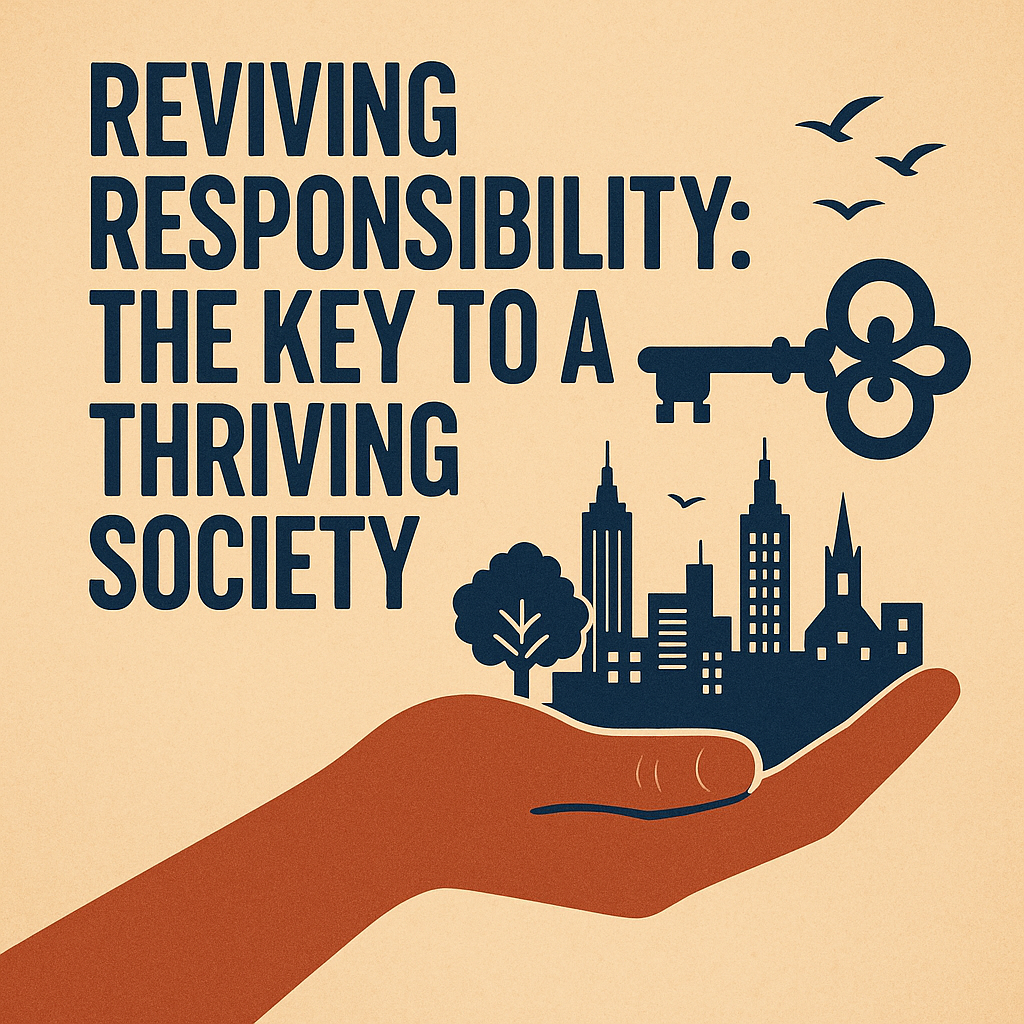
Reviving Responsibility: The Key to a Thriving Society

In an era often characterized by the erosion of shared values and a growing sense of societal disconnection, the revival of personal responsibility emerges as a fundamental remedy for fostering a thriving society. Critics argue that the decline of individual accountability has catalyzed a cascade of social issues—from economic stagnation to political polarization. Recognized economists like Thomas Sowell have long emphasized that “personal responsibility is the cornerstone of individual freedom and societal prosperity.” This underscores the idea that, without a collective acknowledgment of personal duties—be it in civic engagement, economic participation, or community support—any societal advancement remains illusory. Restoring this concept is about more than moral rectitude; it’s about re-establishing a framework where individuals recognize their role as stakeholders in the societal fabric.

Supporters of responsibility-based policies point to empirical evidence illustrating that societies which foster civic virtue tend to outperform in terms of economic growth and social cohesion.

  • Increased personal responsibility correlates with lower crime rates and enhanced community safety.
  • Educational outcomes improve when students, parents, and teachers share accountability for student achievement.
  • Economic productivity is amplified when individuals take ownership of their careers and financial futures.

Analysts suggest that these benefits are rooted in a foundational principle: trust and self-discipline act as the bedrock of a resilient society. When citizens embrace responsibility as a core value, they become active participants in their destiny rather than passive recipients of state aid or societal neglect. Such a shift, critics argue, also combats the growing dependency culture, which critics say stifles innovation and individual potential.

Moreover, a societal emphasis on responsibility rejuvenates the principles of free enterprise and limited government. According to many classical liberals and fiscal conservatives, expanding personal accountability reduces the burden on public welfare systems and fosters a culture of self-reliance. Authors like Friedrich Hayek have articulated that individual freedom flourishes when people are entrusted with the consequences of their choices, fostering innovation and resilience. As history and recent economic analyses reveal, societies where citizens are encouraged to take ownership of their actions tend to foster broader opportunities and a more dynamic civil life. It is a truth echoed in the modern discourse: responsibility is less about blame and more about empowering individuals to shape their destinies, and by extension, their society’s future.

Yet, the path to such renewal is fraught with challenges. It demands a cultural shift—a movement away from entitlement and towards engagement, accountability, and moral clarity. As history’s torchbearers suggest, fostering a sense of collective responsibility requires more than policy—it calls for a moral awakening rooted in shared virtues. The future of society hinges on whether the younger generations will embrace responsibility not as a burden, but as a badge of honor—a vital thread woven into the fabric of resilience. And so, as dawn breaks over the horizon, it is perhaps only through the rediscovery of responsibility—this ancient yet ever-relevant virtue—that society can forge an enduring legacy, illuminating the path toward a future where collective strength and individual virtue grow hand in hand, illuminating the dark with the light of renewed purpose and unwavering resolve. The question remains: will we answer the call to responsibility, or watch as our societal tapestry unravels into shadows, lost amid the fleeting illusions of dependency?

Reclaiming Responsibility: A Moderate Path Forward for America

As America faces an era marked by swift technological change, mounting economic challenges, and cultural polarization, the question of who bears responsibility for shaping the nation’s future becomes more urgent than ever. Critics argue that the prevailing political discourse often devolves into blame-shifting and partisan rhetoric, hampering meaningful progress. Yet, there is a growing movement calling for a moderate path forward—one rooted in pragmatic responsibility and shared accountability. This approach recognizes that America’s strengths lie not in abandoning tradition or dismissing innovation, but in harmonizing these elements to forge a resilient, cohesive society capable of confronting tomorrow’s uncertainties.

Proponents of this moderate outlook emphasize that restoring responsibility begins with acknowledging the interconnected nature of economic, social, and political spheres. For example, analysts suggest that embracing a balanced view of free enterprise and prudent regulation can foster sustainable growth without sacrificing individual freedoms. Economists like Nobel laureate Edmund Phelps have argued that responsible capitalism—which includes fair labor practices, environmental stewardship, and corporate accountability—serves as the backbone of a thriving nation. Critics also highlight the importance of civic responsibility, urging the younger generation to actively participate in democratic processes and community building, thereby reinforcing the social fabric that binds citizens together in shared purpose.

However, cultivating a culture of responsibility requires more than just policy prescriptions; it demands a cultural shift grounded in respect, accountability, and a recognition of common interests. This entails rethinking narratives that foster division and instead promoting figures who model moderation and integrity. As historian David McCullough once noted, the strength of America has historically stemmed from its ability to galvanize diverse groups around common goals, rather than succumb to factionalism. By focusing on practical solutions rooted in fact and shared values, Americans can navigate the tumult of modern politics with integrity and purpose, acknowledging that progress often arises from difficult compromises and collective effort.

Peering into the horizon, the challenge for the nation is to forge a path that isn’t swayed by extremes, yet remains dynamic enough to adapt and thrive. The weight of responsibility does not rest solely on the shoulders of leaders, but upon all who call this land home—each citizen, educator, entrepreneur, and policymaker. As this great experiment of democracy marches forward, one must ponder whether America will rise as a beacon of collective responsibility or stumble into the shadows of neglect and disunity. The choice lies in embracing a moderate, balanced, and steadfast approach—one that recognizes responsibility as an enduring pillar of hope, a guiding star amid the storm, and the very essence of what turns a nation’s destiny from fleeting dust into an enduring legacy. Forever, the soul of this country beckons us to act, to restore, and to elevate a shared responsibility—lest the annals of history record our silence as the moment when the mighty lost their way, and the promise of liberty faded into the dusk.”

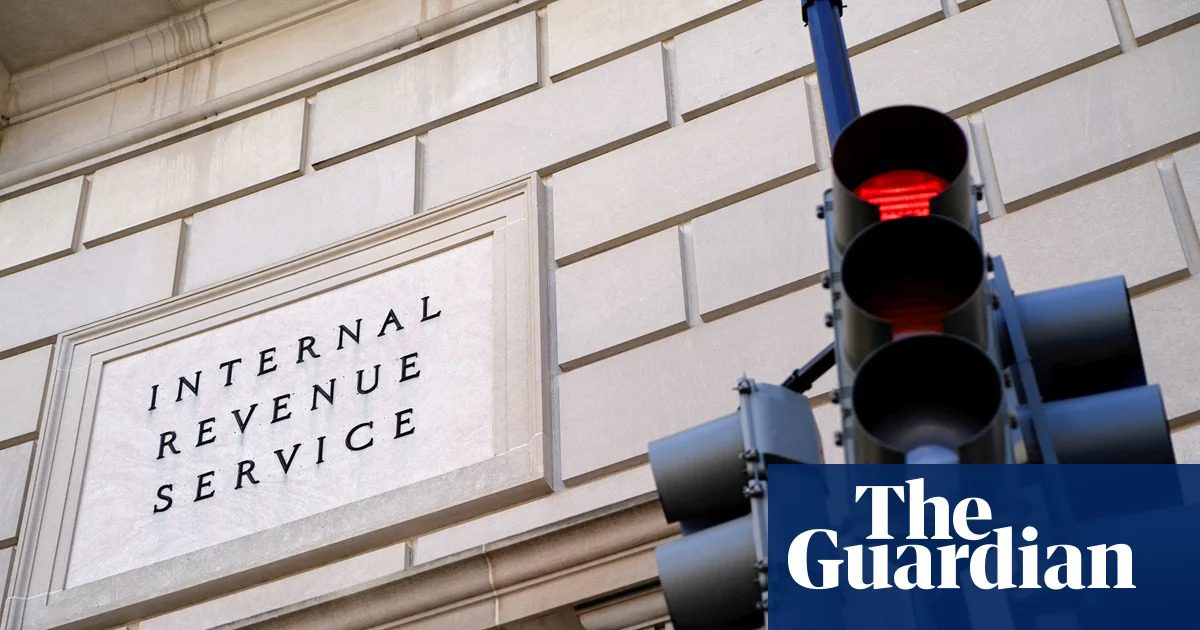
IRS to Lay Off Half Its Staff Amid Government Shutdown—A Wake-Up Call for Fiscal Responsibility

The United States continues to grapple with a prolonged government shutdown, an event that once again exposes the fragility of its bureaucratic machinery and signals potentially more profound repercussions on the global stage. As the Internal Revenue Service (IRS) announces it will furlough nearly 34,000 employees — approximately 53.6% of its workforce — the ripple effects are felt not only within domestic borders but across international economic networks. With vital tax enforcement and financial oversight hamstrung, analysts warn that global financial markets and diplomatic relations could become increasingly volatile.

The decision by the IRS comes amidst a broader political standoff in Washington over budget allocations, which has forced the federal government into a shutdown scenario. This internal crisis intensifies questions about the stability of American governance at a time when the nation’s geopolitical influence appears to be waning. The furlough, effective from October 8, leaves only about 39,870 employees working, as the agency warns of potentially increased delays in tax processing, enforcement, and taxpayer assistance. For an economy that claims to be the world’s financial nucleus, such disruptions underscore how internal political discord can weaken global standing.

International institutions and foreign governments are closely monitoring the fallout. The International Monetary Fund and World Bank have issued cautious statements, emphasizing that the United States’ political gridlock fosters **uncertainty** that could hinder emerging markets and global trade agreements. With the U.S. fiscal posture appearing increasingly unstable, countries dependent on dollar reserves and international commerce face mounting risks. Meanwhile, critics within global geopolitics warn that ongoing internal chaos may embolden adversaries, fueling narratives that America’s capacity to lead on the world stage is compromised.

  • A day after the furlough announcement, a White House memo suggested that furloughed federal employees, including those in the IRS, might not receive back pay, contradicting the protections established by the *Government Employee Fair Treatment Act of 2019*. Such conflicting signals intensify fears of escalating internal discord, which could serve as a strategic advantage for geopolitical rivals like China and Russia.
  • Historians point out that previous shutdowns have historically exposed the vulnerabilities in the American political system, but this instance’s broader economic implications are far more significant in an interconnected era where national security, trade, and diplomacy are inseparable.

As the crisis deepens, the global community watches intently. The echoes of internal strife in America serve as a sober reminder that the decisions made within the corridors of power resonate far beyond national borders. With each day that the government remains paralyzed, the world witnesses a chapter of internal disarray threatening to reshape the geopolitical landscape itself — a narrative still being written in the shadow of a nation that once stood as an unmatched superpower. History’s judgment, waiting patiently at the crossroads, will weigh heavily on those who choose to ignore the signs of an empire in peril, as the unfolding story bears the weight of the future.

BalancedRights: Bridging Freedom and Responsibility for Young Americans

In an era marked by rapid social change and an unprecedented influx of information, the concept of balanced rights emerges as a vital framework for guiding young Americans toward responsible participation in a free society. The delicate dance between freedom and responsibility is not a new debate, but its significance is magnified today as digital media accelerates the reach and impact of individual actions. The foundational idea is simple: rights should empower, but not encroach upon the rights of others. As American thinker James Madison once emphasized, the preservation of liberty requires the vigilant restraint and self-discipline of those who wield power—academic, social, or political.

Promoting balanced rights among youth entails fostering a culture where personal freedoms are accompanied by civic duty and ethical conduct. Critics argue that unchecked expression, especially online, can lead to harmful polarization and misinformation—issues that undermine the social fabric. As analyst Niall Ferguson suggests, “The social contract in modern democracies demands not just the right to speak, but also the responsibility to listen and engage constructively.” Such a perspective underscores the importance of cultivating empathy and critical thinking skills in young Americans, who are often the most vulnerable to misinformation and echo chambers. Educational initiatives emphasizing media literacy and civic education can serve as pillars in this effort, empowering students to exercise their rights thoughtfully.

Yet, balancing rights and responsibilities also involves understanding the economic and cultural contexts that shape American youth. Economists like Thomas Sowell point out that economic opportunities and personal responsibility are two sides of the same coin—without a sense of agency and accountability, rights become hollow. Society must provide pathways for young people to realize their potential while holding them accountable for their actions. This includes sensible policies on free speech, digital responsibility, and community engagement, which help nurture a generation that values both individual liberty and societal cohesion. In doing so, we lay a foundation for a resilient democracy that values mature discourse over transient outrage.

As society advances into an uncertain future, the challenge remains—how do we craft a narrative that respects the primacy of individual rights without compromising the moral fabric of responsibility? The answer may lie in instilling a shared sense of purpose—a collective recognition that freedom is an active steward, not a passive right. The young Americans of today stand at a crossroads; their choices will echo through the corridors of history, shaping a nation where balanced rights serve as the bridge between liberty’s promise and responsibility’s duty. As the sun sets beyond the horizon, casting long shadows over the uncertain path ahead, it is the weight of this balance—neither too heavy nor too light—that will determine whether the torch of freedom is passed on with wisdom, or extinguished by neglect. For in the end, the future belongs not just to those who claim rights, but to those who carry the burden of responsibility with unwavering resolve, carving a legacy of resilience and virtue amid an ever-shifting world.

Personal Responsibility: The Foundation of a Self-Reliant Future

At the heart of a thriving, resilient society lies a fundamental principle often overlooked in modern discourse: personal responsibility. As critics of prevalent victimhood culture argue, the path to genuine independence and societal progress is paved with individuals embracing their duties rather than relying on external entities. In an age marked by economic uncertainty, social mobility challenges, and global upheavals, fostering a culture of self-reliance emerges as not merely an individual virtue but a societal imperative. From the principles of classical liberalism to contemporary economic analyses, scholars emphasize that the stability and prosperity of nations are directly tied to how well their citizens internalize and practice personal responsibility.

Many economists and historians, such as Henry Hazlitt and Friedrich Hayek, have long underscored that self-reliance is the backbone of free markets and limited government. Hazlitt famously argued that individual effort and personal accountability set the foundation for economic prosperity, suggesting that when individuals recognize their role in societal success, they are less dependent on government intervention. In contrast, over-dependence fosters a cycle of dependency and government overreach, draining resources and stifling entrepreneurship. Today’s youth, shaped by pervasive narratives of entitlement, must understand that true empowerment arises from taking charge of their actions, choices, and futures—values that built the strong societies of the past.

  • Accountability in personal finance guides responsible decision-making, fostering stability rather than chaos.
  • Work ethic propels innovation and economic growth when paired with individual initiative.
  • Community resilience is cultivated when citizens actively participate in and nurture their local environments through responsible actions.

Critically, critics of modern social policies argue that over-reliance on government programs impoverishes individual agency and stifles the innate drive for achievement. As economist Thomas Sowell notes, “The most basic question is not what is best, but who shall decide what is best.” When individuals become passive recipients of handouts rather than active architects of their lives, the fabric of society frays. Building a self-reliant future thus requires nurturing a cultural mindset that values effort, accountability, and resilience—traits that shape not just individual destinies but the destiny of nations.

Ultimately, the weight of responsibility beckons each generation to forge a legacy rooted in integrity and resolve. As history’s great epochs have demonstrated, societies that uplift their citizens in cultivating personal responsibility forge chains of strength and independence that echo through eternity. The challenge ahead is immense: to inspire youth to see themselves as architects of their destiny, not mere passengers or beneficiaries. Because in this grand mosaic of human progress, it is the unwavering commitment to one’s duties that transforms potential into legacy—an enduring testament that, in a self-reliant future, the seed of greatness lies within each individual’s own hands, awaiting only the courage to take root and grow.”

Social Media Auto Publish Powered By : XYZScripts.com