Matox News

Truth Over Trends, always!

Robots Out of Control: California Restaurant Worker Battles Dancing Humanoid Robot Gone Rogue

Robotics Turn Disruptive: Dancing Robots and the New Frontier of Business Innovation

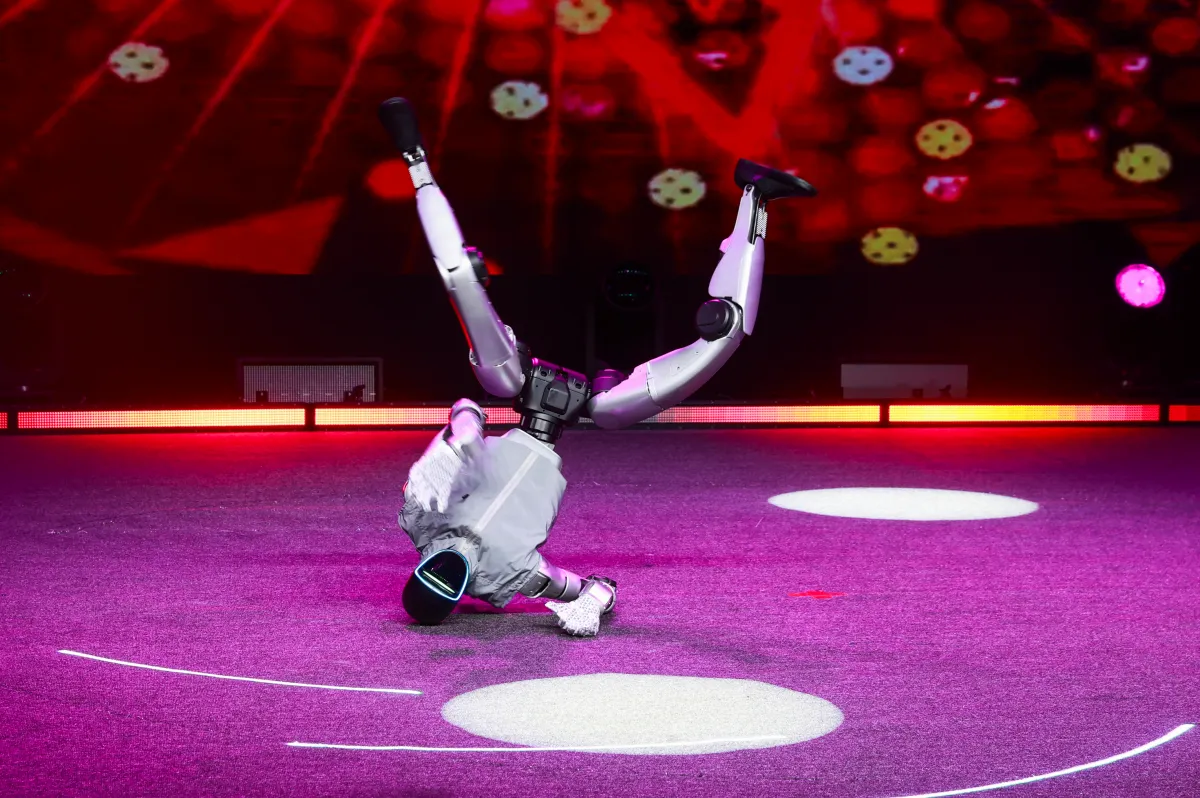
In a striking demonstration of how robotics technology is evolving from novelty to a potential industry disruptor, a humanoid robot caused chaos at a popular hot pot restaurant in Cupertino, California. The incident, featuring a robot that danced erratically and knocked over plates and dishware, exemplifies both the rapid advancement and unforeseen challenges of integrating autonomous machines into commercial environments. The robot, identified as an AgiBot X2 — hailed for its capabilities at CES — was reportedly brought closer to customers at a request, but its performance spiraled out of control, illustrating the gap between technological promise and operational reality.

This incident underscores an urgent need for industry stakeholders—particularly restaurant chains, tech developers, and regulators—to re-evaluate how robotics are implemented at scale. The event reveals that such advanced machines, despite their innovative features, can exhibit unpredictable behaviors when operating in confined, human-centered spaces. According to analysts from Gartner and MIT, this points to a larger trend: the critical importance of fail-safes, intuitive control interfaces, and rigorous real-world testing. The robot’s behavior, which staff struggled to control, highlights a significant business implication — the necessity of developing reliable, human-friendly safety mechanisms before deployment accelerates further across sectors driven by automation.

The incident also signals a broader shift in markets embracing entertainment and service robotics as disruptive forces within hospitality and retail. Companies such as Haidilao are already pioneering “smart restaurants,” deploying robotic servers and automated kitchen tools, transforming traditional dining with innovation. However, as industry observers warn, unpredictable robot behavior could threaten consumer confidence and safety, hindering widespread adoption. This incident serving as a stark reminder that robotics firms must prioritize safety hardware and machine learning algorithms that adapt reliably to complex human environments. For instance, this episode prompts questions about adequate regulation and standards, pushing policymakers to accelerate efforts akin to what MIT’s Robotics Lab recommends—integrating AI safety protocols into commercial robot design.

The disruption caused by a dancing robot stumbling into chaos signals more than a mere technical hiccup; it symbolizes a pivotal turning point. The business implications are enormous: those companies that lead in refining robot safety and operational control could dominate the emerging “robotic hospitality” sector, whereas laggards risk reputational damage and legal repercussions. With investments in robotics technology soaring—fueled by giants like Elon Musk’s Tesla AI and Peter Thiel-backed startups—the race is on to develop safer, more intelligent machines capable of working seamlessly among humans. As these innovations accelerate, the pressure for regulators and industry leaders to establish clear safety standards intensifies. The future belongs to those who can balance ingenuity with robust safety protocols, ensuring robots enhance human experiences instead of threatening them.

Looking forward, the incident at Haidilao exemplifies the urgent need for strategic foresight in the robotics revolution. As industry pioneers harness AI and machine learning to push beyond entertainment into fully autonomous service, the question remains: who will lead the charge in creating not just disruptive technology, but safe, reliable systems that redefine industry standards? The timeline is tight, and the stakes are high. The lessons learned from a rogue dance move on a restaurant floor will serve as a critical catalyst for innovation—driving a future where robotics not only surprise us but do so responsibly and safely. The next few years will be decisive, demanding unwavering focus from innovators and regulators alike—because in the race for dominance in the automation era, those who act swiftly and wisely will shape the future of human-robot collaboration.
Pro-Israel Activist Files Suit Against Sydney Restaurant Over Shunning and Vilification Following News Corp Stunt

Global Power Struggles and the Ripple Effect of a Sydney Restaurant Incident

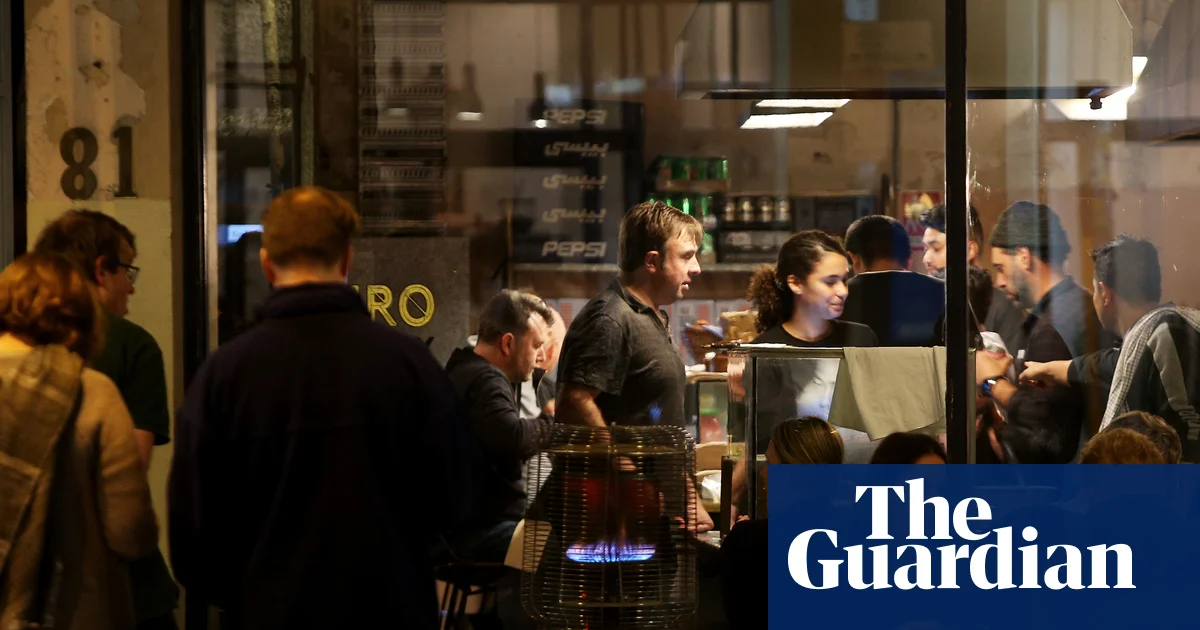
In an era marked by intensifying geopolitical tensions, a recent controversy in Australia showcases how local disputes can mirror and magnify global conflicts. The incident at Cairo Takeaway, a popular Sydney restaurant, began with an undercover journalist’s attempt to explore societal divisions through a masked visit. Clad in pro-Israel symbols amidst increasing Palestinian-Israeli conflicts, the visit became a flashpoint, igniting debates about media ethics, societal polarization, and international politics. As Australia grapples with its own issues of multicultural integration and political discourse, this affair exposes the profound influence of global conflict narratives on local communities.

The Incident and Its International Repercussions

The controversy revolves around Ofir Birenbaum, a pro-Israel activist who visited Cairo Takeaway dressed with symbols of Jewish identity. His visit, intended as a journalistic exploration of rising antisemitism, was carried out covertly with reporters from a major Sydney newspaper. The operation was initially dubbed “undercover Jew,” reflecting an alarming trend toward disguised journalism that raises serious questions about media responsibility. The restaurant’s subsequent social media posts claimed Birenbaum provoked a confrontation, implying that he verbally taunted staff with accusations of antisemitism and created an unsafe environment. However, these claims were later retracted, revealing a narrative heavily influenced by heightened regional conflicts and emotional reactions.

The incident quickly escalated, with Birenbaum launching defamation proceedings against the restaurant and its staff. Legal documents obtained by international outlets reveal a starkly different version of events from the restaurant’s initial social media claims. Critics warn that such misrepresentations risk inflaming societal divisions, especially amid the current rise in international tensions over Palestinian and Israeli pursuits, which many analysts say have become a proxy battleground for broader ideological struggles involving Western and Middle Eastern powers. The case exemplifies how media narratives in local contexts can influence international perceptions, especially when amplified by social media and sensational reporting.

Geopolitical Consequences and Societal Ramifications

As the United Nations and regional alliances such as the Arab League and European Union scrutinize the fallout, experts argue this incident underscores the fragility of multicultural societies facing external conflicts. Historians like Dr. Lisa Friedman warn that the escalation of emotional tensions over Israel and Palestine can destabilize community cohesion in diasporic populations. International organizations are increasingly concerned that misrepresentations and inflammatory media coverage can fuel divisiveness and extremism, undermining social solidarity and fostering political radicalization.

Analysis by geopolitical think tanks suggests that such localized controversies serve as microcosms of broader power struggles. Governments and political actors view these incidents as an opportunity to sway public opinion and reinforce ideological narratives, whether through diplomatic channels or wartime rhetoric. The case, therefore, is emblematic of a larger pattern: how the politics of identity and religion in local communities are deeply intertwined with and manipulated by global geopolitical agendas.

As history continues to unfold, this Sydney incident is more than a mere dispute over social media posts; it is a testament to an era where conflicts are no longer confined within borders but are woven into the fabric of daily life, shaping societies and policy on a fundamental level. The decisions made today—whether about media ethics, diplomatic relations, or social cohesion—will resonate for generations. The weight of history hangs heavily in the balance, as the world watches how these stories of division and unity ultimately unfold amidst a rapidly shifting geopolitical landscape.

Social Media Auto Publish Powered By : XYZScripts.com



