Matox News

Truth Over Trends, always!

BURDIFILEK Revolutionizes Retail: Fresh New Look for Cosmetics and Beauty Spaces to Capture the Next-Gen Shopper (TrendHunter.com)

In today’s fast-evolving consumer landscape, beauty and cosmetics are no longer confined to the markers of individual identity—they’ve become a statement of social belonging and cultural dialogue. Recent redesigns within major retail spaces, like the stunning overhaul of the cosmetics and beauty department at Hyundai Jungdong in Bucheon, South Korea, exemplify this shift. Designed by the acclaimed interior firm BURDIFILEK, the transformation isn’t just aesthetic; it signifies an industry-wide movement towards creating immersive, lifestyle-driven environments that appeal directly to the youth demographic.

This new wave of retail design emphasizes experiential shopping—transforming ordinary visits into engaging cultural moments. The use of sleek, modern elements combined with interactive zones reflects a deeper understanding of social media-savvy consumers seeking authenticity and connection. The broader social relevance of these designs speaks to a society once dominated by traditional beauty standards, now pivoting towards a more inclusive, dynamic approach. Influencers and emerging social analysts highlight how these retail spaces are functioning less like storefronts and more like cultural hubs: places where personal style, community, and shared values converge. As sociologists point out, the design isn’t just about product placement anymore—it’s about cultivating a lifestyle that resonates with younger generations making their mark online and offline.

Another fascinating facet of this trend is how self-expression becomes a collective experience. Brands and designers are tapping into the viral power of social media platforms, creating environments that are as much about the aesthetic as they are about community building.

  • Customized beauty zones that encourage young visitors to showcase their looks.
  • Interactive digital displays featuring trending makeup tutorials and beauty tips.
  • Inclusive design elements that celebrate diversity and promote a sense of belonging.

These innovative retail spaces aren’t just a reflection of current youth culture—they are actively shaping it. Influencers, such as beauty vloggers and fashion leaders, use these environments as backdrops for their content, turning retail stores into live stages of cultural expression. Meanwhile, trend analysts argue that the cultural impact goes well beyond aesthetics, influencing societal norms around beauty, gender, and identity. As the lines between consumer and creator blur, the question becomes: are we witnessing a new form of cultural diplomacy, one where retail spaces serve as the battleground for cultural values?

The future of the beauty retail landscape appears poised at a crossroads—where design meets social activism, and personal style becomes a collective movement. Yet, as these spaces continue to evolve, one question lingers: what’s the next big shift that will redefine how we perceive beauty and self-expression in a society increasingly driven by digital identity? The answer might just lie in the next wave of innovative, immersive environments that will challenge all notions we hold about beauty, community, and cultural influence.
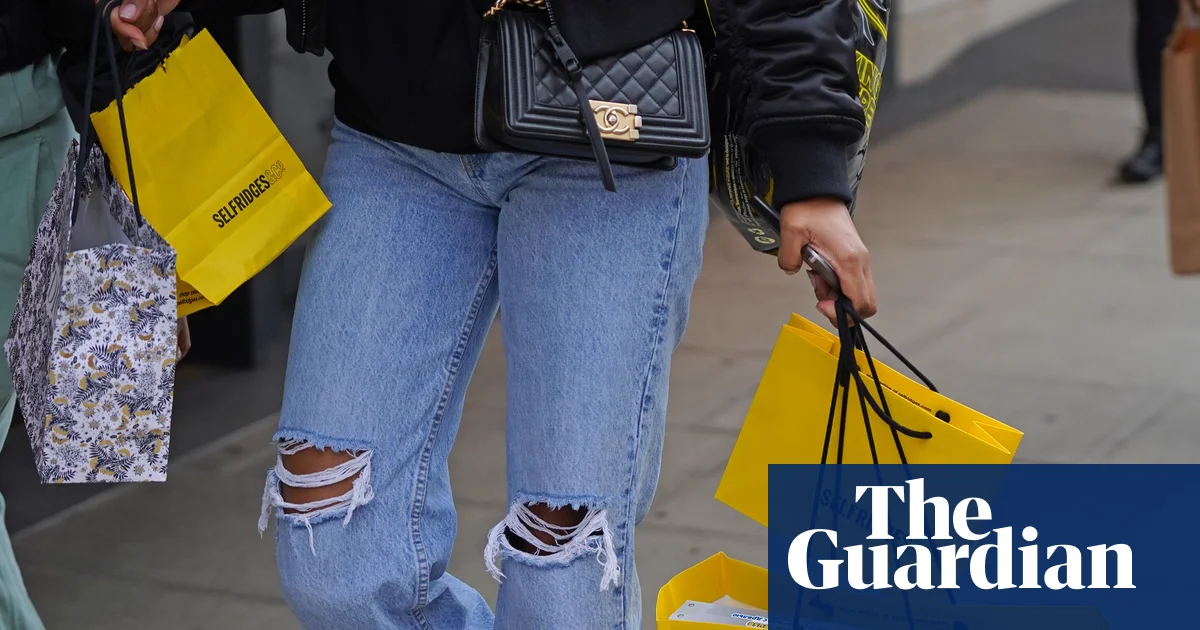
Selfridges pins tourist dip for luxury sales decline, retail struggles continue

Global Economic Shifts Impacting Luxury Retail: The Case of Selfridges

In recent years, Britain’s once-thriving luxury retail sector faces mounting challenges, emblematic of broader geopolitical and economic upheavals that threaten the stability of its international appeal. Selfridges, a storied retailer known for attracting high-net-worth individuals and tourists from around the world, has reported its fifth consecutive year of losses, a stark indicator of how shifts in global travel patterns and policy decisions ripple across economies and societies. This decline is not merely a business concern but reflects a deeper, transnational shift that influences the social fabric and economic stability of the United Kingdom.

The decline in sales—7% over 48 weeks to January 2025—stem from a confluence of intra-national policy changes and macroeconomic pressures. Notably, the UK government’s decision to abolish tax-free shopping for tourists —a key attractant for international luxury seekers—has significantly impacted London’s famed shopping districts. This move, part of broader post-Brexit economic realignments, is viewed by analysts as detrimental to the nation’s status as a global shopping destination. Selfridges highlights that weaker consumer confidence, inflated luxury prices, and ongoing cost-of-living crises have drastically constrained spending on non-essential luxury goods, especially among the wealthiest international visitors who once flocked to the UK for exclusive shopping experiences.

Adding urgency to the narrative are geopolitical factors and international investments that shape the future of global luxury markets. In October 2024, Saudi Arabia’s Public Investment Fund acquired a 40% stake in Selfridges, signaling a strategic pivot toward consolidating influence in the global luxury sector. This move underscores a broader pattern of Global South states expanding their footprint into luxury retail, aiming to leverage both economic power and geopolitical influence. Such investments, as noted by international analysts, are part of a broader trend where sovereign wealth funds seek to redirect economic influence through cultural and consumer markets, potentially shifting the balance of power in luxury retail from Western stalwarts to emerging economic powers.

The UK’s economic and cultural standing with this evolving landscape is under real strain. As historians and policy analysts warn, these challenges mark a pivotal moment where decisions made today will resonate for generations. The decline of iconic institutions such as Selfridges echoes the shifting tide of economic influence and societal values. With retail giants positioning themselves amid geopolitical flashpoints, the future of UK’s luxury industry and its socio-economic stability will be determined by how effectively it navigates these turbulent waters. As the clock ticks toward what could be a transformative period in global history, the unfolding story of luxury retail stands as a testament to the enduring, often turbulent, march of history—where decisions made in boardrooms and parliaments today will inscribe their legacy into the annals of international relations, economic power, and cultural identity for generations to come.

Retail Spending Slumps in March as Young Consumers Tighten the Belt

The United States economy is experiencing a crucial inflection point that could have profound geopolitical repercussions in the coming years. Recent data from the Commerce Department reveal a decline in retail sales for March, with spending dropping by 1% compared to the previous month. While seemingly small, this decline exceeds analysts’ expectations and signals a potential slowdown in the world’s largest consumer market. The fall in consumer expenditure, particularly in departments such as general merchandise and gas stations, underscores a broader shift driven by retreating income expectations and lingering recession fears. Central to this economic shift is the impact of recent banking crises, which have fundamentally shaken investor confidence and prompted households to curb spending.

Economists and analysts note that this decline is not solely a short-term anomaly. Bank of America analysts suggest that the lull in refunds issued by the IRS—down by approximately $25 billion relative to last year—has dampened household liquidity, further constraining consumer activity. Simultaneously, the expiration of pandemic-era benefits has taken a toll on disposable income and spending power. How these decisions ripple through society becomes evident as household savings rates potentially decline and the specter of an impending recession looms larger. Despite these setbacks, some resilient fundamentals remain—such as a 2.9% year-over-year rise in retail spending and steady wage growth, albeit at a slower pace—yet the overall picture indicates signs of faltering consumer confidence.

The Federal Reserve and other global institutions watch these signals with caution. The latest employment figures do not indicate a collapsing labor market; employers added 236,000 jobs in March, yet the pace of growth is diminishing, and the Job Openings and Labor Turnover Survey reflects a 17% decrease from last year’s peak. Additionally, higher inflation expectations, fueled by rising gas prices, threaten to erode real wages and consumer purchasing power. This combination of tightening labor markets and inflationary pressures is forcing policymakers into a delicate balancing act, trying to stave off a recession while combatting inflation. Historian analyses point out that history shows such periods often precede significant geopolitical shifts, as economic downturns tend to strain international alliances and domestic stability.

The international community remains alert to the potential geopolitical fallout of America’s economic trajectory. Declining consumer confidence and rising inflation could prompt China and other rival powers to accelerate their strategic ambitions, sensing for opportunity as the U.S. grapples with internal uncertainties. Major global institutions like the IMF warn that a U.S. recession could destabilize emerging markets, which rely heavily on American trade and investment. This delicate web of interconnected economic and geopolitical forces underscores the vital importance of decisions made today. As analysts warn that the effects of recent banking turmoil and fiscal policies are still unfolding, the specter of history—where economic tremors evolve into full-blown crisis—serves as a stark reminder: the world’s balance of power is increasingly defined by these subtle yet profound shifts. The narrative of this ongoing chapter is written in the language of uncertainty, and only time will reveal whether the U.S.—and indeed the global order—can navigate this turbulent period without succumbing to the chaos of the fall.

Social Media Auto Publish Powered By : XYZScripts.com



