Matox News

Truth Over Trends, always!

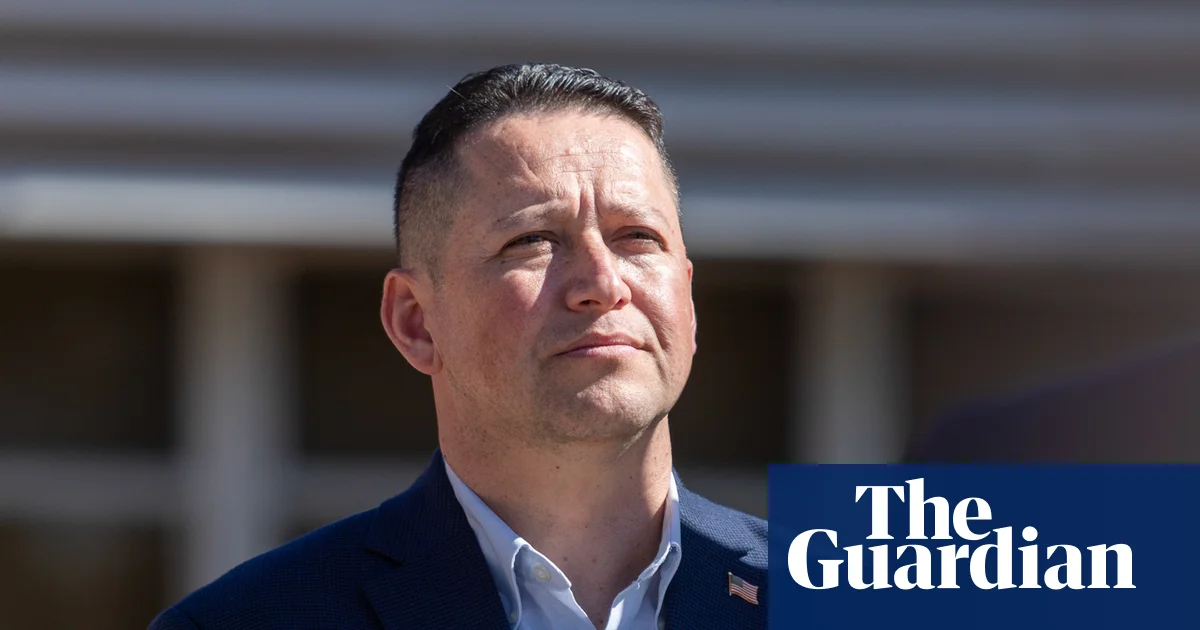
Texas lawmaker confesses affair with aide who tragically took her own life, House hearings reveal

In a raw display of personal scandal intersecting with national political drama, US House representative Tony Gonzales, a seasoned Republican from Texas, publicly acknowledged an extramarital affair with an aide who tragically took her own life last year. The revelation, made during an interview with conservative media personality Joe Pags, has added a new layer of turbulence to Gonzales’s political career, coming amidst an ongoing ethics investigation into allegations of misconduct within his congressional office. Such domestic turmoil in a leader from a pivotal U.S. border state underscores how personal flaws can cast long shadows over a politician’s role on the national and international stage, especially as the U.S. grapples with complex issues like border security, immigration, and internal polarization.

The House ethics committee swiftly opened an investigation, citing concerns over potential sexual misconduct and unfair privileges involving Gonzales and his staff. As the top Republican and Democratic members jointly emphasized, this inquiry aims to uncover whether Gonzales abused his office or engaged in any discriminatory conduct—charges that threaten to rattle the political landscape further. Gonzales, who has declared his intention to remain in office, insists that the full truth will emerge and has expressed remorse, claiming reconciliation with his wife and faith as guiding principles through the controversy. Yet, the undercurrents of this story resonate beyond mere personal morality: such scandals have historically shaken political systems, fueling public disillusionment and emphasizing the fragility of leadership in a nation grappling with internal discord.

Adding a profound layer of tragedy, recent reports reveal that the aide involved, Santos-Aviles, died by setting herself on fire in her Texas home, an event marked as a suicide. Text messages obtained by media indicate that the affair was known to her husband before her death, stunning observers and raising questions about the intersection of personal despair and political scandal. This personal tragedy, intertwined with Gonzales’s own disclosures, echoes a broader narrative of societal erosion where the fallout from political misconduct spills into private lives—challenging how nations view accountability, morality, and the human toll of public service. Commentators and historians alike warn that such incidents threaten to deepen societal divisions, erode trust in institutions, and serve as cautionary tales for political figures.

  • The investigation into Gonzales’s conduct underscores how internal political ethics can influence broader geopolitical stability, especially when seasoned diplomats and leaders are seen as ethically compromised.
  • The U.S. domestic scene mirrors global fears of corruption, moral decay, and the consequences of unchecked power—issues that resonate with international audiences tracking democratic resilience in an era of upheaval.
  • Historical analysts argue that scandals like Gonzales’s often trigger reform calls—and, at times, power shifts—alerting other nations to the importance of integrity in leadership on the world stage.

As the saga unfolds in Texas, it leaves the world pondering the pervasive reach of personal failure into the corridors of international influence. What does this scandal suggest about the moral fabric of Western democracies? Will it serve as a catalyst for reform, or deepen public apathy and cynicism? With each new revelation, the stakes rise—not just for Gonzales and his constituents, but for the fragile weave of global stability that depends on trusted guardians of democracy. The stories we witness today are more than isolated incidents; they are pages in history’s ongoing narrative—a narrative where decisions made behind closed doors echo loudly across continents, shaping the destiny of nations yet to come. As history watches silently from the shadows, the weight of the moment underscores one unalterable truth: the choices and failures of today will, in time, define the legacy of tomorrow’s world.

Get Ready for the Nothing Phone 4a in Pink: Exclusive Photos and Video Reveal the Trendy Release

The Anticipated Reveal of the Nothing Phone 4a: A Shift Towards Understated Style

In a social media age dominated by flashy gadgets and high-profile leaks, Nothing has managed to craft a buzz that’s refreshingly understated—yet undeniably influential. With the official launch date for the Nothing Phone 4a set for March 5, previews have already stirred curiosity, and the latest reveal of a subtle, pinkish hue is capturing attention across youth-centric tech circles. Unlike traditional phones that often rely on loud colors and ostentatious branding, this device embodies a quieter form of expressive style—one that resonates with a generation seeking authenticity and depth.

A New Shade of Minimalism: The Significance of Color Subtlety

What makes the pink motif so intriguing isn’t just its hue but what it symbolizes: a shift in societal behavior. Lucy Birley, Colour Material Finish Design Lead at Nothing, explains that the color is “desaturated red,” which, when combined with transparent resin, creates a fascinating depth—something that’s more than just surface level. This approach celebrates minimalism with a twist, emphasizing liveliness and personality through subtle design choices. It’s a move away from the stereotypical “bright and loud” aesthetics and toward a more contemplative, almost rebellious, form of self-expression. In an era where social media feeds are coral and neon saturated, the Nothing approach offers an alternative—less about shouting, more about *speaking softly* and showcasing sophistication beneath simplicity.

The Cultural Impact of the Nothing Brand

Founded on the principle of reimagining “boring tech,” Nothing has become more than a brand; it’s a social statement. Influencers and tech watchers like Marques Brownlee have highlighted its unique design language, which leans into transparency and minimalism, aligning seamlessly with a youth demographic increasingly skeptical of flashy consumerism. What’s remarkable here is how the brand taps into broader societal shifts: a desire for authenticity, a rejection of excess, and a craving for products that reflect individual identity without shouting for attention.

From sociologists like Dr. Sarah Johnson, who study digital identity, to trend analysts charting the rise of “quiet luxury,” it’s clear that the Nothing Phone 4a encapsulates a cultural shift. This device isn’t merely a piece of technology but a lifestyle statement that champions restrained style while still making a bold social impact. It invites users to consider: In a world dominated by noise, is the future of fashion and technology already leaning toward this minimalist rebellion?

What’s Next? The Big Question About the Future of Subtle Trends

As Nothing prepares for its full reveal, one question looms large: are we witnessing the dawn of a broader cultural movement towards understated elegance? The upcoming launch might redefine what is considered “trendy” in tech and fashion—where less is truly more. With younger consumers increasingly valuing meaningful design over ostentatious displays, this trend could ripple across industries, from clothing to digital spaces. If the Nothing Phone 4a succeeds in cementing its style as more than just a gimmick, it might just inspire a generation eager to embrace authenticity in every aspect of their lives. The real question is: how much influence can a subtle change have when it speaks so loudly about the future of social taste?

New records reveal US citizen shot by federal immigration agent last year—under Trump admin

Unveiled Tragedy: The Deadly Shooting in Texas and Its Geopolitical Ramifications

In a case that embodies the murky intersection of domestic law enforcement and international border security, newly released records reveal a US citizen, Ruben Ray Martinez, was fatally shot last year by a federal immigration agent during a late-night traffic stop on South Padre Island. The incident, which took place in March 2025, remained under wraps for nearly a year, with authorities only releasing fragmentary details amid mounting questions about transparency and accountability. This tragedy is not an isolated event but part of a broader pattern—at least six deadly shootings by federal officers since the inception of a nationwide immigration crackdown under President Donald Trump’s administration. Such episodes illuminate an unsettling shift in the role of federal agencies in domestic law enforcement and raise pertinent questions about the impact on civil liberties and sovereignty.

From the perspective of international security and geopolitical impact, the incident underscores how U.S. immigration policies directly influence internal stability and perceptions abroad. As U.S. agencies intensify operations in territories bordering Mexico, especially amid the ongoing migration crisis, the risk of escalation and miscalculation increases. Analysts warn that such internal violence, often shielded from public scrutiny, can be exploited by foreign adversaries to undermine U.S. authority in the region. Moreover, controversies surrounding the incident have already ignited local protests and sparked accusations of excessive force—a phenomenon that echoes criticisms historically levied by international watchdogs against U.S. law enforcement.

According to documents obtained by

  • American Oversight

, the incident involved a Homeland Security Investigations (HSI) team collaborating with local police—highlighting the expanding role of federal agencies in routine law enforcement, especially in high-tension borders and tourist destinations. The shooting occurred after the driver, Martinez, allegedly accelerated towards an agent, prompting the latter to fire multiple rounds. Details remain scarce, with the names of the agents involved redacted; however, the incident raises crucial questions about treatment of civilians in police encounters and the lack of transparency that often accompanies federal operations. This opacity risks fueling distrust in institutions charged with enforcing the country’s laws, especially among communities of Hispanic descent, which are disproportionately targeted in immigration enforcement efforts.

From a broader geopolitical stance, international organizations like the United Nations and Human Rights Watch have long criticized such internal violence, framing it as symptomatic of a deeper crisis—that of mass migration, border security, and national sovereignty. Meanwhile, the U.S. government faces mounting pressure from segments of the media and political spectrum to justify these aggressive enforcement tactics. As historians and policy analysts observe, each of these incidents forms part of a larger narrative that could redefine America’s domestic and international stature. Will the nation address these underlying issues or continue on its current trajectory, risking further escalation and international condemnation? The unfolding story of Ruben Ray Martinez’s death remains a critical warning—one that signals a reckoning on questions of justice, policy, and power that will shape the fabric of the nation for decades to come.

Australia updates: Dural ‘stronghold’ tied to Baghsarian kidnapping, NSW police reveal; Angus Taylor calls to ditch ‘net zero’ push

As 2026 unfolds, the world witnesses a series of seismic shifts that threaten to redefine geopolitics and global stability. From internal political tremors in Australia to sweeping changes in Europe and fragile peace negotiations in the Middle East, nations grapple with decisions that will echo through history. The choices made today set the trajectory for generations, and their impacts extend far beyond borders.

The recent developments in Australia exemplify the turbulence faced by democracies under pressure from both domestic political narratives and international expectations. The controversial shift by Angus Taylor and the Liberal Party’s declaration to abandon the previously embraced ‘net zero’ commitment signals a departure from global climate consensus. While the government asserts that this move offers flexibility, critics argue it undermines efforts coordinated through international climate accords. Analysts warn that this divergence could weaken Australia’s diplomatic standing and erode trust with allies committed to sustainability, further isolating a nation vital to the Indo-Pacific strategy. Historians caution that such policy reversals might be remembered as a pivotal moment where economic interests overrode environmental responsibility, casting shadows on the country’s global reputation.

Meanwhile, in the United Kingdom, the arrest of Andrew Mountbatten-Windsor at Sandringham on suspicion of misconduct has cast a spotlight on questions of accountability within the British monarchy. This unprecedented event ignites debates about tradition versus transparency, with international observers questioning whether the monarchy can adapt to the demands for moral integrity today. The fallout, if allowed to deepen, could influence Britain’s soft power and diplomatic alliances, especially as Europe faces its own challenges with regional unity and economic stability. Experts from the European Union warn that such internal struggles might embolden nationalist factions and threaten the unity of the bloc at a time when global powers are recalibrating their alliances.

Contrasting these internal political crises are the ongoing conflicts and security concerns in the Middle East. Reports from Syrian and Iraqi authorities confirm that over 5,000 detainees, including suspected former Islamic State fighters, have been transferred across borders. The potential for unrest or resurgence in extremism remains a troubling prospect for regional stability, drawing concern from international organizations like the United Nations. The transfer underscores the fragile balance of power in a region where diplomacy and military might intertwine dangerously. Should extremism reignite, it could trigger a broader security crisis impacting Europe and the United States, emphasizing how even regional disputes have global consequences.

In this high-stakes landscape, the decisions of today are shaping a world on the brink. The intertwined fates of nations—whether they choose resilience or retreat—carry implications far beyond their own borders. As the great historians of tomorrow sift through these moments, they may recount 2026 as a defining year—a year when the delicate fabric of international order trembled under the weight of rash decisions and forgotten commitments. History, with all its weight and consequence, continues to unfold, leaving a stark reminder: in geopolitics, the stakes are nothing less than the future of civilization itself.

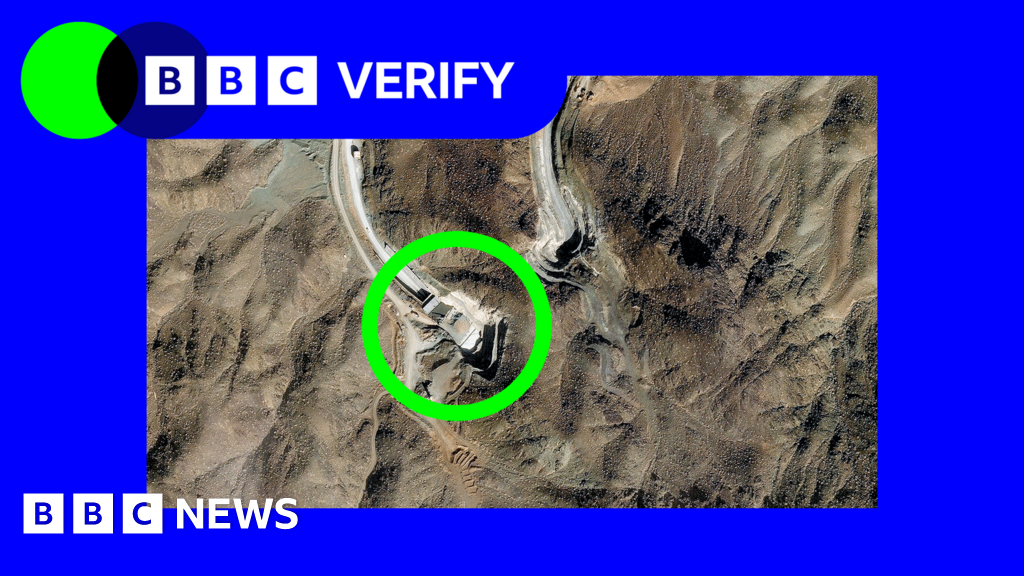
Iran bolsters underground complex near nuclear site, satellite images reveal

Recent developments in Iran’s nuclear program have once again placed the international community on edge, highlighting the fragile balance of power in the Middle East. According to intelligence reports, Tehran has made significant strides in constructing a new facility believed to be linked to their uranium enrichment activities. While Iran has previously claimed that such projects are solely for peaceful purposes, Western nations and international watchdogs remain wary, citing the potential for these developments to undermine regional stability and global non-proliferation efforts.

The size of the facility and its geographical advantages—notably, the protection offered by a tall mountain—prompted immediate concerns regarding its true purpose. Experts warn that the construction’s scale suggests more than just a typical centrifuge assembly plant. In fact, analysts from organizations like the International Atomic Energy Agency (IAEA) emphasize that such features could facilitate additional sensitive activities, potentially including uranium enrichment at a clandestine level. This raises a critical question: Is Iran inching towards developing a nuclear arsenal, or is this merely a strategic maneuver aimed at bolstering its regional deterrence?

Historically, Iran has tied its nuclear undertakings to the rebuilding of **advanced centrifuge assembly plants**, claiming these efforts are for civilian energy programs. Yet, geopolitical analysts and historians like Professor William Hartung argue that such activities often serve dual purposes—peaceful energy ambitions intertwined with clandestine weapons development. The potential breach of the 2015 Joint Comprehensive Plan of Action (JCPOA)—which sought to curb Iran’s nuclear capabilities—has destabilized negotiations and led to increased tensions. International organizations worry that a breakdown in diplomacy could reignite a nuclear arms race in a volatile region.

The geopolitical impact of these advancements extends beyond Iran and the Middle East. Allies of the United States and European nations are carefully recalibrating their strategies, emphasizing the importance of maintaining credible deterrence while avoiding escalation. The United Nations has called for renewed inspections and transparency, yet doubts persist about Iran’s willingness to fully cooperate. Such developments threaten to undermine decades of diplomatic efforts, opening a new chapter of uncertainty—where the outcome hinges on whether global leaders can prevent history from repeating itself or whether they will be drawn into another conflict fueled by nuclear ambition.

As the world’s eyes remain fixed on Iran’s clandestine activities, the question persists: Are we witnessing the dawn of a new nuclear竞赛 or merely an assertion of regional power by Iran? The weight of history is unyielding, and nations stand at a crossroads—either fostering diplomacy to avert catastrophe or abandoning the fragile peace for the chaos of war. What unfolds next could redefine the balance of power in the 21st century, leaving an indelible mark on the pages of history yet to be written.

Leaked Files Reveal Epstein Gave $75K to Accounts Tied to Mandelson

In an unfolding controversy that resonates across the international landscape, Lord Mandelson, a prominent figure in United Kingdom politics, has issued a statement casting doubt over serious allegations. Addressing claims related to financial transactions and the authenticity of contentious documents, Mandelson declared, “I have no record or recollection of receiving the sums and do not know if the documents are authentic.” His remarks have sparked a wave of scrutiny among analysts and policymakers alike, emphasizing the fragility of trust in high-level political communication amidst escalating allegations.

The matter’s gravity extends beyond individual reputation, touching on the broader geopolitical impact, especially considering international concerns about transparency, accountability, and influence operations. As political tumult brews, experts suggest that such conflicts can undermine public confidence in institutions, fueling further instability. The situation is particularly sensitive given the historical context of political scandals involving financial misconduct in global power centers. The role of international organizations such as INTERPOL and the United Nations becomes critical in mediating these disputes and ensuring a transparent inquiry that upholds the rule of law.

Historically, documents of dubious authenticity have often served as catalysts for diplomatic crises or public civil unrest. As noted by leading geopolitical analysts, perceptions of concealment or deception can swiftly escalate tensions among nations, especially when such allegations threaten to implicate influential international actors. The controversy also raises questions about the vulnerabilities of political figures in the digital age, where false documents and misinformation campaigns can swiftly sway public opinion or influence diplomatic negotiations. The stakes are evident: when trust erodes at the upper echelons of power, the entire societal fabric risks fraying, jeopardizing peace and stability in vulnerable regions.

As this saga unfolds, the world stands at a precipice, awaiting new revelations that could alter the course of diplomatic relations and internal politics. Will the truth come to light, illuminating the shadows cast by distrust and deceit? Or will these murky waters continue to obscure accountability, leaving history to judge the silent, tentative steps toward justice? In an era where information is both weapon and shield, the ongoing tug-of-war over credibility holds profound implications for the future of global governance. Only time will reveal whether the decisions made in the coming weeks will cement a new chapter of transparency or entrench the darkness of political obscurity, forever echoing in the corridors of history.

Exclusive: Rare Photos Reveal Hidden Side of Epstein’s Island

In a development that continues to shake the foundations of international justice and expose the shadows lurking in the corridors of power, democratic lawmakers in the United States have recently released unprecedented images and videos from Jeffrey Epstein’s private island, Little St James. These revelations come amidst mounting pressure on the Trump administration to declassify a broad range of files relating to Epstein’s criminal enterprise. As the world watches, the implications of these disclosures threaten to ripple across countries and societal structures, challenging narratives of justice and transparency at the highest levels.

The newly surfaced imagery, characterized by detailed room layouts, personal artifacts, and disturbing scenes of abuse, serve as stark evidence of Epstein’s extensive and heinous crimes. The images depict opulent residences, including bedrooms, a room with masks on the wall, and even a dental chair amid other cryptic signs that victims and investigators believe are connected to human trafficking and exploitation. According to historians and analysts, such explicit visuals are a turning point—shedding light on the underbelly of a global network that may have involved influential figures from multiple nations. The U.S. Virgin Islands authorities have previously settled for over $105 million in a case alleging trafficking and abuse, yet many questions remain unanswered about the extent of Epstein’s international links.

This case exemplifies how decisions made within judicial systems and government agencies impact entire societies. The ongoing fight to release Epstein-related documents, including those held by the Department of Justice, exposes a broader struggle: whether accountability extends beyond local jurisdictions to influence global power dynamics. The newly released images, which include a walk-through video of Epstein’s island, hint at a carefully curated lifestyle of wealth and secrecy, while masks and other artifacts suggest a sinister undertow of intimidation and cover-up. Experts warn that withholding information under the guise of protecting ongoing investigations risks further eroding public trust—especially as prominent figures’ names potentially entwined in Epstein’s circle still remain shielded from scrutiny.

As international organizations and political actors debate the scope and timing of declassified files, the geopolitical impact becomes increasingly evident. The United States finds itself at a crossroads where transparency could lead to seismic shifts—possibly implicating foreign officials and altering diplomatic relations. The pressure on Attorney General Pam Bondi and the President to release these files underscores a wider debate about justice, sovereignty, and the accountability of the global elite. How nations will respond to the unveiling of such truths remains to be seen, but one fact is undeniable: the revelations mark a harbinger of change, forcing the world to confront uncomfortable realities.

In the ongoing narrative of political intrigue and justice, the imagery from Epstein’s island underscores a harsh reality—power often masks profound darkness, and accountability is a battle hard-fought at the crossroads of history. As the files are gradually released, with most expected by December 19th, the world holds its breath, knowing that this story is far from over. The play of shadows and light continues, and in the unfolding tapestry of this scandal, the most enduring question remains: who will be the last to reckon with the truth, and what shadows will emerge when history dares to look into the abyss?

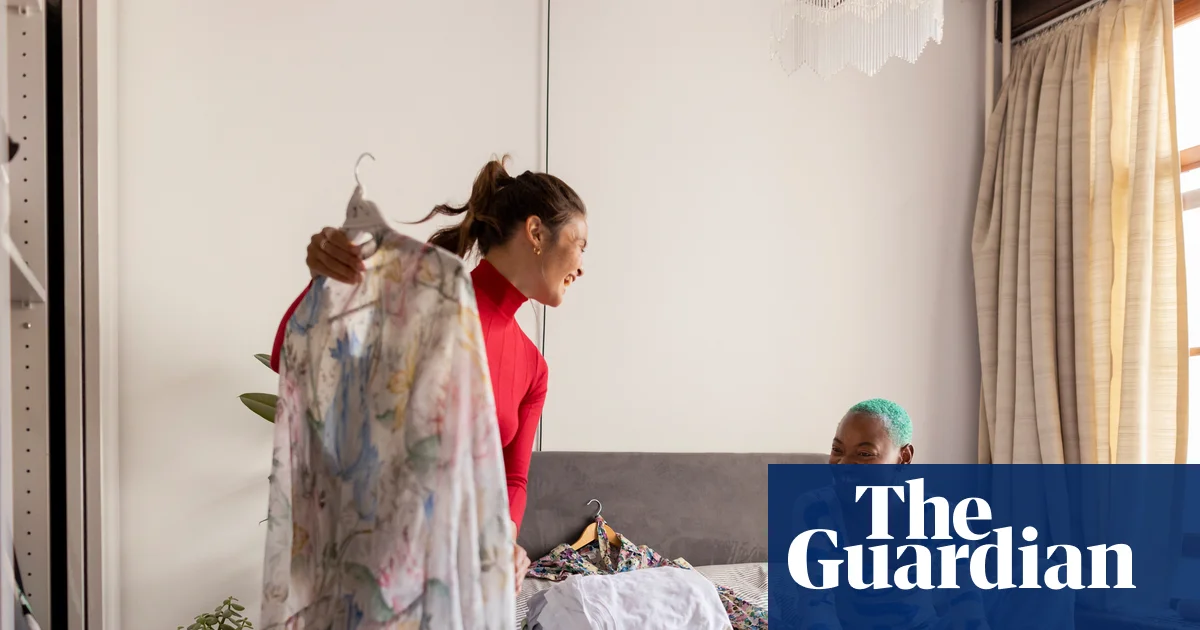
Inside Our Vinted Wishlists: How Underboob Dresses and Midlife Knitwear Reveal Youthful Style Secrets

In an era where fast fashion seems increasingly disposable, a new wave of consumer behavior rooted in sustainability, nostalgia, and social identity has emerged, propelled by platforms like Vinted. Originally launched in Lithuania over a decade ago, Vinted has skyrocketed in popularity, particularly during the pandemic’s peak when many young people began to rethink their relationships with clothing. It’s not just about saving money; it’s about curating a version of oneself that aligns with values of authenticity, individuality, and eco-consciousness. This phenomenon is reshaping how we view fashion, transforming wardrobe swapping into a social and even political statement with a deep cultural impact.

At the heart of this shift is the cultural significance of the “Favourites” list—a digital reflection of our subconscious desires, social signals, and personal identity. Writers and influencers now openly debate what their Favourites reveal about their latest life phase or social aspirations. For instance, an eclectic collection of items, from leather trousers once associated with midlife crises, to trend-driven statement pieces like daring underboob dresses, serves as a mirror to our evolving self-image. Sociologist Dr. Emily Robertson explains that platforms like Vinted facilitate a form of social experimentation, allowing users to navigate between who they are and who they want to be—without the pressure of traditional retail or fast fashion’s fleeting trends.

This phenomenon is undeniably socially relevant. It signals a generational shift where identity, sustainability, and social status intertwine through the act of buying and selling clothes. Influencers such as Emma Loffhagen and Jason Okundaye exemplify this with their curated Favourites, each item representing moments of introspection—whether it’s battling midlife insecurities or healing inner childhood wounds through standout stripes or mod-inspired knitwear. The act of scrolling, favoriting, and purchasing becomes a form of digital storytelling, with each piece echoing broader cultural narratives about self-expression, economic empowerment, and the desire for authenticity. The social relevance is amplified by the fact that, in a world flooded with mass-produced nonsense, these curated virtual closets convey a sense of control and uniqueness—an antidote to the homogenized consumer landscape.

Yet, as we step into this disposable digital cabinet of curiosities and curiosities, a provocative question emerges: Are we on the verge of a new cultural revolution where our online wardrobes are not just expressions, but actual influences on societal values and economic models? The next big question isn’t just how platforms like Vinted shape individual identities but whether this behavior could ultimately challenge the entrenched norms of fast fashion and corporate retail. The enduring allure of vintage, designer resale, and the ability to craft a personal, sustainable fashion narrative raises the possibility that the future of style is less about what’s trending and more about what we actively *curate* and *share*—revealing more about who we are and what we stand for. As this trend continues to evolve, the ultimate cultural experiment may be whether the act of dressing ourselves could become the most powerful form of social activism in the years ahead.

Nearly a million youth remain out of work or school, new stats reveal

The Rising Challenge of Youth Disconnection in Society

Recent statistics from the Office for National Statistics (ONS) reveal that nearly one in eight young people aged 16-24 in the UK—approximately 946,000 individuals—are classified as Neet: not in education, employment, or training. This figure, though marginally lower than previous quarters, remains alarmingly high, especially considering the cyclical trends that have persisted over the past decade. Historically, the Neet population surged to over a million during the aftermath of the 2008 financial crisis, emphasizing how economic downturns exacerbate social divide, impairing the fabric of families, communities, and social mobility.

This persistent demographic fracture disproportionately impacts communities across socio-economic spectra, yet it aligns strongly with moral and societal concerns. The majority—over 580,000—are classified as economically inactive, largely due to rising long-term sickness and mental health conditions. Cultural shifts, such as the increased awareness and diagnoses of mental health issues among youth—evidenced by nearly 20% of Neet individuals experiencing mental health challenges—highlight a pressing need to address the human toll of societal neglect. Social commentators warn that neglecting the root causes of youth disconnection risks perpetuating cycles of poverty, crime, and family instability, thereby threatening social cohesion and the future of generations.

Societal Impact: How Disconnection Disrupts Families and Communities

The ripple effects of youth unemployment and disengagement reach far beyond individual hardship, influencing family stability and community well-being. Families suffer when young members are deprived of meaningful opportunities to build independent lives. As sociologist Dr. Caroline Jackson notes, “Young people without access to stable employment or education often face fractured family dynamics, reduced self-esteem, and increased dependence on social services.” This phenomenon compounds social tensions, especially in communities already vulnerable to deprivation and disenfranchisement. Schools and local institutions are bearing the brunt of an increasing number of youth facing mental health crises, which hampers their ability to engage with learning and development, creating a cycle that becomes progressively difficult to break.

Efforts like the government’s recent “Youth Guarantee” scheme aim to mitigate these issues by providing guaranteed access to education, training, or paid work. However, critics argue that without addressing the underlying social and psychological barriers—such as mental health challenges and long-term social exclusion—such policies may fall short. Education experts warn that neglected youth are at risk of falling into a socio-economic abyss, eroding community strength and societal resilience.While initiatives like the Spear Programme are making strides in coaching young people, gathering empirical evidence suggests that more systemic approaches—including mental health support and targeted community engagement—are essential to reversing this trend.

Pathways to Societal Renewal and Hope

Addressing youth disconnection requires a multipronged strategy that combines economic opportunity with moral and social responsibility. The government’s plans for a “Youth Guarantee” and linked measures—such as mandatory work placements for long-term benefit claimants—represent steps toward fostering accountability and opportunity. Yet, social commentators emphasize that employers must embrace a more inclusive vision that values motivated, less-qualified young people, recognizing that potential often resides beyond academic credentials alone. The insights of sociologist Anthony Giddens remind us that “a society’s strength hinges on its ability to nurture hope and resilience among its youth—those who are destined to be the architects of its future.”

Ultimately, society faces a reflection: will we continue to observe the silent suffering of millions of young people trapped in a cycle of inactivity, or will we rally to forge pathways that empower them? The stories of Nathan and others like him evoke a future where hope is more than a word—it’s a collective mission. As communities, families, and institutions confront the challenges ahead, their resilience may yet seed a transformation—one that rekindles the promise of opportunity and restores the moral fabric of society for generations to come.

Undercover cop fakes animal rights gun scheme, managers reveal at inquiry

Unfolding Shadows: The Undercover Police Inquiry Exposes Decades of Deception

The undercover policing inquiry in the United Kingdom has unveiled a disturbing pattern of duplicity, manipulation, and questionable operations spanning over four decades. At the heart of the revelations is James Thomson, an officer whose actions have cast long shadows over the legitimacy of covert state surveillance against political activists. The inquiry, which scrutinizes the activities of nearly 140 officers who assumed false identities from 1968 to at least 2010, exposes profound questions about civil liberties, state power, and accountability. As allegations emerge of lies, deceptive relationships, and manipulation, the geopolitical impact of such clandestine operations extends well beyond the UK, calling into question the integrity of governments committed to restricting freedoms in the name of security.

Historians and analysts argue that the deep-seated misuse of undercover tactics destabilizes the societal trust necessary for democratic accountability. The inquiry has revealed that Thomson, tasked with infiltrating activist groups, often fabricated threats and plots—some resulting in dubious arrests or public hysteria. For example, he claimed to have uncovered a plot involving animal rights activists seeking revenge with a gun aimed at a political opponent, a narrative he and his managers later doubted. Internal reports have cast doubt on the credibility of these alleged plots, with one manager explicitly describing the entire affair as “bollocks.” This raises crucial questions about how much of the state’s narrative is built on fabricated intelligence. If such fabrications originate at the highest levels, the implications threaten to undermine the legitimacy of entire cohorts of covert operations, potentially leading to widespread mistrust in law enforcement agencies worldwide.

Beyond the operational doubts, the inquiry has cataloged unethical behaviors, including the systemic manipulation of innocent individuals. Thomson deceived women into intimate relationships, lied about his identity, and even concealed travel and possession of firearms—actions that constitute serious breaches of trust and law. His claims of receiving a gun from contacts in France during the early 2000s, purportedly to prevent a violent plot, were later questioned by colleagues who believed he might have invented or exaggerated the story. Meanwhile, a witness—the activist accompanying Thomson during his alleged trip to France—testified that their week-long stay was nothing more than a holiday. Such revelations underscore how inner secrecy and deception tainted the agency’s role, often blurring the line between intelligence work and personal exploitation, thus eroding the moral authority of the state.

The international repercussions of these revelations resonate globally. Critics argue that covert operations, especially those that manipulate public perceptions or infiltrate civil society, risk creating conflicts both domestically and abroad. As Western governments face increased scrutiny, the danger lies in how such clandestine programs may serve as tools for political suppression or influence operations beyond national borders. The United States, Russia, and other nations with extensive intelligence apparatuses face growing pressure from international watchdogs and human rights organizations who warn that unchecked spying fosters authoritarian tendencies and diminishes global trust in institutions dedicated to safeguarding freedom. The European Union and United Nations continue to debate stricter oversight, but behind closed doors, covert powers remain deeply embedded, reminiscent of Cold War espionage and now driven by new-age fears of terrorism, extremism, and social upheaval.

As history’s pen continues to etch this chapter, the weight of these revelations signals a turning point—a stark warning that state power wielded without accountability risks straying into the abyss of tyranny and abuse. The story of James Thomson and the UK’s secretive undercover operations serves as a stark reminder. How far can the state go in the name of security before it becomes the very enemy it seeks to fight? With the unfolding of these dark secrets, the broader question remains: will the architects of these covert realms acknowledge the harm wrought or double down on secrecy and deception? This chapter in history is far from complete, and as the world watches, the shadows lengthen, casting a long, uncertain future for liberty and transparency.”

Social Media Auto Publish Powered By : XYZScripts.com