
Matox News

Truth Over Trends, always!

‘A New Normal’: Inquiry Reveals How Covid Reshaped British Society for Good

The conclusion of the Covid-19 inquiry signifies more than a formal end to government investigations; it serves as a stark mirror reflecting the profound societal wounds inflicted by a global crisis. For nearly three years, this inquiry has dissected myriad facets of pandemic management, revealing unsettling truths about how social issues have reshaped families, challenged institutions, and strained communities. At the heart of these revelations lies a grim depiction of a nation grappling with the aftermath, where mental health crises, social neglect, and systemic vulnerabilities threaten to fracture the social fabric.

One of the most troubling findings relates to the surge in mental health issues among the young. Experts testified that during lockdowns, the demand for mental health services spiked dramatically, with many previously unaffected individuals seeking help from charities such as Mind. Due to the abrupt shutdown of statutory services, families witnessed loved ones, particularly children and teenagers, descend into distress, marked by increased rates of self-harm, eating disorders, and suicidal ideation. Social commentator Dr. Sarah Hughes emphasized that the relentless media coverage and a pervasive sense of crisis left young minds in a state of constant anxiety, disrupting their ability to grieve and process loss. The trauma of being unable to hold proper funerals during this time has left a legacy of complex grief, one that community and mental health institutions are still ill-equipped to address adequately.

Meanwhile, the public’s attitude towards essential workers deteriorated under the weight of pandemic stress. As the inquiry highlighted, many key workers faced verbal abuse, intimidation, and dehumanization while enforcing social distancing and health regulations. Transport workers, cleaners, and healthcare staff bore the brunt of a society riddled with frustration and fear, often becoming targets of violence and threats, exemplified by the tragic case of Belly Mujinga, a railway worker who succumbed to Covid after being spat at on duty. These incidents underscore a broader social malaise—an erosion of mutual respect and recognition for those who kept society afloat during its darkest hours. Labour union leaders have argued that this normalization of hostility has long-term implications for community cohesion, further alienating those who serve as the backbone of our daily lives.

The crisis also cast light on critical failings within the housing and social support systems. Governments swiftly responded with the Everyone In initiative, temporarily housing rough sleepers in hotels to mitigate health risks. However, the long-term consequences have been troubling: the normalization of temporary accommodations as an acceptable form of housing. As the social housing sector grapples with these new realities, experts warn that this approach undermines stability for vulnerable populations and exacerbates mental health crises. Shelters and charities report an increase in severe psychological distress, with staff untrained to handle such complexities, raising important questions about the structural weaknesses in our social safety net. This calls for an urgent reassessment of emergency planning, emphasizing the need for resilient, humane models of support that prioritize long-term stability over short-term fixes.

Most poignant are the stories of disabled individuals caught in a vacuum of support and safety. Evidence from the inquiry shows that the withdrawal of social care services and ongoing fears of infection have left many disabled persons isolated and vulnerable. Experts have documented cases where high anxiety, compounded by the loss of trusted routines and healthcare, resulted in tragic outcomes—such as young women turning to harmful coping mechanisms like self-harm with bleach. These narratives exemplify how a society’s moral fabric is tested when it leaves its most vulnerable behind, often devaluing their existence with dismissive messaging about “underlying conditions” and mortality statistics. As Professor Nick Watson from Glasgow University pointed out, the erosion of trust and sense of safety is a wound that will take years to heal, demanding a societal reckoning about how we care for those who depend on our collective compassion.

Reflecting on the enduring scars of the pandemic reveals a society at crossroads: one where social cohesion, moral responsibility, and community resilience must be rewoven with intention and care. It is a challenge for communities to confront uncomfortable truths—about neglect, stigma, and systemic fragility—and to forge a future rooted in dignity and respect for all. The hope of renewal lies in recognizing these social lessons not as failures but as catalysts for meaningful transformation—an acknowledgment that society’s true strength resides in its unwavering commitment to nurture and protect its most fragile members.
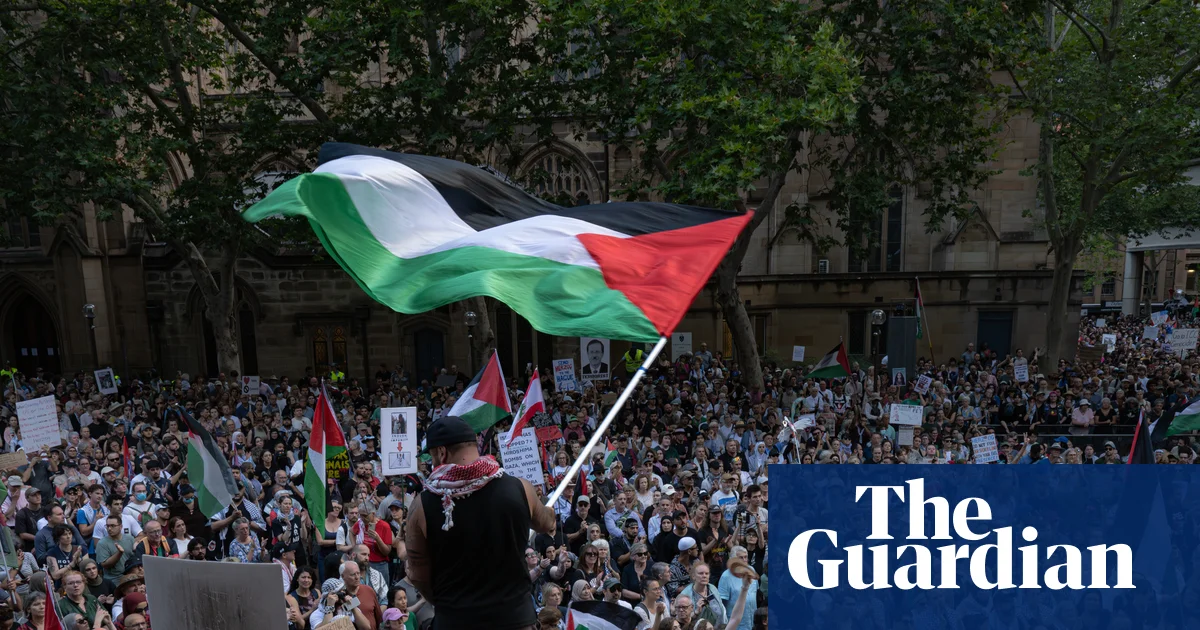
Minns Government's Overreach: Protest Restrictions Fail to Deliver, Constitutional Challenge Reveals | NSW
Minns Government’s Overreach: Protest Restrictions Fail to Deliver, Constitutional Challenge Reveals | NSW

Australia finds itself at a critical crossroads as new legislation aimed at curbing protests in Sydney’s CBD is challenged in court, reflecting larger global debates about security, civil liberties, and social cohesion. The NSW government’s recent anti-protest law—enacted in response to a terrorist incident at Bondi—restricts the use of the Form 1 system, a legal tool historically employed to facilitate peaceful demonstrations and negotiate between protesters and authorities. However, critics argue that these measures threaten the very fabric of democratic expression and impose unjust limits on constitutional freedoms.

Legal representatives for groups including the Blak Caucus, Palestine Action Group (PAG), and Jews Against the Occupation ’48 appeared before the court, asserting that the law “impermissibly burden[s] the implied constitutional freedom of communication” essential to political discourse. Lawyer David Hume SC questioned the legitimacy of targeting protests to “enhance social cohesion,” alleging that such restrictions are not only unnecessary but also counterproductive. His argument underscores a broad concern among civil libertarians and international observers that the law mirrors policies seen in other regions where governments leverage security rhetoric to suppress dissent.

The NSW police have extended the public assembly restriction multiple times, citing unspecified community safety concerns rather than concrete intelligence. Such measures effectively prohibit protests in designated areas, including the recent rally against Israeli President Isaac Herzog’s visit, which turned violent. This pattern of enforcement raises alarms about the erosion of democratic rights during a period of heightened political tensions. Critics argue that the restrictions amount to a “fox guarding the henhouse,” allowing authorities to unilaterally decide which protests are permissible, thus undermining checks and balances that should safeguard democratic liberties.

Geopolitical Impact and Society

The implications of Australia’s approach extend beyond domestic borders, influencing regional stability and global perceptions of governance. International organizations and security analysts observe that laws labeled as “anti-terror” often serve as pretexts to consolidate executive power and silence opposition. Historically, countries that prioritize security over civil-liberties risk sowing social discord and fostering perceptions of authoritarian drift. In Australia, this has prompted scrutiny from historians and political analysts who warn that persistent restrictions on protest could lead to long-term societal fractures and loss of public trust in institutions that are supposed to protect democratic rights.

The debate over the legislation also mirrors larger geopolitical dynamics—particularly in the context of Australia’s alliances and regional role. While the government asserts the measures are necessary to combat extremism and maintain social order, critics warn these policies could backfire, fueling resentment and radicalization among marginalized communities. International institutions, such as the United Nations, have historically cautioned against overly broad security measures that infringe on fundamental freedoms—warning that societies risking this balance might ultimately weaken their social cohesion rather than enhance it.

As the court case unfolds, so too does the broader narrative of a nation grappling with its identity—ballasted by the weight of its history of protest and activism. Historians highlight that every attempt to silence dissent often echoes through generations, shaping perceptions of justice and freedom. The verdict in this case will inevitably influence future legislation, testing the resilience of Australia’s democratic principles. Like a shadow cast by history’s unfolding tapestry, the outcome of this legal challenge could determine whether the nation marches toward greater liberty or into the muted silence of authoritarian conformity—leaving the world contemplating the true cost of security in a fragile society.

Jess Cartner-Morley reveals the ultimate chill hack: Rock those jeans with heels for effortless chic

In a world constantly buzzed by fleeting trends and viral styles, there’s a timeless combo that continues to defy the churn of fashion cycles: jeans with heels. This look, often associated with effortless confidence and a sense of personal authority, has woven itself into the fabric of modern lifestyle aesthetics. As influencers like Victoria Beckham showcase this pairing in their street style, and sociologists analyze its social impact, it’s clear that this isn’t just about fashion — it’s a statement of autonomy and self-assuredness for a generation eager to redefine what authority looks like.

What makes this pairing fundamentally compelling is its cultural significance. Jeans have historically symbolized rebellion and democracy, transcending social hierarchies to become a universal staple. When elevated with a pair of heels, they morph into an expression of confidence and clarity that resonates deeply among young people seeking authenticity amidst a saturated media landscape. Fashion analysts highlight that the mathematics of silhouette—roughly speaking, the architectural strength of denim combined with the elongating, poised effect of high heels—creates a powerful visual language. It tells a story: a woman who owns her space, on her own terms, and with style that’s both practical and theatrical.

  • Versatility: Straight-leg jeans are the easiest to style with heels, whether pointed or almond-shaped for an elegant look or chunky for a more commanding silhouette.
  • Accessibility: Unlike luxury handbags or jewelry, the brands behind denim range from high-end to affordable, making the look ubiquitously attainable yet still rooted in exclusivity.
  • Social Signaling: Wearing jeans with heels is more than an outfit choice; it’s a *behavioral trend* that signals confidence, independence, and a willingness to stand out without overcompensating.

As cultural commentators note, the audible impact of heels—the crisp tap of heel tips on a hard surface—adds a layer of *theatre* and *presence* to this look, reinforcing the wearer’s command. This isn’t about dressing up just to turn heads; it’s about projecting an image of assured self-possession. From Victoria Beckham to the countless style icons sharing their versions of these ensembles on social media, the message is clear: confidence is the new chic. And it’s accessible, playful, and deeply empowering.

Fashion cycles may come and go, but the core appeal of jeans with heels persists because it taps into something deeper than trend: a collective desire for authentic expression and personal strength. Sociologists suggest that this ongoing style evolution reflects a broader cultural shift—embracing individuality while celebrating the shared language of style that connects generations. The question that remains, however, is whether this enduring fashion statement will evolve into something even more disruptive—perhaps a radical redefinition of authority in a society increasingly driven by personal authenticity and digital validation. Could the next frontier be less about the outfit itself and more about what it signifies in a world where self-made narratives are king?

Footage reveals key moments in Minneapolis deadly shooting

In a development that underscores ongoing tensions within the United States regarding immigration enforcement and law enforcement accountability, a tragic incident unfolded in Minneapolis involving federal immigration officers. Bystander footage has surfaced, capturing tense moments leading up to the fatal shooting of 37-year-old Alex Pretti. The recordings, shot from multiple perspectives, reveal a chaotic confrontation that has ignited controversy and intensified debates over federal authority and civil liberties in the nation’s heartland.

As details emerge, conflicting narratives from federal officials and state authorities have further muddled the incident’s circumstances. Homeland Security Secretary Kristi Noem claimed that agents fired “defensive shots” after Pretti allegedly “reacted violently,” presenting an account aligned with justified self-defense. Conversely, Governor Tim Walz dismissed the federal explanation as “nonsense” and “lies,” emphasizing a need for transparency and accountability. This internal dispute exemplifies the broader divide within American governance, where federal and state authorities seem increasingly at odds over immigration enforcement tactics and the use of lethal force.

The incident’s timing adds to its significance, occurring less than three weeks after the tragic killing of Renee Good, an American citizen shot by an immigration agent in similar circumstances. Such events have sparked nationwide outrage and raised questions about the overreach of immigration authorities operating under policy shifts favoring aggressive enforcement. Many analysts see these events as a reflection of a broader geopolitical and domestic struggle — one that tests the limits of federal power, the rule of law, and the safety of American citizens. International observers and rights watchdogs warn that unchecked force and lack of transparency threaten the social fabric of the nation, fueling suspicion and unrest across communities.

  • Key event: The deadly confrontation, captured on video, sparks nationwide debate on immigration and law enforcement conduct.
  • International impact: Foreign allies and adversaries scrutinize the U.S. for its internal stability, affecting diplomatic relations.
  • Potential consequences: Policymakers face mounting pressure to implement reforms that balance enforcement while safeguarding civil liberties, yet fears persist of increased militarization and societal division.

This incident highlights how decisions made in the corridors of power resonate profoundly. The policy environment has shifted towards a more assertive stance on immigration, with the federal government emphasizing national security over individual rights. These measures, while backed by some as necessary for national sovereignty, legal advocates warn threaten the very foundations of civil liberties. Who bears the weight of justice in such conflicts — the individual or the state? This question now haunts America’s conscience.

As the story continues to unfold—shrouded in conflicting accounts, political theatrics, and the relentless march of history—one thing remains clear: the choices made here will echo far beyond the streets of Minneapolis. They will shape the future of public trust, law enforcement policies, and America’s role on the world stage. The echoes of this tragedy serve as a stark reminder that in a world fraught with conflict and uncertainty, the line between order and chaos is often razor-thin, and the weight of history presses heavily upon the present.

BBC reveals Epstein’s UK flights included alleged British abuse victims—justice must be served.

In a development that underscores the persistent shadows cast by Jeffrey Epstein‘s murky international activities, a BBC investigation has revealed over 87 flights linked to the disgraced sex offender arriving in and departing from UK airports spanning nearly three decades. These revelations expose the shocking extent of Epstein’s entanglement with Britain, exposing how a man convicted of soliciting sex from minors was able to traverse borders with apparent impunity—raising serious questions about the integrity of international oversight and the efficacy of UK immigration policies.

Despite Epstein’s death in 2019, the emerging flight logs and documents suggest a disturbing pattern of ongoing activity well after his 2008 conviction. The fact that at least 15 flights occurred after the conviction, when Epstein was registered as a sex offender in the US, signifies glaring lapses in border security and potentially, a network of enablers within Britain. American lawyers representing his victims have criticized UK authorities for failing to launch a comprehensive investigation, emphasizing that the UK was a “centerpiece” of his operations. Analysts warn that this oversight not only hampers justice for victims but also signals a broader failure to recognize the danger posed by international traffickers—an issue the US and Britain must confront collectively, lest similar tragedies occur in the shadows again.

Furthermore, the involvement of British women in Epstein’s flights, including testimonies from survivors like Kate, exposes the depth of complicity that could have been overlooked or deliberately ignored. According to legal experts like Prof Bridgette Carr, trafficking cases often involve complex networks of professionals—from accountants to legal advisors—working in concert to facilitate these heinous crimes. The inability or unwillingness of UK police to pursue further inquiries, despite internal reviews, underscores a critical failure in safeguarding vulnerable populations. As historians and critics argue, these missed opportunities for justice could be remembered as one of Britain’s darker chapters—an era when the machinery of justice failed its victims, allowing predators to operate across borders with little accountability.

The geopolitical impact of Epstein’s UK connections extends beyond crime. It raises profound concerns about how international decisions influence societal fabric. Epstein’s trips to royal residences, and his frequent movements through London’s Heathrow and other airports, reveal the vulnerabilities in border policies—especially when short-term visa rules allowed US citizens with criminal convictions to slip under the radar. The U.S. authorities’ refusal to declassify Epstein-related files, despite the Jeffrey Epstein Transparency Act deadline, fuels suspicion that powerful interests may have concealed—either purposefully or inadvertently—links between Epstein and influential global figures. These revelations threaten to tarnish foreign relations, undermining Britain’s claim to moral authority on human rights and prosecution of sex crimes.

As the international community watches, the questions remain: who else was complicit? How many victims’ voices have been silenced by bureaucratic apathy or international diplomatic complicity? The unfolding story is not just about a single pervert’s depravity but a warning—an ominous reminder that the fabric of justice and sovereignty is fragile, especially when overshadowed by influence peddling and diplomatic interference. The tapestries of history are still being woven, and the next chapter remains unwritten. Will protocol and vigilance finally catch up with the dark corners of prescriptive diplomacy, or will the shadows of Epstein’s empire continue to cast a pall over global society, leaving generations to wonder what might have been saved, had they acted sooner?

UK sanctions RSF commander linked to Sudan massacre, BBC Verify reveals

In the turbulent landscape of Sudan, recent developments have cast a grim spotlight on the ongoing civil war that has shattered the nation for over two years. The collapse of fragile alliances between the Sudanese Armed Forces and the Rapid Support Forces (RSF) has plunged what remains of the country’s stability into chaos, with the city of el-Fasher emerging as a key battleground. The recent massacre uncovered there exemplifies the brutal reality faced by civilians caught in the crossfire, with international reactions intensifying as evidence of war crimes surfaces. The UK’s decision to impose sanctions on RSF commanders, including Brig. Gen. Al-Fateh Abdullah Idris aka Abu Lulu, underscores the severity of atrocities committed, further escalating geopolitical tensions.

The UK government denounced Abu Lulu’s role in the massacre, which was documented by BBC Verify showing him executing unarmed captives after the RSF seized el-Fasher, the last major stronghold in Darfur. The footage and satellite images revealing mass graves have triggered a surge in international outrage. UK Foreign Secretary Yvette Cooper stated that these events are “a scar on the conscience of the world,” and announced targeted sanctions, including travel bans and asset freezes, against key RSF figures. This response aligns with calls from historians and analysts who warn that such blatant acts of violence threaten to ignite a wider regional destabilization, potentially drawing in neighboring countries and international powers committed to maintaining order amidst chaos.

Adding fuel to the fire, the United States has announced its own sanctions targeting a network of companies linked to mercenaries recruited from Colombia—a move highlighting the transnational nature of the conflict. Reports indicate that hundreds of Colombian fighters, including drone pilots, have entered Sudan post-2024, fighting for the RSF. President Donald Trump’s recent social media post signals a renewed U.S. focus on Sudan, pledging to “start working on Sudan,” a clear effort to stem the chaos and prevent further regional spillover. Egypt, Saudi Arabia, and the UAE have also hinted at increased involvement, underscoring the geopolitical impact of the Sudanese civil war, which is now more than just internal strife but a chessboard for international influence.

As analyses from organizations such as the United Nations warn of potential escalations, the clash does not solely threaten Sudan’s sovereignty but risks igniting a broader conflict fueled by proxy powers. Each blow, each massacre, shapes the narrative of a nation on the brink—teetering between collapse and the dawn of a new chapter in history. With the arrest of Abu Lulu and the concerted sanctions by Western powers, there is a fleeting hope that justice may be served. Still, the shadows cast by these atrocities linger, and the story of Sudan continues to unfold, a stark reminder that in the midst of turmoil, history’s hand remains heavy, and the future remains unwritten.

Sali Hughes Reveals Her Top Hero Skincare Picks for 2025—Your Essential Beauty Guide for the Next Generation

Among the biggest breakthroughs in contemporary skincare this year is undeniably the Korean wave. Brands like Beauty of Joseon, Dr Althea, and Innisfree have captured a younger demographic eager for hydrated, youthful, glassy skin. This shift isn’t just about aesthetics; it embodies a cultural push towards kind and gentle skincare that emphasizes health, simplicity, and affordability. Influencers, YouTubers, and TikTok beauty gurus have amplified this trend, transforming Korean skincare into a social *movement* that challenges traditional standards and even disrupts established luxury skincare markets.

This new wave of beauty obsession is rooted in a broader societal craving for *authenticity* and *self-care that’s accessible*. Take the buzz around Beauty of Joseon’s Relief Sun Rice + Probiotics SPF50+: a product that merges effective sun protection with cultural significance, celebrating Korea’s rich heritage while pushing forward innovative yet affordable skincare. The product’s success underscores a societal shift: young consumers are favoring brands that combine heritage, efficacy, and value—rejecting overpriced, overly complex formulations in favor of straightforward, well-triggered solutions that can be part of daily life. According to sociologists studying Gen Z and millennial habits, this trend demonstrates a desire for products that reflect a smarter, more conscious approach to beauty—one rooted in provenance, science, and honest pricing.

Perhaps most notable is the disruption” caused by brands like The Ordinary. Its £13.50 GF 15% Solution anti-ageing serum has publicly shamed luxury brands charging over £200 for similar technology. This savvy positioning not only democratizes skincare but also speaks to a cultural shift: the younger generation prioritizes transparency and value. Top influencers and dermatologists praise such products as perfect for sensitive skin, paving the way for a new standard that questions the old hierarchies of skincare and beauty. It’s more than a trend; it’s a movement towards empowered, informed consumers demanding honesty and efficacy in their daily routines.

As mineral sunscreens like Sunsolve MD reclaim shelves worldwide, the future of sun protection looks distinctly modern and consumer-first. The rise of elegant, makeup-friendly zinc-oxide formulations indicates a societal desire for convenience without compromise. The anticipated UK launch of INN Beauty Project’s Mineral Sun Glow, a favored US product, exemplifies how a cultural shift towards accessible, high-performance SPF is gaining momentum, especially among youth seeking protection that seamlessly integrates into their aesthetic. This forebodes a future where effective, stylish, and affordable skincare becomes a non-negotiable staple.

In the end, the question facing the beauty industry is no longer merely about product innovation—it’s about understanding the social heart of these changes. As society’s values continue to evolve, will brands adapt to this new era of *authenticity, transparency, and affordability*, or will they risk being left behind in a cultural revolution driven by the youth’s demand for meaningful, accessible beauty? Only time will tell, but one thing is clear: this Korean-inspired shift is redefining what it means to truly care for your skin—and perhaps, for society itself.

Special Forces Boss Hid Worries Over SAS Conduct in Afghanistan, Inquiry Reveals

UK Special Forces Under Scrutiny: Allegations of Unlawful Killings in Afghanistan Shake International Trust

In a developing chapter of military accountability and international law, the ongoing inquiry into alleged war crimes committed by UK special forces in Afghanistan has unveiled disturbing evidence of a possible cover-up and systemic misconduct. Led by Lord Justice Haddon-Cave, the investigation has revealed chilling allegations that extrajudicial killings may have been sanctioned or overlooked by senior military figures, raising profound questions about Britain’s military ethics and adherence to international law. The revelations jeopardize not only the United Kingdom’s military reputation but also threaten to undermine the broader legitimacy of Western interventions in conflict zones.

At the heart of the scandal lies a whistleblower, known only by the codename N1466, who has accused high-ranking officials of ignoring clear warning signs of war crimes dating back to 2011. According to transcripts and testimony, N1466 detailed how concerns about unlawful shootings—resentfully dismissed by the chain of command—were met with an intent to conceal rather than rectify. Of particular gravity are accusations that special forces units carried out **shootings of children and unarmed civilians**, including a tragic incident where two toddlers, Imran and Bilal, were shot in their beds in 2012, with their parents killed during the raid. These reports not only evoke horror but also threaten to further destabilize public trust in the British military’s role abroad.

International analysts, including war crimes experts and human rights advocates, have expressed concern that such misconduct, if proven, could set a dangerous precedent. How nations handle allegations of misconduct in wartime impacts their standing on the global stage: failure to address, investigate, or prosecute these crimes may invite international sanctions or diminish the moral authority of Western allies. The UN’s Office of the High Commissioner for Human Rights and other global bodies have historically condemned extrajudicial killings, emphasizing the importance of accountability, especially when detainees are executed or evidence suggests weapons are planted on victims.

Revealed Patterns of Cover-Up and Systemic Issues

  • Allegations that military authorities ordered reviews of tactics to obscure evidence of unlawful killings, reflecting a potential **institutional effort to avoid accountability**.
  • Inconsistent official responses, with the Ministry of Defence claiming commitment to transparency while waiting for the outcomes of a probe that reveals troubling systemic issues.
  • Evidence suggesting a disproportionate ratio of killings to recovered weapons in raids, with repeated reports of detainees being shot after being taken along in operations. Such patterns raise questions about adherence to the Geneva Conventions and international humanitarian law.

This scandal echoes a broader debate about the limits of military power and the cultural forces within special forces units that may prioritize secrecy and success over legality and human rights. Historians and security analysts warn that if these allegations are true, it could irreparably damage the UK’s international reputation, casting a shadow over previous military achievements and calling into question the moral integrity of the forces involved. As one veteran remarked, “We didn’t join UKSF for this—children shot in their beds or random killings. It’s not what being ‘special’ or ‘elite’ should stand for.”

The Road Forward: Justice or Denial?

As the inquiry continues, the weight of potential justice hangs heavily in the balance. The international community watches cautiously, aware that how Britain addresses these allegations may influence future standards of conduct for all military forces involved in complex conflicts. The outcome may determine whether the legacy of the UK’s special forces is one of heroism or shame, shaping global perceptions of Western military intervention for generations to come. In the shadows of history, it is the decisions made today—whether to confront or conceal—the ones that will ultimately define the moral framework of a nation torn between security and justice.

Jess Cartner-Morley reveals how the countryside style is making a fresh statement—ditch the flat cap clichés and stay ahead of the trend game

Every decade, the fashion industry seems to experience a cyclical retreat to The Countryside. But this isn’t just about a nostalgic throwback to pastoral living; it’s a cultural shift rooted in our collective longing for authentic, wholesome experiences amid a digital era that often feels overwhelming and disconnected. This seasonal trend, resurrected in recent months, is shaping not only how young consumers dress but also how they seek meaning and social relevance in their lifestyle choices. Influencers on platforms like TikTok and Instagram are championing this movement, showcasing a new kind of rural-inspired style that celebrates wholesomeness without the clichés of fishing hats and oversized flannel shirts.

What makes this reimagined countryside aesthetic compelling is its social relevance: it represents a form of resistance to the relentless pace of modern life. Sociologists note that amidst our hyper-digital existence, clothes that evoke nature—such as Fair Isle sweaters, rugged barn jackets, and sturdy hiking boots—serve as symbolic gestures of grounding and authenticity. For Gen Z and millennials alike, these garments act as armor against societal pressures, signaling a desire for simplicity, stability, and connection to a perceived natural order. As influencers like @EcoChic and @RusticRebel spread this vibe, fashion pundits are observing a steady shift: outdoor-inspired styles are no longer just for weekends but have become staples for everyday urban life, blurring the lines between city slicker and country dweller. This cultural phenomenon underscores an emerging movement—seeking physical and emotional balance in a chaotic world.

However, this countryside revival isn’t just about wardrobe aesthetics; it also reflects a broader cultural dialogue. Brands are jumping on the trend, offering classic items like waxed duffle coats and Fair Isle jumpers, signaling an embrace of heritage and craftsmanship. Meanwhile, lifestyle marketers push narratives of rustic tranquility, encouraging the younger generation to “touch grass”—a viral phrase encapsulating the desire to disconnect from screens and reconnect with nature. This trend has social media virality written all over it, with posts celebrating autumnal foliage, picnics in leaf-strewn parks, and outdoor cafés that mimic countryside charm, feeding a collective craving for simplicity amidst urban complexity.

  • Top items shaping this trend: Classic waxed jackets, ribbed wool vests, high-waisted jeans, sturdy hiking boots, vintage-inspired accessories like silver hoops and retro sunglasses.
  • Influencers to watch: TikTokers and Instagram personalities promoting sustainable, rural-inspired fashion that champions authenticity over commercial superficiality.
  • Social themes: Resistance to fast-fashion’s disposability, embracing heritage, and advocating for greener lifestyles rooted in nature.

As this countryside aesthetic firmly plants roots in contemporary culture, the next question looms: is this just a fleeting seasonal fad, or does it signal a deeper societal longing for authenticity and sustainability that will redefine youth lifestyles for years to come? Will we see a transformation in how the fashion industry approaches both design and marketing—moving away from hyper-processed trends towards more meaningful, environmentally conscious narratives? The future of this trend could very well hinge on whether authenticity can maintain its appeal in a world increasingly obsessed with the next big thing. Among the leaf-strewn paths and cozy cafés, one thing is certain: the countryside may no longer be a backdrop but a blueprint—drawing a new generation towards a more grounded, genuine future.

Epstein email reveals Prince Andrew’s photo with Virginia Giuffre

The revelation of new documents connecting Prince Andrew to convicted sex offender Jeffrey Epstein has ignited a wave of international discourse on accountability, power, and the far-reaching consequences of unchecked privilege. An email from Epstein, published recently, explicitly confirms that Virginia Giuffre was photographed with the prince—a stark contradiction to Andrew’s prior denials. This disclosure underscores the persistent narrative that certain elites operate beyond the reach of legal scrutiny, raising critical questions about how international institutions safeguard justice and transparency in the face of such scandals.

Historically, Epstein’s network represented a nexus of influence, connecting high-profile figures across politics, royalty, and business. The discovery of Epstein’s correspondence suggests that powerful individuals like Andrew had maintained contact long after their publicly claimed detachment. The email exchange, uncovered by democratic investigators, indicates ongoing communication even after the prince’s public statements asserting an end to their association. Analysts argue that this pattern reveals a troubling tendency among the global elite to shield one another from accountability, contributing to a damaging erosion of public trust in authoritative figures and institutions.

The international repercussions of these revelations extend beyond Britain. Countries around the world watch in apprehension as questions surface about the integrity of monarchy, the influence of wealthy financiers, and the complicity of legal systems in protecting established power structures. The U.S. Congress, in particular, has intensified efforts to interrogate Epstein’s network, inviting Prince Andrew to testify remotely amid ongoing investigations into sex trafficking. Critics and historians warn that the inability or unwillingness of such figures to face accountability risks setting a dangerous precedent, inviting future abuses of power that could destabilize societal trust in leadership worldwide.

  • Recent disclosures strongly suggest epistemic double standards—where justice is selectively applied, often favoring the powerful.
  • Legal experts highlight the potential diplomatic fallout—once seen as an unassailable figure, Andrew’s reputation now faces international scrutiny, fueling debates about immunity and monarchy’s relevance.
  • International organizations like INTERPOL have expressed concern about sexual exploitation and transnational crimes, emphasizing that such scandals threaten the global rule of law.

Iconic historians, such as Neil Ferguson and various geopolitical analysts, warn that these revelations are symptoms of a larger crisis: the decline of societal trust in traditional sources of power. As the world grapples with this controversy, the broader lesson remains harrowing yet necessary to confront: that unchecked authority eventually corrodes the foundations of justice and morality, leaving history to judge the failures of its custodians. The unfolding narrative around Epstein, Maxwell, and Andrew is a stark reminder that the weight of past sins, once buried beneath layers of privilege, refuse to stay hidden forever. The question remains: will justice prevail, or is this scandal a prelude to deeper systemic decay, echoing through the halls of power in countries worldwide? The pages of history continue turning, bearing witness to a crisis that could redefine the character of leadership for generations to come.

Social Media Auto Publish Powered By : XYZScripts.com