Matox News

Truth Over Trends, always!

Zillow’s AI Revolution — Changing the Game for Real Estate

Revolutionizing Real Estate: Zillow’s AI-Driven Disruption and Future Outlook

In an era where disruption is rewriting the rules of traditional industries, Zillow stands at the forefront of technological innovation transforming the real estate landscape. Despite facing a sluggish market, with the industry bouncing along the bottom and home sales falling short of historic levels, CEO Jeremy Wacksman emphasizes that Zillow’s strategic investments in artificial intelligence (AI) are positioning it as a key player in the next wave of real estate transformation. As analysts scrutinize the company’s evolving approach, it’s clear that the tech giant’s focus on disruptive innovation could redefine how properties are bought, sold, and experienced in the future.

Zillow’s recent push into AI-powered features signals a major shift in market dynamics. The company has integrated generative AI across every facet of its platform, from sophisticated home searches—allowing users to specify highly detailed preferences—to AI-driven virtual staging that renders furniture and interiors with unprecedented realism. The innovative SkyTour feature exemplifies this trend through Gaussian Splatting technology, transforming drone footage into interactive 3D property tours. While the adoption rate remains modest, this technology pushes the boundaries of current visualization standards, creating new avenues for immersive property showcases. Industry experts, including MIT’s AI research teams, highlight that such innovations could challenge traditional marketing models, forcing competitors and brokers to rethink their approach to property presentation.

More than consumer-facing features, Zillow is leveraging AI to improve operational efficiency—cutting costs, shortening development cycles, and maintaining a relatively stable workforce amid an uncertain market. By automating programming, customer support, and design workflows, the company is harnessing AI as an operational force multiplier, which could be a model for tech-driven disruption in other traditional sectors. However, as Wacksman acknowledges, the ethical and regulatory hurdles surrounding virtual staging and AI-generated imagery—especially those that may misrepresent real properties—must be navigated with transparency and clear disclosure standards. Industry insiders, including Elon Musk’s Tesla AI division, warn that widespread reliance on synthetic visuals could lead to consumer trust issues if not carefully regulated.

Despite these groundbreaking developments, consumer adoption remains slow, exemplified by the underwhelming performance of Zillow’s Zillow Immerse on the Apple Vision Pro, which launched with much fanfare but has yet to capture mass market appeal. This highlights a broader industry trend—the technology is ready; market acceptance is the real challenge. Forward-looking analysts, including Gartner and leading venture capitalists like Peter Thiel, agree that the integration of VR and AR will become essential as the industry shifts toward increasingly immersive experiences. The stakes are high: companies that fail to innovate swiftly risk being left behind in a rapidly evolving landscape.

As Zillow doubles down on AI-driven innovation, the question remains: will this new wave of digital disruption solidify the company’s position as a dominant force, or will unforeseen hurdles stall progress? One thing is certain: the future of real estate is inexorably intertwined with cutting-edge technologies that demand agile adaptation. As the industry stands on the cusp of this transformation, the urgency to innovate is clear—those who embrace the technological revolution now will shape the market of tomorrow, cementing their legacy in an era where disruption and innovation are the new normal.

Valentine’s Day Boost: Sex Toy Sales Surge with Savings Up to 85%—Gear Up for a Romantic Revolution

As Valentine’s Day approaches, a major cultural shift is quietly transforming the way young people engage with intimacy and self-care. Traditionally centered on material gestures—flowers, chocolates, or romantic dinners—the holiday now increasingly emphasizes personal wellness and self-empowerment. Thanks to a surge in innovative and discreet pleasure tech products, a new attitude is emerging that prioritizes individual agency and normalized conversations around sexuality. Influencers, sociologists, and brands alike recognize this seismic change as a key marker of a broader societal trend: a move toward embracing sexuality as both a lifestyle choice and a social statement.

Major online retailers like Lovehoney, Good Vibes, and Hello Nancy are strategically capitalizing on this shift through aggressive sales and marketing campaigns that highlight a diverse range of intimacy-enhancing products. These brands are not just selling sex toys—they are redefining what it means to prioritize sexual wellness in everyday life. For instance, Lovehoney is currently offering up to 70% off sitewide, turning what used to be taboo into an accessible lifestyle upgrade. Meanwhile, influencers in the space promote these brands not only as gifting options but as tools for self-love and empowerment, signaling a social acceptance that was once unthinkable. This evolution in consumer behavior and cultural discussion underscores a societal move towards acknowledgment and celebration of sexuality as a natural and healthy aspect of life—especially among driven, young adults who are reshaping the norms and conversations surrounding intimacy.

The social relevance of this trend extends beyond mere consumerism. It marks a structural shift in how society perceives and discusses sexuality, with digital platforms serving as catalysts for normalization. From TikTok videos to Instagram stories, influencers are demystifying pleasure technology and encouraging open dialogue, challenging long-standing stigmas. Sociologists observe that this reflects a broader phenomenon of destigmatization, where society increasingly sees sex and self-care as integral to overall well-being rather than private taboos. This not only influences individual behavior but also impacts cultural attitudes, encouraging a generation that values authenticity, comfort, and agency in their intimate lives. The accessibility of these products—often offered with significant discounts or discreet shipping—further empowers young adults to integrate wellness into their routines without shame or stigma.

Yet, the question on many minds is: where does this trend lead us next? As these products become a staple in lifestyle conversations and wellness routines, the next big question looms: Will the normalization of sexual wellness extend into broader societal structures and policies? Could this shift catalyze reforms in healthcare, education, or even workplace policies around sexuality and mental health? The dramatic rise of pleasure-focused brands signals a cultural landscape that may soon prioritize holistic approaches to well-being—integrating body, mind, and social acceptance. Indeed, this ongoing transformation raises an essential inquiry for the future: are we heading toward a society where sexual wellness is as universally accepted and openly discussed as physical health, and what does that mean for the next generation? The answers to these questions will shape not just market trends, but the social fabric itself, as Generation Z and Millennials continue to challenge old norms and forge new pathways toward authenticity and empowerment.

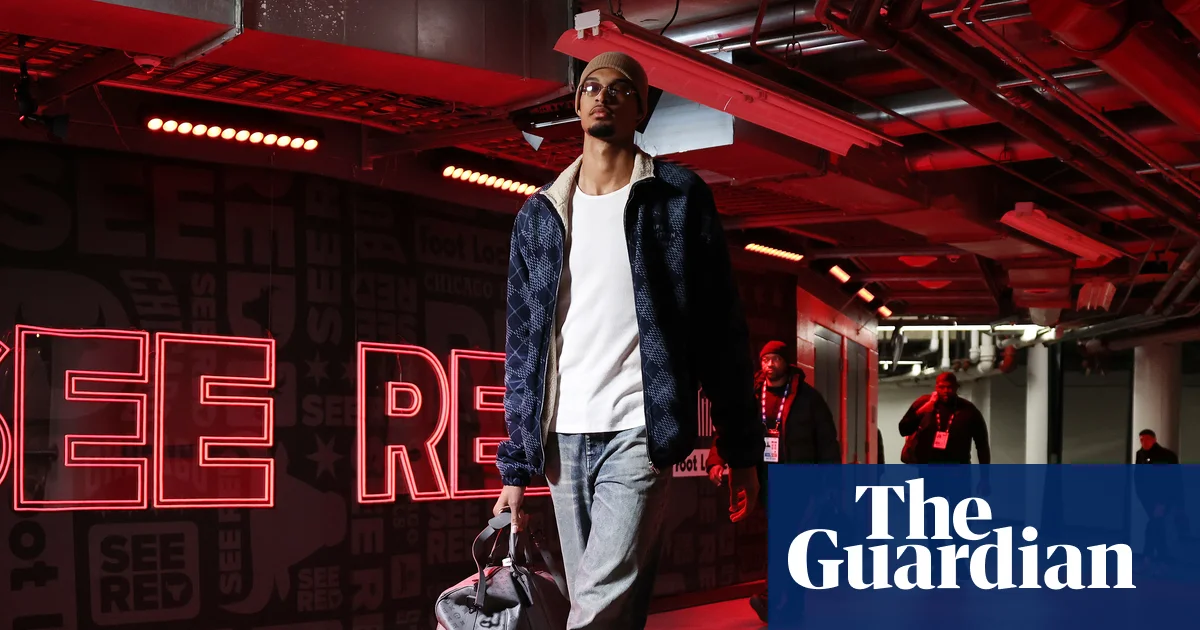
From policing Black style to sparking a fashion revolution: How the NBA’s dress code shifted youth culture

The world of sports, especially the NBA, has always been more than just a game—it’s a reflection of society’s evolving cultural landscape. Twenty years ago, a sudden policy change aimed at imposing professionalism sparked a fierce culture war, highlighting tensions between league authorities and players who viewed their attire as an extension of their identities. Back then, the NBA dress code was seen as a racially charged move, designed to curb hip-hop-inspired fashion staples like do-rags, jerseys, and oversized T-shirts. For many fans and players, it was not just about appearance but a broader issue surrounding expression, race, and cultural identity. The controversy centered on iconic figures like Allen Iverson, who became a symbol of unapologetic individuality through tattoos, braids, and baggy clothes—a mirror of a cultural movement that was seeing its voice silenced in the league’s push for a sanitized, “professional” image.

Fast forward two decades, and the narrative around the league’s dress code has undergone a dramatic transformation. What once was seen as a policing of Black culture has evolved into a fashion revolution that places the NBA at the forefront of global style innovation. Influencers like Darius Garland and Tim Hardaway Jr. now arrive at pre-game events as if they’re walking down designer runways. The league’s “tunnel fashion,” with photographers capturing every outfit, has become a cultural phenomenon. Many analysts agree that this shift reflects how the NBA players have largely taken control of their narratives, turning what was once a restrictive dress code into a platform for self-expression and branding. As Kathy Behrens, the league’s president of social responsibility, explains, the goal was never to erase culture but to elevate it—something the players have embraced wholeheartedly, turning their outfits into a form of communication that transcends sport.

  • Fashion is now entwined with business: many players leverage style for commercial opportunities, partnering with clothing brands like Lululemon and Armani, unraveling a new revenue stream beyond traditional endorsements.
  • Pre-game “fits” have transcended casual wear to become an art form, often sparking friendly competitions among players over who can showcase the most innovative ensemble.
  • The influence of hip-hop culture, once suppressed, now fuels the league’s fashion scene, with players citing artists as their style icons and using their wardrobe choices to connect with fans.

At its core, this evolution represents more than just clothes; it’s about social influence and cultural identity. The NBA’s journey from a strict dress code to a global fashion stage exemplifies how young athletes are redefining professionalism, rejecting outdated stereotypes, and asserting their influence in a way that resonates across generations. What, however, is the next evolution—will this wave of individual style and cultural expression continue to grow, or will the league attempt to impose new constraints? As players and fans increasingly view their attire as a statement of personal and cultural identity, the question remains: can the NBA strike a balance between professionalism and authentic self-expression without losing its cultural edge?

Mumbai’s Art Deco Revolution Turns 100: A Centennial Celebration of Style and Heritage

The history of architecture witnesses landmark moments that reflect societal shifts and technological progress. Among these, the rise of Art Deco stands out as a symbol of hope, resilience, and modernist optimism in the aftermath of the World Wars. Originating from a 1925 exhibition in Paris, this style spread rapidly across continents, captivating cities with its geometric motifs, sweeping curves, sunbursts, nautical designs, and turreted rooftops. It embodied the dawn of a new era—celebrating speed, progress, and the embrace of concrete as a construction material—and it quickly permeated not only architecture but also interior design, cinema, and fashion, influencing iconic landmarks worldwide.

Globally, Miami and Mumbai remain at the forefront of this architectural movement. While Miami’s pastel facades along South Beach are celebrated as arguably the largest collection of Art Deco in the world, Mumbai arguably holds the world’s richest repository of this stylistic heritage. According to historian Atul Kumar, founder of the Art Deco Mumbai Trust, the city hosts the largest documented concentration of Art Deco buildings—some estimate place it as second only to Miami. These structures, built during colonial rule, encapsulate a period when Indian architects and elites sought to shed Victorian European influences and forge a distinctive identity that melded imported modernist styles with local motifs. The fusion of vernacular patterns—ranging from Mughal lattice screens to ocean liner motifs—created a uniquely Indian articulation of the style, reflecting the tumultuous yet hopeful spirit of an emergent nation.

Today, however, the geopolitical impact of rapid urban development threatens the preservation of Mumbai’s architectural treasures. As city centers transform under the pressure of real estate expansion, scores of Art Deco edifices face demolition in favor of glass-and-steel skyscrapers. Despite the cultural significance and the recognition of their heritage status, only a fraction of these buildings are protected by law. Conservationists warn that without proactive measures, Mumbai risks losing much of its architectural soul. Urban planners, under the influence of real estate moguls, prioritize economic gains over cultural preservation—a decision that analysts warn could result in the erasure of a critical layer of the city’s history. Such choices have repercussions beyond aesthetics—they influence the societal fabric and collective memory of a city that once symbolized hope and innovation.

Furthermore, the challenge intensifies as regulation and public awareness lag behind the pace of redevelopment. According to reports from the UNESCO and international heritage organizations, there is an urgent need to reconceptualize heritage conservation within a sustainable urban framework. Organizations like the Indian National Trust for Art and Cultural Heritage (INTACH) are undertaking efforts to document and protect Mumbai’s Art Deco buildings, but resource constraints and apathy hamper their reach. Architectural firms such as Ms. Tekwani’s are attempting to adapt Art Deco designs for modern lifestyles—introducing sleeker furniture and compact lighting—hoping to integrate heritage into contemporary living rather than seeing it as a relic of the past. Yet, as city authorities remain largely indifferent, the weight of history—once a marker of progress and identity—hangs precariously in the balance, susceptible to the bulldozers that threaten to erase this icon of 20th-century modernism.

As the city’s skyline morphs into a testament of unchecked economic ambitions, Mumbai’s cultural legacy stands at a crossroads—either to be preserved as a monument of resilience or sacrificed on the altar of progress. In the shadows of looming skyscrapers, the spirit of Art Deco—evocative of hope, modernity, and cultural fusion—clings to existence. Time is running out, and the story of Mumbai’s architectural heritage continues to unfold—poised between oblivion and resurgence, a testament to the enduring struggle of societies to safeguard their identity amidst the relentless march of progress. The pages of history lie open, awaiting the decisions that will ultimately determine whether this city’s storied past will survive to inspire future generations or be consigned to the dustbin of forgetfulness.

Farmer’s Bold Rescue of ‘Gay Sheep’ Sparks Colorful Revolution with Rainbow Wool

In an inspiring testament to how lifestyle shifts can foster compassion and creativity, a recent collaboration between a German sheep farmer and a Los Angeles fashion designer has captivated the public’s attention. The duo’s innovative project involves transforming the wool of rescued sheep—those spared from slaughter—into a vibrant, eco-conscious knitwear collection. This initiative not only underscores a _growing movement_ toward sustainable living but also demonstrates how personal impact can extend beyond individual well-being to influence broader cultural narratives about animal welfare, environmental responsibility, and creative expression.

The story begins on a rural farm in Germany, where compassionate farmers have increasingly turned to rescue efforts amid rising concerns over animal rights and ethical farming. The sheep, often overlooked in conventional agriculture, are given a new lease on life, proving that kindness is the cornerstone of resilient, forward-thinking lifestyles. Their wool, once destined for slaughter, is now repurposed into colorful, one-of-a-kind garments that celebrate lifestyle shifts rooted in wellness and ethical conscience. Fashion, as we know, is no longer just about aesthetics but a meaningful statement—aligning with the philosophies of wellness experts and cultural commentators like Dr. Ruth Westheimer and John Robbins, who emphasize the importance of moral integrity in everyday choices.

This initiative exemplifies the power of creative reuse; transforming what might have been waste into wearable art encourages a sense of purpose and responsibility. Consumers today are increasingly seeking out brands that reflect their values—brands that prioritize sustainability, wellness, and ethical sourcing. The knitwear collection is more than just clothing; it’s an embodiment of a lifestyle that recognizes the interconnectedness of healthful living, environmental stewardship, and personal inspiration. As the world awakens to the impact of ecological and ethical choices, stories like this serve as a reminder that personal impact can ripple outward, shaping cultural norms and inspiring newer, kinder ways of living.

For those eager to embrace such lifestyle shifts in their own lives, consider these key takeaways:

  • Prioritize brands and products that emphasize _ethical sourcing_ and _sustainable production_.
  • Support local artisans and initiatives that repurpose waste into beauty—whether in fashion, home decor, or cuisine.
  • Adopt an _informed perspective_ on how individual choices contribute to _larger societal changes_.
  • Explore _wellness practices_ that foster *mindful consumption* and _personal growth_, inspired by cultural narratives that value compassion and sustainability.

As cultural narratives evolve, they invite a reflection on the true purpose of lifestyle in shaping a better world. The fusion of fashion, ethics, and personal well-being demonstrates that embracing change is a journey—one that is as individual as it is collective. Like the rescued sheep woven into this collection, we are all threads in a larger fabric, capable of contributing to a tapestry that values respect, innovation, and hope. In embracing these shifts, each person can help craft a future where wellness isn’t just personal but a collective pursuit—a lifestyle rooted in compassion and inspired by possibility, guiding us toward a horizon where kindness becomes the new norm.

Lovable hits 8M users, aims to ramp up corporate adoption with its AI coding revolution

Lovable Emerges as a Disruptive Force in AI-Driven Software Development

The tech industry is witnessing a notable wave of innovation, with Lovable swiftly positioning itself as a pioneering force in the burgeoning vibe coding sector. Having secured a total funding of $228 million, including a recent $200 million Series A that valued the company at $1.8 billion, Lovable exemplifies how startup agility and disruptive technology are reshaping software creation. Industry analysts, such as Gartner and MIT, highlight a clear paradigm shift where AI-powered platforms are democratizing code—enabling even the untrained to innovate.

Despite some market fatigue—Barclays and Google Trends noted a **40% decline** in traffic to prominent vibe coding services—Lovable reports robust user retention, boasting over 100% net dollar retention, which underscores its ability to generate increasing revenue from its user base. Its expanding team, now over 100 employees, including top-tier leadership imported from San Francisco, signals a strategic focus on scaling innovation and securing further market dominance. The company’s vision aligns with the broader industry goal to integrate AI seamlessly into daily business workflows, challenging traditional development norms.

Innovation and Industry Impact

Built from the open-source project GPT Engineer, Lovable aims to revolutionize how software is built—focusing on the 99% of users who lack formal coding skills. As Osika, Lovable’s founder, succinctly states, the platform’s mission is to “reimagine how you build software,” a goal that resonates with broader aspirations to foster creative democratization within tech. Companies like Fortune 500 giants are already integrating Lovable’s tools to “supercharge creativity,” signaling a significant shift in enterprise innovation strategies.

  • Features include intuitive interfaces designed to foster rapid prototyping
  • Attractive to diverse users — from corporate teams to individual entrepreneurs and students
  • Achieves significant customer loyalty with strong retention metrics

This wave of innovation dovetails with the ambitions of tech giants like OpenAI and Anthropic, whose models power platforms like Lovable while also launching competing coding agents. Industry experts warn, however, that security concerns remain paramount; recent incidents involving data leaks—such as 72,000 images containing GPS data—highlight vulnerabilities typical of rapid evolution in emergent sectors.

Business Disruption and Future Outlook

The industry’s disruption is fueled not only by technological advances but by strategic positioning. Lovable’s stance of embracing multiple players and promoting an open, collaborative ecosystem indicates an understanding that market segmentation—rather than monopolization—is the future. Disruption lies in carving out new user segments and business models, as traditional software firms scramble to adapt to AI-driven prototyping tools that enable a new level of productivity and innovation.

Looking ahead, the key question for industry stakeholders is how quickly traditional development workflows will be replaced or augmented by vibe coding platforms like Lovable. With expert forecasts from institutions such as MIT predicting sustained growth in AI-assisted software development, timeliness and security will be decisive factors for sustained success. As European and North American markets converge, early adopters stand to gain a significant competitive edge—an opportunity that demands swift action. The race for AI-enabled software innovation is accelerating, and those who leverage it now will define the technological landscape of tomorrow.

TiVo Fights Courts, but Misses the TV Revolution

TiVo’s Decline: A Lesson in Innovation and Industry Disruption

Once hailed as a pioneer in digital video recording, TiVo now stands as a cautionary tale of missed opportunities amidst the relentless pace of technological disruption. The company’s early dominance with its advanced DVR technology was built on a series of groundbreaking features, protected fiercely through the now-infamous US Patent 6,233,389, popularly known as the Time Warp patent. However, despite its patenting strength, TiVo’s focus on prolonged intellectual property battles with industry giants such as Motorola, Time Warner, AT&T, and others diverted its energy from innovation to litigation. The company’s victory streak in patent suits culminated in a $500 million settlement with EchoStar, but critics argue this legal fervor drained resources that could have been used to pioneer the next wave of entertainment technology.

Failure to Capitalize on Industry Shifts

The television and digital video space rapidly evolved with the advent of streaming services and smart TVs. TiVo, despite adding support for Netflix and Hulu, struggled to keep pace with the disruptive market forces. Rivals like Roku and Google Chromecast exemplified this shift by offering low-cost, plug-and-play streaming solutions at impulse-purchase prices—sometimes as low as $49.99—eroding the premium perception of TiVo’s hardware. Meanwhile, the smart TV operating systems gained in capability, making dedicated set-top boxes increasingly redundant. The company’s traditional advantage—the user-friendly interface and iconic peanut remote—became less relevant as consumers gravitated towards integrated, smart TV platforms fueled by massive changes in consumer expectations and wider industry trends. TiVo’s incremental approach, heavily reliant on licensing its patents and litigating, starkly contrasted with the innovative disruption led by companies embracing software-first, streaming-focused environments.

From Hardware to Patent Licensing: A Changing Business Model

The acquisition of Rovi in 2016, a firm specializing in patent licensing, epitomized TiVo’s shift from hardware pioneer to patent troll. Instead of developing cutting-edge hardware or new OS platforms, the company pivoted towards monetizing its extensive patent portfolio through licensing and litigation. When Xperi acquired TiVo in 2020, it marked the end of an era for consumer hardware innovation, with the TiVo Edge being last of its kind before hardware production was quietly discontinued. The new focus on licensing underscores a broader trend where patent hoarding and legal battles replace technological innovation as industry drivers. Critics like Gartner analysts warn that such a model, while profitable in the short term, could spell long-term obsolescence in a competitive market that favors agility and consumer-centric innovation.

The Future of Digital Video Technology

The shift away from traditional hardware to software-driven platforms is accelerating, with giants like Apple and Google investing heavily in their own ecosystems. The announced focus of TiVo’s successor operations—namely a new smart TV OS—comes *15 years too late* amid a landscape dominated by native platform integrations. Industry insiders such as Elon Musk and Peter Thiel emphasize the importance of disrupting entrenched legacy systems with truly innovative, consumer-first solutions, rather than relying on old patent hoarding tactics. The key for future success will hinge on how quickly and effectively emerging players can leverage AI, edge computing, and next-generation streaming services to outpace competitors and redefine consumer expectations. Industry momentum is shifting decisively towards integrated, streaming-first, software-centric ecosystems—those that innovate rather than litigate will seize the future.

Social Media Auto Publish Powered By : XYZScripts.com