
Matox News

Truth Over Trends, always!

Smart Ring Watch: Your All-in-One Heart, Sleep, and Fitness Tracker for the Modern Youth

The wearable technology landscape is experiencing a significant disruption with the launch of the Fusion ring watch, an innovative product that is redefining accessible health & fitness tracking in a compact form factor. Priced competitively at $49.99—a stark contrast to traditional counterparts from brands like Casio and Timex, which retail above $100—the Fusion leverages cutting-edge miniaturized display and sensor technology to deliver a multifunctional device in a sleek, ring-shaped form. The introduction of this product signals a strategic move toward democratizing wearable tech, disrupting established industry giants that have historically dominated the premium segment.

The Fusion’s standout feature is its 0.49-inch OLED screen, which offers a crisp display for time, date, and health metrics. This compact yet powerful display challenges the notion that functionality must come at the expense of style or size. Equipped with an optical heart rate sensor and a suite of motion sensors capable of tracking over 100 different sports, this device exemplifies disruption through miniaturization. Its impressive battery life of approximately five days of active usage and up to eight days on standby ensures extended utility, a crucial criterion in consumer adoption. Such tech innovations are poised to warp the traditional wearable market, pushing other brands to innovate beyond basic smartwatches and fitness bands.

Industry analysts, including Gartner and researchers from MIT, emphasize that this product heralds an era where wearable devices are becoming more integrated into daily life through seamless form factors. Innovation driven by miniaturization and multi-sensor integration places a premium on features traditionally reserved for larger devices, now condensed into a ring — a radical shift in hardware design paradigms. This product’s breakthrough challenges the established notion that advanced health metrics and comprehensive monitoring require bulk and cost. It also opens pathways for business model innovation, with potential for integration into broader health ecosystems, enterprise wellness programs, and even fashion tech. Tech giants and startups alike are closely monitoring this development, recognizing that the next frontier lies in pervasive, unobtrusive biometrics tracking.

Looking ahead, the advent of products like the Fusion ring reveals a broader trend: disruption driven by innovation, affordability, and user-centric design. As Peter Thiel and Elon Musk have often cautioned, the future belongs to those who dare to reimagine possible, and this device exemplifies that philosophy — blending hardware prowess with urban, youth-oriented aesthetics. With other tech incumbents facing rising pressure to redefine their offerings, market competitors must adapt quickly. As the industry accelerates toward a future where wearable tech is ubiquitous and invisible, stakeholders must embrace the urgency of innovation — or risk being left behind. The next chapter of wearables is being written today, and it’s characterized by agility, disruption, and unrelenting ambition.
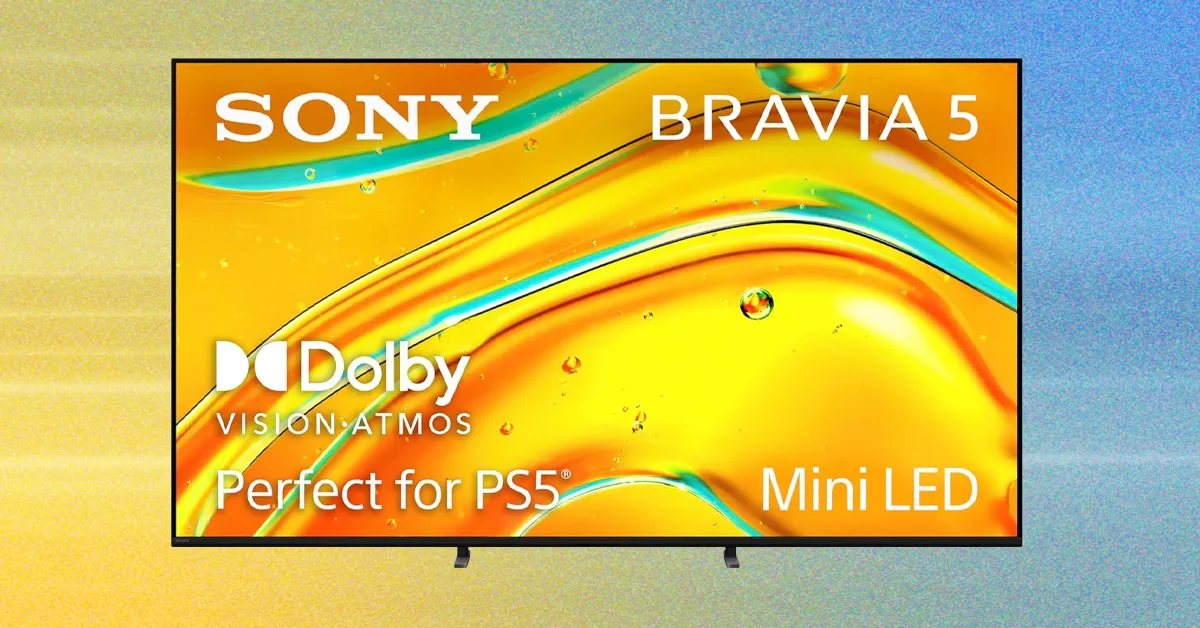

Sony Bravia 5 Tosses Its Hat in the Ring: The Best Mid-Range TV for Young Cinephiles

Mini-LED TVs and the Strategic Shift in Consumer Electronics

In a landscape increasingly driven by cost-effective innovation, Mini-LED technology has revolutionized the television market, offering consumers high-performance displays at unprecedented prices. Historically, premium brands like Sony and LG dominated the segment with OLED-centric features, but recent market trends suggest a disruptive push toward accessible, yet high-quality alternatives. Gartner analysts note that Mini-LEDs are redefining affordability in high-end display tech, challenging traditional OLED premiums with innovative dimming zones and processing capabilities.

Disruption and Industry Implications

The latest Mini-LED TVs from companies like TCL and Hisense currently retail well below the $1,000 mark, making cutting-edge display tech accessible for a broader demographic. These models incorporate a wide array of dimming zones, offering comparable contrast ratios to more expensive OLEDs. Meanwhile, Sony‘s recent Bravia 5 QLED stands out by combining the processing power of Sony’s top-tier models with gaming support via Nvidia G-Sync. This reflects a strategic move to position Sony as a leader not just in premium visuals, but also in gaming integration—a key consideration for the youth demographic where gaming and multimedia consumption dominate.

Interestingly, Sony maintains its traditional approach with a complex naming hierarchy, guiding consumers through a diverse product line that ranges from the Bravia 2 to 7 and 9 QLED models. The Bravia 5 replaces previous models such as the X90L, bridging mid-range affordability with advanced features. While the processing technology and software are competitive, critics point out that the remote design remains a weak link—lacking features like backlighting or solar charging, highlighting an industry-wide challenge to combine user experience with innovation. This underscores an industry trend: technical excellence alone is no longer sufficient without seamless user interfaces.

Implications for the Future of Consumer Tech

Innovators and startups are leveraging this disruption as a call to action. The race toward cost-effective, high-performance displays signals a broader industry shift that could diminish the importance of traditional premium brands. Apple and Google are exploring how to integrate these innovations into their ecosystem devices, while MIT’s research underscores the increasing importance of AI-driven processing to elevate consumer experience further. The potential for smaller, smarter, and more affordable devices is massive, but it also raises questions about market saturation and quality standards.

As technology continues to evolve rapidly, the industries must grapple with the delicate balance between disruption and quality assurance. Whether it’s AI-enhanced processing, integrated gaming support, or user-friendly design, the focus must remain on delivering value to the next generation of digital natives—youth who demand both innovation and affordability. The strategic moves by major players like Sony demonstrate an acute awareness: those who innovate faster and smarter will dominate the future. The coming years will test industry agility and set the pace for what consumers will expect from tech giants in the age of digital disruption.

John Cena Retires After Final WWE Bout — A Legend Leaves the Ring

In a momentous event that transcended sports entertainment, US actor and wrestler John Cena officially concluded his illustrious 24-year career in professional wrestling with a final match held in Washington on Saturday night. Cena, aged 48, is renowned not only for his in-ring exploits but also for his influence as a global cultural icon, symbolizing resilience, American entertainment mastery, and international popularity. His retirement, announced earlier in July 2024, reflects the physical toll that decades of high-intensity performance take on even the most dedicated athletes. Nevertheless, Cena’s continued involvement as a WWE ambassador ensures his ongoing influence within the industry, reaffirming the strategic importance of entertainment figures in global soft power initiatives.

The international geopolitical landscape is increasingly shaped by cultural diplomacy—where figures like Cena often serve as de facto ambassadors. His role in promoting American values and entertainment underscores the soft power leveraged by the United States, especially in regions where media and popular culture are carefully calibrated tools of influence. Analysts note that Cena’s global appeal extends beyond the ring, fostering transnational connections that indirectly bolster diplomatic standing. Meanwhile, some international leaders—particularly within Europe and Asia—recognize the significance of such cultural icons as part of a wider strategy to influence public opinion and garner support for American policies worldwide.

  • The sport entertainment industry’s evolution reflects broader geopolitical shifts, with alliances formed through shared cultural experiences and international fan bases.
  • Retirement events for icons like Cena often serve as pivotal moments, symbolizing transitions in global power dynamics, especially as new generations of entertainment and sports figures emerge.
  • Organizations like the United Nations and various think tanks emphasize the importance of understanding these cultural influences in shaping international relations.

Though Cena may have hung up his boots, his departure signals a larger narrative—one where the lines between entertainment, nationalism, and international diplomacy continue to blur. Observers like historians and geopolitical analysts warn that such shifts demand careful scrutiny; as global conflict zones simmer and alliances shift, every cultural pivot could herald new alignments. Facing an uncertain future, nations must consider how their cultural ambassadors—whether in sports, entertainment, or media—impact not just public sentiment, but the geopolitical balance itself.

As history unfolds in real-time, Cena’s farewell is a stark reminder: in the grand chessboard of global influence, every move, every icon, carries weight—shaping the future of nations and societies. The echoes of this final act resonate far beyond the ring, reminding us that the power of soft influence endures, even as the once-untouchable champions of yesterday pass into legend. This chapter may close, but the saga of cultural power remains ongoing—ever more compelling, ever more crucial for those who understand the language of influence and the persistent march of history.

Social Media Auto Publish Powered By : XYZScripts.com



