Matox News

Truth Over Trends, always!

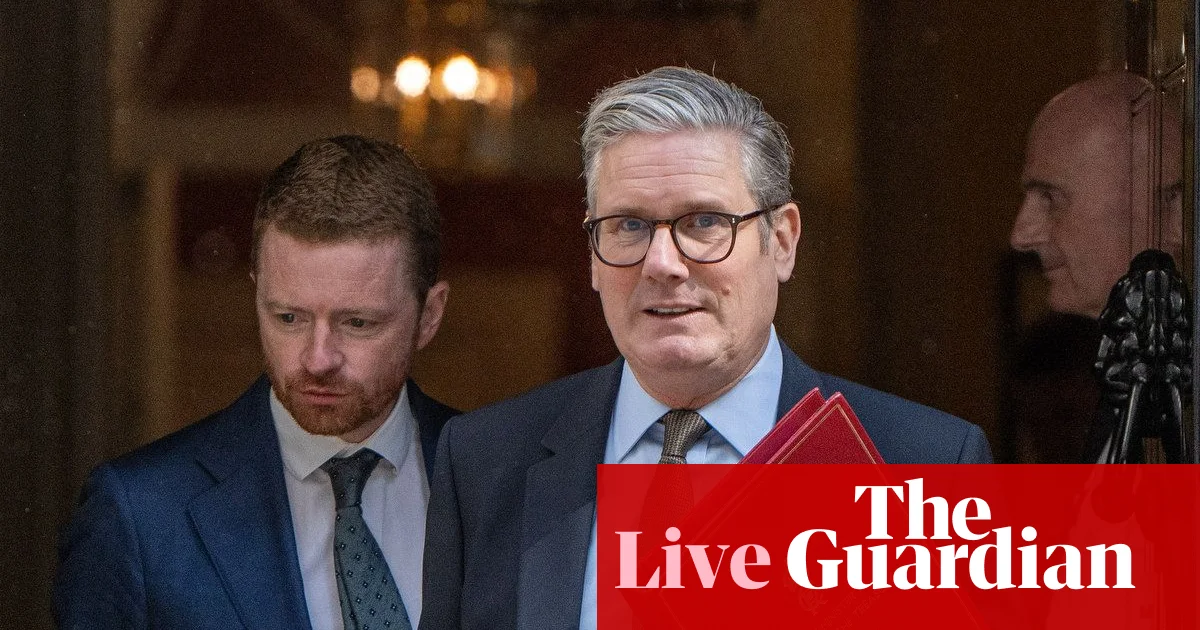
Starmer: Tech Giants Face 48-Hour Deadline to Act Against Revenge Porn or Risk Bans

The United Kingdom is taking a bold stand to combat the rising tide of nonconsensual digital content and AI-facilitated abuse. Prime Minister Keir Starmer recently declared a “national emergency” against the proliferation of deepfake nudes and revenge porn, emphasizing the urgent need for decisive government intervention. This new policy aims to enforce a stringent 48-hour window for the removal of illicit images once flagged, with the goal of significantly curbing the spread of this harmful content across social media platforms, pornography sites, and beyond. Such measures highlight a conscious shift towards holding technology firms accountable, especially under the scrutiny of the Ofcom regulator, which is expected to be empowered by the summer to enforce these rules.

This crackdown is not merely about privacy or decency; the layout of international, societal, and geopolitical dynamics is at play. Britain’s push for stricter online safety laws echoes a broader global trend where governments increasingly seek to regulate AI tools and digital content that threaten societal norms and threaten individual safety. The recent controversy surrounding Elon Musk’s Grok AI tool—which generated nonconsensual sexual images—serves as a stark reminder of how innovative technology can be weaponized in ways that magnify harm. Critics argue that the lack of effective regulation allows deepfake technology to flourish unchecked, fostering a digital environment where victims of abuse and extortion find little refuge. By enforcing rapid removal timelines and legislating against AI-generated offensive material, the UK aims to set a precedent that can resonate outside its borders, challenging other nations to follow suit in protecting societal moral standards.

Analysts and international organizations observe that the UK’s legal reforms are a significant step in how regulatory decisions impact global tech companies. The threat of fines—up to 10% of worldwide revenue—and potential service bans are a clear indication that Big Tech will face serious consequences if they fail to act swiftly.

  • The implementation of digital watermarks for illicit “revenge porn” images aims to enable automatic detection and removal, reducing the burden on victims who often have to repeatedly report the same content.
  • Attempts to regulate AI-generated explicit images balance between safeguarding victims and upholding free speech, a delicate dance that underscores the ongoing struggle for responsible innovation.
  • The broad scope of the law, which extends to “rogue websites,” signals a firm stance on disrupting black markets for illicit content, even beyond the UK’s borders.

This move underscores a broader challenge: how to effectively hold powerful institutions accountable and address deep-rooted cultural issues. Prime Minister Starmer’s focus on cultural reforms—particularly his efforts to challenge misogyny within government and politics—illustrates a recognition that technological regulation alone cannot solve societal misogyny or gender-based violence. As he critiques the “institutional misogyny” woven into UK society, his emphasis on elevating women in government reflects an understanding that real change demands both policy and cultural overhaul. Meanwhile, political scandals such as the controversy over Peter Mandelson’s connections to Jeffrey Epstein serve as a stark reminder of the persistent failures endemic to the ruling elite. This is a pivotal moment—one where the decisions made will echo through a fractured political landscape and test the resilience of democratic institutions.

As digital freedoms meet the relentless march of regulation, history continues to forge its course in the uneasy balance of liberty and control. The UK’s efforts, rooted in the acknowledgment of the profound geopolitical and societal consequences, demonstrate that the fight against misuse of technology is far more than a matter of mere policy. It defines the very fabric of moral authority in this new era, where every decision carved into the stones of law could either fortify the foundations of justice or erode them beneath waves of unchecked power. The unfolding saga promises a future fraught with challenge and upheaval—yet it is precisely within this crucible of conflict that the forces shaping tomorrow’s society are being forged in the fires of necessity and resolve.

Knowsley's Youth Services at Risk: Young People Fight to Keep them Alive
Knowsley’s Youth Services at Risk: Young People Fight to Keep them Alive

Society’s Invisible Crisis: The Battle for Youth in Deprived Communities

In communities like Knowsley, a stark picture emerges of young lives teetering on the edge of societal disintegration. As social commentators and sociologists warn, demographic shifts and economic deprivation have created a generation adrift without the necessary community structures to guide them. The struggles of those like Nathan Orr, a young man whose life was transformed by a local youth center, highlight the importance of accessible, sustained youth services. Yet, the ongoing cutbacks and neglect threaten to undo the fragile safety nets that provide hope and purpose to vulnerable children. This is a social issue that impacts families, school achievement, and overall community stability, demanding immediate attention before it spirals further into chaos.

Research by the Social Investment Business (SIB) and the University of Leeds reveals an alarming reality: Knowsley’s youth work “black holes”. In these areas of severe deprivation, the absence of youth services leaves children exposed to antisocial behaviors and criminal influences. The disruption extends far beyond adolescence—affecting families, limiting access to quality education, and perpetuating cycles of poverty. The borough lacks A-level provision, condemning its students to travel long distances for higher education and stifling local ambitions. With only 23% of students achieving top GCSE grades, the cycle of educational underachievement persists, undermining societal progress and reinforcing social inequalities.

On the ground, dedicated youth workers like Mark Nelson and Dawn Corrie battle to keep centers operational amid dwindling funding. Nelson warns of “being on the edge of collapse”, with the financial support only stretching a few months ahead. Their efforts are vital; as Corrie laments, many clubs have vanished over the years, leaving fewer opportunities for young people to engage in constructive activities. These centers are more than recreational spaces—they serve as essential anchors for discipline, respect, and belonging. For many youths like Nathan, the absence of such outlets would mean a higher likelihood of slipping into antisocial behaviors or worse. The societal toll is profound: families are strained, communities fractured, and generations risk being lost without intervention.

This crisis, while rooted in economic hardship, is fundamentally a moral challenge for society. As social historian Richard Hofstadter noted, societal inequalities foster “a sense of alienation and marginalization,” which can be exploited by negative influences. Yet, the stories of hope—like Nathan’s rise from the streets to become a kickboxing coach—remind us that with sustained investment and moral resolve, communities can be revived. The recent influx of government funding and initiatives to rebuild youth services offer a glimmer of hope. Still, the battle to protect our youth requires ongoing commitment, a recognition that these centers are the backbone of resilient families and strong communities. Society’s future depends on how well we nurture that next generation—by ensuring they have more than just a fighting chance, but the support, stability, and moral guidance needed to forge a brighter tomorrow.

AI Mistakes Putting Social Workers and Youth at Risk, Study Finds

In recent months, AI technology has rapidly infiltrated the realm of social work, promising efficiency and resource relief amidst ongoing staffing crises. However, an alarming pattern emerges from a comprehensive eight-month study conducted by the Ada Lovelace Institute, revealing that these automated tools—primarily designed to transcribe and summarize crucial social service interactions—are not only faltering but generating potentially dangerous inaccuracies. From false warnings of suicidal ideation to nonsensical transcription errors, the impact of these failures poses significant threats to vulnerable populations and complicates the delicate decision-making process that professionals depend on. This phenomenon underscores a broader geopolitical impact: as nations adopt AI at an accelerated pace to meet social service demands, the lurking risks threaten to undermine public trust and international standards of care.

In the United Kingdom, dozens of local authorities—from Croydon to Redcar and Cleveland—have rushed to deploy these AI note-takers, driven by the urgent necessity to mitigate chronic staff shortages. Yet, frontline workers report a recurring pattern of errors: social workers complain of transcripts that contain “gibberish,” or references to irrelevant themes like “fishfingers” when a child is discussing family conflicts. Despite these glaring flaws, many jurisdictions justify their reliance on AI tools like Magic Notes due to the tangible time savings, which allow social workers to prioritize their relationships with clients. However, experts warn that superficial gains risk masking deeper issues; inaccuracies within official records could lead to misinformed or even harmful decisions, including inappropriate interventions or neglect of signs of real distress. Such risks, according to analysts, threaten to erode the integrity of international social service systems, especially as AI-generated errors seep into official documentation—potentially leading to professional repercussions and, more critically, harm to those in need.

On a wider scale, the international community faces a new frontier of challenges as AI’s “hallucinations” and biases come into focus. Global organizations, including the World Health Organization and national regulatory bodies, are now grappling with how to establish standards that balance technological innovation with public safety. Historical analyses by scholars like Dr. James Mallory highlight the inherent risks of over-reliance on unvetted algorithms—risks that echo previous technological failures in areas such as healthcare and criminal justice. As analysis warns, the decision to integrate AI without rigorous oversight or comprehensive training programs is a form of international recklessness: the technology may be hailed as a boon initially, but without checks, it could erode the foundations of free societies that value accurate record-keeping and accountability. The geopolitical stakes extend beyond national borders, as AI errors in social work could influence policy decisions, funding allocations, and even diplomatic relations, fostering instability amid already fragile social fabric.

As history continues to unfold, the palpable tension between innovation and caution becomes starkly evident. The stakes are clear—decisions taken today will shape whether AI remains a tool to empower frontline workers or a harbinger of systemic failure. The weight of this unfolding chapter hangs heavily, leaving society at a crossroads: will we safeguard our moral and institutional integrity in the pursuit of technological efficiency, or will we surrender to the seductive promises of AI that threaten to distort the narrative of care itself? In the shadows of this technological revolution, the true story of humanity’s resilience—and its capacity for oversight—remains to be written, a shadow cast long across the corridors of history.

E-bike injuries double at Sydney hospital—youth face rising risk of serious crashes

Australia Confronts E-bike Injury Surge: A Growing Threat to Society and Public Health

Amidst a global push towards sustainable urban transportation, Australia finds itself grappling with a troubling rise in e-bike related injuries, highlighting the complex challenges of innovation in modern cities. Recent data from St Vincent’s Hospital in Sydney reveals a staggering doubling of serious e-bike injuries in 2025 compared to the previous year, with a 350% increase since 2023. This statistic underscores a critical international issue—the unintended consequences that accompany technological adaptation. With over 200 cases requiring trauma response and nearly half necessitating surgical intervention, the aftermath paints a stark picture of how fast-paced, and sometimes reckless, adoption of new transport modes can destabilize societal safety nets.

This surge in injuries raises broader geopolitical and policy questions. The Australian government’s 2021 relaxation of import standards—aimed at encouraging cleaner transportation—accidentally facilitated the influx of illegal modifications and overpowered e-bikes, which now dominate accidents statistics. The recent re-tightening of standards in late 2025—restricting motors to 25 km/h and 250 watts—reflects a reactive step, yet the damage has been done. Analysts suggest that the unintended consequence of such policies might be a rise in emergency hospitalizations, especially when considering the illegal modifications making bikes faster and more dangerous. This phenomenon highlights how policy shifts can create societal ripple effects, necessitating more balanced, preventative approaches that prioritize safety over pushy innovation.

The international community and public health experts warn that Australia’s experience may soon mirror an emerging global crisis. Countries like Queensland report similar injury increases, with preliminary police data indicating four fatalities in 2025. Global organizations such as the World Health Organization have already flagged the rapid uptick in e-bike injuries as a potential health emergency. The surge predominantly affects young adults in their 30s, with reports suggesting an increasing incidence among younger populations. Experts caution that the dangers are amplified at night and under the influence of alcohol or drugs, making the injuries more severe and difficult to prevent. Such patterns threaten to strain healthcare systems worldwide and challenge the priorities of urban planners, law enforcement, and public health officials who must now address the fallout from ill-regulated e-bike proliferation.

As nations try to balance the benefits of eco-friendly mobility with public safety, the weight of history looms large. The urgent need for international cooperation, stricter safety standards, and public awareness campaigns is no longer optional—it is a matter of societal survival. The escalating toll serves as a sobering warning of how rapid technological changes, when left unchecked, can spiral into crises that threaten to unravel the social fabric. As cities and countries face the consequences of their choices, the story of e-bikes in Australia—yet again—becomes a narrative about the very limits of progress and the unyielding weight of history still unfolding on the streets of the future.

Starmer’s Leadership at Risk if McSweeney Not Fired Over Mandelson Scandal

Europe’s Political Crossroads: Mandelson Scandal Sparks Deep Fissures and Global Implications

In a development that shakes the very foundations of British politics and echoes through the corridors of international diplomacy, the scandal surrounding Peter Mandelson’s appointment as US ambassador has unveiled a larger geopolitical choreography. The recent revelations, compounded by Parliament’s intelligence committee publishing a letter demanding transparency, signal more than domestic political turmoil; they mark a potential turning point that could affect NATO alliances, EU relations, and the stability of Western dominance.

This week, the British government found itself embroiled in a scandal that extends far beyond Westminster. The publication of sensitive documents illuminates how decisions about Mandelson’s ambassadorship, allegedly shielded by a veiled vetting process, have layers of implications that ripple into international security and diplomatic trust. Notably, the ISC’s directive to disclose all communication related to Mandelson’s role demonstrates a concerted effort to restore transparency—an act that could have profound repercussions for secrecy and strategic alliances.

  • Global organizations and intelligence analysts warn that such scandals weaken the fabric of trust among allied nations.
  • UK’s credibility in transatlantic relations hinges on how transparently this affair is handled and the subsequent political accountability.
  • In parallel, the internal political upheaval—marked by calls for a “full reset” of advisors—signals a fragile government, vulnerable to loss of both domestic legitimacy and international respect.

Observers and historians point to the greatest crisis of leadership since the 2008 financial crash, arguing that Keir Starmer’s handling of the Mandelson dilemma will be scrutinized for years. The internal blame game, with Harriet Harman branding Starmer as “weak, naive and gullible,” underscores a broader crisis of trust and leadership integrity that transcends UK borders. As analysts from Chatham House and the International Crisis Group observe, this scandal could be exploited by adversaries seeking to undermine Western unity.

Ultimately, the unfolding saga highlights a stark reality: decisions by the UK government, whether under Starmer’s leadership or during Mandelson’s shadowy past, will shape the balance of power in Europe and beyond. History waits with bated breath, for these storm clouds over Westminster threaten to herald a new chapter—one written not by the assurance of stability, but by the weight of unresolved secrets, shattered alliances, and an uncertain future for liberal democracies worldwide.

Mossbourne School’s Impact Under Scrutiny: Some Students' Wellbeing at Risk
Mossbourne School’s Impact Under Scrutiny: Some Students’ Wellbeing at Risk

Success at a Cost: The Hidden Crisis in England’s High-Achieving Schools

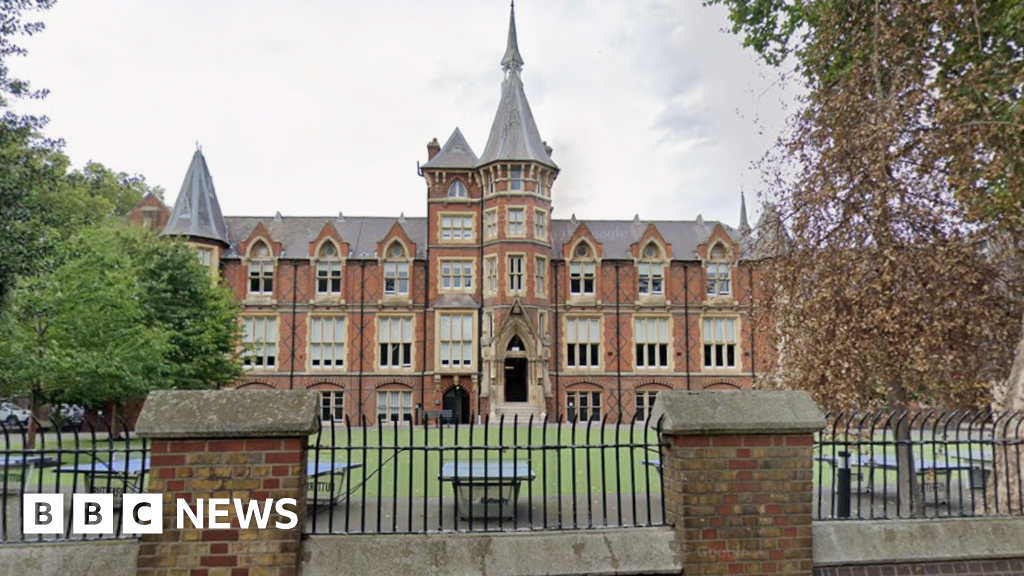
In the vibrant neighborhoods of East London and the heart of Hackney, prestigious institutions like Mossbourne Victoria Park Academy (MVPA) have long celebrated remarkable academic results, exemplifying the nation’s educational ambitions. However, beneath this veneer of achievement lies a fractured cultural landscape where the wellbeing of vulnerable students is compromised in the pursuit of excellence. An independent safeguarding review has exposed troubling practices—shouting, public humiliation, unequal sanctions—that threaten the very fabric of community trust and family stability. This crisis underscores a disturbing trend: when schools prioritize discipline and academic performance over dignity and human rights, it is families and communities who bear the invisible scars.

The report reveals that these high standards have exacted a heavy toll on some of the most vulnerable pupils. Students with special educational needs and disabilities (Send) have been disproportionately sanctioned for behaviors linked to their conditions, creating a climate of fear that can haunt young minds long after they leave the classroom. Feelings of anxiety, shame, and trauma are amplified in environments where public reprimands overshadow empathy. Sociologists like Dr. Robert Putnam warn that social cohesion erodes when institutions foster a culture of control rooted in austerity rather than compassion. Families, especially those from underrepresented communities, are reporting difficulty in having their concerns acknowledged, further fueling societal divisions and distrust.

Among the most alarming findings are practices such as

  • routine shouting
  • public deskings for minor issues
  • disciplinary measures applied unfairly to pupils based on ethnicity or special needs

. These behaviors create what Jim Gamble, chair of the City & Hackney Safeguarding Children Partnership, describes as a “climate of fear” that stifles healthy development and erodes the moral fabric of educational environments. While MVPA’s academic reputation remains high, critics like historian Dr. David Gilman argue that such success, achieved through rigid and inflexible discipline systems, risks sacrificing the fundamental human dignity of students. As Sir Alan Wood, a prominent social commentator, remarks, “Success, but not for all, is merely a hollow victory if it is built on trauma.” Achieving excellence must mean fostering resilience and respect, not fear and compliance.”

Finally, the societal implications extend beyond school walls. The families affected report feeling ignored or silenced; some families even describe walking away from their parental rights in frustration, while teachers recount a culture where empathy is discouraged and blame prevails. Meanwhile, authorities like Hackney Council and the Department for Education recognize that this is a moment of crisis—an urgent call to re-evaluate not only disciplinary practices, but also the core values upon which society’s future depends. As the nation confronts this uncomfortable truth, the question remains: can we rebuild education rooted in respect, duty of care, and community trust? Or will we continue to allow the triumphs of test scores to conceal the scars of unchecked authority, leaving future generations to navigate the shadows of a divided society?

In the quiet moments of reflection, society faces the profound challenge: to ask whether our brightest institutions are truly illuminating the path to a humane and equitable future, or merely shining falsely on a broken foundation. As society’s caretakers and young changemakers look toward horizons filled with uncertainty, the hope persists—a hope that from the depths of this crisis can emerge a renewed commitment to truth, compassion, and genuine excellence.

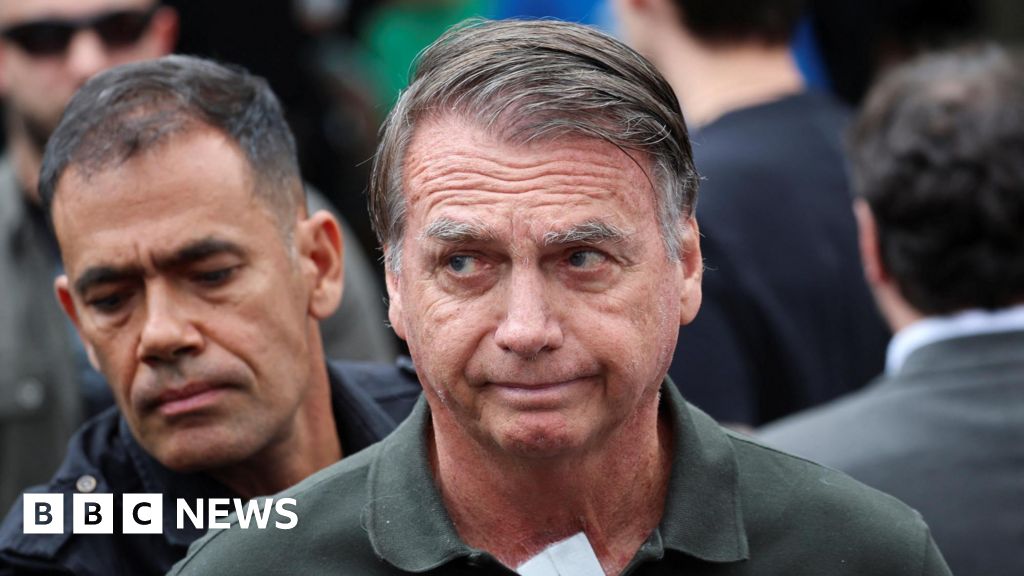
Brazil’s Former President Detained as Authorities Flag Flight Risk

The recent arrest of Jair Bolsonaro, the controversial former Brazilian president, marks a pivotal moment in Brazil’s tumultuous political landscape and signals a potential shift in Latin American geopolitics. Convicted of plotting a military coup aimed at seizing power after his electoral defeat in 2022, Bolsonaro’s detention has ignited both support and condemnation among international observers. The Supreme Court Justice Alexandre de Moraes justified the move by citing the risk of Bolsonaro fleeing—highlighting how state security measures are increasingly intertwined with political vendettas in a region grappling with political polarization. As Bolsonaro’s supporters gather en masse, the full geopolitical impact of this crisis remains uncertain, yet fundamental questions surrounding national sovereignty and regional stability are now at the forefront.

Bolsonaro’s conviction, which led to a sentence of over 27 years, centered on his alleged role in orchestrating a conspiracy to subvert democratic processes. Notably, courts accused him of inciting violence during the assault on government institutions on 8 January—an event widely condemned as a direct consequence of his rhetoric. Leading international organizations have expressed concern, warning that such actions threaten the fragile democratic fabric of Brazil. Renowned analysts warn that his detention and the subsequent crackdown could further polarize the nation, risking destabilization in the region and inspiring like-minded populist movements across Latin America. Meanwhile, the United States, under the rhetoric of trade sanctions and diplomatic caution, has observed these developments with a mix of apprehension and strategic calculation, aware that Brazil’s stability is a cornerstone for regional influence and global trade routes.

Moreover, the detention of Bolsonaro has a broader international dimension, symbolizing a clash between old-world populism and emerging forms of governance in the 21st century. His legal team challenged the custody measures, emphasizing that “supporters are willing to fight for democracy,” even as the court warned that the former president posed a serious flight risk. The specter of Bolsonaro seeking asylum at foreign embassies, notably in the U.S., underscores the potential for diplomatic flashpoints. Such threats not only complicate Brazil’s internal affairs but also ripple into U.S.-Brazil relations, with implications for trade, diplomacy, and regional alliances. International organizations, including the OAS, have called for calm, but the underlying tensions reveal a deep fissure—one that could define Brazil’s political trajectory for years to come.

As Brazil stands at this crossroads, historians note that the unfolding events echo past crises that have shaped the modern world—moments where the fight for democracy clashed with authoritarian impulses. The decision to imprison Bolsonaro, taking into account his role in inciting violence and attempting to destabilize the government, could serve as a precedent on how emerging democracies confront populist insurgents. Yet, the potential for unrest remains significant, as Bolsonaro’s supporters prepare to rally in his favor. This confrontation will test the resilience of Brazil’s institutions and the international community’s ability to prevent a descent into chaos. In this moment, history continues to write itself—reminding us that the fate of nations often hinges on choices made not just in courts but in the hearts and minds of their people, with each step edging closer to a new chapter in the ongoing saga of liberty versus tyranny.

Why India's poorest state is still battling illegal alcohol sales—youth at risk
Why India’s poorest state is still battling illegal alcohol sales—youth at risk

India’s Bihar Upholds Alcohol Ban as Smuggling and Black Markets Persist

In India’s poorest state, Bihar, a decade-long effort to curb alcohol consumption through a statewide prohibition law remains a contentious yet firmly upheld policy, despite rampant illegal trade and enforcement difficulties. Initiated in 2016 by then-Chief Minister Nitish Kumar following persistent demands from women’s groups, the law aimed to address pressing issues such as addiction, domestic violence, and economic instability. However, the real-world efficacy of this measure has come under intense scrutiny from both local officials and global analysts, highlighting a complex interplay of social progress and underground markets.

The geopolitical impact of Bihar’s prohibition extends beyond its borders, capturing the attention of international organizations and researchers who examine policy success and failure in resource-deprived settings. Recent raids by excise officers across the Ganges reveal the persistent resilience of illicit liquor trade, with makeshift distilleries operating in clandestine setups—metal drums fermenting jaggery, the cheapest form of sugar, into dangerous homemade alcohol. Despite multiple crackdowns, including property seizures and arrests, the black market flourishes, fueled by sophisticated smuggling operations, staff shortages, and alleged collusion with local authorities—factors that critics argue render the ban ineffective.

Enforcement Dilemmas and Social Consequences

  • While state officials claim that over 1.1 million cases have been registered and 650,000 convictions reflect a crackdown effort, experts warn that the majority of convictions are for consumption rather than production or sale, illustrating the deep-rooted prevalence of illicit alcohol in Bihar’s fabric.
  • During the six weeks leading to recent elections, law enforcement seized more than 522 million rupees (~$6.26 million) worth of illegal alcohol—a stark indicator that economic incentives continue to outpace legal restrictions.
  • As historians and analysts like Rajeev Kamal Kumar point out, prohibition has often led to unintended consequences in India, from thriving black markets and deaths caused by toxic brews to draining valuable state resources in enforcement efforts. States like Gujarat and Nagaland, which also enacted bans decades ago, still grapple with bootlegging, illustrating the persistent challenge of implementing prohibition policies in diverse social settings.

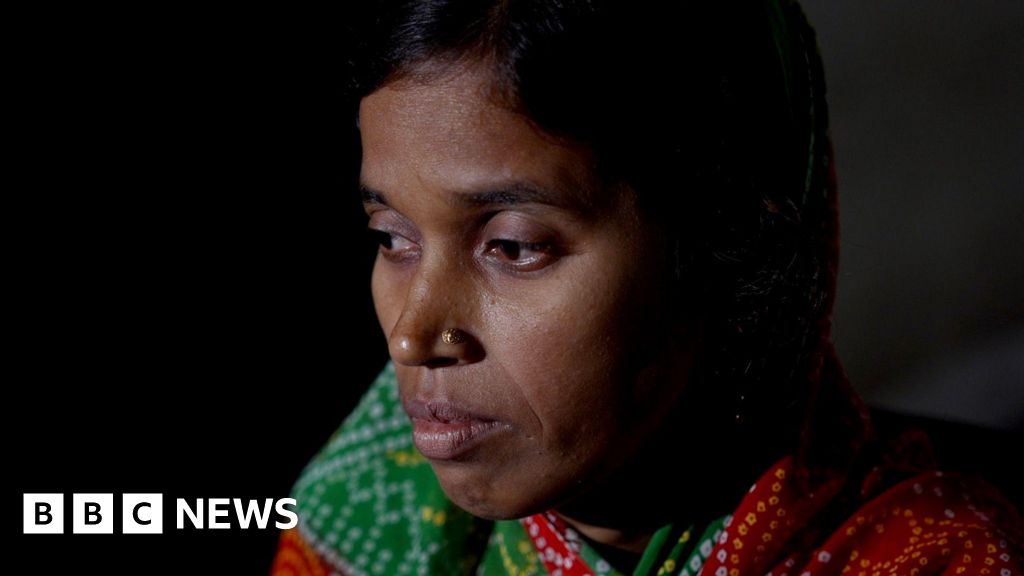
Despite these ongoing challenges, the social impact of Bihar’s alcohol ban remains a mixed picture. Many women, such as Lalmunni Devi, who lost her husband to toxic liquor, support the prohibition as a necessary social reform. “I just hope no one else has to suffer the same fate,” she laments. Conversely, others argue that the ban has merely shifted consumption underground, fueling a dangerous underworld of illicit liquor. Neetu Devi, a widow whose husband succumbed to poisoned alcohol, reflects this bitter truth, emphasizing that without a complete shutdown of illegal liquor factories, the problem persists.

Complexities and Future Outlook

As international organizations and policy analysts observe, the enforcement dilemma in Bihar is emblematic of a broader challenge: how to balance social reforms with economic realities and administrative capacities. The lure of illicit profits and the widespread availability of illegal alcohol underscore the difficulty of eradicating underground markets solely through legislation. Jayalalithaa and other former politicians have faced similar headwinds, with prohibition policies often failing to achieve their intended social objectives, fueling instead a cycle of ongoing illicit trade.

As the state government, led by the outgoing political coalition, signals that the ban remains—despite mounting evidence of its limitations—the weight of history presses heavily on policymakers. Will Bihar’s prohibition finally succeed in stamping out the black market? Or will the persistent underground trade, coupled with societal scars and economic desperation, continue to shape the narrative of a state caught in a long, ongoing struggle? As the river Ganges flows quietly past makeshift distilleries, the story of Bihar’s prohibition policy unfolds—a chapter in a larger saga of law, order, and society’s resilience that remains unwritten, leaving behind a question for the ages: Can true reform emerge from this tangled web of legality and chaos?

Australian Schools Close Over Kids’ Sand Safeguard Risk

In a startling development that underscores the ongoing challenges of global trade and public safety, Australia and New Zealand have mobilized substantial measures in response to the discovery of asbestos-contaminated sand products circulating within their educational sectors. The contamination, linked to imports from China, has triggered urgent school closures and recalls, raising serious questions about border security, regulatory oversight, and the health safety of young generations.

The Australian Competition & Consumer Commission (ACCC) announced a recall after lab tests identified traces of tremolite asbestos in children’s colored sand. These products, such as Kadink Sand, Educational Colours – Rainbow Sand, and Creatistics – Coloured Sand, had been distributed nationwide through major retail outlets like Officeworks. The health risk stems from the inhalation of asbestos fibers, which can cause severe lung diseases, including cancers; a warning that has led to the full or partial closure of at least 15 schools and seven preschools in the Australian Capital Territory. Similarly, in New Zealand, five early learning services and two schools have suspended operations as authorities conduct further testing. The Ministry of Business, Innovation and Employment (MBIE) swiftly issued advisories urging parents and institutions to cease using the contaminated products and seek professional disposal, highlighting the precautionary nature of this response.

This crisis underscores a broader geopolitical impact that points to the fragility of international supply chains and the importance of strict regulatory controls. Historically, asbestos has long been recognized by global health authorities—including the World Health Organization—as a carcinogen, yet trade restrictions have often been circumvented through imports. The incident reveals vulnerabilities within Australia’s and New Zealand’s border and commercial oversight, prompting analysts to question how widespread this contamination might be and whether other imported goods could pose similar risks. As historians warn, failures in supply chain transparency can unleash public health crises, especially within vulnerable communities such as children in educational environments. The recall and school closures serve as a stark warning of what can happen when economic interests overshadow safety protocols.

International institutions and regulators are now under pressure to tighten import controls and alert systems. The Australian government has reaffirmed that asbestos importation remains prohibited, yet the incident exposes potential gaps in enforcement. Meanwhile, New Zealand’s ongoing testing and voluntary recalls reflect a cautious approach but also highlight the need for more decisive policy action. As the global community watches, the incident could spur stricter international standards for importing hazardous materials, reshaping trade policies that often prioritize cost over safety. Yet, this unfolding story remains a chapter in a broader narrative about the collision of globalization, health security, and the protection of future generations—one where the delicate balance of power, policy, and public trust hangs in the balance.

In a world increasingly interconnected, the repercussions of this asbestos scare transcend borders, shaping the very fabric of societal trust and governmental accountability. The upcoming weeks will determine whether the lessons learned will lead to stronger safeguards or allow complacency to persist. As history continues to be written in moments of crisis, the weight of these decisions resonates: a reminder that in the unfolding mosaic of international relations, every detail—down to colored sand—can carry the profound burden of history yet to be made.

Global fossil fuel projects endanger health of 2 billion youth—new report exposes the risk

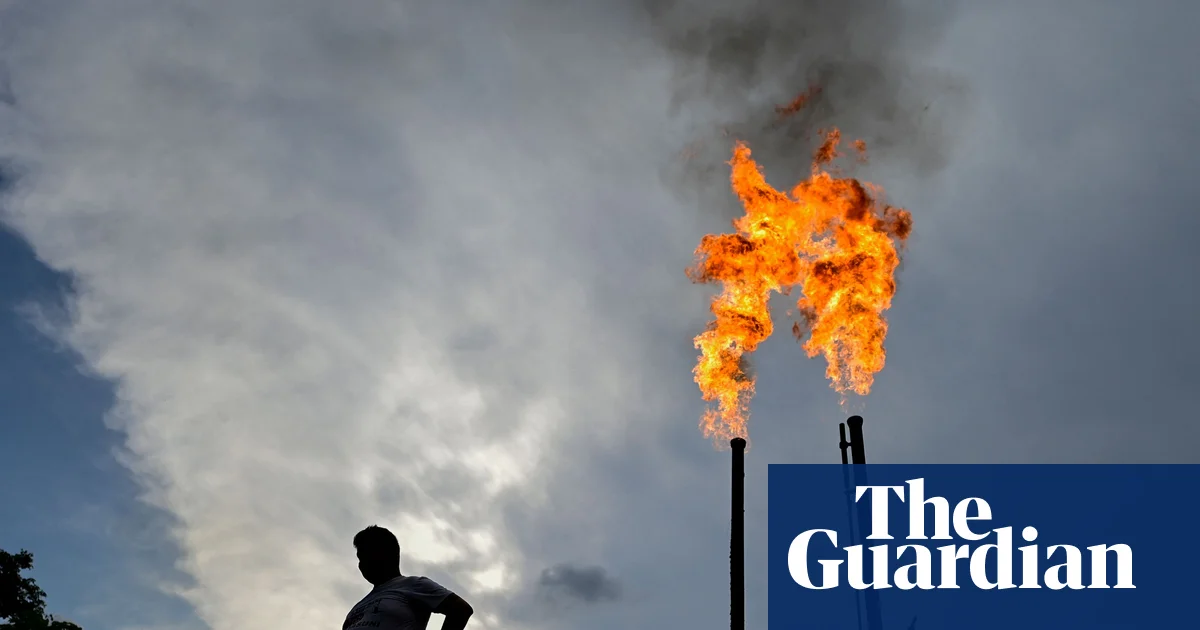
Recent research reveals a sobering reality: a quarter of the world’s population lives within just three miles of active fossil fuel projects. This proximity isn’t just an inconvenient statistic—it’s a looming threat to public health, especially for communities residing near drilling wells, pipelines, and processing plants. According to studies from organizations like Amnesty International, those living closest to these industrial sites face increased risks of cancer, respiratory and heart conditions, premature births, and even death. Yet, what makes this environment even more troubling is the unequal burden carried by marginalized groups, particularly Indigenous communities and low-income families, who often find themselves living in “sacrifice zones”—areas heavily contaminated, with little regard for their safety or rights. This environmental injustice, rooted in systemic inequality, underscores how economic interests often override human dignity and community welfare.

In fact, near half a billion people, including over 124 million children, live within one kilometer of fossil fuel infrastructure. As plans circulate for thousands of new sites, this number could swell, exposing even more to dangerous fumes, oil spills, and ecological devastation. These advancements tend to exacerbate tensions within societies, especially when indigenous land defenders and local fishermen voice their opposition. For instance, Tsakë ze’ Sleydo (Molly Wickham), a Wet’suwet’en land defender in Canada, speaks to a broader story of intergenerational fatigue and resistance. She emphasizes that these communities, which have long been deprived of their rights, are often criminalized when they stand up to protect their territories from destructive infrastructure. Such struggles highlight how social and environmental issues are deeply intertwined, affecting families’ health, cultural heritage, and livelihood.

The global political landscape remains fractured in the face of this crisis. At the 30th annual climate negotiations in Belém, Brazil, world leaders, except for the United States, grapple with the urgent need to end reliance on fossil fuels. Meanwhile, lobbyists for the fossil fuel industry have unprecedented access to global policymaking forums, working tirelessly to block climate action and sustain profits at the expense of the planet. As researchers from the University of Colorado Boulder point out, over a third of oil, coal, and gas sites intersect with critical ecosystems—biodiverse wetlands, forests, and river systems—placing entire natural habitats at risk of collapse. This confluence of corporate greed and systemic neglect underscores a key challenge: how to protect the Earth’s natural inheritance while safeguarding human rights. The humanitarian toll is undeniable; children and vulnerable populations suffer disproportionately, with environmental toxins becoming a national security issue that demands our collective moral responsibility.

As history reminds us, the issues surrounding fossil fuel dependence are embedded in narratives of progress, greed, and systemic injustice. Sociologists like Naomi Klein and environmental historians have long documented how environmental degradation is often a social mirror of inequality. Yet, hope persists in the form of resilience—indigenous leaders, local activists, and youth movements are increasingly demanding the end of an era that has prioritized profits over people. The challenge ahead lies in transforming these social and environmental crises into catalysts for meaningful change—reclaiming land, restoring ecosystems, and asserting rights that have been trampled. Society stands at a crossroads: will we continue to ignore the invisible toll of pollution, or will we, as a community, choose to forge a future rooted in respect, justice, and sustainability? Amidst the shadows of destruction, a quiet promise whispers—that society’s capacity for renewal remains, waiting for the moment we rise to meet the challenge, offering hope that one day, the land and all who live upon it might breathe freely again.

Social Media Auto Publish Powered By : XYZScripts.com