Matox News

Truth Over Trends, always!

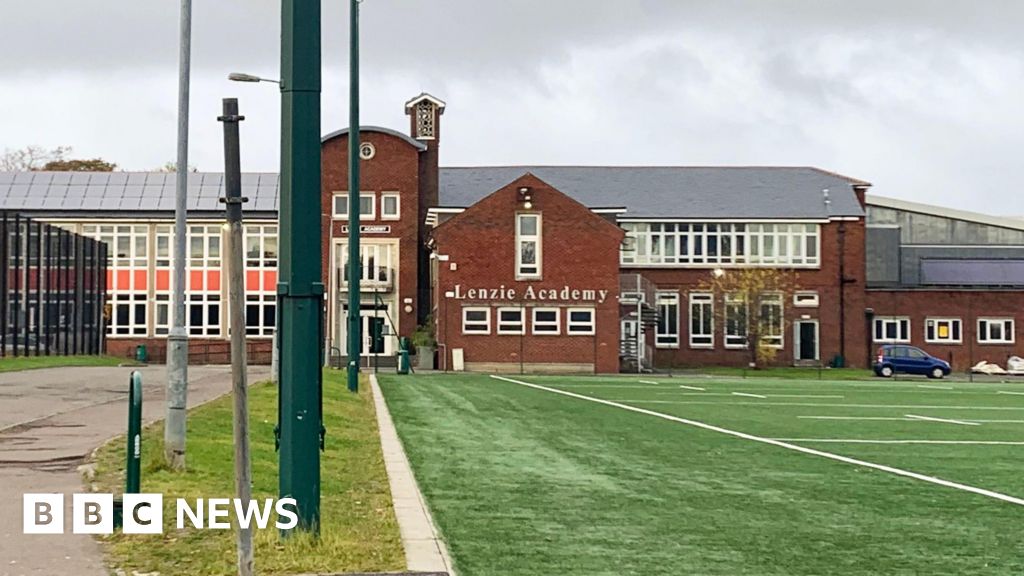
Lenzie School Fire: Serious Risk to Students’ Safety, Report Warns

The state of student safety and school infrastructure continues to be a pressing societal concern, especially as recent reports reveal alarming deficiencies within Lenzie Academy, a prominent secondary school serving over 1,300 pupils in East Dunbartonshire. An independent fire risk assessment, conducted by the council’s fire safety team, uncovered a series of dangerous conditions that not only threaten the physical safety of students and staff but also highlight broader issues of underinvestment, neglect, and systemic failure in local education infrastructure. These findings concern the community at large, shedding light on the direct impact social issues have on families, educational equality, and community resilience.

Among the most critical issues identified in the report are fire safety hazards—notably, fire exits that are not immediately operable, fire doors with damaged self-closers, and missing or broken glass panes. Such deficiencies reflect more than technical oversights; they embody a perceived prioritization of administrative neglect that jeopardizes lives during emergencies. The report’s 25 recommendations, including upgrading fire doors to ensure at least 30 minutes of fire resistance and properly storing combustible materials, underscore the urgency with which these risks need to be addressed. Sociologists like Dr. Lisa Miller argue that inadequate safety measures in schools directly undermine the moral fabric of our society by signaling a disregard for the safety of future generations, eroding trust in our public institutions.

This situation is compounded by the decades of underinvestment and systemic neglect pointed out by parents and teachers alike. A parent, speaking anonymously, accused local authorities of ‘years of neglect and underinvestment,’ emphasizing that Lenzie Academy has been left in a state of disrepair while other schools have received rebuilding efforts. Teachers’ union representatives describe conditions within the school as dangerous and unacceptable, citing not only fire hazards but also water leaks, missing ceiling tiles, and poor building security. This entrenched neglect reveals the societal challenge of ensuring equitable investment in educational infrastructure — a fundamental responsibility that affects families’ access to safe, quality education and the community’s sense of social cohesion.

While officials from East Dunbartonshire Council assert that safety remains a priority and that immediate remedial actions are underway, critics contend that these measures are merely reactive rather than systemic. The challenge remains: how can local governments foster a culture of proactive maintenance and accountability when budget constraints and bureaucratic inertia hinder progress? Social commentators warn that such neglect fosters distrust and disengagement among youth, threatening societal cohesion over time. However, there remains hope. By prioritizing community involvement, transparent accountability, and targeted funding, it is possible to turn these failing infrastructures into symbols of resilience and hope. As the social fabric is woven through each brick and beam we invest in, society’s true strength will be measured in how we repair what is broken and nurture what is fragile. Society’s challenge—and its potential—is etched into the walls of Lenzie Academy; the question now is whether we will choose to rebuild with purpose, ensuring that no child’s safety is compromised in the pursuit of austerity.

Britain’s Canals and Rivers at Risk as Funding Shortage Meets Climate Challenge

As climate change accelerates, Britain’s network of canals and rivers stands at a crucial crossroads, exposing vulnerabilities that go beyond local concerns. According to the Inland Waterways Association (IWA), a significant majority of these waterways—about 75%—are now under threat due to funding shortfalls and increasingly severe climate pressures. This revelation is not just a matter of domestic engineering but a stark reminder of how environmental and infrastructural decisions can ripple across an entire nation’s geopolitical landscape. With 99% of navigable waterways projected to face heightened risks under a predicted 2°C global warming scenario, the deterioration of Britain’s waterways signals broader challenges facing industrialized nations in managing aging infrastructure amid climate crises.

Historians and environmental analysts warn that such infrastructure failures underscore the pressing need for substantial investment and strategic planning. The collapse of the Bridgewater canal embankment earlier this year, despite being well-maintained, highlights the unpredictable damage wrought by extreme weather—storm surges, droughts, heavy rainfall—all amplified by erratic government support. As the CRT’s chief executive Campbell Robb points out, emergency repairs alone cost nearly £10 million last winter. It is a warning sign—climate pressures can cause catastrophic failures even in well-kept networks. This situation has profound how decisions affect societies; the loss of canals impacts local economies, disrupts wildlife corridors, and jeopardizes public access to nature, with ripple effects threatening social stability and economic resilience across the United Kingdom.

The geopolitical impact of Britain’s canal crisis extends outward, illustrating a global lesson. As climate change spurs international upheaval—flooding, droughts, resource conflicts—the domestic struggles over infrastructure funding mirror broader sovereign vulnerabilities. International organizations like the United Nations and World Bank have long warned about climate-induced destabilization, yet Britain’s reality demonstrates how even advanced nations face infrastructure decline without adequate foresight and investment. Infrastructure failures, compounded by underfunding, can erode public confidence, hamper economic activity, and deepen societal divides. This crisis is a microcosm of the tensions shaping the 21st-century global order: the pressing need for proactive strategies to preserve national stability in the face of environmental chaos.

At this juncture, the weight of history hangs heavy. With nearly 80% of waterways managed by entities like the Environment Agency and Scottish Canals—often operating under strained budgets—the path forward remains uncertain. As dissent grows—local authorities inevitability cannot meet maintenance obligations—Europe’s neighbor nations watch keenly, aware that these waterway failures could escalate into larger conflicts over water resources, climate migration, and economic survival. Without decisive action—an infusion of sustainable funding—Britain risks losing its navigable, cultural, and ecological treasures, turning historic canals into relics of a bygone era. The climax of this unfolding story serves as a warning: neglect today could very well write the chapter of irreversible decline tomorrow. The world watches with bated breath as the future of these vital arteries remains, for now, on the brink of an uncertain fate.

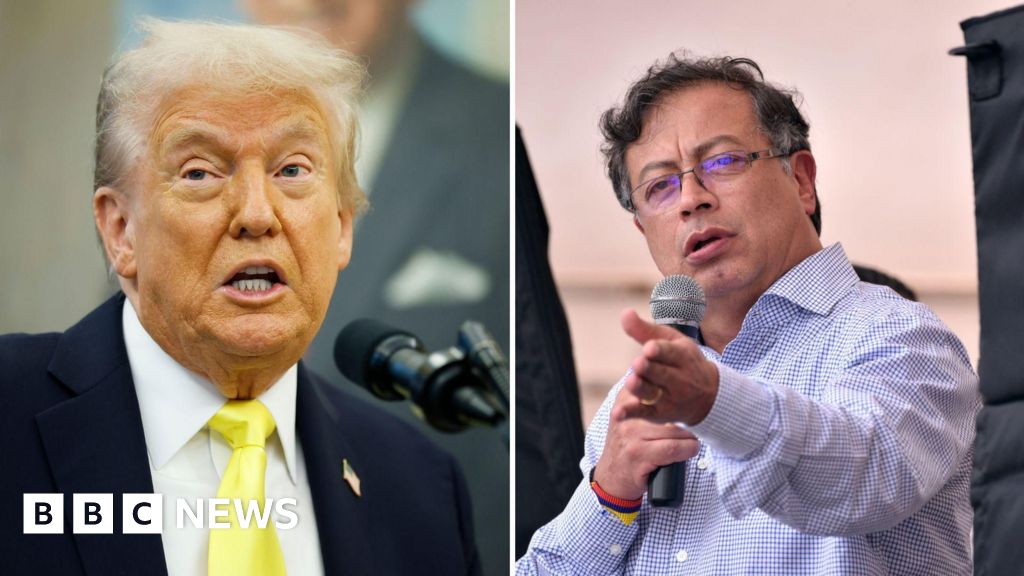
Trump vs. Petro: How the US-Colombia Alliance is at Risk

For decades, Colombia and the United States maintained one of the most robust alliances in the Western Hemisphere. Rooted in mutual interests against drug trafficking and insurgency, this partnership was largely shaped by “Plan Colombia”—a massive US-funded initiative launched in the early 2000s. This strategic cooperation resulted in significant military and security gains for Colombia, notably weakening the Farc guerrilla movement and establishing the country as a key regional security partner. However, recent developments suggest this once-strong partnership is unraveling, as political ideologies diverge sharply and conflicts escalate, threatening to destabilize both nations and embolden organized crime groups operating beyond the state’s reach.

Since Gustavo Petro assumed the presidency in 2022, the dynamic has shifted dramatically. A left-wing leader committed to pursuing peace and social justice, Petro’s policies have often clashed with the hardline approach historically favored by Washington. The situation reached a breaking point when Donald Trump returned to the White House and accused Petro of encouraging drug production in Colombia. The US government responded by suspending payments and subsidies, a move that signals the beginning of a wider rift. Experts from organizations like the Washington Office on Latin America (Wola) warn that such actions not only threaten bilateral security cooperation but also undermine efforts to curb record-high cocaine production, currently at its most alarming levels in decades. These developments expose vulnerabilities in the alliance, with analysts fearing that the resulting power vacuum may benefit transnational organized crime groups instead of the state—an ominous portent for the future of regional stability.

The roots of US influence in Colombia extend back to the early 2000s, when aid packages reaching over a billion dollars under “Plan Colombia” aimed to dismantle insurgent groups and stem drug flows. Following successes such as the demobilization of the Farc, US assistance waned but continued to be significant, providing Colombia with one of the region’s most formidable militaries. Nonetheless, despite these advances, cocaine cultivation persists at historic levels, highlighting the persistent failure of military solutions. As Héctor Galeano and other analysts note, the collateral effects of these policies—ranging from civilian abuses to the recruitment of demobilized paramilitaries into drug cartels—have complicated the narrative of victory. Now, as Washington signals a withdrawal and even formally de-certifies Colombia’s efforts to control drug trafficking, the geopolitical consequences become dire: regional security is compromised, and organised crime groups seem poised to fill the void left by reduced state capacity, risking a spiral of chaos that could echo well beyond South America.

The current crisis unfolds at a painfully inconvenient moment when Colombia is attempting to consolidate peace amidst rising violence, while President Petro seeks to implement a comprehensive plan for “total peace”—a mission undermined by targeted US military strikes. Trump’s aggressive anti-drug campaign, including unlawful maritime strikes in the Caribbean targeting vessels from Venezuela, has only intensified tensions and drawn sharp rebukes from Petro and the international community. These actions, fraught with questions of legality and sovereignty, threaten to fracture the foundation of a partnership that has proven essential for US military and intelligence operations—about 80% of the Caribbean’s drug intelligence comes from Colombia alone. As bilateral relations teeter on the brink, observers warn that the once indispensable alliance is now vulnerable to disintegration, with both nations potentially losing control over the drug trade and regional stability slipping beyond reach. The specter of history repeating itself—a once-unbreakable bond giving way to mutual mistrust and chaos—lingers ominously, emphasizing that the true winners of this fractured alliance are the traffickers and militants, who watch eagerly as the chaos unfolds.

October heat records at risk across multiple states as scorching heat moves east through central Australia

Australia Confronts Record-Breaking October Heatwaves and Severe Storms

In an alarming turn of climate patterns, Australia is experiencing unprecedented weather extremes that threaten to leave a lasting imprint on its environment and society. According to the Bureau of Meteorology, parts of South Australia, Queensland, New South Wales, and the ACT are set to endure temperatures soaring up to 15°C above average this weekend. These climatic anomalies are not only breaking historical records but also signaling a potential shift in global weather systems, prompting international concern about the evolving climate crisis.

Climate analysts and historians warn that these rapid temperature increases, especially in inland regions such as Oodnadatta and Birdsville, could constitute a harbinger of intensified extreme weather events caused by human-induced climate change. Dean Narramore, a senior meteorologist at the bureau, highlighted the severity of the situation, noting that some locations may approach or surpass their October temperature records. The forecast predicts 45°C in Oodnadatta on Monday, while the interior states could see their temperatures reach the low to mid 40s. Such conditions highlight an urgent consequence of a warming planet—a phenomenon that international organizations like the UN have described as a threat to global stability.

Global Implications of a Warming Australia

These extreme temperatures are not an isolated event but part of a larger narrative about the **accelerating impacts of climate change**. As Australia faces this unusual early summer heat, the geopolitical impact reverberates beyond its borders. Nations vested in climate diplomacy are watching closely, understanding that Australia’s weather patterns could serve as an early warning for broader global disruptions. The intergovernmental panels and international agencies emphasize that such irregularities threaten agricultural production, water security, and urban resilience, with ripple effects felt worldwide.

Meanwhile, severe thunderstorms loaded with potential for giant hail are predicted to strike eastern Queensland and northeastern New South Wales, areas already vulnerable to extreme weather. This unpredictable combination of heatwaves and violent storms underscores the fragile balance of Australia’s climate system, but it also exemplifies the how decisions made today shape the resilience of future societies. Historically, climate science experts like Dr. Jennifer Francis warn that failure to mitigate these rapid shifts could lead to irreversible environmental damage, challenging societies’ ability to adapt and survive.

Contemporary Challenges and International Response

As Australia grapples with these climatic upheavals, the international community faces a stark choice: intensify efforts to curb emissions or watch as the pattern of devastation accelerates. The recent weather upheaval underscores a fundamental truth voiced by global policymakers and historians alike—the window for meaningful action is narrowing. The recent intense heatwave, coinciding with the threat of deadly thunderstorms, exemplifies how local climate phenomena are intrinsically linked to global issues, urging nations to forge coordinated strategies to combat the crisis.

Yet, amidst warnings and predictions, the unfolding events serve as a reminder that history is not yet written. The choices made by governments, industries, and societies will determine the trajectory of this crisis. As the sun blazes hotter year after year, and as storms grow more ferocious, the question remains: will humanity rise to meet this challenge or be swallowed by an indifference that leaves future generations to bear the consequences of today’s inaction?

In the shadow of this climate upheaval, the weight of history bears heavily on the present—each decision a stroke on the vast canvas of the future. And as the story unfolds, one truth remains undeniable: **the unfolding climate crisis is not just the story of Australia but a universal chapter, demanding unwavering resolve before the pages of history close on our chance to act**.

F5 Hack Sparks Urgent Alert: Thousands of Networks at Risk

Nation-State Hackers Exploit F5 Software in Major Cybersecurity Breach

In an alarming development for both government agencies and Fortune 500 corporations, F5 Networks, a leading provider of networking and cybersecurity solutions headquartered in Seattle, has disclosed a significant breach indicating an advanced persistent threat (APT) campaign. According to federal government officials, hundreds of networks remain vulnerable to breaches by nation-state hacking groups. This incident underscores the growing threat landscape targeting critical infrastructure and enterprise systems, with potential disruptive implications for global digital ecosystems.

F5’s breach reveals an unprecedented level of threat sophistication, with hackers working for an undisclosed nation-state maintaining long-term access within the company’s internal network. The group had surreptitiously infiltrated the infrastructure overseeing updates for F5’s flagship product, BIG-IP, which is used by 48 of the world’s top 50 corporations for load balancing, security, and data management. The hackers exploited this position, downloading proprietary source code, including vulnerabilities that had yet to be publicly patched. This revelation signals a fundamental disruption in the traditional cybersecurity paradigm, as adversaries gain access to the very building blocks of network security—potentially enabling supply-chain attacks of a scale previously deemed unlikely.

The implications extend beyond F5’s immediate client base. By obtaining configuration details and source code, threat actors now wield a level of control and insight capable of orchestrating exploitative supply-chain compromises. Such breaches could enable the suppression or manipulation of traffic, data exfiltration, or even deployment of malicious firmware—posing grave concerns for critical infrastructure, financial institutions, and government networks. Security analysts highlight this as a stark warning: the vulnerabilities at the network’s edge—particularly those tied to sophisticated management systems—are high-value targets that can destabilize entire industries. As Peter Thiel and Elon Musk have long emphasized, technological dominance hinges on securing these crucial nodes before adversaries can establish footholds.

In the aftermath, F5 has responded by rolling out critical updates for its affected products, including BIG-IP, F5OS, BIG-IQ, and APM. Despite the company’s assurances of thorough investigations—coordinated with firms like IOActive and NCC Group—no evidence surfaced of data exfiltration or modifications to the system’s source code. Nevertheless, this incident has highlighted a pressing need for organizations to rethink cybersecurity strategies centered around disruption-resistant architectures and zero-trust frameworks. The breach’s strategic implications reinforce that disruption is no longer a future concern but an immediate reality; the next frontier of cybersecurity must prioritize resilience and rapid detection.

Looking to the future, industry analysts and security firms concur that we are standing on the brink of a new era. Major corporations and government agencies alike must accelerate efforts to adopt innovative safeguards, including real-time threat intelligence, AI-powered anomaly detection, and proactive threat hunting. As experts from MIT and Gartner warn, the cyberarms race is intensifying, and falling behind now will have catastrophic consequences. This breach serves as a stark reminder: the battle for digital dominance is being waged at the very core of our most vital networks. In this landscape of relentless disruption, rapid adaptation is the only way to defend the future of our interconnected world.

Unchecked Psychedelics in Mental Health: A Growing Risk for Youth

South Africa’s Psychedelic Industry Sparks Global Debate on Sovereignty and Society

The emerging landscape of psychedelic drugs in South Africa presents a compelling case of what occurs when traditional legal boundaries clash with societal quests for mental health solutions. Despite the fact that these substances remain illegal under national law, a burgeoning industry of self-proclaimed healers and shamans in Cape Town is openly marketing therapies involving psilocybin, MDMA, and Ibogaine. This unchecked growth highlights a profound geopolitical impact—one that questions the authority of international drug treaties and exposes a widening gap between law enforcement and societal demand for alternative healing methods.

Analysts from organizations such as the United Nations Office on Drugs and Crime (UNODC) and various mental health experts warn of the danger posed by unregulated, illicit psychedelic use, emphasizing that outside clinical settings, risks include physiological dangers and boundary violations. Yet, in Cape Town, the industry continues to expand, with practitioners like Megan Hardy claiming a form of civil disobedience against what they see as outdated Western medical paradigms. Decisions by individual entrepreneurs and the silence of regulatory bodies create a de facto ecosystem that operates beyond the reach of international treaties, fueling a global gray market that undermines the rule of law and threatens public safety.

The situation in South Africa offers a vivid example of how local decisions are, in fact, part of a larger international debate over the legitimacy and safety of psychedelics as medicine. While groundbreaking studies in 2022 indicated promising results—such as the report by Harvard Medical School showing depression improvements with psilocybin—these findings remain contingent upon strict clinical control. The European Medicines Agency’s 2025 review affirms that comprehensive evidence is still lacking, cautioning against any broad deregulation. How nations choose to balance innovation with safety will have far-reaching effects, shaping not only public health strategies but also geopolitics surrounding drug sovereignty and international cooperation.

Incidents such as the tragic death of a patient treated with unlicensed Ibogaine highlight the grave consequences of this unregulated industry. As noted by Dr. Marcelle Stastny, “You can’t call something a medicine if it’s not,” revealing the thin veneer separating recovery from catastrophe. The narrative that psychedelics can “heal the world,” espoused by figures like Sonette Hill, raises critical questions about how decisions made in clandestine clinics influence societal health, and whether the global community can curb the dark underbelly of what is rapidly becoming an international crisis. Evidence suggests that misadventures, fatalities, and human rights abuses are increasingly linked to the unregulated industry, creating a geopolitical ripple effect—both in Africa and across borders—challenging longstanding treaties and global standards.

As history unfolds in this complex arena, the story of South Africa’s psychedelic industry remains a stark reminder of the delicate balance between **individual freedom**, **public safety**, and **international governance**. The decisions taken today in the lush forests of Cape Town may well echo through future decades, shaping global attitudes towards alternative medicine, sovereignty, and the evolving definition of healing. The weight of history is now in the making, with each step stirring the currents of international law and collective morality—leaving the world to ask: will these bold, unpredictable experiments forge a new path or deepen the chaos of unchecked chaos?

White House plans layoffs as federal shutdown drags into third week—America’s government at risk

U.S. Government Shutdown: A Crisis with Far-Reaching Geopolitical Ramifications

The recent announcement by the White House of federal layoffs exemplifies a pivotal moment in America’s internal crisis. As the government persists through a third week of shutdown, the decision to initiate a reduction-in-force (\RIF) process signals not only domestic instability but also a potential shift in international influence and security stability. While officials remain opaque about affected departments, the impact resonates across essential sectors such as cybersecurity, food safety, and public safety — critical pillars that hold the foundation of both economic strength and geopolitical standing.

Analysts herald this situation as more than just a partisan squabble; it underscores a deeper erosion of trust and stability in the U.S. political system. Historically, such gridlock hampers America’s ability to project power and maintain its alliances. The union leaders’ condemnation, claiming these layoffs are “illegal” and “devastating,” encapsulates a wider ripple effect that transcends national borders. Uncertainty regarding the federal workforce’s future directly threatens America’s capacity for rapid response and diplomatic leverage, especially at a time when global rivals like China and Russia continue their strategic pursuits, often exploiting American domestic vulnerabilities.

Domestic Political Standoff: How Decisions within Washington Shape the Future

The core of the crisis stems from a deadlock between Republican and Democratic leaders over funding. The GOP’s insistence on a narrow funding proposal, coupled with Democratic demands for social policy safeguards, exemplifies the legislative impasse. This standoff doesn’t merely threaten the livelihoods of federal workers; it jeopardizes the U.S.’s ability to uphold international commitments and operational readiness. The refusal to reconcile these differences jeopardizes the paycheck of 700,000 federal employees and continues to erode public confidence in government institutions. Historically, protracted shutdowns have spurred unpredictable geopolitical consequences, as internal weakness invites external adversaries to test American resolve and commitment.

With the Senate functioning as a choke point—requiring at least 60 votes to pass legislation—the situation intensifies. The Democratic opposition’s demands for extending health subsidies and safeguarding public media echo broader societal divisions. Experts like Max Stier warn that such internal disarray hampers essential services, from air traffic control to veteran care, strengthening the narrative that America’s internal vulnerabilities are exposing weaknesses to the world. Strategists globally perceive that ongoing chaos at home could significantly diminish America’s leadership during critical moments, hampering future diplomacy and military coordination.

The Unfolding Narrative of Discontent and Power

As the crisis deepens, the public and military faces an uncertain future; many service members and federal workers are on the brink of missing multiple paychecks. This internal strife carries a stark warning: how political decisions ripple outward, threatening societal stability and international standing. The government, historically a symbol of strength and resilience, now appears fractured, as legal battles erupt over the legality of firings and layoffs. According to recent reports by organizations like the Center for American Progress, the timing and extent of these layoffs are constrained by complex legalities, yet the administration’s threats persist, casting a long shadow over the nation’s internal cohesion.

The precise weight of this internal crisis extends far beyond the borders of the United States. With traditional allies watching cautiously and rivals such as China and Russia eager to exploit perceived weaknesses, the global geopolitical chessboard shifts ominously. The parallels with past moments of American internal discord serve as a stark reminder: history often records the passage of internal chaos as a prelude to broader international recalibration. As the final pages of this chapter remain unwritten, the world braces for the next move—aware that the true impact of Washington’s turmoil may well define the global order for generations to come.

Fighting Back: Kids at Risk from Parents Spreading Dangerous Conspiracies

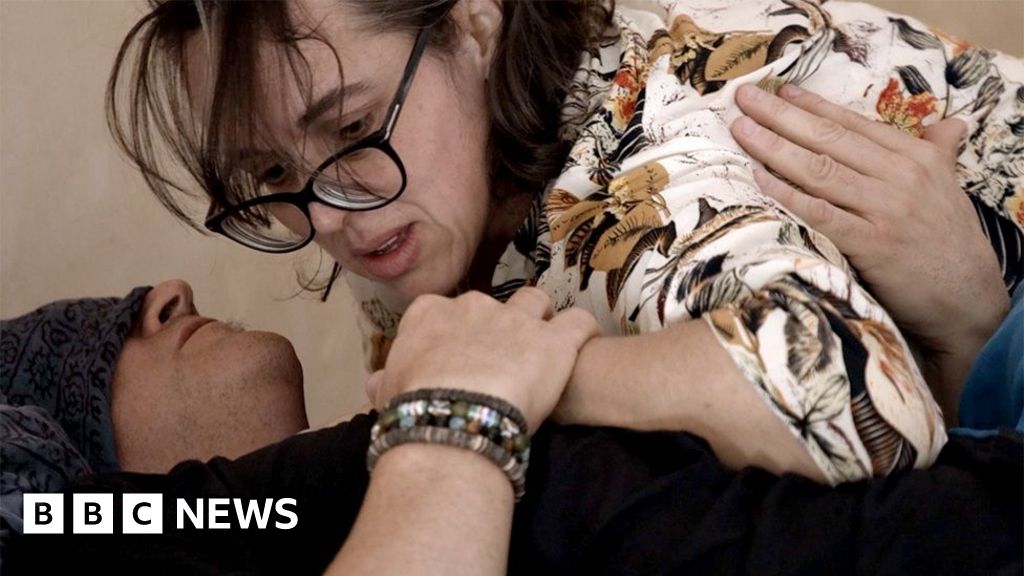
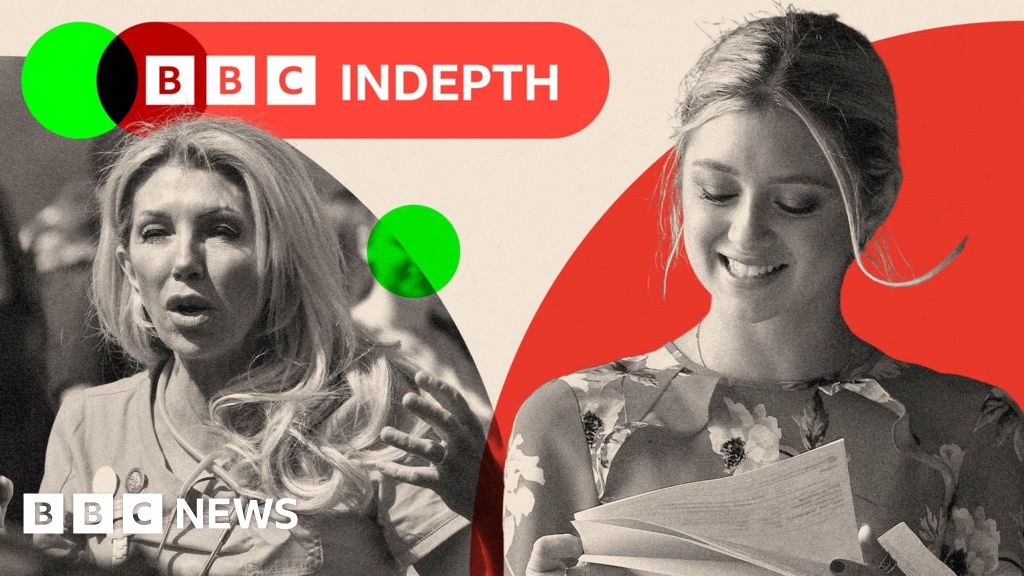
In recent years, the rise of misinformation has exposed profound vulnerabilities within our society, especially affecting families and communities. The tragic case of Paloma Shemirani, a young woman who succumbed to untreated cancer at the age of 23, underscores the dangerous consequences of unchecked conspiracy theories, fueled by social media and individuals with radical beliefs. Her mother, Kate Shemirani, a former nurse with a platform of over 80,000 followers, propagated unfounded claims about health and government interference, ultimately influencing her daughter’s critical health decisions. The inquest concluded that her care, heavily influenced by her mother’s beliefs and alternative treatments rejected by medical authorities, contributed significantly to her death. Such cases illustrate the devastating toll that cultural shifts towards skepticism of scientific consensus are taking on families and their trust in modern medicine.

Among the most troubling aspects is how social media serves as a breeding ground for conspiracy theories, creating insular communities where misinformation propagates rapidly and populates the minds of vulnerable individuals. Sociologists like Dr. Timothy Hill warn that these online communities form “a large network of people willing to bring others into the fold,” often trapping impressionable youth in an echo chamber that distorts reality. Data emphasize that individuals under 35 are disproportionately more susceptible to conspiracy beliefs, a demographic trend that threatens to weaken the pillar of public health initiatives. The decline in trust towards institutions such as the NHS and scientific authorities is a direct consequence of this misinformation, with experts like Liz O’Riordan emphasizing the life-threatening implications—ranging from declining vaccination rates to the resurgence of preventable diseases like measles.

At the core of this social dilemma lies a tension: balancing parental rights and community safety. The case of Paloma incited debate about how broad a parent’s influence should be when dangerous beliefs compromise their child’s well-being. While the UK law currently favors respecting parental autonomy, some specialists advocate for legislative reform that grants social services more authority to intervene in extreme cases of harmful misinformation. Critics, however, caution against overreach, warning that defining misinformation is subjective and that empowering the state to police beliefs could threaten fundamental freedoms. The challenge remains: how do societies protect vulnerable children without infringing on personal freedoms? This question persists at the intersection of morality, law, and societal responsibility.

Furthermore, the pervasive influence of social media platforms complicates efforts to counteract misinformation. The introduction of the UK’s Online Safety Act aims to curb illegal and harmful content; however, the murkiness of what constitutes “harmful” legal content raises concerns over censorship and free speech. Experts like Ms. O’Riordan advocate for equiping users—especially young people—with critical thinking skills, teaching them how to identify red flags and question authority—including family members. Gabriel Shemirani, Paloma’s brother, underscores this by emphasizing that conspiracy theories often thrive in isolation, but with education and open discourse, society can forge a resilient frontline against such destructive beliefs. In this fight, the strength of a community is rooted not just in legislation, but in empowering individuals to seek truth amidst the cacophony of falsehoods.

As society grapples with these issues, the hope lies in rebuilding trust in true knowledge and fostering a culture of inquiry. Just as a single seed can sprout into a mighty tree, the collective effort of communities, educators, and policymakers can invigorate the moral fabric needed to confront misinformation. Society must remember that behind every conspiracy theory is a human story—often of fear, loss, and longing for control. By recognizing this, society can transform its approach—moving beyond suspicion and suppression, toward understanding and resilience. In that future, the light of truth may yet pierce through the shadows of misinformation, guiding generations toward a society where families thrive on verified knowledge, and communities stand united in safeguarding their collective well-being.

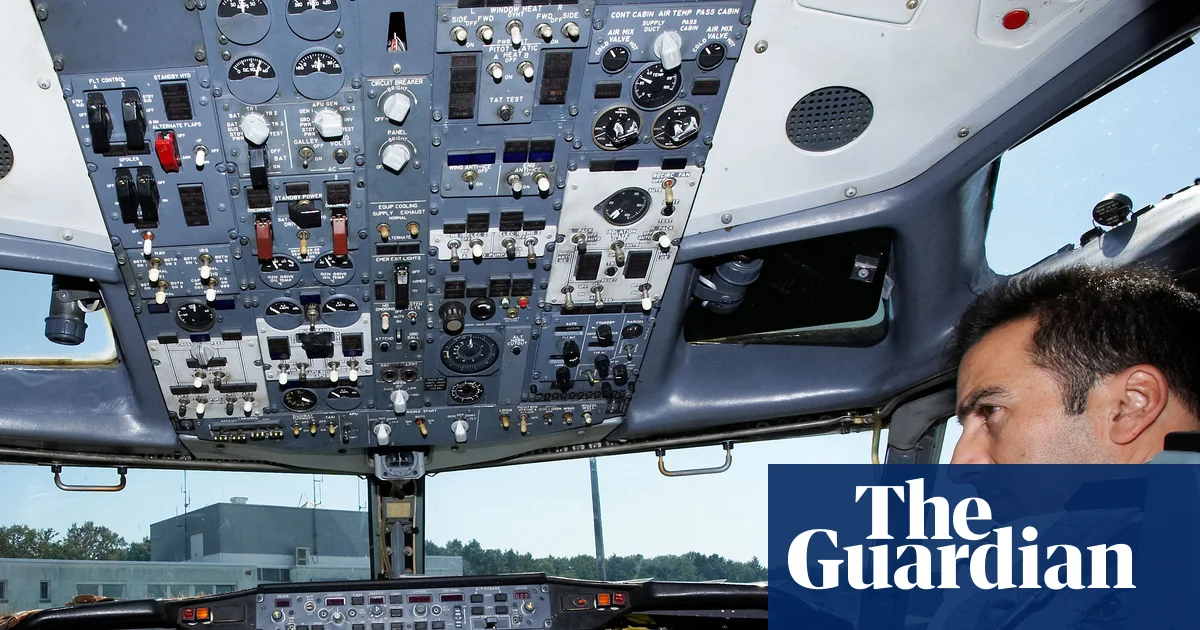
Europe’s skies at risk: Cost cuts and staff shortages threaten air safety, warns industry study

In a sobering revelation that casts doubt on the future of European aviation safety standards, a comprehensive study by Ghent University exposes dangerous shifts within the airline industry driven by relentless cost-cutting and corporate greed. As airlines prioritize profits over personnel welfare, pilots and cabin crew are pushed to work increasingly long shifts while feeling pressured to hide signs of exhaustion—factors that critically undermine passenger safety. This alarming trend, accelerated by the pandemic’s aftermath, signals a potential erosion of the continent’s once-robust safety protocols that, according to international safety experts, could have grave consequences for global aviation stability.

What is particularly troubling is the growing role conflict faced by airline staff, who are asked to juggle commercial responsibilities—such as onboard sales of alcohol and perfumes—with their fundamental duty to ensure passenger safety. The study highlights how a “Swiss cheese model” of systemic safety weakens with each cost-driven decision, creating “holes” where oversight fails. This phenomenon poses a significant geopolitical impact; with Europe striving to maintain its credibility as a leading aviation hub, these internal fissures threaten its reputation amid an increasingly competitive global industry dominated by low-cost carriers. International organizations and aviation analysts warn that a decline in safety could give rise to unforeseen disasters, risking not just lives but also damaging Europe’s hard-won stature in international civil aviation.

Underneath these systemic failures lies a troubling deterioration in crew morale and mental health. Nearly 70% of airline workers surveyed report falling below the threshold for positive mental health, with many describing a dehumanizing environment marked by fear, job insecurity, and a blatant lack of regard for their physical and psychological wellbeing. The phenomenon of “management by fear,” as experts call it, fosters a toxic workplace culture where safety is secondary to profit margins. Critics, including leaders of pilot unions such as Ignacio Plaza of the European Cockpit Association, warn that such conditions are not sustainable and could catalyze a crisis of confidence among industry professionals—crucial stakeholders for global flight safety. Historically, a well-trained, motivated workforce is the backbone of an aviation sector’s resilience, and the current trajectory risks making Europe a cautionary tale for the world.

As the international community watches, the question remains whether these trends will be addressed before they culminate in tragedy. The international aviation community—including the International Air Transport Association—has so far responded with muted concern, but assessments from top safety analysts suggest that urgent reform is needed. The choices made today—favoring short-term profits over the long-term integrity of safety systems—may yet define the legacy of this era. History, after all, often repeats itself, and the looming realization is that the caller’s whistle may come too late if decisive action isn’t taken. As the industry stands at this perilous crossroads, the weight of history presses down, reminding us that every decision now shapes the stories that future generations will recount—whether as cautionary lessons or as turning points toward renewal.

Social Media Auto Publish Powered By : XYZScripts.com