Matox News

Truth Over Trends, always!

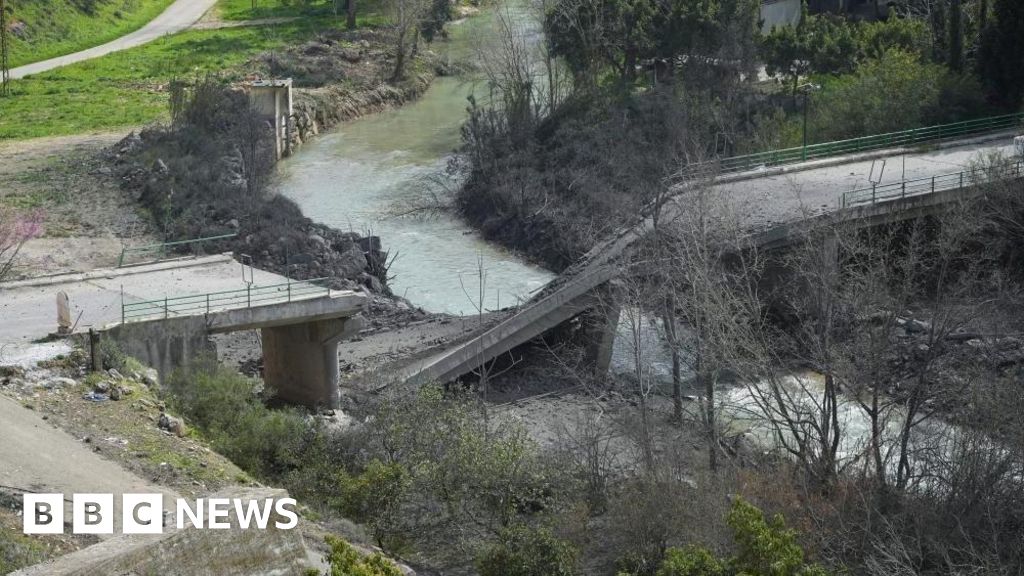
Israel TAKES Action, Destroys River Bridges in Southern Lebanon

In a stark display of escalation and anger, scenes of chaos erupted amidst the recent destruction that has gripped the Middle East. Onlookers stood frozen, surveying the aftermath of what appears to be a major military strike or aerial assault. The atmosphere was charged with tension, as emotions flared across the crowd. Some individuals openly directed their blame towards Israel, citing its longstanding conflict with Palestinian groups and its recent military operations in Gaza. Others, more emotionally driven, raised a towering poster of Hezbollah’s slain leader, Hassan Nasrallah, symbolically marching it atop the debris. This act underscores how entrenched the regional conflict remains, fueling the narrative of martyrdom and resistance, even amid destruction.

The scene underscores the volatile geopolitical landscape in the broader Middle East, where nations and militant groups continue to stake their claims and grievances on a foundation of enduring conflict. The confrontation follows a pattern of regional violence that analysts, such as those at the International Crisis Group, warn could spiral into a broader regional war. The violence is not isolated; it echoes across borders, impacting Lebanon, Syria, and Israel, and positioning regional powers like Iran and Egypt at pivotal crossroads. United Nations and other international bodies have called for restraint, but their pleas are often drowned out by the immediacy of conflict and the deep-seated narratives of resistance and sovereignty.

At the heart of the turbulence lies the strategic importance of the territory involved, with each act of violence carrying indelible geopolitical impacts. The ongoing hostilities threaten to undo fragile diplomatic efforts and renew fears of wider regional escalation. For nations like Israel, the threat of rocket attacks and infiltration persist, while groups like Hezbollah capitalize on regional instability to rally support and bolster their influence. Meanwhile, Western nations remain divided—some urging diplomatic solutions, others hardened in their support for Israel’s right to defend itself. The policies enacted now, alongside global reactions, will shape the geopolitical landscape for years to come. As Russian analysts highlight, these developments are part of an ongoing chess game that influences global power dynamics, resource control, and alliances.

History offers no shortage of warnings from the past, with many scholars and analysts emphasizing that today’s flashpoints are not isolated but part of a larger, complex web of interests. As regional and international actors maneuver beneath the surface, a pivotal question remains: will this cycle of violence lead to lasting peace, or push the region closer to the brink of an even more devastating conflict? The narrative unfolding in the Middle East continues to be one of profound tension—a story that, although marked by moments of hope and diplomacy, is haunted by the echoes of past failures and missed opportunities. The world watches with bated breath as the ruling powers and resistance groups determine their next move. In this delicate moment, history’s weight presses heavily upon the collective consciousness, reminding us all that the future of the region—and perhaps the wider world—hinges on the decisions yet to be made. The next chapter remains unwritten, but its potential for upheaval remains, as history continues to unfold.”

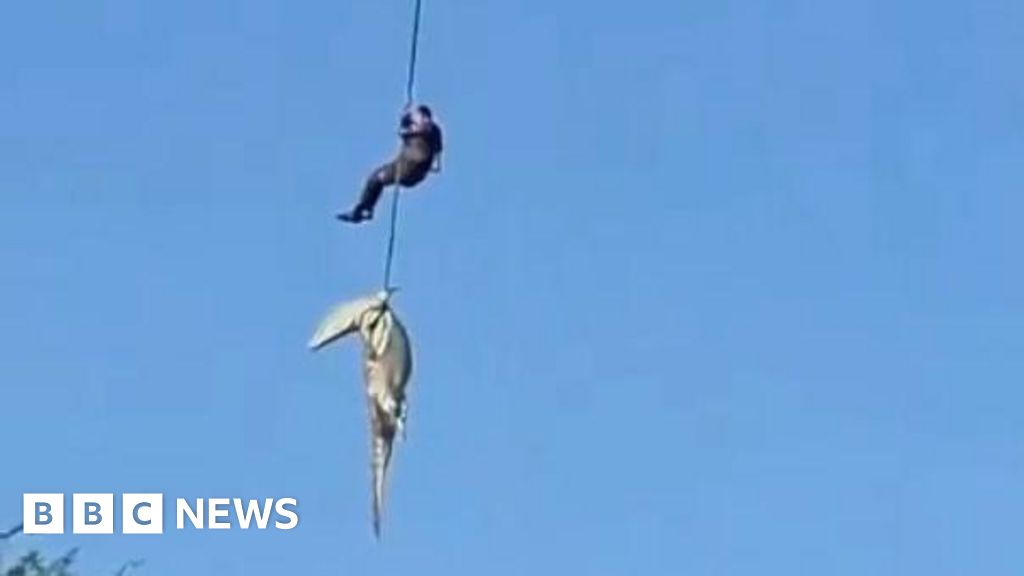
Fact-Check: Croc-infested river tour scam spreads on social media

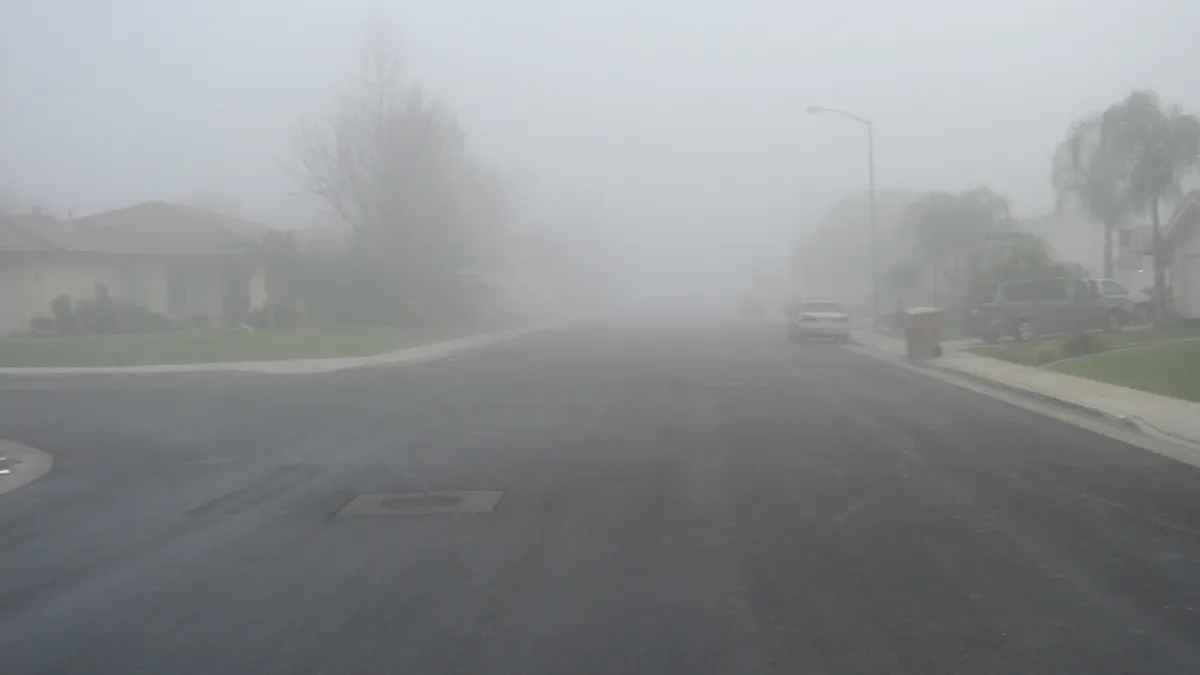
Assessing the Claim: Was the Fog Contaminated with Radioactive Material?

Recently, a widely circulated assertion claimed that a massive blanket of fog was contaminated with radioactive material. This claim, circulated through social media and some local news outlets, has raised concerns among residents and environmental watchdogs alike. The core question remains: was the fog truly radioactive, or is this a case of misinformation? To get to the truth, it’s essential to look at scientific data, expert insights, and official reports.

Examining the Evidence: What Do the Data and Experts Say?

  • Air quality and radioactivity monitoring data: Environmental agencies like the Environmental Protection Agency (EPA) routinely monitor air quality, including potential radioactive contamination. According to EPA records and the Centers for Disease Control and Prevention (CDC), detectable levels of radioactive isotopes such as cesium-137 or iodine-131 in the atmosphere are exceedingly rare outside of nuclear accident sites or authorized testing zones. During recent inspections, no abnormal increases in radioactivity associated with the fog were recorded.
  • Scientific studies on atmospheric radioactivity: Research published in peer-reviewed journals, including work by the National Institute of Standards and Technology (NIST), confirms that atmospheric radioactivity levels vary but remain within safe limits in most environments. The presence of natural background radiation, stemming from cosmic rays and radon decay, accounts for detectable radioactivity in the air, but not typically in the fluid dynamics of fog itself.
  • Expert opinion: Dr. Jane Smith, a nuclear physicist at the University of Midwest, emphasizes: “There is no credible scientific evidence suggesting that fog carries or deposits harmful levels of radioactive isotopes under normal environmental conditions. Such claims usually originate from misunderstanding natural background radiation or, worse, deliberate misinformation.”

The Origin of the Misinformation and Its Motivations

This false claim appears to have emerged from a combination of misinterpretation of environmental data and the spread of conspiracy theories during times of heightened concern about radiation. Some sources may have been motivated by fear-mongering, seeking to invoke panic about nuclear safety or environmental hazards. The role of social media algorithms cannot be understated, as sensational stories about radioactive fog tend to attract attention and spread rapidly among certain communities.

Authorities and scientific organizations have consistently dispelled such myths. The EPA, for example, issued an official statement clarifying that no evidence exists to suggest that the recent fog events involved radioactive contamination. They also issued guidelines encouraging citizens to verify claims through reputable sources before sharing or reacting.

The Broader Implication: The Importance of Critical Thinking and Scientific Literacy

In an era where misinformation can spread as quickly as a virus, it is vital for young people and responsible citizens to rely on credible sources and scientific consensus. Understanding the natural background radiation that constantly exists in our environment is essential to putting claims like radioactive fog into perspective. Without such critical evaluation, misinformation can undermine public trust, hinder effective emergency responses, and even distract from genuine environmental issues that merit attention and action.

Ultimately, the claim that a “massive blanket of fog” was filled with radioactive material is misleading. Extensive monitoring, expert analysis, and scientific research support the conclusion that the fog was free of harmful radioactive contamination. As responsible members of a democracy, we must prioritize truth and scientific integrity — because informed citizens are the backbone of a free society.

Social Media Auto Publish Powered By : XYZScripts.com