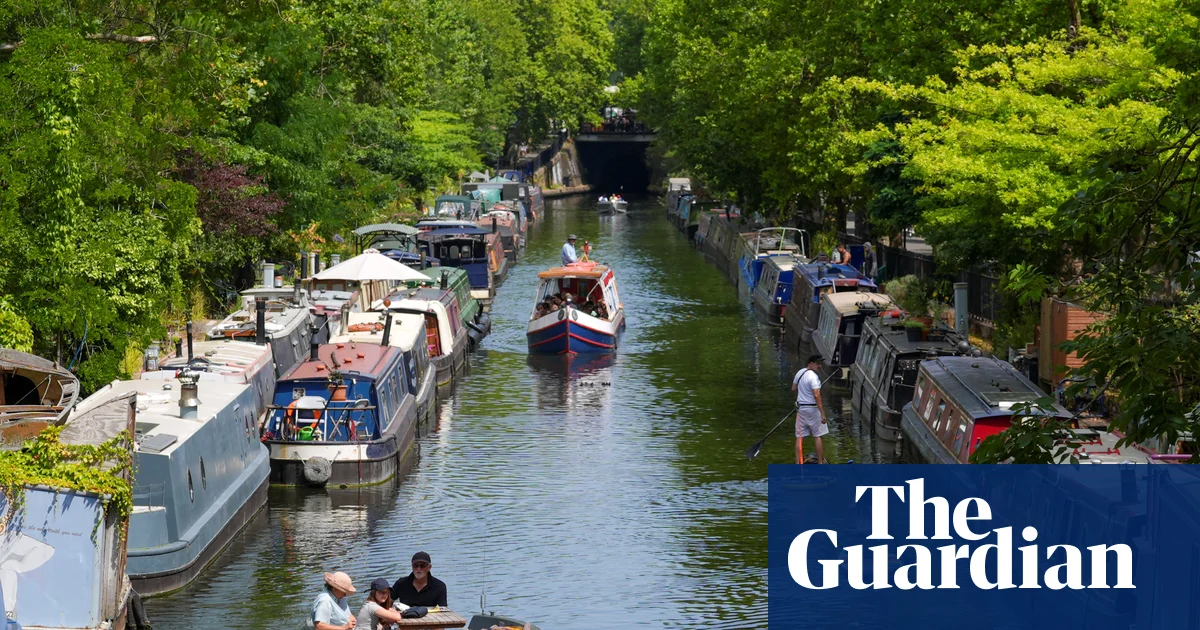

As climate change accelerates, Britain’s network of canals and rivers stands at a crucial crossroads, exposing vulnerabilities that go beyond local concerns. According to the Inland Waterways Association (IWA), a significant majority of these waterways—about 75%—are now under threat due to funding shortfalls and increasingly severe climate pressures. This revelation is not just a matter of domestic engineering but a stark reminder of how environmental and infrastructural decisions can ripple across an entire nation’s geopolitical landscape. With 99% of navigable waterways projected to face heightened risks under a predicted 2°C global warming scenario, the deterioration of Britain’s waterways signals broader challenges facing industrialized nations in managing aging infrastructure amid climate crises.
Historians and environmental analysts warn that such infrastructure failures underscore the pressing need for substantial investment and strategic planning. The collapse of the Bridgewater canal embankment earlier this year, despite being well-maintained, highlights the unpredictable damage wrought by extreme weather—storm surges, droughts, heavy rainfall—all amplified by erratic government support. As the CRT’s chief executive Campbell Robb points out, emergency repairs alone cost nearly £10 million last winter. It is a warning sign—climate pressures can cause catastrophic failures even in well-kept networks. This situation has profound how decisions affect societies; the loss of canals impacts local economies, disrupts wildlife corridors, and jeopardizes public access to nature, with ripple effects threatening social stability and economic resilience across the United Kingdom.
The geopolitical impact of Britain’s canal crisis extends outward, illustrating a global lesson. As climate change spurs international upheaval—flooding, droughts, resource conflicts—the domestic struggles over infrastructure funding mirror broader sovereign vulnerabilities. International organizations like the United Nations and World Bank have long warned about climate-induced destabilization, yet Britain’s reality demonstrates how even advanced nations face infrastructure decline without adequate foresight and investment. Infrastructure failures, compounded by underfunding, can erode public confidence, hamper economic activity, and deepen societal divides. This crisis is a microcosm of the tensions shaping the 21st-century global order: the pressing need for proactive strategies to preserve national stability in the face of environmental chaos.
At this juncture, the weight of history hangs heavy. With nearly 80% of waterways managed by entities like the Environment Agency and Scottish Canals—often operating under strained budgets—the path forward remains uncertain. As dissent grows—local authorities inevitability cannot meet maintenance obligations—Europe’s neighbor nations watch keenly, aware that these waterway failures could escalate into larger conflicts over water resources, climate migration, and economic survival. Without decisive action—an infusion of sustainable funding—Britain risks losing its navigable, cultural, and ecological treasures, turning historic canals into relics of a bygone era. The climax of this unfolding story serves as a warning: neglect today could very well write the chapter of irreversible decline tomorrow. The world watches with bated breath as the future of these vital arteries remains, for now, on the brink of an uncertain fate.