
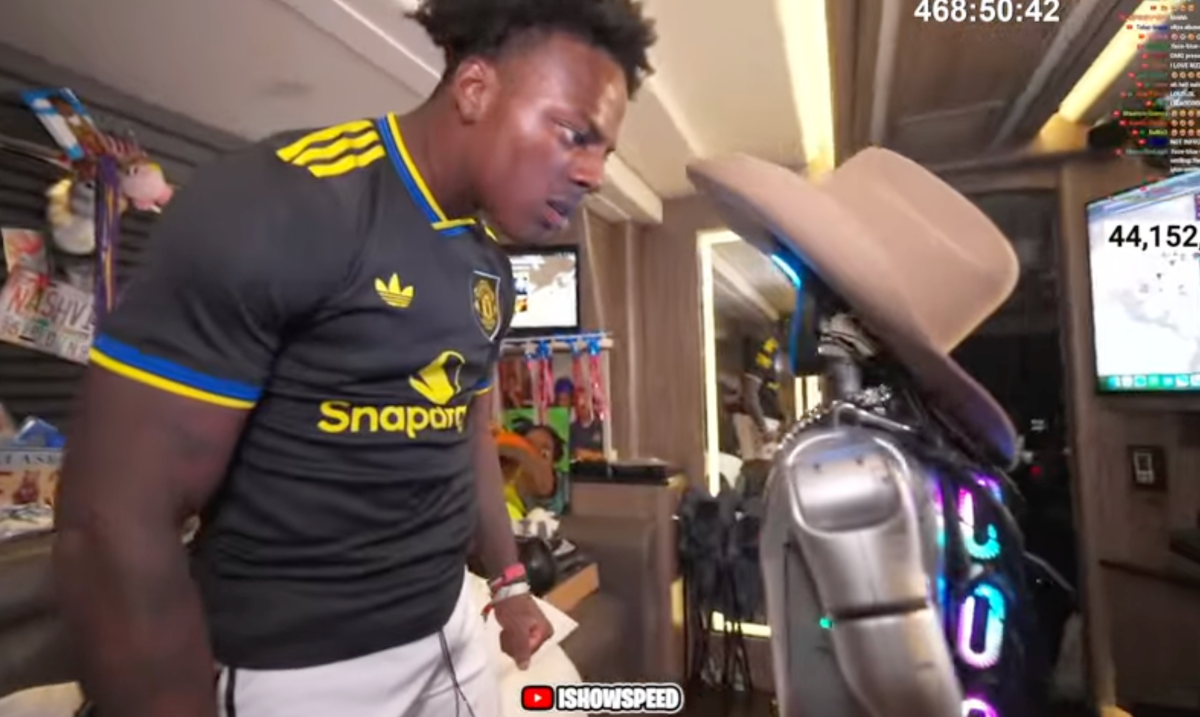

Rizzbot and IShowSpeed’s Viral Encounter Sparks Industry-Wide Shift in AI and Robotics
In a striking display of innovation and disruption within the AI and robotics sector, the recent clash between popular streamer IShowSpeed and the humanoid influencer robot Rizzbot has sent ripples through the tech industry. The incident, livestreamed and now subject to legal proceedings, underscores the volatile intersection of cutting-edge robotics and mainstream digital entertainment, illuminating critical challenges and opportunities for businesses leveraging AI-driven humanoids for social engagement.
This event highlights a broader trend towards disruptive AI-powered personalities that have been reshaping consumer interactions and digital marketing strategies. Rizzbot, developed by Social Robotics, has amassed over a million followers and hundreds of millions of views, symbolizing a new era where humanoid influencers command tremendous social influence with potentially game-changing implications. However, the fallout from this incident—marked by allegations of physical abuse and resulting substantive damage to Rizzbot’s hardware—raises pressing questions about responsibility, ethics, and safety in deploying humanoid AI in live, unscripted environments.
Tech Industry Impact and Business Disruption
The legal proceedings reveal the stark realities of integrating AI and robotics into mainstream content, especially when high-profile personalities like Speed engage with these entities. The lawsuit alleges extensive damage—including broken sensors and compromised functionality—causing significant financial and reputational losses for Rizzbot. This incident accentuates the pressing need for robust AI safety protocols and liability frameworks, especially as AI humanoids are primed to become more commonplace in entertainment, marketing, and even customer service.
- Disruption of AI-Influencer Market: The incident questions the sustainability of AI humanoids as reliable brand ambassadors.
- Operational Risks: Physical abuse, hardware damage, and legal liabilities threaten the economic viability of humanoid AI engagement models.
- Ethical Considerations: The event spotlights concerns over AI ethics and responsible usage, prompting calls for tighter regulation.
Founded on innovations in machine learning, sensors, and real-time interaction, companies like Boston Dynamics and Hanson Robotics are racing to develop robots capable of nuanced social interactions. However, the incident with Rizzbot illustrates that without adequate control mechanisms and safety measures, existing technology remains vulnerable. Industry experts like Gartner analysts warn that, as AI power scales, so does the potential for misuse and high-profile failures that could stall market growth.
Looking Forward: The Urgency of Innovation and Regulation
This disruptive incident marks a pivotal moment in the evolution of AI-driven personas—highlighting both the explosive potential of humanoid robots and the urgency for regulatory frameworks. As Elon Musk and Peter Thiel have repeatedly emphasized, accelerating innovation must go hand in hand with ethical safeguards and safety protocols. The next frontier involves integrating AI safety measures, liability standards, and advanced sensors to prevent damaging incidents that could curtail industry momentum.
With major events like the upcoming TechCrunch Summit in San Francisco (October 13-15, 2026), the industry stands at a crossroads—either driving forward with rugged innovation or facing the adverse effects of lax oversight. The future of humanoid AI hinges on decisive action now, as the global race for technological dominance accelerates. The potential for disruption in social media, entertainment, and beyond will only expand, demanding that developers, investors, and regulators collaborate to shape a responsible AI-empowered future.





