
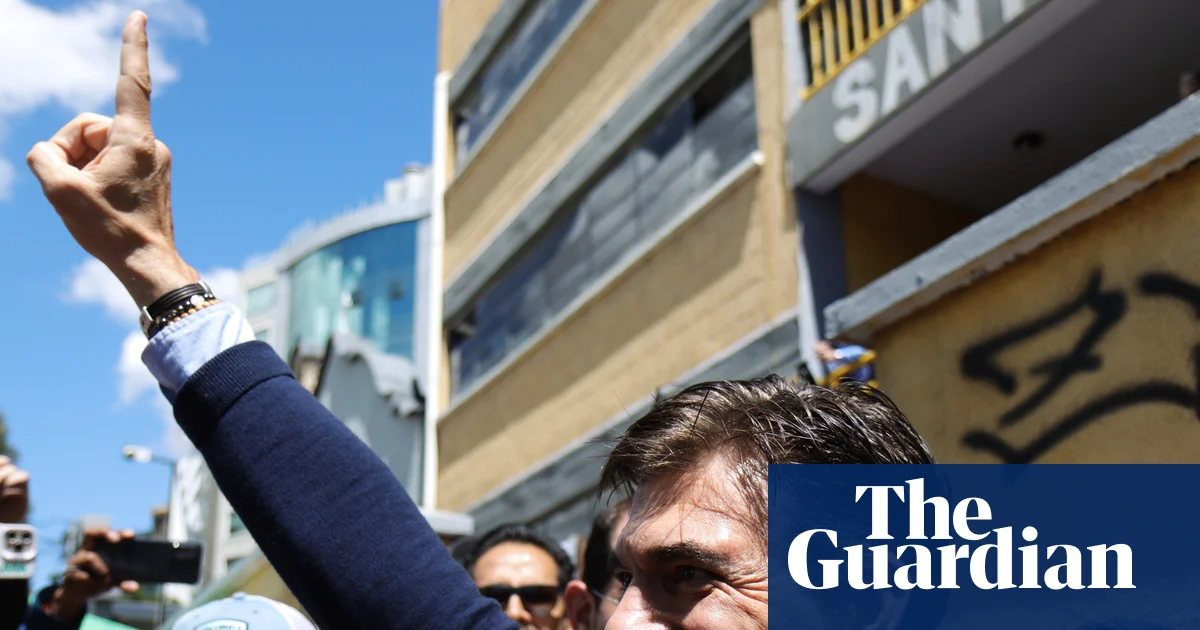

Bolivia’s Political Shift Signals Geopolitical Repercussions
In a historic turn of events, Bolivia has elected Rodrigo Paz Pereira, a centre-right senator, as its new president, signaling a significant departure from nearly two decades of socialist dominance under the Movimiento al Socialismo (MAS). With approximately 97% of ballots counted, Paz Pereira secured 54.6% of the vote, defeating Jorge “Tuto” Quiroga by a notable margin. This electoral outcome not only embodies a national desire for economic stabilization but also shifts the country’s geopolitical orientation, resonating across regional alliances. The victory underscores a widespread disillusionment with MAS’s socialist policies, which critics blame for Bolivia’s deepening economic crisis marked by inflation, fuel shortages, and retreating social cohesion.
Analysts emphasize that Paz Pereira’s election is more than just a change in leadership; it marks a redefinition of Bolivia’s geopolitical stance. Historically aligned with Evo Morales’ socialist movement, the country now appears poised for closer ties with conservative Western nations, potentially recalibrating regional power dynamics. International organizations like the Organization of American States (OAS) and European observers noted the election day passed without incident, affirming the process’s legitimacy. Still, global powers keenly watch how Paz Pereira’s government will navigate Bolivia’s deep-seated economic woes and the legacy of MAS, especially with the ongoing legal complications involving Morales, who is currently facing arrest warrants. The new administration faces the formidable challenge of stabilizing Bolivia—an economically fractured nation—and resetting its external partnerships on a more conservative trajectory.
With Paz Pereira’s victory, the landscape of Bolivia’s internal politics is fundamentally altered. The collapse of the MAS party—the once-dominant force holding two-thirds of Congress—highlights the profound shift in political loyalties. His campaign, which centered on “popular capitalism” and economic reforms aimed at small entrepreneurs, resonates with a populace desperate for stability amid systemic turmoil. This signals to regional neighbors and global allies that Bolivia’s political future may steer away from socialist ideals, embracing a more market-oriented approach. Historians and political analysts project that this transition could expedite Bolivia’s reintegration into international economic networks, favoring trade, investment, and infrastructure development—crucial for a country grappling with unemployment and informal employment that touches 80% of its workforce.
However, the road ahead remains treacherous. La Paz’s new government must grapple with a fractured Congress, limited legislative capacity, and the lingering shadow of Mazist influence. Paz Pereira’s alliance with his popular running mate, former police officer Edman Lara Montaño, symbolizes a pivot toward law and order, promising to stabilize prices, combat corruption, and promote legal reforms. Yet, this transition also intensifies the geopolitical significance of Bolivia’s internal conflicts, as international actors observe whether this new regime will honor commitments of free, fair governance or become another chapter in the region’s tumultuous history. The echoes of Morales’ tenure—marked by social upheaval, economic decline, and legal quagmires—will remain embedded in Bolivia’s national psyche. As leaders and citizens brace for what lies ahead, the weight of history presses down, revealing a nation at a crossroads—its future yet unwritten in the grand narrative of regional geopolitics. The unfolding story of Bolivia’s resurgence will invariably influence the delicate balance of power across South America, foreshadowing challenges and opportunities that could reverberate well beyond its borders.





