Matox News

Truth Over Trends, always!

Alessandro Michele’s Roman Revival: How Beauty Evolves in Valentino’s Trendsetting Tribute

Fashion has always been a reflection of cultural identity, social values, and artistic expression, and Valentino Garavani embodied this ethos with his unwavering dedication to creating exquisite, beautiful clothing for the women who could afford them. The Italian designer, whose persona was as sun-kissed and glamorous as his creations, left an indelible mark on fashion history before his passing in January. His legacy is wrapped in the Mediterranean elegance of Rome, where he lived, worked, and ultimately became a symbol of timeless allure. Recently, the brand chose to honor this legacy by restoring its focus to Rome for its latest catwalk, signalling a conscious shift back to its roots amid a landscape of fast-paced, ever-evolving trends.

Gaining a deeper understanding of Valentino’s cultural impact requires examining the new creative direction under designer Alessandro Michele. Since taking over in 2024, Michele has used his platform at Valentino to push the boundaries of traditional beauty, infusing collections with a complex mix of political and social statements. Unlike Valentino Garavani’s straightforward pursuit of “making his girls look sensational,” Michele’s approach is more layered, blending aesthetics with commentary. For example, his recent collection, set in a stunning 17th-century palace in Rome, featured lace-dipped hems, draped tunics, and jewel-toned hues reminiscent of a vibrant, empowered 1980s era—an homage to a time when women were in control of their presence and identity. This shift to embracing a more \u201cunorthodox\u201d definition of beauty signals a broader cultural conversation, pushing fashion beyond superficial glamour to a space where social relevance is the new standard.

This transformation is further exemplified by Michele’s strategic use of symbolism in his designs and shows. His previous work at Gucci, which transformed the brand into a treasure trove of retro eccentricity, demonstrates a keen ability to redefine luxury by tapping into nostalgia and cultural moments. Now, by echoing the boldness of the 1980s and making personal connections—like dedicating the collection to his mother—Michele is redefining what it means to wear power and positivity through fashion. The collection’s historic Roman setting, intertwined with Valentino’s Hollywood connections—famous moments with Elizabeth Taylor and Sophia Loren—serves as a reminder that fashion’s social relevance has always involved storytelling rooted in societal icons and narratives. This intersection of history and contemporary messaging is demonstrating that high fashion isn’t just about external beauty but serves as a mirror for ongoing social shifts and cultural dialogues.

As the luxury industry faces rapid change, driven by new generations of consumers and shifting values, the most intriguing question is whether this era signals a broader trend of brands reasserting cultural significance. With Kering’s interest in acquiring Valentino and Michele’s potential to turn Valentino into a similarly influential cultural force as he did with Gucci, the evolving landscape poses a challenge to traditional notions of beauty and exclusivity. The question is: will fashion maintain its role as a social beacon, or will it withstand the growing pressures of consumer activism and digital transparency? The next chapter may very well hinge on whether designers and brands will prioritize social relevance and cultural storytelling over solely aesthetic pursuits—an evolution that could redefine the very purpose of luxury fashion in the digital age. As Michele himself reflects on the current moment—”working in fashion when there is a war outside”—the future of style might demand not only beauty but resilience, purpose, and a question: what role will fashion play in shaping society’s next values?
Roman Abramovich slams 'conspiracy' targeting Jersey government
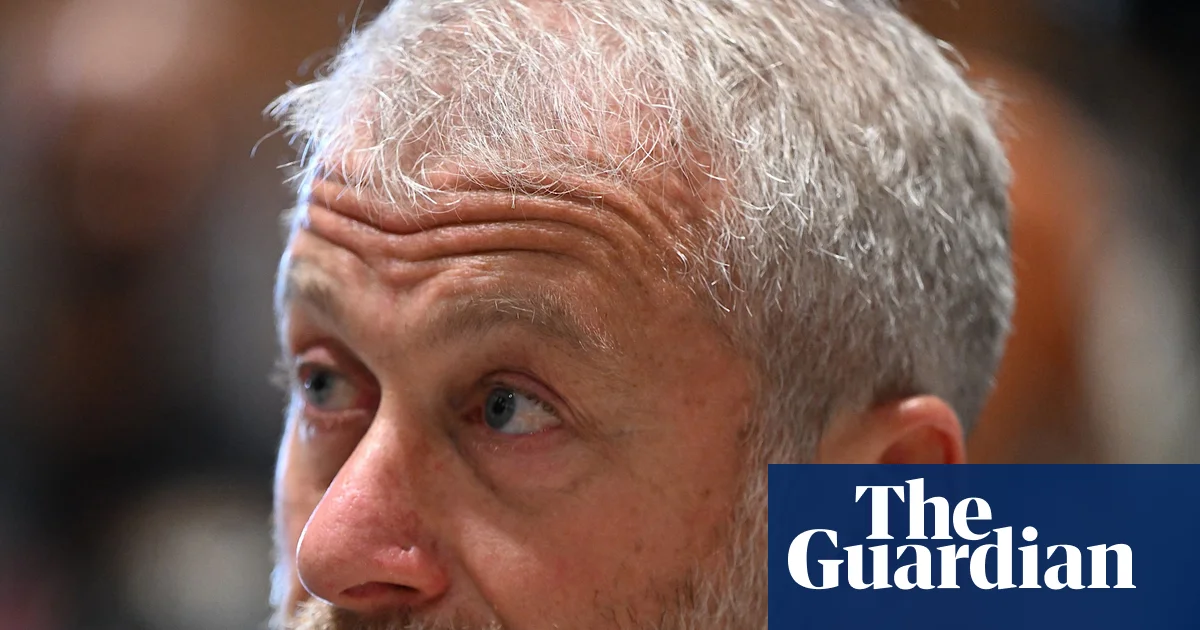
Roman Abramovich slams ‘conspiracy’ targeting Jersey government

The recent escalation in the legal confrontation between Roman Abramovich, the infamous Russian oligarch once associated with Chelsea FC, and the government of Jersey underscores a broader trend of increasing scrutiny over offshore wealth and its geopolitical implications. The Crown dependency has launched a criminal investigation into allegations of corruption and money laundering, linking Abramovich’s vast fortune to illicit practices rooted in the tumultuous economic transition of 1990s Russia. This case exemplifies how elite financial networks—often concealed in tax havens—continue to shape global power dynamics. Analysts suggest that the unfolding legal battle could expose not only individual misconduct but also reveal the deeper mechanisms of international financial secrecy, which influence geopolitics at the highest levels.

In September, a Swiss federal criminal court ordered the release of Swiss banking records that implicated Abramovich’s wealth sources. These revelations prompted Jersey authorities to intensify their investigation, which initially targeted his offshore assets frozen shortly after Russia’s invasion of Ukraine in 2022. The freeze of over $7 billion in assets illustrates the sharp edge of international sanctions, designed to exert economic pressure on Russia and its elites. Yet, Abramovich’s legal team has argued that there is *no* concrete evidence linking him to criminal activity and has called the investigation a possible conspiracy. This claim aligns with a broader pattern where wealthy individuals employ legal and diplomatic tactics to shield their assets, delaying accountability and revealing the ongoing struggle for transparency in international finance.

The case’s significance extends beyond individual fortunes, highlighting the strategic importance of offshore jurisdictions like Jersey. These maritime enclaves facilitate the concealment and movement of assets, often out of reach of Western legal systems and sanctions regimes. The recent court orders demanding the disclosure of private messages, emails, and data—an unprecedented move—serves as a turning point, threatening to open a Pandora’s box of covert dealings. As Jersey’s government comes under pressure to justify its confidentiality policies, international organizations like the Financial Action Task Force (FATF) are raising concerns about the global impact of such secrecy, which enables corruption, illicit finance, and geopolitical leverage against Western interests.

Historian and geopolitical analyst Dr. James Thornton warns that this case exemplifies the fragile balance between sovereignty, financial privacy, and national security. “The decision by Jersey authorities to release sensitive data about a powerful oligarch reflects a potential shift in the legal landscape—one where transparency can no longer be bypassed with mere legal veneer,” he states. The United Kingdom and international community watch closely, aware that these revelations could influence not only individual reputations but also the broader conflict frameworks involving Russia, Ukraine, and Western sanctions. As the legal drama unfolds, the weight of history hangs heavily over Jersey’s tiny islands—reminding the world that even the most secretive financial fortresses are not immune to the relentless tide of accountability and justice.

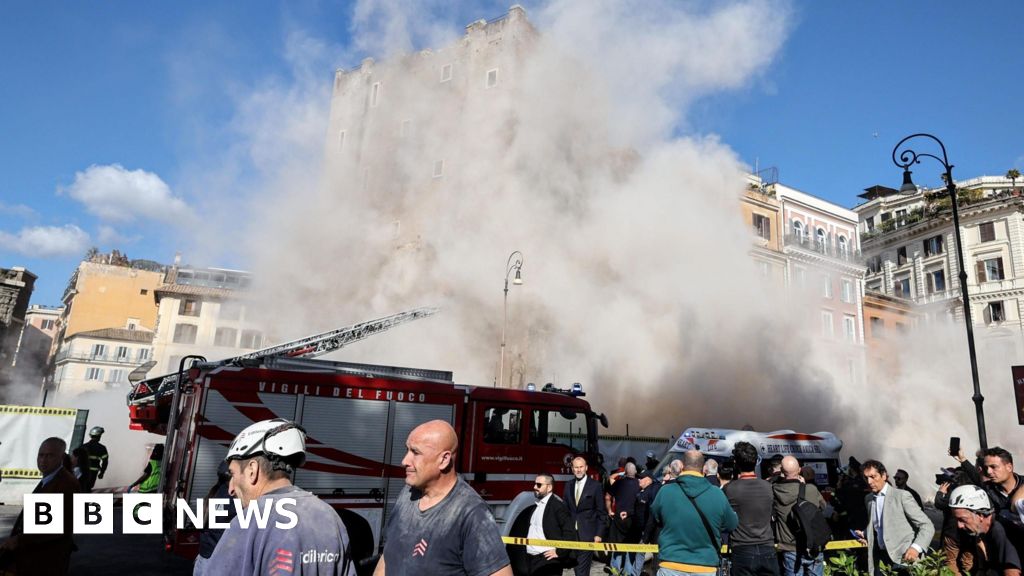
Worker rescued amid collapse of historic Roman tower

Emergency Response in Rome: A Medieval Tower Collapse and Its Geopolitical Implications

In a dramatic turn of events that has captured global attention, a section of the Torre dei Conti, a medieval tower nestled in the heart of Rome, abruptly collapsed, trapping workers beneath its ruins. The incident underscores the ongoing challenges faced by aging historical structures across Europe, and raises questions about the effectiveness of heritage conservation policies, especially amid increasing urban pressures and resource constraints. The affected worker, reportedly from Romania, was rescued after a harrowing rescue operation lasting more than twelve hours, highlighting both the resilience of local emergency services and the delicate balance between preserving historical infrastructure and managing modern safety standards.

The collapse came during ongoing conservation work on the tower—a structure that has stood since the 13th century and was originally built by Pope Innocent III as a residence for his brother. Although closed to the public for many years, the incident reveals the latent risks lurking in neglected or poorly maintained monuments, posing a significant threat to both workers and the local community. The European Union, which has poured billions into heritage preservation, now faces increased scrutiny from international analysts and historians who warn that aging infrastructure in historic cities might be a ticking time bomb, especially as climate change and urban development accelerate deterioration.

International organizations, including UNESCO, have long emphasized the importance of comprehensive conservation strategies in historic zones. Yet, incidents like the Torre dei Conti collapse serve as stark reminders of the vulnerabilities associated with neglect and aging structures—vulnerabilities that can have dire consequences for societal safety and cultural heritage. As the Italian government launches an investigation into the incident, critics argue that this tragedy could have been mitigated with more proactive inspection and maintenance. Meanwhile, local authorities, including Rome’s mayor Roberto Gualtieri, and national leaders, emphasize the resilience and dedication of emergency responders, who navigated the complex, hazardous rescue environment, often under threat of further collapse. The incident is not merely a local tragedy but also a poignant example of how interconnected history, safety, and geopolitics are, especially in a city where history’s weight continues to influence modern policy.

Broader Geopolitical Impact of Heritage Site Preservation

The incident in Rome amplifies the ongoing debate over heritage management across Europe and beyond. Countries with rich histories such as Italy, France, and Greece are grappling with budget cuts and policy shifts that threaten the stability of their ancient monuments. International analysts warn that neglect of such sites could undermine tourism—a vital economic sector—and diminish cultural identity. The European Union, under its European Cultural Heritage Action Plan, has pledged funding and expertise to safeguard these treasures, but critics argue that implementation remains inconsistent. To some, this event underscores a broader geopolitical concern: failing to protect shared cultural legacies risks eroding the very fabric of European identity, which is now intertwined with the resilience of its historical structures.

Experts such as Dr. Marco Rossi, a historian specializing in medieval architecture, warn that the collapse foreshadows a potential crisis that extends beyond Italy’s borders. As climate change accelerates deterioration through increased humidity, temperature fluctuations, and pollution, the feasible future of Europe’s ancient landmarks depends on concerted international action. The incident raises alarms for policymakers—how do nations prioritize heritage amid other pressing needs? And further, how does international cooperation shape the future of our shared cultural assets in a geopolitical landscape rife with rising nationalism and economic competition?

The rescue effort, still ongoing in the shadow of recent incidents, ultimately leaves us contemplating the profound impact of decisions made today. As officials work tirelessly to ensure the safety of those involved, the shadows of history stretch long—reminding the world that the fabric of history is fragile and that its preservation is a collective obligation. The unfolding story of the Torre dei Conti is a stark chapter in a longer narrative—one where the lessons of yesterday hinge upon the actions we take today and in the years ahead. The weight of history presses heavily on this moment, as the world watches and wonders: how many more monuments must falter before the tide of neglect is stemmed?”

Social Media Auto Publish Powered By : XYZScripts.com