Matox News

Truth Over Trends, always!

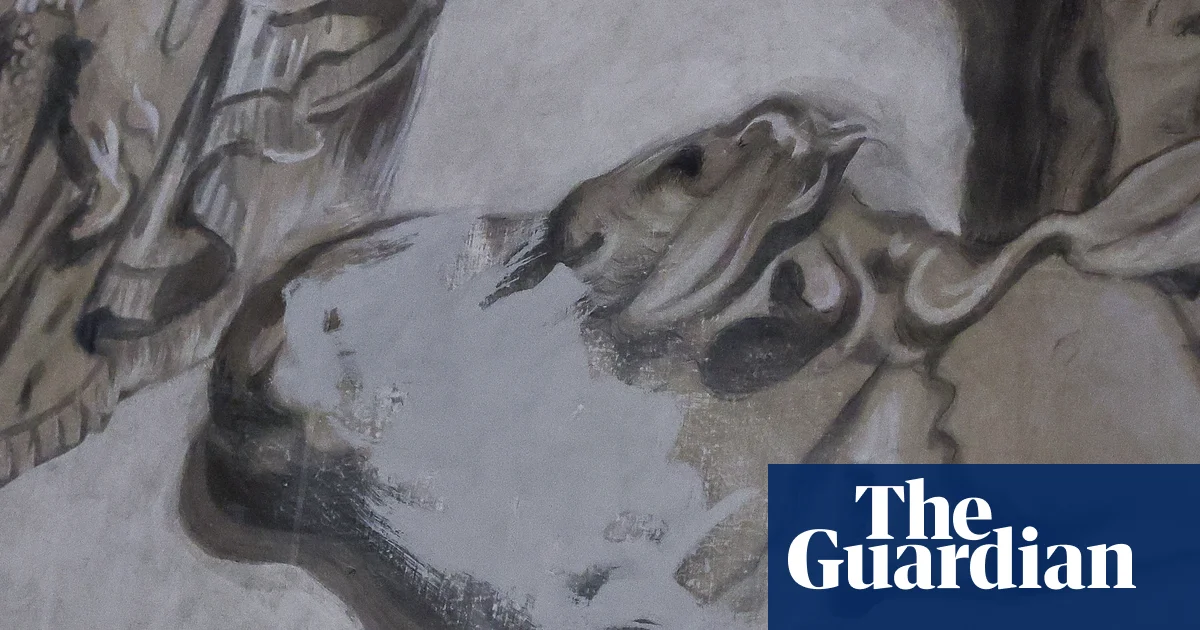
Rome Church Removes Fresco Angel Resembling Giorgia Meloni—Cultural Clash Heats Up

Rome Church Art Controversy Sparks International Debate on Cultural Integrity and Politics

The recent incident in Rome where a fresco in the Basilica of St Lawrence in Lucina was defaced by erasing a cherub’s head—believed to bear an uncanny resemblance to Italian Prime Minister Giorgia Meloni—has ignited a firestorm of controversy that extends far beyond Italy’s borders. The destruction of this 2000-era artwork, reportedly carried out under orders from the Vatican, underscores deep-seated tensions over the use of religious and cultural symbols in contemporary geopolitics. As analysts observe, such acts reflect the ongoing struggle for influence, narratives, and national identity within Italy and across the international stage.

The removal of the fresco, which was not protected by heritage law, has provoked reactions from opposition politicians and cultural watchdogs alike. Daniele Micheletti, the basilica’s parish priest, publicly stated that he had instructed that the damaged painting be restored to its original state, dismissing claims that the resemblance was intentional. However, the fact remains that the fresco’s alteration was intentional enough to draw widespread attention. Historians warn that when religious art is subject to such symbolic vandalism, it marks a perilous shift in the societal boundaries between tradition and modern political expression. Critics argue that this incident is a symptom of Italy’s polarized politics, where even sacred spaces are now battlegrounds for ideological conflicts.

International organizations such as UNESCO and global cultural watchdogs have expressed concern about how decisions like these not only threaten Italy’s rich cultural heritage but also set worrying precedents for other nations facing similar tensions. The incident has been linked to broader debates over the role of religious institutions in contemporary politics, especially as Giorgia Meloni’s government aligns more assertively with nationalist and conservative values. Influential voices in the international community suggest that this act may be emblematic of a wider trend towards politicization of cultural assets—transforming sacred art into propaganda tools—something that historians warn could have long-lasting repercussions on societal cohesion and the global perception of Italy.

  • Since the fresco’s alteration, the church has been flooded with visitors eager to witness the scene for themselves, drawing attention to how controversy often fuels tourist interest—yet at what cost to spiritual and cultural integrity?
  • Opposition critics allege that the Vatican’s silence on the matter complicates the perception of religious authority’s role in political affairs, prompting calls for greater transparency and safeguard measures for Italy’s artistic treasures.
  • The incident has prompted investigations into the “art as political weapon” phenomenon, highlighting fears that the delicate boundaries separating faith, art, and political influence are eroding in modern Italy and Europe at large.

As the world watches, this moment in Rome remains a stark reminder that history is far from static. Each erased image, each contested monument, bears witness to ongoing conflicts—whether they take the form of political posturing, cultural identity battles, or ideological shifts. Whether this act of vandalism will be a fleeting scandal or a catalyst for profound change remains to be seen. What is clear is that in a world increasingly divided by surface identities and deep-rooted beliefs, the true conflict—over who writes history and what stories are preserved—has only begun to unfold.
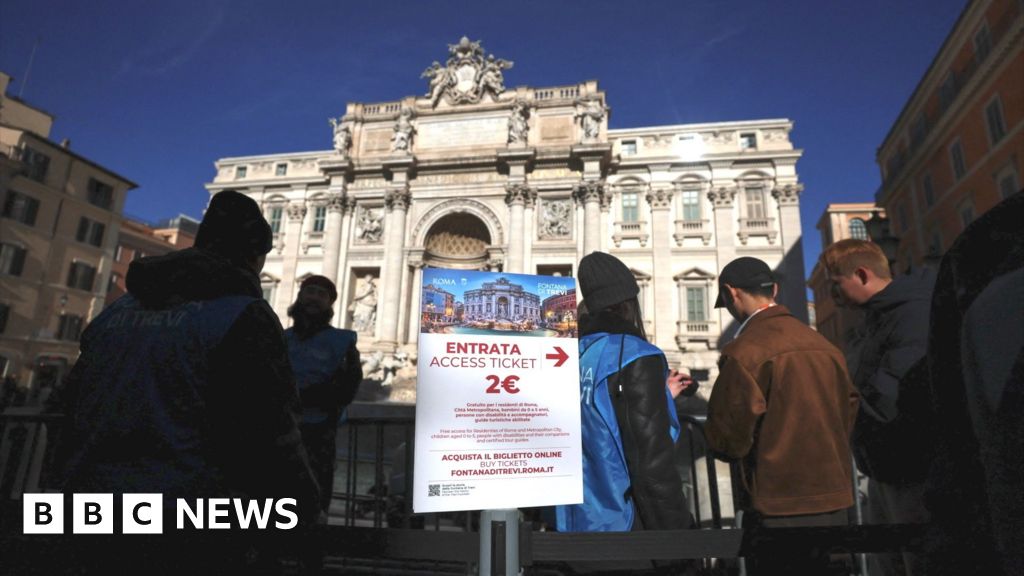
Rome hits visitors with Trevi Fountain fee: pay up or miss the magic

In a move that underscores the shifting landscape of urban tourism and cultural preservation, Rome has introduced a €2 fee for visitors to access the iconic Trevi Fountain. Once a freely accessible symbol of Italy’s rich heritage, the fountain now joins a growing list of global monuments adopting entrance fees in a bid to finance maintenance and manage surging tourist numbers. This decision reflects a broader trend among nations seeking sustainable ways to balance economic benefits with preservation needs amidst increasing international visitor flows.

Proponents argue that such fees are necessary for the upkeep of historic sites, which face mounting pressures from mass tourism. According to international conservation organizations and urban planners, the financial inflow can help prevent decay and allow for modernized preservation efforts. In this context, Italy’s initiative aligns with global strategies seen in cities like London, Paris, and Venice, where local governments are recalibrating their approach to tourism through monetization and regulation. This development has been lauded by some, who believe that a paid access system could reduce overcrowding, enhance visitor experience, and contribute significantly to the local economy.

However, critics raise concerns about the socio-cultural implications of such measures. A skeptical tourist from Sicily expressed resignation, remarking that travelers will now have to “pay and smile,” highlighting a growing frustration among many who view these charges as commodification of cultural landmarks. Economists and cultural historians warn that this trend might lead to a further divide—favoring wealthier tourists and potentially diminishing the accessibility of shared historical heritage. Such debates resonate across Europe and beyond, with analyst Dr. Lucia Romano warning that “many nations risk transforming their cultural identity into a commercial commodity, diluting the essence of community and shared history.”

The geopolitical impact of this shift extends beyond tourism economics, influencing broader international relations. Countries opening spaces for tourism revenue are increasingly facing pressure to balance economic gains with cultural integrity. Furthermore, international organizations, such as UNESCO, have expressed concern, cautioning that commercialization might threaten World Heritage sites if not managed carefully. The intricate dance between preservation, economic necessity, and social equity reflects a deeper, often misunderstood global struggle over identity and authority. As Europe’s traditional art and architecture are monetized in new ways, the cultural landscape is being reshaped—sometimes at the expense of authenticity and accessibility.

History has shown that decisions made today carve the contours of tomorrow’s cultural and political terrain. As nations like Italy adapt to a changing world, the reverberations of these choices will be felt across generations. Will these initiatives serve as a blueprint for sustainable preservation, or will they herald a new era of cultural commodification? The unfolding narrative leaves the world at a crossroads—one where the echoes of the past must be weighed against the relentless march of modernity, and where the true cost of what we choose to safeguard remains an open question, awaiting the verdict of future history.

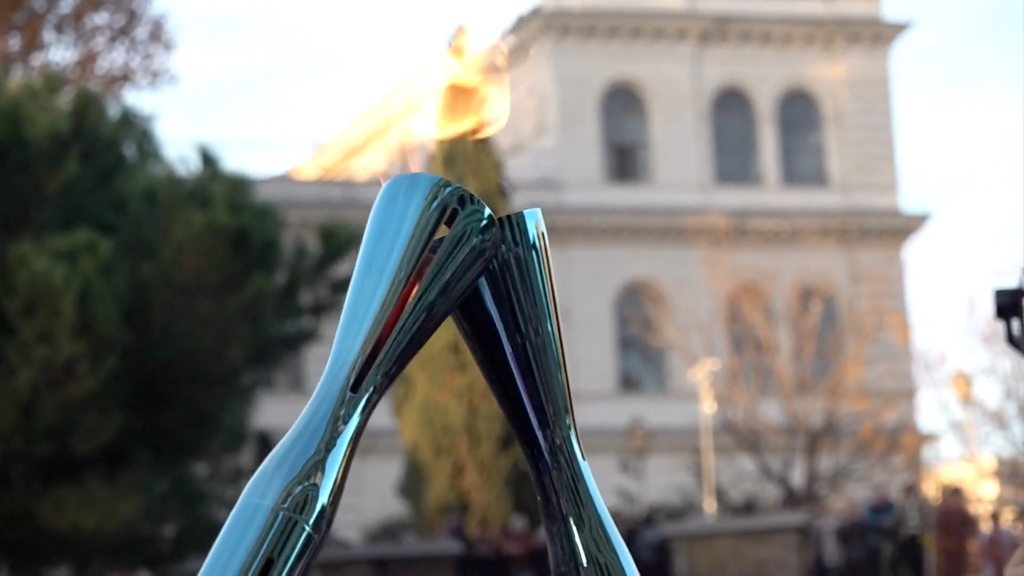
Olympic Flame Reaches Rome as Winter Games Near—Italy Prepares for Winter Sports Celebration

The Upcoming Olympic Winter Games Milano Cortina 2026 and Its Global Significance

As the world anticipates the Olympic Winter Games Milano Cortina 2026, slated to unfold in February, geopolitical analysts are observing more than just the medals and athletic feats. This event signifies a pivotal moment in how nations project soft power and shape international perceptions amidst a rapidly shifting global order. Historically, host nations leverage the Olympics to bolster national pride and foster diplomatic ties; however, in today’s geopolitics, the games also serve as a litmus test for global stability and regional influence.

The transition from hosting merely a sports spectacle to a symbol of soft power underscores the importance of international diplomacy in sports diplomacy. Countries like Italy seek to leverage the games to showcase the resilience and unity of European traditions amidst renewed challenges—ranging from economic strains to geopolitical rivalries. Milano and Cortina, historically vital centers of culture and commerce, will become stages for a broader contest—not just of athletic achievement but of influence. According to analysts from the International Institute for Strategic Studies, the Olympics often serve as a mirror to broader political currents, revealing underlying tensions or alliances that might soon shape global events.

The Geopolitical Landscape: Shifts and Challenges

In recent years, global institutions and major powers have recalibrated their strategies for influence. The U.S.-China rivalry, Russia’s relationships with Western nations, and the European Union’s quest for strategic unity all shape the backdrop against which Milano Cortina 2026 will unfold. While Italy aims to present itself as a stable and unifying force, critics from various geopolitical corridors warn of the increasing instrumentalization of multi-national events. The U.S. and China, for example, are already competing to use the Games as platforms for soft power, signaling their global ambitions through diplomatic gestures and media narratives.

Meanwhile, the European Union faces internal upheavals and external pressures, including from Russia and Turkey. Many experts, such as Dr. Ingrid Müller of the European Policy Centre, observe that the Games could become a strategic chessboard—where the allegiances and rivalries of tomorrow are played out today. How Italy navigates these complex waters will not only determine the success of the event but also influence the continent’s trajectory in the broader geopolitical arena.

The Cultural and Societal Impact: A Reflection of Nations

The Olympics’ influence on societies extends beyond politics. It embodies a convergence of national identities, cultural pride, and youth aspirations. For many nations, particularly those in Europe and North America, the games symbolize resilience against societal fragmentation, economic hardship, and external pressures. As noted by international observers, the young generation views the Olympics as a culmination of years of national effort, hope, and unity. Their participation—whether as athletes or spectators—carries the weight of history and the promise of future cooperation.

However, critics argue that the Olympic platform also risks being marred by political symbolism and controversies, such as issues surrounding human rights and environmental concerns. Yet, despite these debates, the core message remains clear: -utilizing such a grand event to promote unity and progress remains central to the enduring spirit of international sports. America’s youth, alongside Europe’s, watch carefully, aware that every decision made now could ripple across decades—shaping the fabric of global affairs for generations to come.

The Unfinished Story of Global Diplomacy and Power

As history continues to unfurl beneath the towering icy peaks of the Dolomites and the sleek concrete of Milano, the 2026 Winter Olympics stands not just as a celebration of athletic excellence but as a testament to the enduring complexity of international relations. The medals to be won, the controversies to be debated, and the alliances to be forged will inevitably echo into an uncertain future. For now, the world holds its breath in anticipation, knowing that in this icy arena, the true battle for influence and identity is quietly heating up—an unseen struggle that will define the very course of history yet to be written.

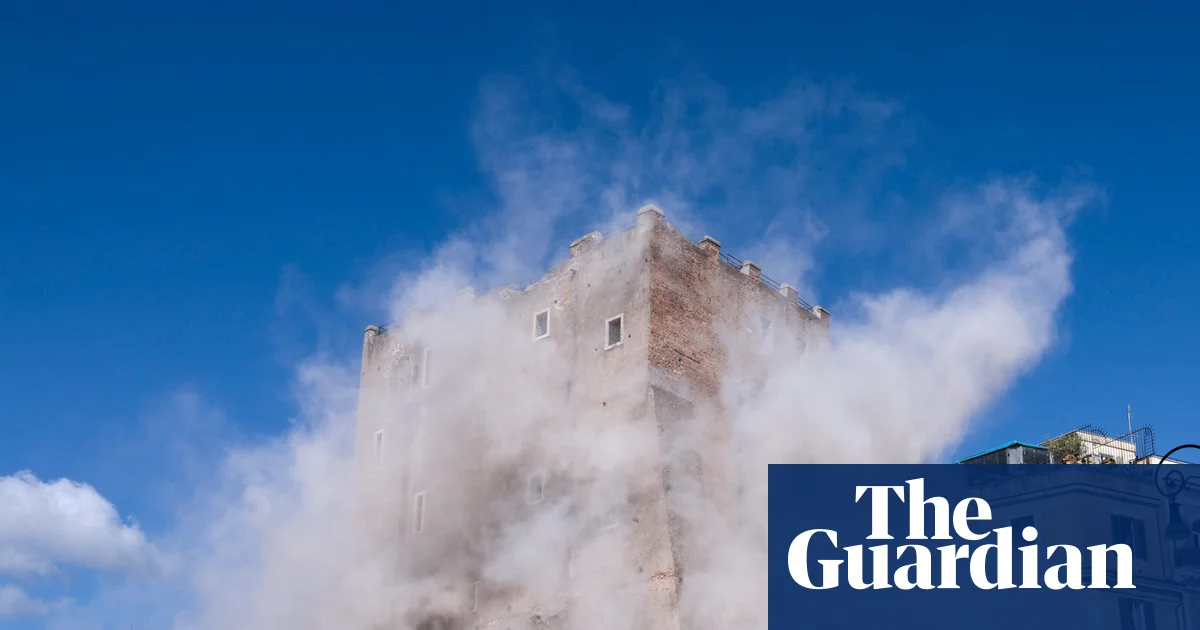
Rome: Medieval Tower Collapses, Traps Worker and Injures One—A Wake-Up Call for Heritage Safety

The recent partial collapse of the Torre dei Conti in Rome has sent shockwaves through the international community, highlighting ongoing risks associated with the preservation of historic architecture amid modern renovation efforts. The medieval tower, located near the Roman Forum, experienced a devastating sequence of collapses during scheduled restoration work, trapping individuals inside and forcing a complex rescue operation that continues into the late hours. The incident sheds light on the fragile balance between preserving history and ensuring safety, an issue that is gaining prominence among policymakers across the European Union and beyond.

  • The tower, built in the 13th century by Richard Conti, was already a damaged relic, severely affected by the 1349 earthquake and subsequent structural failures in later centuries.
  • EU funds designated for post-pandemic recovery are now being used to finance the ongoing restoration, aiming to preserve its heritage while upgrading safety standards.
  • The collapse not only resulted in injuries but also raised urgent questions regarding the efficacy of international heritage protection funding and oversight.

International historians and analysts view this event as a stark reminder of the geopolitical risks inherent in heritage conservation. Some experts warn that the mismanagement or underfunding of such projects could lead to further tragedies and the irreversible loss of cultural landmarks. The incident has prompted calls for greater transparency and accountability in how funds are allocated and how safety is prioritized in historic restorations across Europe and the Mediterranean. According to the World Heritage Organization, the incident underscores an urgent need for standardized international protocols to prevent similar failures in other historic sites—an effort that could redefine how nations approach conservation in the 21st century.

The Italian government, under pressure from both domestic and international voices, has condemned the failures that led to the collapse, with Rome’s mayor, Roberto Gualtieri, emphasizing that safety remains the top priority. Meanwhile, Italy’s culture minister, Alessandro Giuli, has announced an extensive review of all ongoing restoration projects nationwide. This crisis, at its core, exposes larger geopolitical issues—namely, how European nations leverage their cultural heritage amid economic pressures and the push for modernization. Critics argue that prioritizing quick restoration under EU fiscal constraints might compromise safety and preservation standards, a debate that echoes across borders where cultural identity and national pride intertwine with economic realities.

As rescue workers tirelessly attempt to save trapped individuals beneath the rubble, the incident leaves a haunting question: How robust is the safety infrastructure protecting Europe’s ancient treasures? While the rescue operation continues amid the risk of further collapses, the incident’s broader implications are yet to be fully understood. It marks a pivotal moment that could influence international policies on heritage preservation and safety standards, shaping the future of cultural conservation amidst economic austerity and political tension. With history unfolding in real-time, the affected communities and nations are called to confront a profound truth: in safeguarding the past, humanity must also confront its responsibilities to prevent tragedies rooted in neglect and haste. The echoes of this disaster will reverberate through history, reminding us that some stories are too precious to lose—yet, too often, are lost because of human oversight and geopolitical indifference.

Social Media Auto Publish Powered By : XYZScripts.com