Matox News

Truth Over Trends, always!

From Uber driver in the U.S. to fearing jihadist threats in Somalia—how local roots meet global dangers

Geopolitical Shifts in the Wake of Somali Deportations: A Warning from the Frontlines

In recent months, a wave of deportations from the United States to Somalia has exposed the fragility of international migration policies amid rising anti-immigrant rhetoric and changing administrations. These deportations, involving Somali nationals who sought refuge in the US, are not merely individual cases but signals of profound geopolitical repercussions that resonate far beyond the borders of the United States. As President Donald Trump publicly disparages Somali migrants, calling for tougher restrictions and even suggesting they should “go back to where they came from,” the international community, analysts, and historians warn that these policies threaten to undermine years of fragile stability in the Horn of Africa while fueling anti-foreigner sentiments domestically.

Most noteworthy is the case of Mahad Mohamud, a Somali man deported from Minneapolis after spending over a decade in various countries, including South Africa, Brazil, and the US. Mahad, known on social media as Garyaqaan, built a significant following defending his clan’s interests in Somalia—an act viewed with suspicion by US authorities amid the broader discourse of national security. His case highlights how independent voices, particularly those amplified through social media, are increasingly perceived as threats to political narratives. Mahad’s detention and eventual deportation—despite his claims of innocence and FBI clearance—mirror broader policies that cast aside nuanced assessments of individual safety in favor of harsh border enforcement. The geopolitical impact is vast, as deported individuals often face an unstable Somalia ravaged by years of anarchy, Islamist insurgencies, and economic collapse. Historians warn that these policies, driven by election-year rhetoric, risk reigniting conflicts and depriving Somali society of diaspora-led development efforts.

Moreover, the deportation crisis is casting a long shadow over the Somali-American community—America’s largest Somali diaspora, numbering approximately 80,000 in Minneapolis alone. Following statements from President Trump vowing the end of temporary protected status, the Somali community faces renewed hostility, with social media videos depicting immigration agents conducting door-to-door searches in neighborhoods like Little Mogadishu. Many residents, fearing deportation, have responded by evacuating their homes discreetly, leaving lives in limbo. This tension unravels the broader how decisions made in Washington directly affect the fabric of local societies, fueling fears, protests, and a sense of abandonment. These developments echo the warnings of international observers who argue that a shift towards aggressive immigration crackdowns without comprehensive security frameworks risks destabilizing immigrant communities in the US while emboldening Islamist militant groups like al-Shabab. The repercussions for stability and security, both in the US and the Horn of Africa, are profound and ongoing.

As history’s ongoing narrative unfolds, the deportation phenomenon underscores a brutal reality: policies driven by populist rhetoric often overlook the intricate human stories behind migration. Mahad Mohamud’s heartfelt reunion with his children and his fears of assassination are emblematic of the human toll inflicted by political agendas that treat these individuals as mere pawns. Analysts and seasoned diplomats warn that the current trajectory risks not only exacerbating Somalia’s humanitarian crisis but also deepening the divide between immigrant communities and their host nations, creating fertile ground for radicalization and conflict. With the shadows of past conflicts and current instability lengthening, the international community is left to ponder whether these policies will serve as a turning point or a catalyst for unforeseen chaos. The weight of history presses heavily upon these unfolding events, reminding the world that in the arena of geopolitics, choices today carve the legacy of tomorrow—a legacy still being written, and nowhere more critically than in the lives of those caught between nations.

Gren Gaskell’s Legacy: A Reflection on Society’s Roots

In examining the social fabric of our society, the life story of Gren Gaskell, who recently passed away at the age of 89, exemplifies the profound impact that community, resilience, and personal growth can have on families and social institutions. Born into a working-class coalmining community in Nottinghamshire, Gren’s early life was marked by hardship, with the loss of his father in a pit accident and the struggle to make ends meet during his childhood. His experiences underscore the persistent challenges faced by families in marginalized communities, where economic insecurity and social inequalities often shape life trajectories. Yet, through education and community support, Gren was able to forge a path toward personal achievement and societal contribution.

His journey from miner to company manager illustrates the importance of opportunities for upward mobility, which are often hindered by systemic barriers. Sociologists like Charles Murray and others have highlighted how access to quality education and mentorships can serve as the linchpins for breaking cycles of poverty. Gren’s early encounter with Mrs. Gunn, who introduced him to Shakespeare and encouraged learning, exemplifies how dedicated educators and community figures can foster hope and ambition in disadvantaged youth. Today, the debate over equitable access to education remains a key social issue, directly affecting families and communities striving for a better future.

The social narrative of Gren’s life also speaks to the urgent need for support structures to sustain mental and physical health among aging populations. His later years, marked by engaging in literary pursuits and charitable circles such as the U3A, reflect how lifelong learning and community involvement can enhance well-being. However, the broader societal challenge lies in ensuring adequate healthcare and social services for fragile, older individuals—an issue that disproportionately affects families caring for aging relatives. The struggle faced by many families combating complex health conditions like Lewy body dementia reveals the moral imperative of expanding accessible care and fostering intergenerational solidarity.

Ultimately, Gren Gaskell’s inspiring story challenges us to consider how social institutions can better serve the diverse needs of society. His life demonstrates that resilience, community support, and a commitment to learning foster societal strength. As social commentators remind us, the true measure of cultural progress lies in how we uplift the least privileged among us, ensuring that the pathways to opportunity are open to all. By confronting systemic inequalities and nurturing the human spirit, society can move toward a future where stories like Gren’s are no longer exceptions but the rule—a society where families flourish, education empowers, and communities thrive. The challenge remains, however: will we heed this call for change or be content to watch our social fabric fray? The choice defines not only our present but the inheritance we leave behind for generations to come.

Ugandan Roots Shine as New York Mayor Earns Youths’ Respect

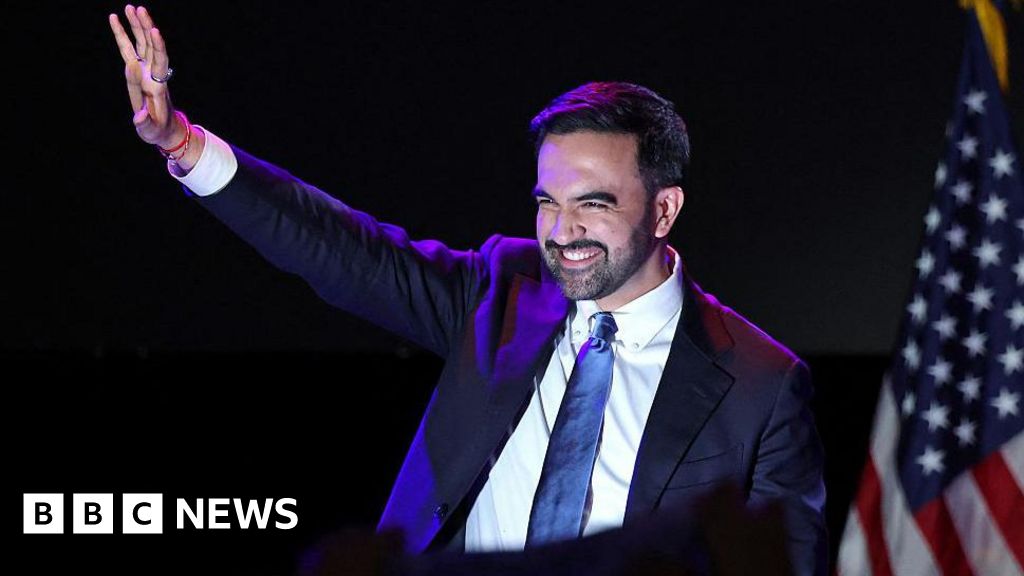
In an era marked by turbulent geopolitical shifts, the victory of Zohran Mamdani as the mayor of New York City has resonated far beyond the city limits, capturing the imagination of societies across continents. This young leader, born in Uganda and bearing dual nationality, exemplifies a new wave of global youth asserting influence in the heart of the world’s superpowers. His rise symbolizes more than local political achievement; it heralds a cultural and ideological shift that transcends boundaries, inspiring millions of young Africans and diaspora communities to view leadership as a matter of possibility and resilience.

According to international analysts, Zohran’s background embodies a narrative underpinned by the legacy of post-colonial Africa and the global reach of ideas rooted in freedom and justice. His father, Prof Mahmood Mamdani, a distinguished academic renowned for his anti-colonialist scholarship, deeply influences his worldview. Historians like Nzongola Nganza emphasize how such figures symbolize the awakening of a continent that has long struggled against the lingering effects of colonialism, yet now finds hope in its youth. Decision-makers in Africa observe that Zohran’s rise could energize local youth movements and challenge entrenched political dynasties, especially in nations like Uganda, where President Yoweri Museveni seeks yet another term amid a nation with one of the world’s youngest populations—median age just 16.2, according to the CIA World Factbook. The youthful demographic, combined with symbols like Zohran, has the potent potential to reshape regional politics and international perceptions of African capacity for self-determined leadership.

Meanwhile, South Africa also celebrates the achievement of a young leader whose formative years were shaped in its society. The imam of Cape Town’s Claremont Road Mosque, Rashied Omar, lauded Zohran’s early exposure to social justice activism rooted in South Africa’s own struggle against apartheid. This cross-continental narrative highlights how localized social movements are increasingly interconnected with global agendas, reinforcing a picture in which youthful leadership across Africa and its diaspora become a central force within global affairs. Such narratives are increasingly seen as a challenge to the old geopolitical order rooted in military might and economic dominance.

Across the Atlantic, international organizations and political analysts note that Zohran’s success heralds an ideological shift within the framework of global capitalism and multilateral diplomacy. For instance, the Economic Freedom Fighters (EFF) in South Africa hailed his election as a sign that “progressive, justice-driven leadership is rising even in the heart of the global capitalist order.” This sentiment underscores a burgeoning global movement skeptical of traditional power structures, seeking instead a leadership rooted in equity and multicultural diversity. Conversely, in Nigeria, a supporter of President Bola Tinubu and critics of former US President Donald Trump’s threats against Nigeria, Zohran’s name has become a symbol of resilience. His victory is framed as a counterpoint to external intimidation, illustrating how the younger generation perceives their capacity to withstand external pressures and internal injustices simultaneously.

Ultimately, the story of Zohran Mamdani embodies a critical moment in world history — a point where leadership, identity, and sovereignty intertwine in unprecedented ways. As nations like Uganda, South Africa, and beyond watch closely, the question remains: will this beacon of youthful promise catalyze a new era of multi-ethnic, multi-religious, and justice-oriented leadership? The answer, still bearing the weight of history, is yet unknown. What is certain, however, is that this moment signals the ongoing clash of old and new, a palpable tension in the ever-evolving narrative of our shared future, where the aspirations of the young now challenge the shadows cast by centuries of empire and despair. As the world turns, those who hold power must face the profound truth — the future belongs to those who dare to dream differently, for history’s next chapter is being written now, in the footsteps of figures like Zohran Mamdani.

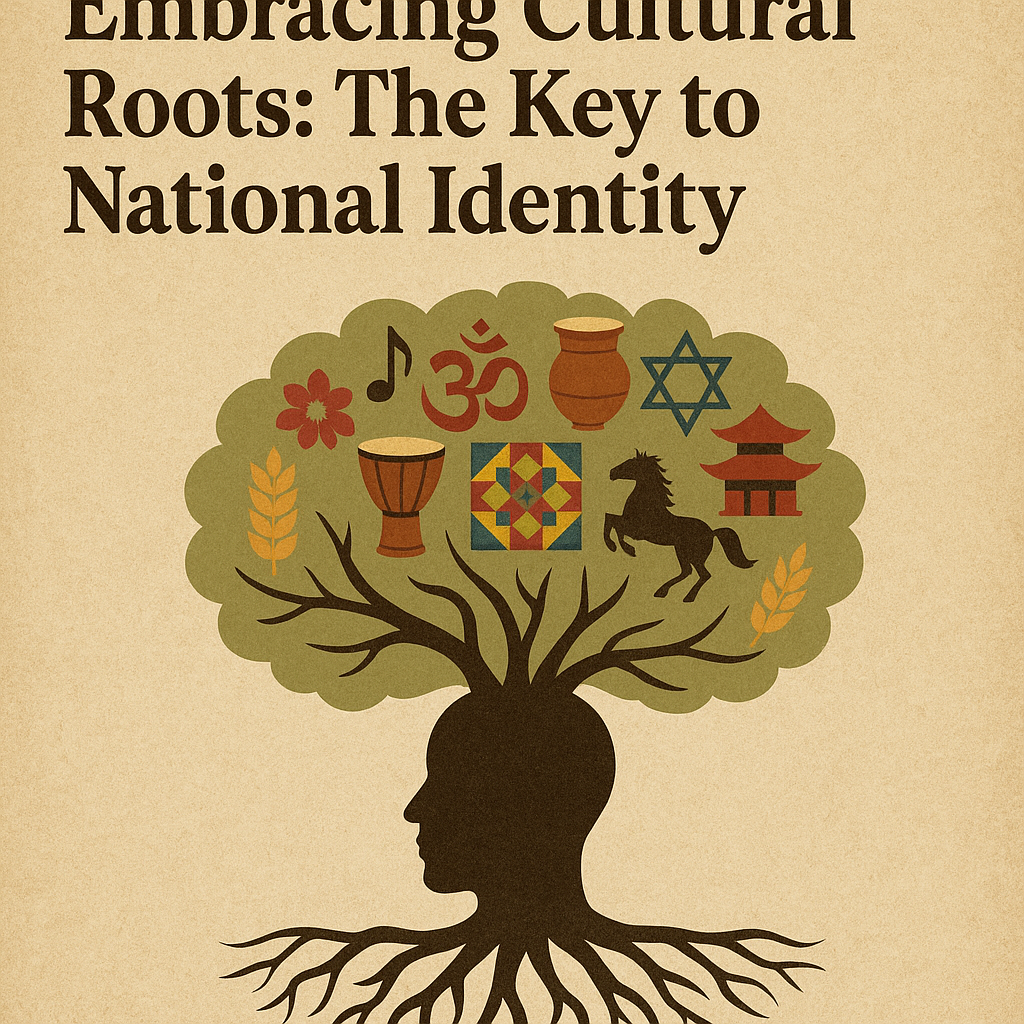
Embracing Cultural Roots: The Key to National Identity

In an era characterized by relentless globalization and technological upheaval, the significance of cultural roots as the foundation of national identity cannot be overstated. Critics argue that the rapid spread of Western ideals and the homogenization of cultures threaten the unique traditions that define a nation’s soul. Historically, nations have thrived by nurturing their distinct cultural narratives—whether it be the resilience of Japan’s samurai ethos or the enduring spirit of European renaissance. These cultural elements serve not merely as relics of the past but as living conduits of collective memory, shaping a nation’s worldview and guiding its future trajectory.

Economists such as George Friedman and Samuel Huntington emphasize that a strong national identity rooted in cultural heritage fosters social cohesion and resilience in times of crisis. When citizens share a common understanding of their history, values, and traditions, they are more inclined to unite against external threats and internal divisions. The erosion of this shared cultural fabric, critics warn, paves the way for fragmentation and a loss of sovereignty. As Huntington suggested in his seminal work The Clash of Civilizations, the future geopolitical order depends heavily on how well nations preserve their unique cultural identities amidst the external forces seeking to erase them.

Reclaiming cultural roots does not imply a retreat into insularity, but rather an empowering recognition of diversity within a shared national narrative. It involves championing traditional language, customs, and histories as vital components that shape a sense of purpose and belonging. Movements advocating for the preservation of indigenous languages, regional histories, and cultural practices highlight a collective desire to resist cultural dilution. Furthermore, embracing one’s heritage fosters a youthful sense of pride and authenticity, crucial for inspiring future generations to carry forward their cultural legacy. Such efforts often generate innovative cultural rebirths that bridge old traditions with modern realities, thus enriching the national tapestry rather than impoverishing it.

Amidst these developments, policymakers and cultural leaders must acknowledge that preservation and innovation are not mutually exclusive. The challenge lies in cultivating a balanced approach where cultural roots are celebrated and revitalized without becoming an obstacle to progress. As historian Yuval Noah Harari notes, humanity’s greatest achievements have often sprung from a profound understanding of shared stories and myths—a testament to the enduring power of cultural narratives. When a nation recognizes its cultural origins as a source of strength rather than chain, it embarks on a journey towards a resilient, authentic identity that can weather the storms of modern change. It is within this sacred act of remembrance and renewal that the true essence of a nation endures, whispering through the ages as a timeless echo—a reminder that, in embracing our roots, we embrace the very foundations upon which our future is built.”

Respecting Our Roots: A Pillar for Modern National Identity

In the pursuit of progress and adaptation, societies often face the peril of losing sight of their foundational narratives. Respecting our roots is more than a nostalgic nod to history; it is a fundamental pillar for cultivating a cohesive and resilient national identity. As critics argue that globalism and rapid modernization threaten traditional values, it becomes clear that maintaining a connection to our history is essential for fostering a sense of unity rooted in shared heritage. This connection is not an impediment to growth but a framework within which sustainable progress can flourish.

National identity is deeply intertwined with cultural memory, historical landmarks, language, and collective experiences. As renowned historian Yale’s John Lewis Gaddis suggests, “A nation that forgets its past is condemned to repeat its mistakes and lose its purpose.” In essence, respecting our roots helps safeguard the values, stories, and lessons that shape societal continuity. For young generations navigating a rapidly changing world, understanding their history offers a grounding point—a lens through which to assess modern challenges. It enables them to recognize that the liberties they enjoy are often rooted in past struggles, sacrifices, and moral victories. Dismissing these connections risks creating a disjointed identity, susceptible to manipulation or apathy, which ultimately weakens the very fabric of nationhood.

Furthermore, the preservation of cultural and historical heritage strengthens national pride and social cohesion. Analysts highlight that societies with a strong sense of their foundational stories tend to have higher civic participation and resilience in times of crisis. By honoring our past, we create a collective narrative that transcends individual differences, fostering a sense of belonging and shared destiny. While critics may advocate for deconstructing traditions as a way to embrace diversity, responsible respect for our roots embraces diversity as a natural extension of a rich, storied history. It anchors new ideas within a framework of enduring principles, ensuring that progress does not become reckless or directionless.

Ultimately, the challenge is to strike a balance—embracing innovation while honoring our historical roots. As economist Thomas Sowell emphasizes, “Progress occurs best when rooted in an understanding and appreciation of earlier efforts.” This balance empowers younger generations to innovate without losing sight of the moral compass forged by their ancestors. By respecting our roots, nations invest in a durable identity capable of weathering the storms of globalization, ideological shifts, and societal upheavals. The future of any nation depends on its ability to carry its history forward—like a torch passing from hand to hand, illuminating the path through shadows of uncertainty. And as that flame flickers in the winds of change, it leaves behind an enduring legacy: the unyielding strength of a people who refuse to forget where they came from, knowing that their roots are the silent, indomitable anchors of their infinite horizon.”

Social Media Auto Publish Powered By : XYZScripts.com