
The Global Implications of Vaccination Trends Amid a Meningitis Outbreak
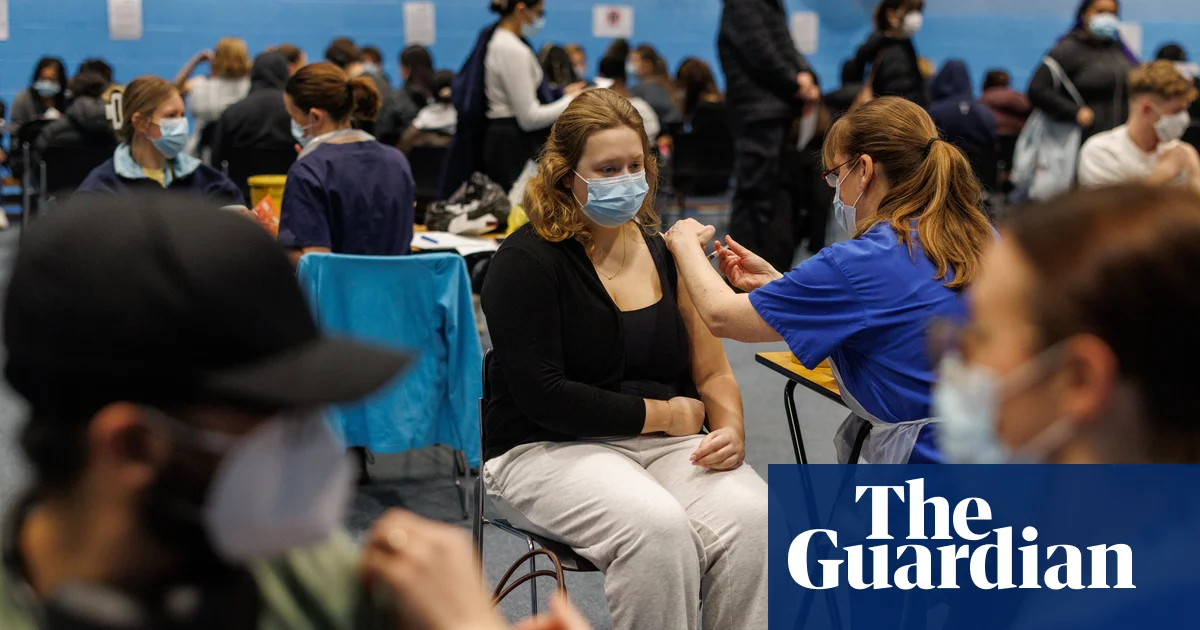
In the wake of a recent meningitis outbreak in Kent, England, the urgency for vaccination has surged dramatically, illuminating not only the resilience of public health systems but also the fragile state of herd immunity in certain regions. Despite the grim toll—two teenagers lost their lives and 18 others hospitalized—the outbreak has paradoxically ignited a significant uptick in routine immunizations across the country, especially among teenagers. According to local health authorities, thousands of adolescents have responded proactively by booking or receiving vaccines against meningitis strains A, C, W, and Y, as well as diphtheria, polio, and tetanus. Such a surge is viewed as a silver lining, a stark reminder of the importance of vaccines, even as experts warn that the current vaccination rate remains insufficient, with only 72% of year-nine pupils vaccinated compared to the 95% target recommended by health authorities.
This localized crisis underscores a broader question of vaccine complacency that resonates beyond the United Kingdom, threatening to undermine decades of public health progress. Analysis from noted historians and global health experts emphasizes that the success of immunization programs has, in some ways, fostered complacency, causing a decline in awareness of the malignant potential of vaccine-preventable diseases. The current spike in vaccination interest, particularly for the MenACWY vaccine, reflects a reactive response to an immediate threat. However, international organizations like the World Health Organization (WHO) and others warn that such outbreaks, if left unchecked, could pave the way for broader regional or even global health crises. They stress that maintaining high vaccination coverage is crucial in preventing a repeat of history’s darker chapters, when deadly outbreaks swept through populations unprotected.
The geopolitical impact of such health crises is profound, influencing both societal stability and international relations. Regions with effective vaccination campaigns tend to experience less social unrest and economic disruption. Conversely, lapses in immunization, often fueled by misinformation and vaccine hesitancy, can precipitate outbreaks that strain healthcare resources and create political tension, especially in multicultural societies where trust in public institutions is already fragile. According to the WHO, vaccine confidence remains a key component in national security, with health infrastructure serving as a frontline defense against both biological and geopolitical threats. When nations neglect these defenses, they risk opening pathways for illnesses to spread, thereby destabilizing regional peace and security.
As health authorities and analysts continue to analyze the unfolding crisis, they unanimously point to the need for a sustained, proactive approach towards immunization—one that transcends reactive campaigns. The challenge lies in transforming recent wake-up calls into long-term policy shifts that prioritize vaccine education and access at community levels. Political leaders and international bodies are urged to act swiftly. They must reinforce the importance of vaccines as a fundamental pillar of sovereignty and societal resilience. History teaches us that the unpreparedness and complacency in the face of infectious diseases often come at a heavy cost, leaving scars on nations’ collective memory. The current outbreak may serve as a stark reminder and an inflection point—one where history is still being written, with each decision shaping the legacy of a generation. As societies grapple with the ongoing threat of vaccine-preventable diseases, the world faces a sobering truth: in the realm of health security, the margin for error is razor-thin, and the next chapter of history remains unwritten, depending on choices made today.