
Royal Fashion: The Subtle Weapon of Power and Social Signaling
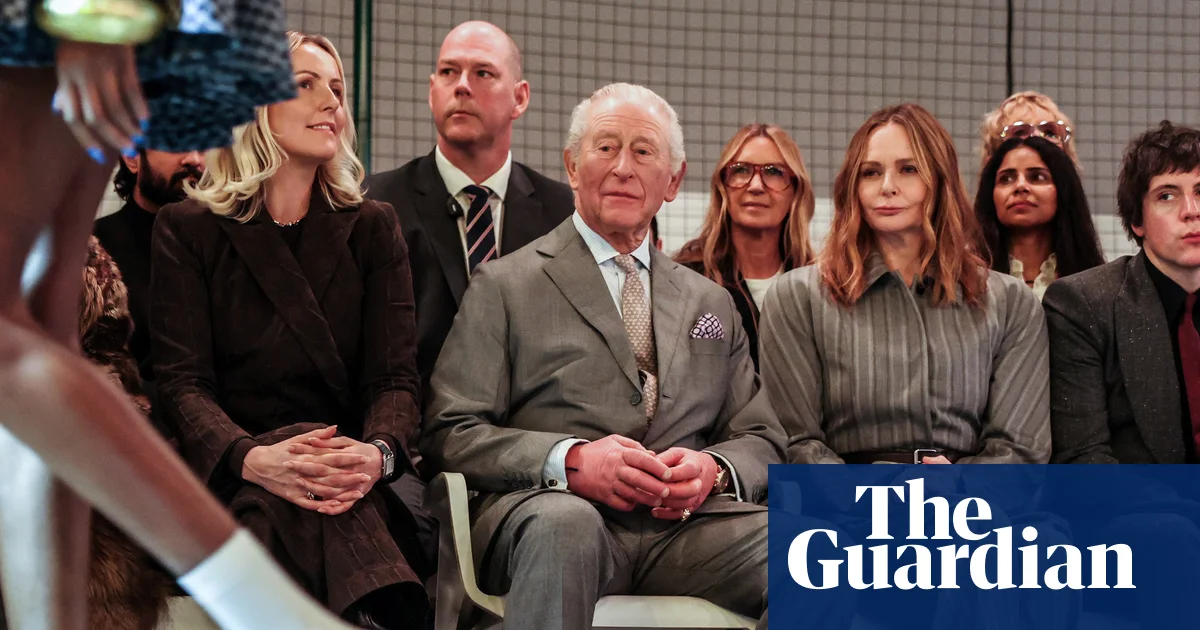
In today’s ever-evolving social landscape, the British Royal Family continues to master the art of dress diplomacy, turning clothing into a potent tool of soft power and cultural influence. While to many their attire might seem like mere tradition or personal style, seasoned analysts like sociologist Dr. Emily Carter argue that the royal wardrobe is a carefully curated narrative device. From King Charles’ British bespoke suits signaling resilience in turbulent times to Princess Catherine’s conscious sustainability choices, royal fashion remains an unspoken language of authority, ethics, and political messaging. It’s an elegant, yet deeply strategic tapestry woven with each carefully selected garment, shaping societal perceptions in subtler ways than any speech or policy could achieve.
Historically, as Justine Picardie notes in her insightful book, Fashioning the Crown, the house of Windsor has wielded fashion as an “instrument of crisis management.” The deliberate choice of attire during pivotal moments—such as Queen Elizabeth II’s wardrobe reforms during the post-war era, or her 2017 colour choices during Brexit debates—illustrate how style functions as situational signaling. When the Prince and Princess of Wales recently appeared in coordinated burgundy velvet at the Baftas, it was dubbed “Pantone diplomacy” by the New York Times. Their outfits symbolized unity and steadfastness—not just fashion statements but social messages of resilience amid the family’s ongoing public scrutiny. Such sartorial signal-coding demonstrates an incredible level of social relevance, as it subtly reinforces the monarchy’s endurance and moral stance amidst crises.
The growing recognition of fashion as “dress diplomacy” underscores an expanding cultural trend. On official visits to countries like New Zealand and Ireland, members of the royal family thoughtfully adopt local symbols—Princess Catherine’s fern-embellished dress or her repeatedly red-and-green ensembles during international outings—further confirming how clothing becomes a language of nationhood and cultural respect. The impact of these choices extends beyond mere aesthetics, shaping national identities and fostering diplomatic goodwill. This strategy, as Picardie observes, is rooted in a long-standing tradition: Elizabeth II, with her famously scrutinized hat choices and her subtle symbolism through brooches, understood how visual iconography could serve as a form of diplomacy and political messaging. Today, her successors continue to refine this craft, ensuring that each outfit maintains social relevance and underlines their role within national narratives.
As royal fashion evolves and the younger generation asserts some independence, questions arise about the future of this coded communication. Will the royal family’s clothing choices become even more transparent and communicative in the age of social media, where every outfit can be dissected and critiqued instantly? Or are we witnessing a shift where fashion’s social and political messages will be replaced by more transparent, direct communication? The next big question for cultural observers and social theorists is whether this “dress diplomacy” will adapt to the digital age—perhaps leaning into influencer-driven, transparent fashion statements or remaining a meticulously guarded tradition. Whatever the future holds, one thing remains clear: the royal wardrobe is not just about elegance; it’s a vital part of the cultural chess game, and understanding it might hold the key to deciphering the subtle power plays shaping our society.