Matox News

Truth Over Trends, always!

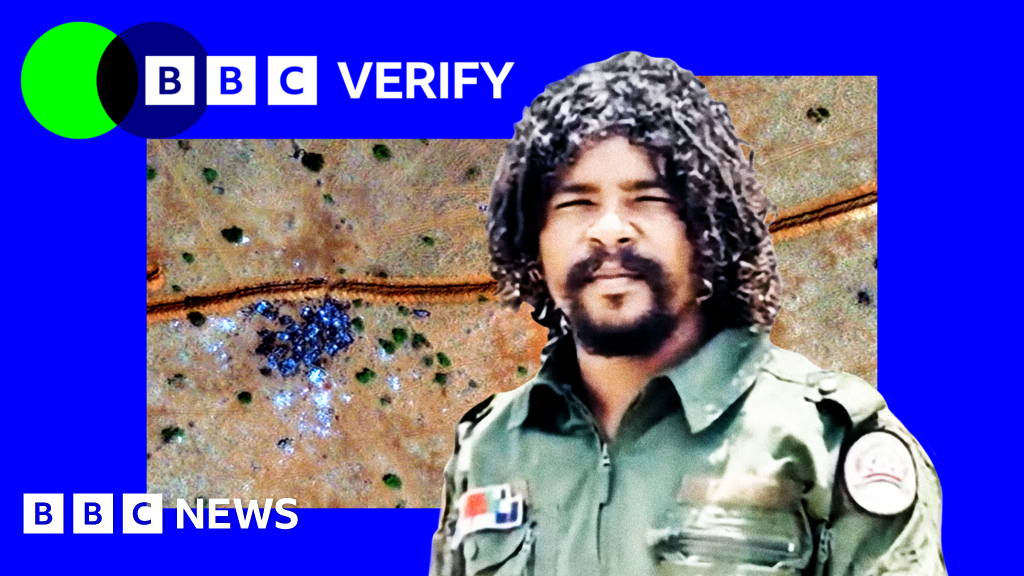
UK sanctions RSF commander linked to Sudan massacre, BBC Verify reveals

In the turbulent landscape of Sudan, recent developments have cast a grim spotlight on the ongoing civil war that has shattered the nation for over two years. The collapse of fragile alliances between the Sudanese Armed Forces and the Rapid Support Forces (RSF) has plunged what remains of the country’s stability into chaos, with the city of el-Fasher emerging as a key battleground. The recent massacre uncovered there exemplifies the brutal reality faced by civilians caught in the crossfire, with international reactions intensifying as evidence of war crimes surfaces. The UK’s decision to impose sanctions on RSF commanders, including Brig. Gen. Al-Fateh Abdullah Idris aka Abu Lulu, underscores the severity of atrocities committed, further escalating geopolitical tensions.

The UK government denounced Abu Lulu’s role in the massacre, which was documented by BBC Verify showing him executing unarmed captives after the RSF seized el-Fasher, the last major stronghold in Darfur. The footage and satellite images revealing mass graves have triggered a surge in international outrage. UK Foreign Secretary Yvette Cooper stated that these events are “a scar on the conscience of the world,” and announced targeted sanctions, including travel bans and asset freezes, against key RSF figures. This response aligns with calls from historians and analysts who warn that such blatant acts of violence threaten to ignite a wider regional destabilization, potentially drawing in neighboring countries and international powers committed to maintaining order amidst chaos.

Adding fuel to the fire, the United States has announced its own sanctions targeting a network of companies linked to mercenaries recruited from Colombia—a move highlighting the transnational nature of the conflict. Reports indicate that hundreds of Colombian fighters, including drone pilots, have entered Sudan post-2024, fighting for the RSF. President Donald Trump’s recent social media post signals a renewed U.S. focus on Sudan, pledging to “start working on Sudan,” a clear effort to stem the chaos and prevent further regional spillover. Egypt, Saudi Arabia, and the UAE have also hinted at increased involvement, underscoring the geopolitical impact of the Sudanese civil war, which is now more than just internal strife but a chessboard for international influence.

As analyses from organizations such as the United Nations warn of potential escalations, the clash does not solely threaten Sudan’s sovereignty but risks igniting a broader conflict fueled by proxy powers. Each blow, each massacre, shapes the narrative of a nation on the brink—teetering between collapse and the dawn of a new chapter in history. With the arrest of Abu Lulu and the concerted sanctions by Western powers, there is a fleeting hope that justice may be served. Still, the shadows cast by these atrocities linger, and the story of Sudan continues to unfold, a stark reminder that in the midst of turmoil, history’s hand remains heavy, and the future remains unwritten.
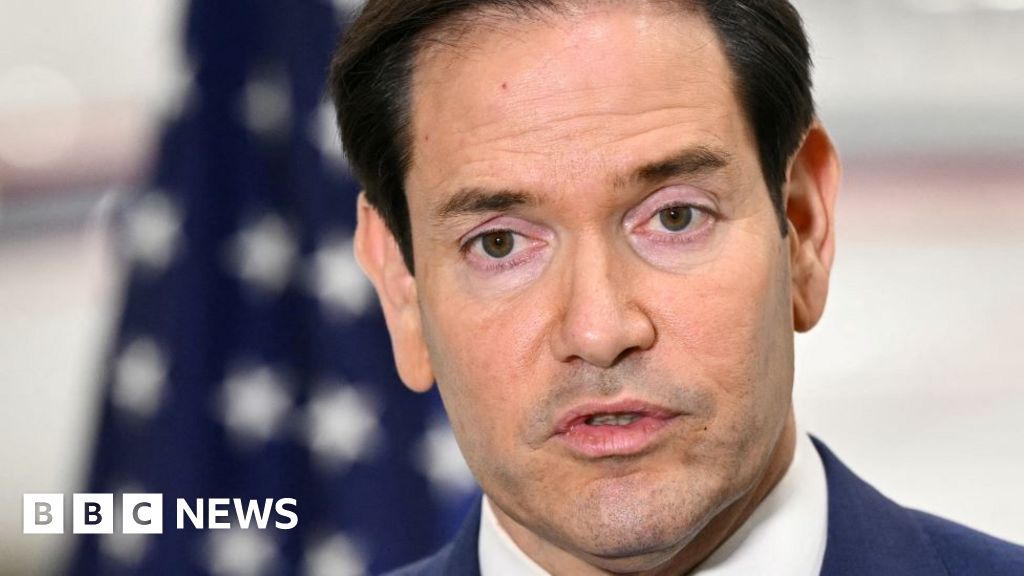
Rubio Urges Global Action to Halt Weapons Flow to RSF

In the shadowy corridors of international diplomacy, Sudan has again become a focal point of global concern, revealing how fragile peace can be amidst the relentless tug-of-war for influence. The ongoing conflict between the Sudanese army and the paramilitary Rapid Support Forces (RSF) has spiraled into what the United States and humanitarian groups increasingly describe as a systematic genocide. As fighting persists, especially in the western region of Darfur, the crisis underscores a broader geopolitical chess game involving regional and international powers, with horrific consequences for the civilian populations caught in its crossfire.

During the recent G7 foreign ministers meeting in Canada, US Secretary of State Marco Rubio issued an urgent call for action, condemning the RSF for their brutal atrocities, including mass murders, sexual violence, and ethnic targeting. “It needs to end immediately,” Rubio insisted, emphasizing that the RSF’s violence is not the result of rogue elements but a calculated campaign of systematic brutality. The US has been vocal about the flow of illicit arms fueling the conflict, with evidence pointing toward weapons manufactured in countries such as Russia, China, and Turkey. More troubling still is the role of the UAE, which Sudanese officials and investigative reports identify as a principal backer of the RSF, providing weapons and mercenaries through supposed regional channels. Despite repeated denials from Abu Dhabi, these allegations cast a long shadow over the Gulf state’s intentions, positioning it as a key player in the ongoing bloodshed.

This geopolitical entanglement raises profound questions about international accountability and the balance of influence in Northern Africa. The “Quad” — comprising the United States, Egypt, Saudi Arabia, and the UAE — has been endeavoring to broker peace, proposing a three-month humanitarian truce that has yet to see meaningful compliance. The RSF, having seized control of the city of el-Fasher after an 18-month siege, claims it is willing to consider the ceasefire, yet fighting continues unabated. As the United Nations and international analysts warn about the escalating humanitarian catastrophe, the question remains whether diplomacy can stem the tide of violence, or whether these complex alliances will deepen Sudan’s suffering. The United Nations has long imposed arms embargoes on Darfur, yet the smuggling routes continue to funnel weapons into conflict zones under the radar of global oversight, further entrenching the chaos.

Historians and security analysts emphasize that the Sudanese tragedy is emblematic of modern conflicts where external support and illicit networks sustain internecine wars beyond civil strife. As “one of the largest humanitarian crises of our time” unfolds, the risk of regional destabilization grows. More than 150,000 lives have already been lost, with millions displaced, making Sudan a stark reminder that the decisions of powerful nations ripple outward, shaping societies for generations to come. The international community stands at a crossroads: to act decisively and restore some semblance of order, or to watch as history’s darkest chapters are inked into the region’s collective memory. The weight of history is heavy, and the unfolding story of Sudan’s war may yet redefine the geopolitical landscape for years — perhaps decades — to come.

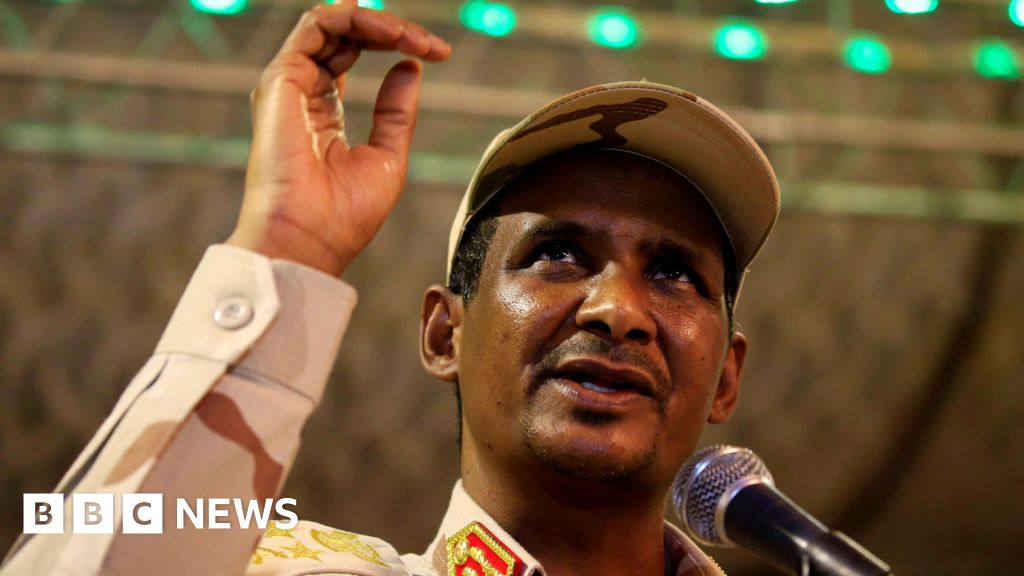
RSF Leader Vows Probe as Youth Fury Grows Over El-Fasher Killings

Sudan’s Escalating Crisis: A Grim Turning Point in Africa’s Last Civil War

The conflict in Sudan has reached a devastating new phase, with widespread reports of violence that threaten regional stability and expose the profound failures of international diplomacy. The recent seizure of el-Fasher by the Rapid Support Forces (RSF)—a paramilitary group led by Gen Mohamed Hamdan Dagalo—marks a severe escalation in a civil war now in its third year. An investigation into human rights violations has been announced, but mounting evidence confirms the brutal reality on the ground: mass killings, ethnic targeting, and a humanitarian catastrophe that few in the international community can ignore. The United Nations Security Council is convening amidst growing outrage, exemplifying the crisis’s bipartisan concern but also underscoring the international community’s limited leverage in halting the bloodshed.

Eyewitness accounts and verified footage reveal a disturbing pattern of violence—particularly in the besieged city of el-Fasher. Reports from the WHO and humanitarian agencies depict scenes of chaos, with over 460 civilians shot dead at the last hospital alone, many of them unarmed and vulnerable. Social media videos, analyzed by BBC Verify, show RSF fighters executing civilians—an atrocity that compounds long-standing fears of ethnic violence and targeted killings of non-Arab populations. The RSF denies these accusations, claiming their actions are not ethnically motivated, but discrepancies between official statements and documented evidence deepen suspicions. As analysts warn, such denials only delay acknowledgment of a crisis rooted in deep-seated societal divisions and decades of failed state governance.

The geopolitical impact of the Sudanese conflict extends beyond its borders, igniting fears of regional destabilization and broader humanitarian fallout. Egypt and Ethiopia, along with other neighbors, monitor the chaos as refugees flee in the hundreds of thousands, many trapped in limbo, suffering violence, starvation, and disease. The role of external actors has come under scrutiny—most notably the United Arab Emirates (UAE), which faces persistent accusations of supplying military aid to the RSF despite official denials. This involvement signifies a dangerous tilt toward proxy conflicts that threaten to ignite a broader regional crisis, reminiscent of the chaos that engulfed Libya and Yemen in recent years. International organizations, including the African Union, call for urgent humanitarian corridors and neutral investigations to prevent further atrocities, but the challenge lies in enforcing these efforts amidst entrenched factional rivalries.

Historically, Sudan’s fragile statehood has been marred by persistent *exclusion* and tribal tensions—issues that the AU, UN, and regional powers have repeatedly failed to resolve. Analysts such as Dr. Mohamed Ibn Chambas emphasize that without addressing these root causes, military solutions are futile. The ongoing splintering of the country’s geography—control now divided between the RSF in the west and the Sudanese army in the capital—foreshadows a prolonged, possibly genocidal conflict that risks engulfing the entire region in chaos. As history watches silently, the narrative of Sudan remains a stark reminder: when societies are fractured by exclusion and power struggles, the true cost is paid by the innocent. The weight of history presses heavily, and the question remains—will the international community muster the resolve to prevent this crisis from spiraling into a new chapter of African hell, or will it be yet another chapter written in silence?

Social Media Auto Publish Powered By : XYZScripts.com



