Matox News

Truth Over Trends, always!

Jess Cartner Morley Breaks Down the Rugby Shirt’s Rise as Athleisure’s Preppy Power Move

The Rise of Athleisure: From Fitness Fad to Power Dressing

Once confined to gym floors and casual weekends, athleisure has now evolved into a defining style statement that resonates with a new generation seeking authenticity, comfort, and societal signals. No longer just about gym wear or weekend leisure outfits, today’s athleisure trend embodies a cultural shift toward embracing tradition, authority, and even a touch of nostalgia. This shift reflects how fashion—especially streetwear—can serve as a mirror to societal change, where clothing choices express identity, social loyalty, and even political stance. Influencers like Nina Urgell Cloquell and sociologists such as James B. Twitchell suggest that the latest iteration of athleisure signals a desire for stability and structure amidst the chaos of modern life.

What makes this trend so compelling is its cultural impact. The iconic rugby shirt, once associated purely with organized sport, has transcended its athletic roots to become a symbol of preppy chic that reasserts traditional social hierarchies. Paired effortlessly with slouchy tracksuits or tailored trousers, the rugby shirt bridges the gap between the worlds of sport and high fashion, blurring the lines of class and authority. Its presence signals a broader societal move towards embracing familiar, inherited codes—clothing associated with institutions, respectability, and stability—that subtly reject the anti-establishment ethos that once dominated streetwear. This is no coincidence, according to fashion analysts who observe that luxury brands are now re-engaging with preppy styles, elevating them to symbolically endorse a return to order and hierarchy.

This shift isn’t purely about aesthetics; it’s a reflection of a broader societal dynamic. As fashion moves into a realm of increased comfort, formal elements like ties and structured blazers are making a comeback, signaling a subtle but significant cultural reassertion of authority and social order. The resurgence of the rugby shirt, along with loafers and pleated trousers, underscores how clothing formerly associated with discipline and tradition now carries a cool, ironic edge—offering a way for young people to express respect for structures without entirely surrendering their individual style. Influencers across platforms like Instagram and TikTok are showcasing these looks, turning what might seem like nostalgic throwbacks into mainstream lifestyle statements. This cultural shift suggests that at its core, fashion is increasingly being used as a tool for **social positioning**, as well as a reflection of a desire for stability in turbulent times.

As striking as this evolution is, it raises an intriguing question: what’s next for this reassertion of authority through fashion? Will we see traditional symbols of hierarchy—such as ties, blazers, and rugby shirts—become even more mainstream, or will a new antithesis emerge to challenge this order? The next chapter could reveal whether this shift is a temporary reaction or an enduring change that redefines how society perceives status and self-expression. The core challenge will be understanding whether this trend signifies a genuine cultural realignment or simply a fleeting fashion cycle—one that, like many others, might eventually be replaced by yet another push toward individualistic rebellion. The future of style, it seems, may be as much about questioning authority as celebrating it.
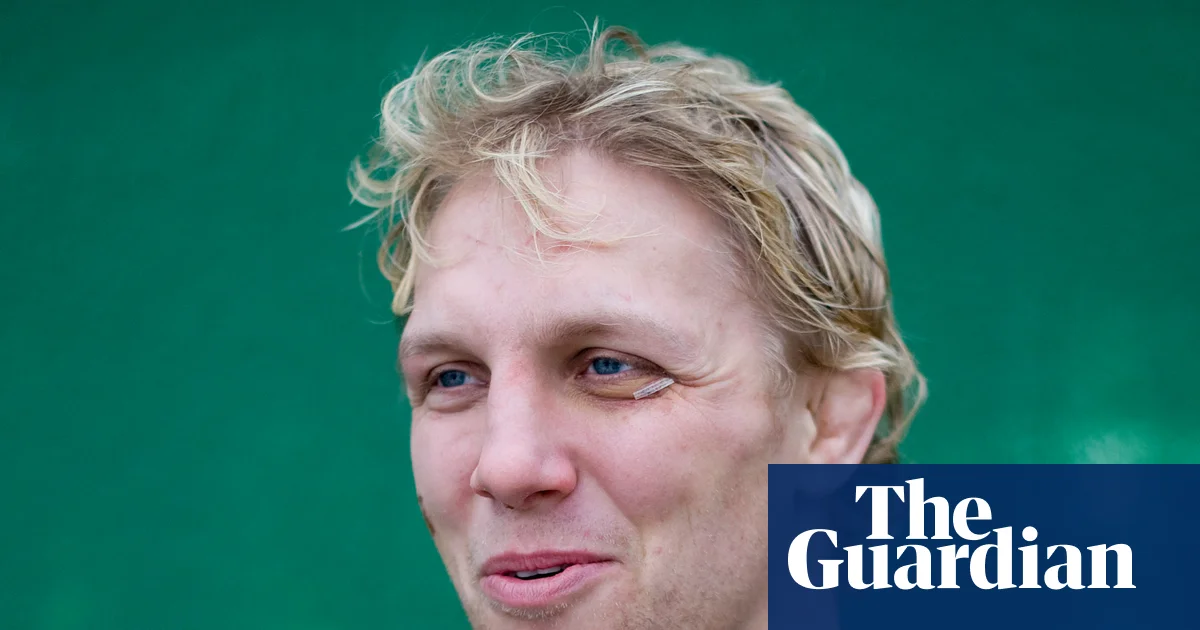
Ex-England rugby captain Lewis Moody open about MND battle—warning for all youth

In a world increasingly shaped by geopolitical turbulence and complex international relationships, the personal stories of national figures often bring a poignant reminder of the universality of human vulnerability. Recently, Lewis Moody, the celebrated former captain of England rugby and a 2003 World Cup champion, disclosed he has been diagnosed with motor neurone disease (MND). Despite his youthful resilience, Moody’s revelation underscores how fragile even the strongest individuals can be when faced with the relentless realities of health crises, raising broader questions about societal resilience and the role of global health initiatives in supporting those in the spotlight.

The diagnosis—discovered after Moody experienced mild symptoms, such as shoulder weakness—has sent ripples beyond the rugby field, shining a light on a disease that has devastated many, including fellow rugby personalities Doddie Weir and Rob Burrow. These tragedies have catalyzed UK-wide fundraising efforts, with high-profile figures and organizations rallying behind the fight against MND. Such stories serve as a mirror to the delicate balance of power, health, and societal support systems—highlighting how individual health battles can resonate on an international scale and influence policy discussions on healthcare funding, research priorities, and national resilience.

On the geopolitical stage, international health bodies and regional alliances have increasingly recognized the importance of swift action in combating neurodegenerative diseases. The World Health Organization (WHO) has emphasized the need for global cooperation, citing recent scientific advancements and the urgency of accelerating research funding. As countries grapple with escalating healthcare challenges—exacerbated by the ongoing balance of economic stability and social welfare—such personal stories emphasize that leadership requires compassion and foresight. On a societal level, the outbreak of chronic illnesses like MND threatens to strain national healthcare systems, potentially diverting vital resources from other crucial areas like education, infrastructure, and defense.

The geopolitical impact of health crises such as MND is multifaceted. They catalyze discussions on pandemic preparedness, research collaborations, and how societies prioritize their vulnerable populations. Analysts argue that these health emergencies expose gaps in international cooperation, urging global institutions to implement more cohesive strategies—ensuring no nation is left behind. Meanwhile, governments are reminded of their duty to foster resilient societies where healthcare is not a privilege but a right. These decisions ultimately influence social cohesion, economic stability, and the future of human progress, shaping a legacy that will be debated by historians for generations to come.

As Moody’s story unfolds—a narrative marked by courage and confrontation—the broader dialogue remains open: how will nations respond to the rising tide of complex health challenges? Will the indomitable spirit of individuals inspire stronger global solidarity? Or will the weight of history reveal missed opportunities to unify and innovate in the face of such adversity? The answers lie intertwined with the course of history yet to be written. In a world teetering between chaos and hope, personal tragedies serve as stark reminders of our interconnected fate, pressing nations and societies alike to confront the profound questions of resilience and compassion—before the pages of history turn again.

Social Media Auto Publish Powered By : XYZScripts.com



