
Revolutionizing Rest: Sleep Industry Faces Disruption Amidst Innovation Surge
The sleep industry, long dominated by traditional mattress makers, is witnessing a dramatic wave of disruption driven by cutting-edge technologies and innovative business models. As startups and established companies alike push the boundaries of comfort, support, and health benefits, the implications extend far beyond the bedroom, promising to reshape consumer health, wellness markets, and even the broader tech ecosystem.
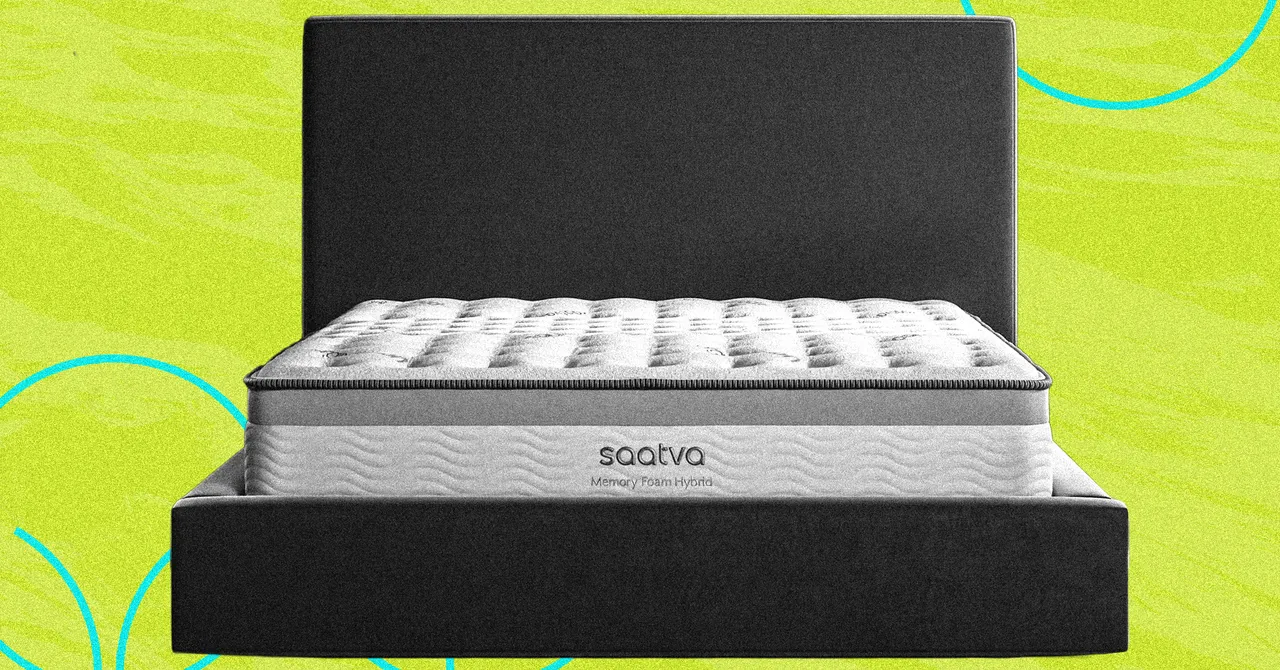
Leading this charge are companies leveraging smart materials, personalized firmness adjustments, and organic support layers—pioneering an era where sleep solutions are increasingly tailored to individual needs. For instance, Saatva’s Solaire offers remote firmness control, an innovation that aligns with *Peter Thiel’s* philosophy of decentralizing control and empowering individual preferences, signifying a potential business model shift from manufacturing to user-centric experiences.
Analysts from Gartner emphasize that such innovations aren’t merely about comfort—they are disrupting the fundamental value propositions of traditional mattress giants who relied on physical retail dominance. Instead, direct-to-consumer brands like Leesa and Wolf Mattress demonstrate that online channels combined with advanced product tech can create scalable, profitable niches in the wellness-to-smart-tech continuum. This underscores a market shift toward *digital-first, customization-driven platforms* that threaten established brick-and-mortar dominance.
Innovation and Industry Transformation
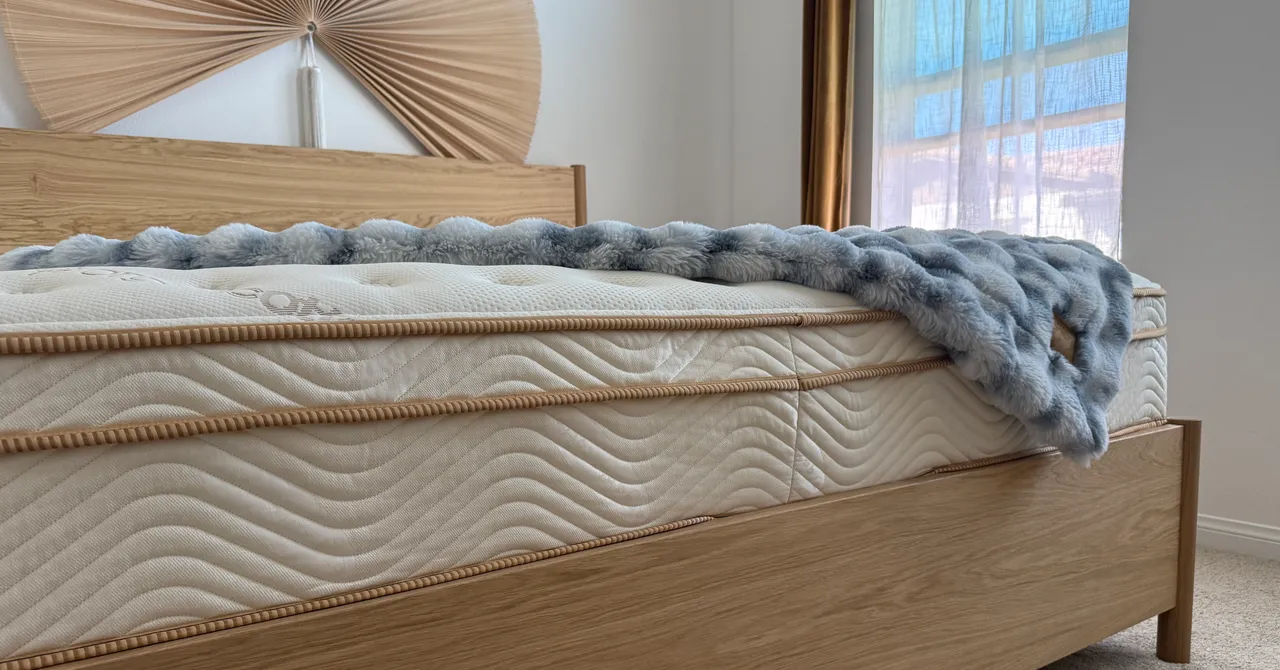
Furthermore, emerging companies are integrating organic, breathability-focused support systems, which align with broader consumer trends towards health-conscious and environmentally friendly products. The Essentia’s Tatami Organic Mattress
This innovation spectrum—ranging from organic support cores to responsive internal air chambers—reflects *a broader push toward disruption* that could overthrow incumbents by offering smarter, more adaptable sleep solutions. The industry is not only changing how people sleep but also how they approach health and wellness holistically.
Business Implications: Opportunities and Challenges
The shift to disruptive, tech-enabled sleep solutions poses significant business implications: traditional firms face the pressure to innovate or risk obsolescence. As Elon Musk often advocates, embracing rapid technological development and innovative distribution channels is key to survival in an era where consumers demand personal comfort with high tech integration. Likewise, subscription models for premium sleep tech will likely dominate the landscape, locking users into continuous innovation loops.
However, this rapid pace of change also introduces challenges. The proliferation of advanced materials and customizable features necessitates new standards and regulatory frameworks. As Gartner warns, the risk of *overhyped promises and subpar products* increases, emphasizing the need for rigorous testing and consumer education. Moreover, the industry’s sheer growth—focused heavily on user-data collection to refine personalized experiences—raises *privacy and security* concerns that must be addressed swiftly to sustain consumer trust.
Looking ahead, the intersection of *health, technology, and direct consumer engagement* signals a future where sleep technology becomes a core component of personal wellness ecosystems. Companies that innovate quickly—harnessing AI, organic materials, and digital interfaces—will likely define market leadership. Yet, those slow to adapt risk being displaced in a landscape where *disruption is the new norm* and consumer expectations continue to elevate. The urgency is clear: the industry stands on the cusp of a revolution that could significantly influence not only how we sleep but how we live and thrive in an increasingly tech-driven society.