
Global Unrest Deepens: Russia’s Strategic Moves and the Rising Response from Europe
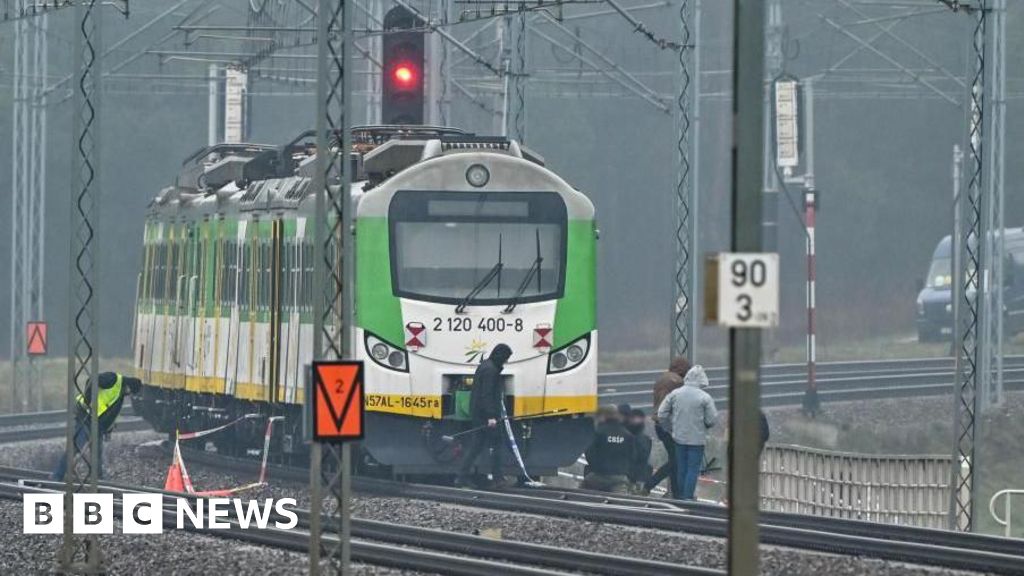
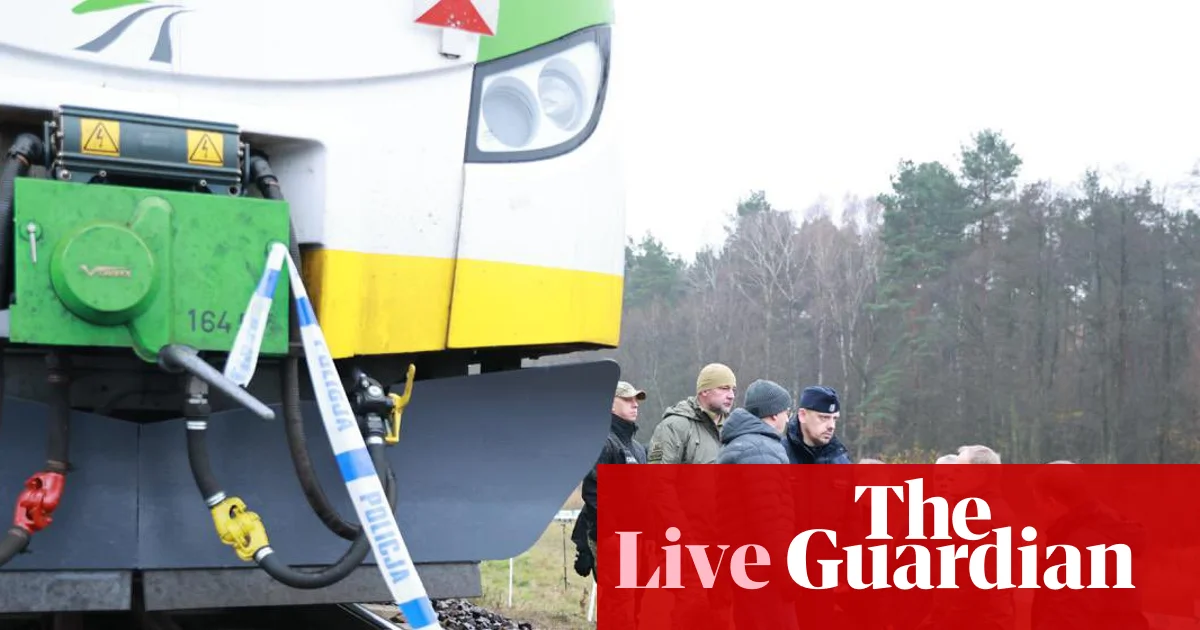
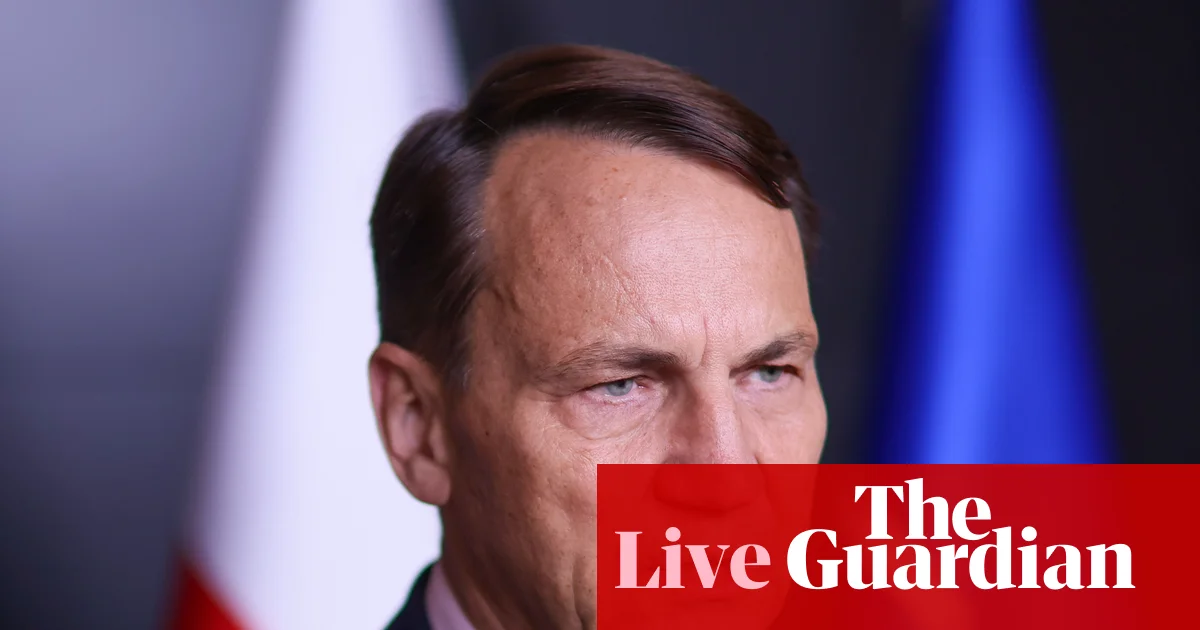
In a significant escalation of regional tensions, Russia has recently been accused of orchestrating a series of acts deemed by some as *state terrorism*. Polish Foreign Minister Radosław Sikorski publicly labeled recent Russian rail sabotage incidents as an act of state terrorism, explicitly alleging that the incidents over the weekend were not mere accidents but carefully planned assaults intended to cause human casualties. He further warned about a growing disinformation tsunami in the wake of these events, emphasizing the importance of clear, credible diplomacy amidst a whirlpool of conflicting narratives. Such tensions reflect a deliberate effort by Moscow to destabilize Eastern European countries, which are increasingly under pressure as NATO and EU members prepare their defenses against what many see as an aggressive expansionist Russia.
The situation has compelled Poland to take concrete measures. Sikorski announced that Poland will withdraw its consent for the last remaining Russian consulate in Gdańsk, effectively shutting it down in response to previous sabotage attacks that Poland claims are inspired by Moscow. These actions underscore a shift in Poland’s policy posture, signaling a refusal to tolerate what it perceives as hybrid warfare tactics. Meanwhile, across the Atlantic, analysts from international think tanks warn that such provocations could serve as a prelude to broader military escalation, forcing NATO nations to reconsider their strategic calculations as the threat from Russia looms larger. The recent NATO summit saw calls for increased air defense capabilities, especially from Slovakia, which is seeking to bolster its eastern flank amidst fears of Moscow’s territorial ambitions.
Within this volatile environment, key geopolitical conversations are taking center stage. Slovakia has formally requested NATO to strengthen its air defenses along the eastern border, a move that echoes Poland’s mounting concerns. Slovakian Prime Minister Robert Fico emphasized the importance of maintaining a robust defensive posture, especially as most NATO allies are increasing their defense investments. Meanwhile, Britain remains a cautionary tale in the EU, with Sikorski warning that outside the union, the UK has struggled with economic downturns and increased migration from less-developed regions—outcomes he argues could be mirrored by Poland if it chooses diverging paths from EU integration. Historians like Dr. Emily Watson note that these debates highlight the fundamental question Europeans face: independence through unity versus sovereignty through divergence. With rising fears of an all-out conflict, the consensus remains uncertain, and the weight of history presses heavily upon today’s decision-makers.
Amidst these diplomatic tensions, the crisis in Ukraine has reached a new peak. President Volodymyr Zelenskyy reported that Russian forces launched over 470 attack drones and 48 missiles overnight, striking civilian infrastructure and military targets with ruthless intensity. Zelenskyy’s stark warning that “the pressure on Russia is still insufficient” serves as a rallying cry for Western allies, as Ukraine continues to face relentless assaults. The attacks prompted neighboring Poland to close airports and scramble fighter jets near the border, exemplifying how these conflicts ripple through the region. Zelenskyy’s scheduled visit to Turkey in hopes of reigniting stalled peace talks underscores the delicate, yet profound, hope for diplomatic resolution amidst ongoing chaos. With the European continent at a crossroads, the question remains: how long can peace be preserved before the depths of history overwhelm the present?