Matox News

Truth Over Trends, always!

Madagascar Military Takes Control as President Moves to "Safe Place"
Madagascar Military Takes Control as President Moves to “Safe Place”

Madagascar’s Turmoil: A Country on the Brink of Uncharted History

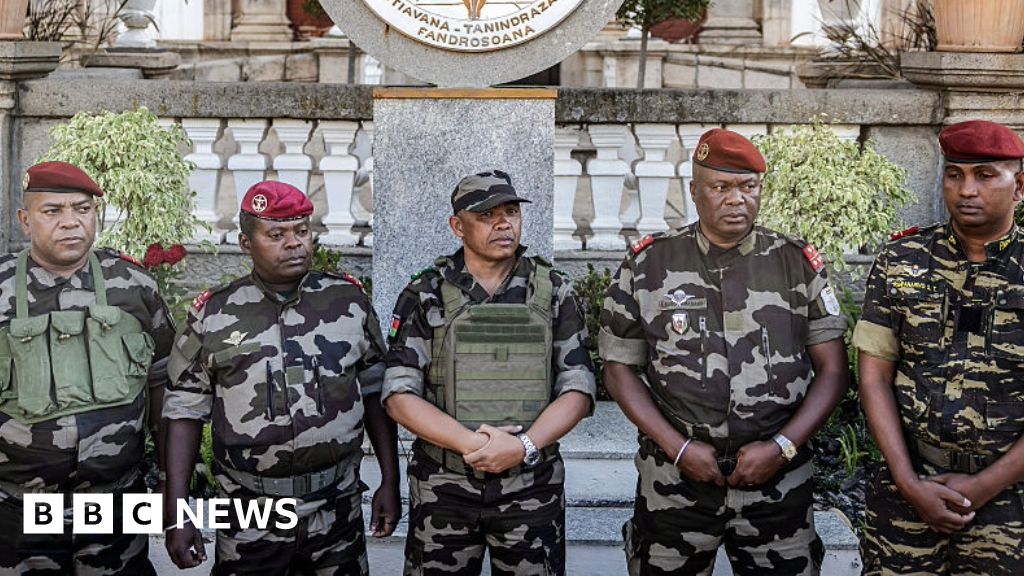
The Indian Ocean island of Madagascar has entered a perilous new chapter in its political saga, as a powerful military unit claims to have seized control from President Andry Rajoelina. This abrupt shift in power follows weeks of youth-led protests that erupted over chronic shortages of water and electricity, but quickly morphed into a wider expression of dissatisfaction with government corruption, unemployment, and economic hardship. Such upheavals are a stark reflection of the fragility that often characterizes nations on the periphery of global power, where internal strife is ripe for exploitation and upheaval.

The Military Coup and International Reactions

The Personnel Administration and Technical and Administrative Services Corps (CAPSAT), often regarded as the most formidable military faction in Madagascar, announced that it had “seized power.” Interestingly, this elite unit, which once supported Rajoelina when he ascended to power in 2009, has now aligned itself with the protesters. In a dramatic turn, the country’s constitutional court appointed Col Randrianirina as the interim leader, even as Rajoelina’s official office claimed that he remained in charge and dismissed the coup as an “attempted overthrow.”

Global reactions have been swift and cautious, with international organizations voicing concern. The African Union (AU) explicitly warned against military meddling, condemning any “unconstitutional changes of government,” while the French government described the situation as “greatly worrying.” The United States, through its State Department, urged all parties to pursue a peaceful resolution within the framework of Madagascar’s constitutional order. Historically, such foreign engagements highlight how isolated or embattled regimes risk alienation and intervention, which often escalate the crisis rather than resolve it.

The Roots of Unrest and the Power Struggle

Madagascar’s recent unrest stems from widespread economic despair, magnified by the youth-led protests against economic mismanagement and systemic corruption. Despite President Rajoelina’s youthful image and initial promise to symbolize a new beginning, allegations of cronyism and embezzlement tarnished his reputation, leading to mounting opposition. The protests turned violent, with clashes resulting in the UN reporting at least 22 fatalities and over 100 injuries; though the Malagasy government dismissed these figures as “rumors.”

Worse still, Rajoelina’s position was rendered increasingly vulnerable as lawmakers impeached him by a significant majority—*130 votes to none*, with even members of his own party voting against him. Rajoelina responded by attempting to dismiss the national assembly, an effort that failed and further underscored the deepening political crisis. Despite his attempts to influence events from exile, the narrative is clear: Madagascar is teetering on the edge of a political abyss.

How Decisions Shape Societies and the Geopolitical Impact

The unfolding chaos in Madagascar underscores how internal political decisions resonate far beyond its borders. The AU’s warning against military intervention illustrates a broader concern about regional stability and the potential domino effect of coups in Africa. Furthermore, reliance on foreign powers like France and the United States exposes the fragile balance between national sovereignty and geopolitical interests. Historians like Walter Russell Mead warn that such unstable regimes can serve as breeding grounds for extremism and undermine regional efforts for economic development.

Madagascar’s dire poverty—75% of its 30 million population living below the poverty line—exemplifies the societal costs of prolonged instability. The country’s leadership disputes accusations of corruption, yet the populace’s frustration boiled over into violent protests, revealing how economic hardships can catalyze political upheaval. This crisis, therefore, becomes not just a local matter but a stark reminder of how fragile democracies are in the face of authoritarian temptations and external influence. History warns that neglect of governance and economic justice often culminate in chaos, with the people paying the highest price.

As the future of Madagascar hangs in the balance, the unfolding events serve as a stark tableau of a nation on the brink—a fragile expression of the enduring human struggle for stability, justice, and sovereignty. History’s pen is still writing, and the next chapters of Madagascar’s story remain unwritten in the shadows of coups, repression, and hope.
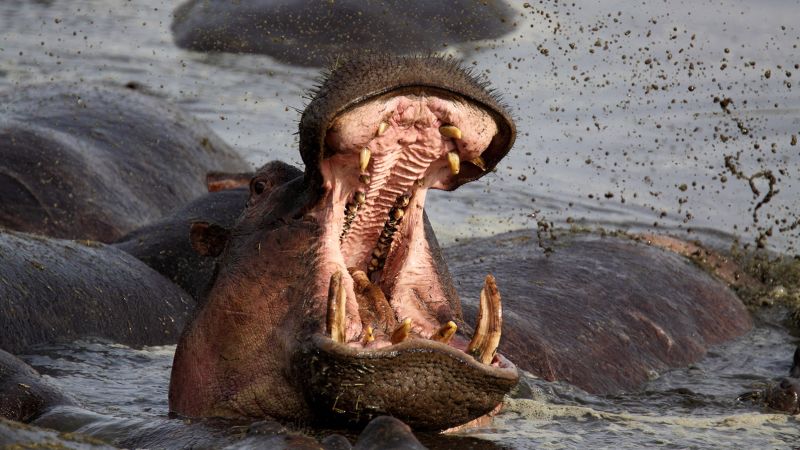

Stay safe from hippos: Protect yourself from Africa’s top land threat

Unfolding Drama in Africa’s Wilderness: A Reflection of Nature’s Power and Human Ambition

Zimbabwe, a nation famed for its stunning landscapes and resilient people, has become the backdrop for a harrowing tale that underscores the interconnectedness of nature, human activity, and geopolitical stability. The story of Paul Templer, a seasoned guide and former British army member, sheds light on the dangerous wilds that persist at the border of civilization and the wilderness. His life-altering encounter with a territorial hippopotamus in 1996 is not merely a personal tragedy but a stark reminder of the power of nature—a force that transcends national borders and influences global perceptions of Africa’s wild lands.

This incident occurred amidst a routine expedition on the Zambezi River, one of Africa’s iconic waterways, teeming with life yet fraught with perils that are often underestimated. Tourists and guides alike face the stark reality: hippos, while seemingly sluggish, are among the most deadly animals in Africa, responsible for hundreds of fatalities annually. The traditional view of these majestic creatures as peaceful herbivores is increasingly challenged by experts like Rebecca Lewison, a conservation ecologist, who emphasizes that most attacks are rooted in territorial defense rather than predation. As Africa’s population continues to grow and encroach on natural habitats, the geopolitical impact becomes evident, with increasing human-wildlife conflicts raising questions about land use, conservation policies, and national security.

Wildlife and Society: A Fragile Balance

Historian and environmental analyst Dr. Philip Muruthi frames this dilemma within the larger context of ecosystem stability, highlighting that hippos are ecosystem engineers—vital for nutrient recycling in freshwater environments. Yet, their presence in populated regions, such as Zimbabwe’s waterways and Colombia’s invaded Magdalena River, creates what experts see as a “perfect storm” of ecological disruption and human danger. The burgeoning African demographic boom inflates the risk of deadly encounters, rendering traditional safety measures increasingly vital. Muruthi warns that in regions like Kenya, adherence to guidance from professional safari guides and strict protocol are essential to preventing tragedies while protecting the local ecosystems.

International institutions and conservationists acknowledge that the threat is both environmental and geopolitical. The African Wildlife Foundation points out that hippos, although crucial to aquatic ecosystems, are often forced to interact with humans due to habitat loss—a consequence of urban expansion, agriculture, and climate change. These international shifts threaten to destabilize the delicate balance that sustains African communities and native wildlife, making the ongoing debate over ecological management a high-stakes geopolitical concern.

The Human Cost and the Lessons of Courage

Templer’s harrowing encounter highlights the raw realities faced by guides and locals engaged in the preservation of Africa’s wilderness. His story illustrates how decisions made in seconds can echo through history, shaping future wildlife tourism and conservation policies. Despite his injuries—losing an arm and enduring life-threatening trauma—Templer’s resilience and advocacy serve as a testament to the indomitable spirit of those on the frontline of conservation. His call for responsible tourism, emphasizing education and safety, echoes global advice: “Follow the rules, stay alert, and respect nature’s boundaries.”

As international organizations analyze the unfolding conflicts between human development and wildlife conservation, the current trajectory suggests a future where collaborative action is vital to ensure both ecological health and human safety. Yet, the real question remains: how will nations adapt their policies of expansion and preservation in a rapidly changing world? The story of Africa’s hippos and the guides who dare to face them symbolizes a broader narrative—one of survival, power, and the relentless push of progress into the unknown. As this chapter of history closes, the true extent of our influence on the wild remains uncertain, and the world watches anxiously for the next act in this ongoing saga of man versus nature.

Social Media Auto Publish Powered By : XYZScripts.com


