
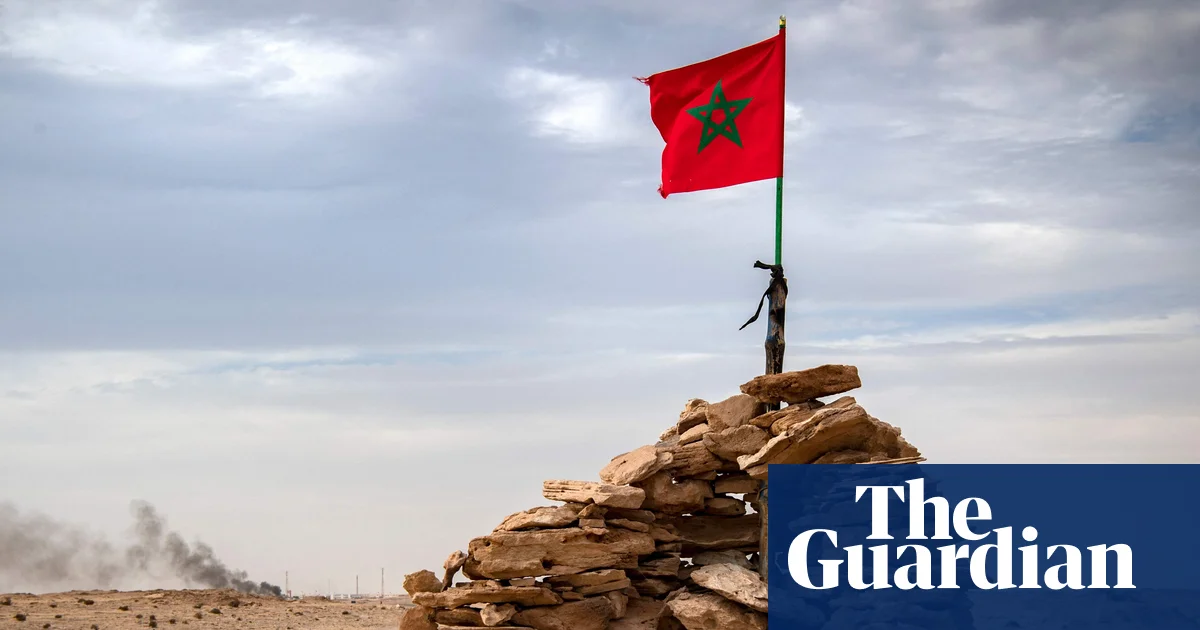

In a watershed moment for international geopolitics, the United Nations Security Council has approved a landmark resolution supporting Morocco’s claim to Western Sahara, a contentious, phosphate-rich territory long marred by dispute and unresolved conflict. This decision, backed by a broad coalition of nations and notably sponsored by the United States, marks a decisive shift in the diplomatic landscape of North Africa. The resolution underscores a preference for autonomy combined with Moroccan sovereignty, effectively sidelining the long-held demand for a *referendum on full independence* advocated by the Polisario Front and its allies. As the global community’s focus shifts toward pragmatic solutions, the question remains: how will this influence regional stability and the broader balance of power?
This move is not merely about territorial sovereignty but about geopolitical impact. While the resolution has garnered support from most European Union member states and an increasing number of African nations seeking stability and economic development, it has faced fierce opposition from Algeria, a key supporter of the Polisario Front. Algeria perceives this shift as a threat to the independence aspirations of the Sahrawi people, who have endured decades of displacement and statelessness. The stalemate immediately raises critical questions: can diplomacy forge a new path or will this deepen tensions in a region historically plagued by conflict? Analysts from the International Crisis Group warn that while the resolution appears to favor Morocco, the core issues—self-determination, resource rights, and regional influence—are far from resolved, highlighting the persistent **u**tension and instability.
Historically, Western Sahara’s strategic importance cannot be overstated. Under Spanish rule until 1975, the territory has since been at the center of a bitter struggle involving Morocco, Polisario, and external powers vying for influence. The 1991 ceasefire was intended to set the stage for a referendum, yet voter eligibility disputes and ongoing clashes have indefinitely postponed resolution. More recently, Morocco has transformed the area through infrastructure development—constructing ports, highways, and urban settlements—further consolidating control. Meanwhile, the Polisario Front denounces any move perceived as legitimizing Morocco’s occupation, asserting that “peace *can never be achieved* by rewarding expansionism.” The UN’s heavy-handed measures, including decades of peacekeeping efforts, now face re-evaluation amidst shifting international support, threatening to alter the *status quo* entrenched for over thirty years.
As U.S. Ambassador Mike Waltz declared the resolution “historic,” the broader implications for international diplomacy become clear. The move aligns with Washington’s strategic interests, signaling a tilt toward pragmatic autonomy solutions that sideline calls for full independence. Yet, critics argue that this narrow victory could sow the seeds of renewed conflict, especially as the Polisario camp remains committed to self-determination. The broader regional calculus involves **u**s backing Morocco as a linchpin in North African stability, but it also risks heightening tensions with Algeria and other neighbors invested in Sahrawi independence. This pivot could fundamentally reshape how nations approach conflict resolution in contested regions, setting precedent for future geopolitical disputes rooted in resource control and sovereignty.
As the diplomatic landscape evolves, the next chapter remains to be written. The UN’s renewed mission and the international community’s divided stance are testaments to the complexity and high stakes of this conflict—a clash over land, identity, and influence. In the shadow of shifting alliances and unending aspirations for sovereignty, history’s relentless march continues, leaving the world perched on a precipice of uncertainty. What future awaits Western Sahara? The answer hinges on decisions yet to be made—and the enduring will of its people, whose hopes for justice echo in the ongoing contest for their homeland.




