
Matox News

Truth Over Trends, always!

Valentine’s Day Boost: Sex Toy Sales Surge with Savings Up to 85%—Gear Up for a Romantic Revolution

As Valentine’s Day approaches, a major cultural shift is quietly transforming the way young people engage with intimacy and self-care. Traditionally centered on material gestures—flowers, chocolates, or romantic dinners—the holiday now increasingly emphasizes personal wellness and self-empowerment. Thanks to a surge in innovative and discreet pleasure tech products, a new attitude is emerging that prioritizes individual agency and normalized conversations around sexuality. Influencers, sociologists, and brands alike recognize this seismic change as a key marker of a broader societal trend: a move toward embracing sexuality as both a lifestyle choice and a social statement.

Major online retailers like Lovehoney, Good Vibes, and Hello Nancy are strategically capitalizing on this shift through aggressive sales and marketing campaigns that highlight a diverse range of intimacy-enhancing products. These brands are not just selling sex toys—they are redefining what it means to prioritize sexual wellness in everyday life. For instance, Lovehoney is currently offering up to 70% off sitewide, turning what used to be taboo into an accessible lifestyle upgrade. Meanwhile, influencers in the space promote these brands not only as gifting options but as tools for self-love and empowerment, signaling a social acceptance that was once unthinkable. This evolution in consumer behavior and cultural discussion underscores a societal move towards acknowledgment and celebration of sexuality as a natural and healthy aspect of life—especially among driven, young adults who are reshaping the norms and conversations surrounding intimacy.

The social relevance of this trend extends beyond mere consumerism. It marks a structural shift in how society perceives and discusses sexuality, with digital platforms serving as catalysts for normalization. From TikTok videos to Instagram stories, influencers are demystifying pleasure technology and encouraging open dialogue, challenging long-standing stigmas. Sociologists observe that this reflects a broader phenomenon of destigmatization, where society increasingly sees sex and self-care as integral to overall well-being rather than private taboos. This not only influences individual behavior but also impacts cultural attitudes, encouraging a generation that values authenticity, comfort, and agency in their intimate lives. The accessibility of these products—often offered with significant discounts or discreet shipping—further empowers young adults to integrate wellness into their routines without shame or stigma.

Yet, the question on many minds is: where does this trend lead us next? As these products become a staple in lifestyle conversations and wellness routines, the next big question looms: Will the normalization of sexual wellness extend into broader societal structures and policies? Could this shift catalyze reforms in healthcare, education, or even workplace policies around sexuality and mental health? The dramatic rise of pleasure-focused brands signals a cultural landscape that may soon prioritize holistic approaches to well-being—integrating body, mind, and social acceptance. Indeed, this ongoing transformation raises an essential inquiry for the future: are we heading toward a society where sexual wellness is as universally accepted and openly discussed as physical health, and what does that mean for the next generation? The answers to these questions will shape not just market trends, but the social fabric itself, as Generation Z and Millennials continue to challenge old norms and forge new pathways toward authenticity and empowerment.
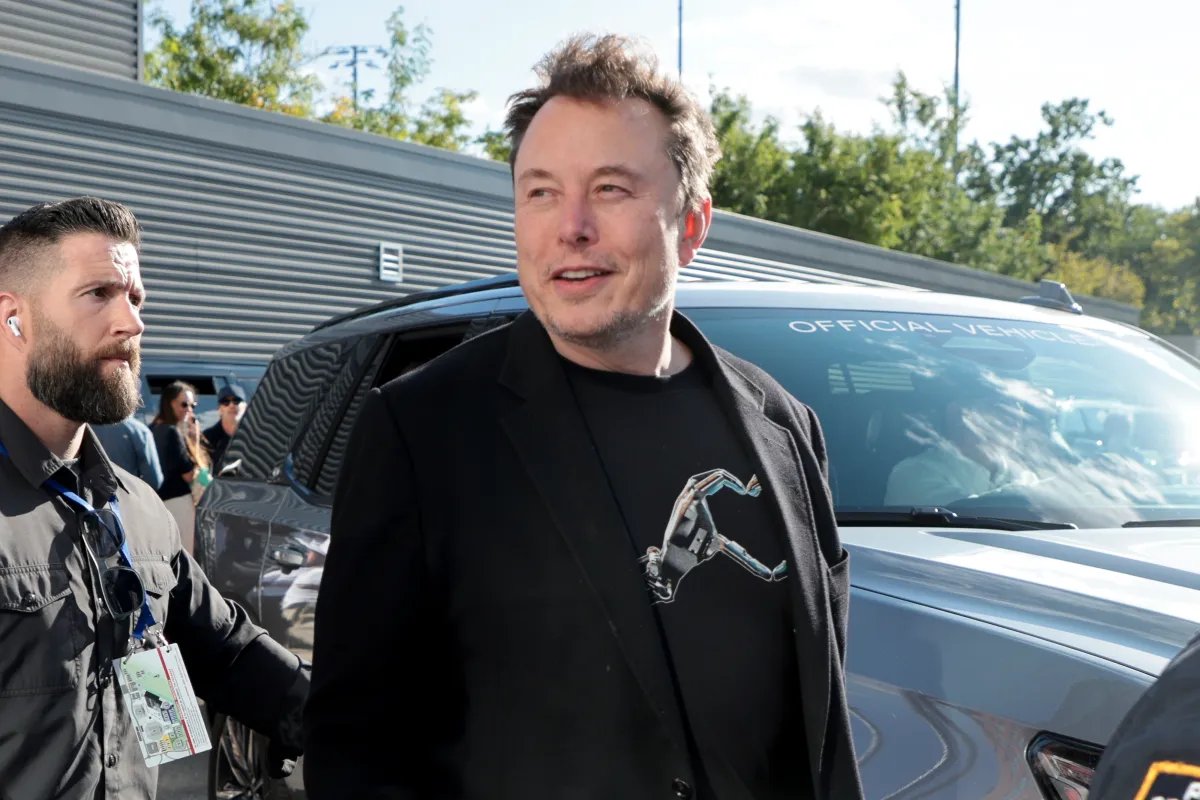
Elon Musk warns on Tesla’s ‘robot army’ as auto sales bounce back

Tesla’s Record Sales Highlight Innovation Amid Industry Disruption

In a significant stride toward redefining the automotive and AI landscape, Tesla reported a record-breaking vehicle delivery volume in Q3 2025, driven largely by the government’s expiring federal EV tax credits. Despite this surge, the company’s earnings did not scale proportionally, with profits declining 37% compared to the same quarter last year. This disparity underscores the escalating costs associated with Tesla’s relentless push into AI and robotics innovation, which, according to industry analysts, could reshape transportation and healthcare sectors for decades to come. Tesla’s strategic pivot appears to threaten established industry paradigms, signaling a fundamental industry shift towards autonomous systems that could rival traditional automotive revenue streams.

Much of Tesla’s financial challenge stems from a 50% spike in operating expenses, largely due to investments in artificial intelligence (AI), research and development (R&D), and restructuring charges—potentially related to the controversial shutdown of its six-year-old Dojo supercomputer project. This costly push into AI aligns with CEO Elon Musk‘s vision of creating a “robot army,” notably through scaling its Full Self-Driving and Robotaxi initiatives, which Musk claims will fundamentally transform transportation. However, early production hurdles and the costly race for technological supremacy have amplified concerns among industry evaluators like Gartner and MIT about the sustainability of Tesla’s disruptive ambitions amid tightening margins.

As Musk pledges to develop the third iteration of Optimus– the company’s humanoid robot, the industry watches closely. While Musk’s rhetoric promises a future where Optimus could eradicate poverty and provide advanced medical care, experts warn that such a narrative veers into the realm of *speculative hype*, overshadowing the tangible engineering challenges and competitive pressures at play. Tesla’s increased capital expenditures—expected to grow *substantially* in 2026—reflect the intense competition for AI talent, as well as the strategic necessity to stay ahead in a technology war where timing and real-world deployment are critical. The ongoing battle over AI dominance is not merely technological; it is a watershed moment that could determine which players will lead the next global economic cycle.

  • Despite the fiscal costs, Musk remains committed to reshaping industry standards, predicting that AI-driven systems will eventually create a more equitable world.
  • Tesla’s plans for a two-seater “Cybercab” and advanced humanoid robots mark a clear departure from traditional automaking, solidifying the company’s position as a disruptive tech titan.
  • The looming question remains whether Tesla’s heavy investments and rapid innovation can deliver on Musk’s ambitious claims without destabilizing its core profits or alienating investors.

Looking ahead, the rapidly evolving AI and robotics sectors are poised to determine the next wave of industrial disruption. As Tesla accelerates its push into autonomous systems, the industry braces for a period of intense upheaval—one that could not only redefine mobility but also challenge policymakers, regulators, and global markets alike. With Musk’s bold vision and substantial capital commitments, the race is on. The question now is whether Tesla’s innovations will carve the future or become a costly gamble that delays true industry transformation. Time is of the essence for those who wish to lead in this new era—those who hesitate risk missing the seismic shifts that will shape the 21st century.

Selfridges pins tourist dip for luxury sales decline, retail struggles continue

Global Economic Shifts Impacting Luxury Retail: The Case of Selfridges

In recent years, Britain’s once-thriving luxury retail sector faces mounting challenges, emblematic of broader geopolitical and economic upheavals that threaten the stability of its international appeal. Selfridges, a storied retailer known for attracting high-net-worth individuals and tourists from around the world, has reported its fifth consecutive year of losses, a stark indicator of how shifts in global travel patterns and policy decisions ripple across economies and societies. This decline is not merely a business concern but reflects a deeper, transnational shift that influences the social fabric and economic stability of the United Kingdom.

The decline in sales—7% over 48 weeks to January 2025—stem from a confluence of intra-national policy changes and macroeconomic pressures. Notably, the UK government’s decision to abolish tax-free shopping for tourists —a key attractant for international luxury seekers—has significantly impacted London’s famed shopping districts. This move, part of broader post-Brexit economic realignments, is viewed by analysts as detrimental to the nation’s status as a global shopping destination. Selfridges highlights that weaker consumer confidence, inflated luxury prices, and ongoing cost-of-living crises have drastically constrained spending on non-essential luxury goods, especially among the wealthiest international visitors who once flocked to the UK for exclusive shopping experiences.

Adding urgency to the narrative are geopolitical factors and international investments that shape the future of global luxury markets. In October 2024, Saudi Arabia’s Public Investment Fund acquired a 40% stake in Selfridges, signaling a strategic pivot toward consolidating influence in the global luxury sector. This move underscores a broader pattern of Global South states expanding their footprint into luxury retail, aiming to leverage both economic power and geopolitical influence. Such investments, as noted by international analysts, are part of a broader trend where sovereign wealth funds seek to redirect economic influence through cultural and consumer markets, potentially shifting the balance of power in luxury retail from Western stalwarts to emerging economic powers.

The UK’s economic and cultural standing with this evolving landscape is under real strain. As historians and policy analysts warn, these challenges mark a pivotal moment where decisions made today will resonate for generations. The decline of iconic institutions such as Selfridges echoes the shifting tide of economic influence and societal values. With retail giants positioning themselves amid geopolitical flashpoints, the future of UK’s luxury industry and its socio-economic stability will be determined by how effectively it navigates these turbulent waters. As the clock ticks toward what could be a transformative period in global history, the unfolding story of luxury retail stands as a testament to the enduring, often turbulent, march of history—where decisions made in boardrooms and parliaments today will inscribe their legacy into the annals of international relations, economic power, and cultural identity for generations to come.

Social Media Auto Publish Powered By : XYZScripts.com