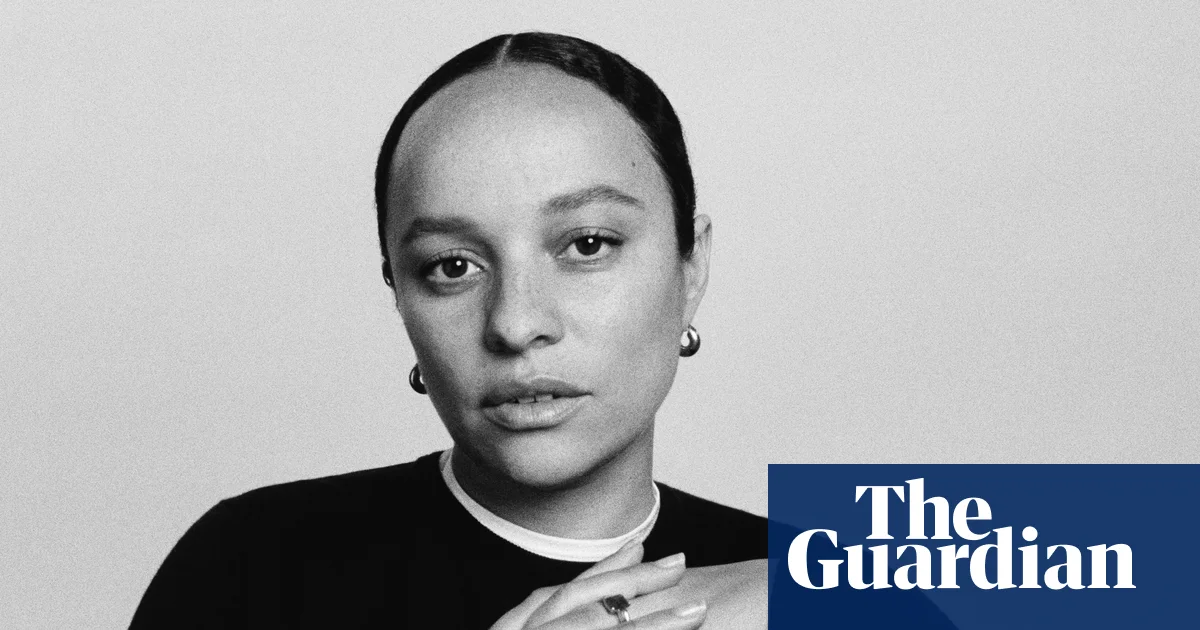

Fashion’s New Trailblazer: Grace Wales Bonner and the Shift Toward Cultural Authenticity
The fashion world, ever-changing and driven by leading designers, is witnessing a transformative moment with the rising prominence of Grace Wales Bonner. Named to succeed the legendary Véronique Nichanian at the storied French fashion house, Wales Bonner’s appointment signals more than just a career milestone — it marks a societal shift rooted in authentic cultural expression. Set to debut her first collection in January 2027, her appointment demonstrates how the rebellious spirit of youth, coupled with a keen sense of identity and history, is redefining luxury fashion from within. Influenced by her Jamaican roots, her upbringing in south-east London, and her deep academic engagement with art and history, Wales Bonner’s work embodies a new wave of fashion that emphasizes cultural legacy and identity politics, resonating with younger generations eager to see their histories honored and echoed on the runway.
The cultural impact of Wales Bonner’s ascendancy extends beyond high fashion, permeating mainstream consumer culture and shaping trends that savvy brands and influencers can’t ignore. Her collaborations with brands like Adidas Originals have reinvigorated classic sneakers such as the Samba and Superstar, transforming them from mere athletic wear into symbols of cultural hybridity and self-expression. These shoes, once associated solely with sports or streetwear, now serve as canvases for storytelling, showcasing her approach of blending traditional craftsmanship with contemporary, even rebellious, aesthetics. The sneakers have been adopted by icons from Rihanna to politicians like Rishi Sunak, illustrating how her designs are influencing a broad demographic spectrum and fueling a trend that goes far beyond the runway. Coupled with her knack for reimagining styles from silver foil to animal print, Wales Bonner reinforces a sense that fashion is a dynamic language—one that speaks loudly about identity, resistance, and social commentary.
Leading analysts and influencers recognize her role as more than just a designer; she is a socio-cultural pioneer who manages to weave stories of history into her work. Kenya Hunt, editor-in-chief of Elle UK, recently described her appointment as “long overdue,” emphasizing how her attention to craft and intelligence has consistently illuminated the fashion landscape. Her approach—akin to a jazz musician improvising with familiar instruments—addresses the duality of tradition and modernity that characterizes the next generation of consumers. Her references—ranging from the iconic African leader Haile Selassie and the carnival of Notting Hill to art icons like Jean-Michel Basquiat—highlight her broader cultural focus that makes her designs relevant and resonant. As fashion becomes increasingly intertwined with issues of race, identity, and social justice, Wales Bonner’s work exemplifies how the industry can serve as a conduit for cultural dialogue.
Yet the real question looming on the horizon is whether her success signals a temporary shift or marks a broader revolution in how fashion intersects with society. Is what we’re witnessing merely an aesthetic renaissance, or does it signify a seismic change in societal values? With her trajectory—dominating runway shows, collaborating with cultural icons, and earning accolades like the LVMH Prize and CFDA awards—it’s clear that Wales Bonner embodies a powerful movement: an ongoing call for fashion to reflect, celebrate, and critique social identities. As her influence expands and new talent emerges inspired by her ethos, the next big question becomes: how will this cultural shift reshape the industry’s future, and what role will fashion play in shaping societal narratives in the years to come?