Matox News

Truth Over Trends, always!

Japanese Stocks Surge After Sanae Takaichi's Decisive Election Win
Japanese Stocks Surge After Sanae Takaichi’s Decisive Election Win

The recent electoral triumph of Japan’s Liberal Democratic Party (LDP) under the leadership of Sanae Takaichi marks a pivotal chapter in East Asian geopolitics. Achieving an unprecedented supermajority of 352 seats in Japan’s lower house, the LDP has solidified its control since the establishment of the nation’s parliamentary system in 1947. This electoral mandate empowers Sanae Takaichi to significantly advance her legislative agenda, including ambitious fiscal policies that could reshape regional relations and influence the balance of power.

International analysts, including prominent political historians and economic strategists, emphasize that such a decisive victory signals Japan’s shift toward assertiveness in economic and security matters. Takaichi has announced plans to push a 21tn yen (£99bn) stimulus package coupled with the suspension of Japan’s 8% sales tax on food for two years—measures designed to boost domestic consumer confidence while potentially recalibrating Japan’s longstanding fiscal policies. However, concerns persist among financial markets and global observers regarding how Tokyo intends to fund these expansive initiatives, given Japan’s overwhelming debt burden—the highest among developed nations. The unveiling of these policy moves is already stoking volatility, as Japan’s debt and currency stability hang in the balance.

The geopolitical impact of Japan’s electoral outcome extends beyond its borders. With a tradition of cautious diplomacy balanced with strategic reassurance, Tokyo’s emerging assertiveness under Takaichi’s leadership is likely to influence regional dynamics, especially concerning U.S.-Japan relations and China’s expanding influence. Some international security experts argue that Japan’s strengthened mandate might embolden its military postures and strategic partnerships, impacting the regional balance in the Indo-Pacific. Meanwhile, the yen experienced notable fluctuations, temporarily weakening to near two-week lows before rallying slightly, amid market jitters over Tokyo’s unfolding fiscal strategies and the potential for intervention in foreign exchange markets.

Despite her electoral victory, Takaichi faces the complex challenge of balancing economic growth against fiscal sustainability. The absence of clear funding strategies for the proposed stimulus raises alarm bells about potential long-term repercussions, including escalating debt and currency instability. As she advocates for social welfare reforms and tax adjustments, international organizations and financial watchdogs warn that unsustainable borrowing or reckless stimulus could erode investor confidence and trigger economic destabilization. The coming weeks will gauge whether Japan’s leadership can reconcile its bold ambitions with responsible governance, a task that will determine whether this historic victory ushers a new era of prosperity or precipitates regional uncertainty.

As Japan’s political landscape shifts and decisions ripple across Asia and beyond, the weight of history presses heavily on the horizon. The unfolding saga of Tokyo’s strategic choices stands as a compelling story of a nation navigating the perilous intersection of economic viability and geopolitical influence—its outcome capable of rewriting the regional geopolitical map and ultimately, the course of world history.
Japan’s conservatives, led by Sanae Takaichi, secure big win in decisive election victory

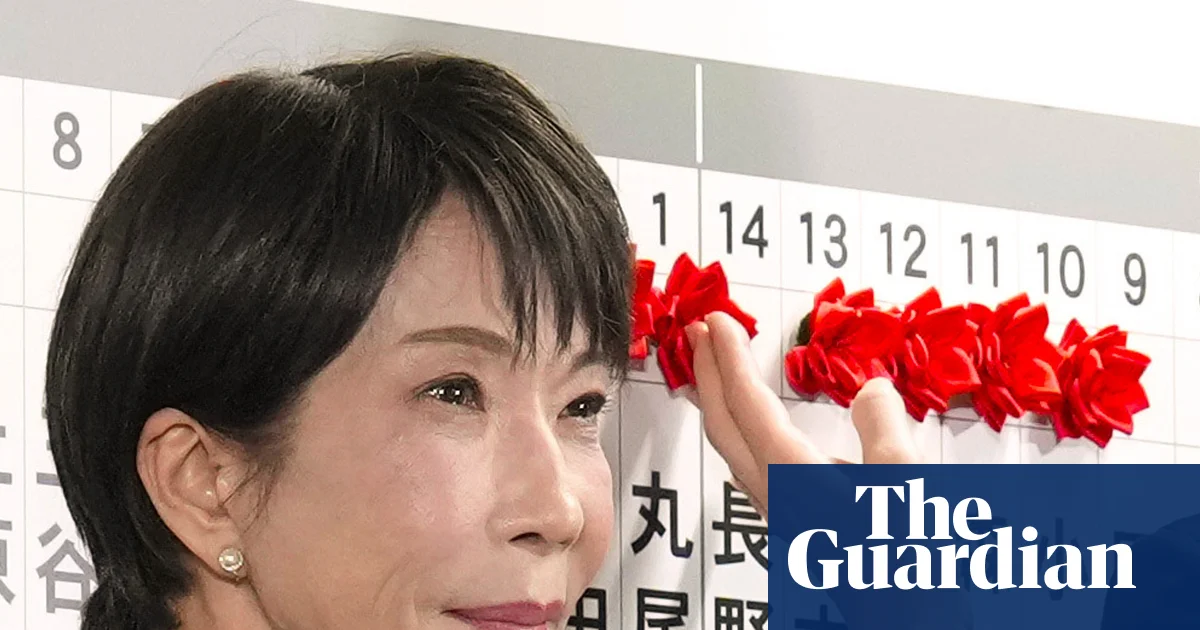
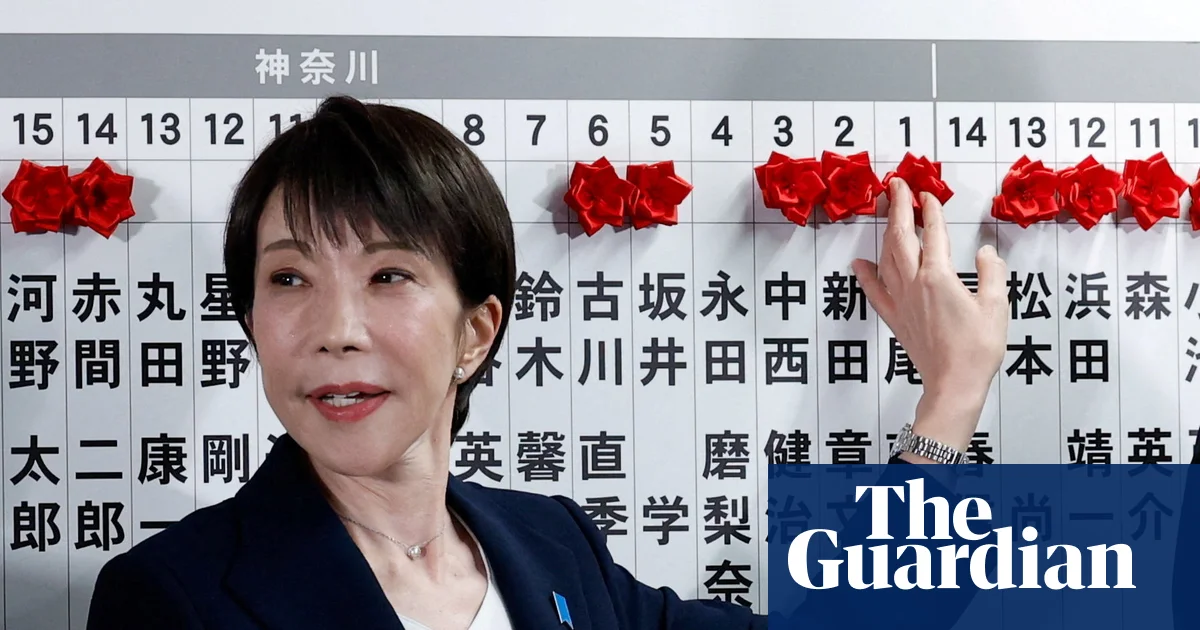
Japan has undergone a decisive political shift, cementing its conservative roots with a landslide victory in recent elections that will undoubtedly shape regional and global geopolitics for years to come. The Liberal Democratic Party (LDP), under the leadership of the newly re-elected Sanae Takaichi, secured as many as 328 of 465 seats in the lower house of parliament—surpassing the 233 needed for a majority—thus establishing a supermajority of two-thirds. This electoral triumph signals not only a domestic mandate for Takaichi’s policies but also a strategic move in Japan’s ongoing response to the complex geopolitical environment of the Indo-Pacific region. The election results, in the face of fierce winter storms and low voter turnout, reflect a societal lean toward stability and a reassertion of nationalist conservatism amidst mounting regional tensions.

However, the victorious leader’s ambitious agenda is shadowed by the mounting economic and diplomatic challenges facing Japan. Takaichi’s pending policy initiatives—most notably a ¥21 trillion stimulus package and proposed suspension of the 8% consumption tax on food—have sparked concern among financial markets, which worry about Japan’s ballooning debt—more than twice its GDP—and the potential for currency volatility. The fiscal policy debate epitomizes a broader question: can Japan maintain its economic stability while pursuing aggressive social spending reforms? As noted by international analysts, Japan’s debt burden remains the heaviest among advanced economies, raising fears that reckless fiscal expansion could ignite turbulence in global markets, especially if coupled with a weakened yen. Yet, Takaichi’s promise to prioritize responsible investment, echoing her admiration for Margaret Thatcher, signals her intention to balance growth with fiscal prudence. The internal political landscape, however, remains dynamic as her victory grants her greater latitude—but also exposes her to external pressures, especially from neighboring nations.

The regional geopolitical stakes are equally high. Takaichi’s assertive stance on Taiwan—including her recent remarks suggestive of potential military involvement if China attempts to invade—has worsened China’s diplomatic posture towards Japan. The Chinese government responded by urging tourists to avoid traveling to Japan, citing “safety concerns,” and halting cultural exchanges—an unprecedented move that signals heightened tensions. The disruption of decades-old “panda diplomacy” and the deterioration of Sino-Japanese ties could have far-reaching consequences, not only for economic cooperation but also for regional stability. Margarita Estévez-Abe, a political scientist from Syracuse University, suggests that with her fresh mandate, Takaichi might use her newfound political space to repair relations with Beijing; yet, her rhetoric and policies hint at a readiness to confront Chinese influence, especially over Taiwan—an issue that remains a simmering flashpoint. As international observers analyze her intentions, the overarching question becomes whether Japan will pivot towards a more belligerent stance or seek diplomatic recalibration amid the pressures from both the US and China.

Looking ahead, the larger geopolitical impact of Japan’s electoral outcome resonates far beyond its shores. A strong, assertive Japan under Takaichi’s leadership could redefine alliances and military postures in the Indo-Pacific, challenging China’s regional ambitions and possibly prompting a faster militarization of neighboring countries. Furthermore, her domestic policies and diplomatic rhetoric will influence global economic flows—especially if her fiscal policies trigger volatility in currency markets. With her clear intent to bolster Japan’s resilience and sustain growth through strategic investments, the world watches as the nation stands at a crossroads between old pacifist policies and a new assertiveness. As history unfolds, the fate of the Indo-Pacific’s delicate balance hangs precariously—each decision, every diplomatic move, echoing through the corridors of power, shaping the future for generations, and etching new chapters into the annals of international history.

Sanae Takaichi poised to make history as Japan’s first female PM after ruling party victory

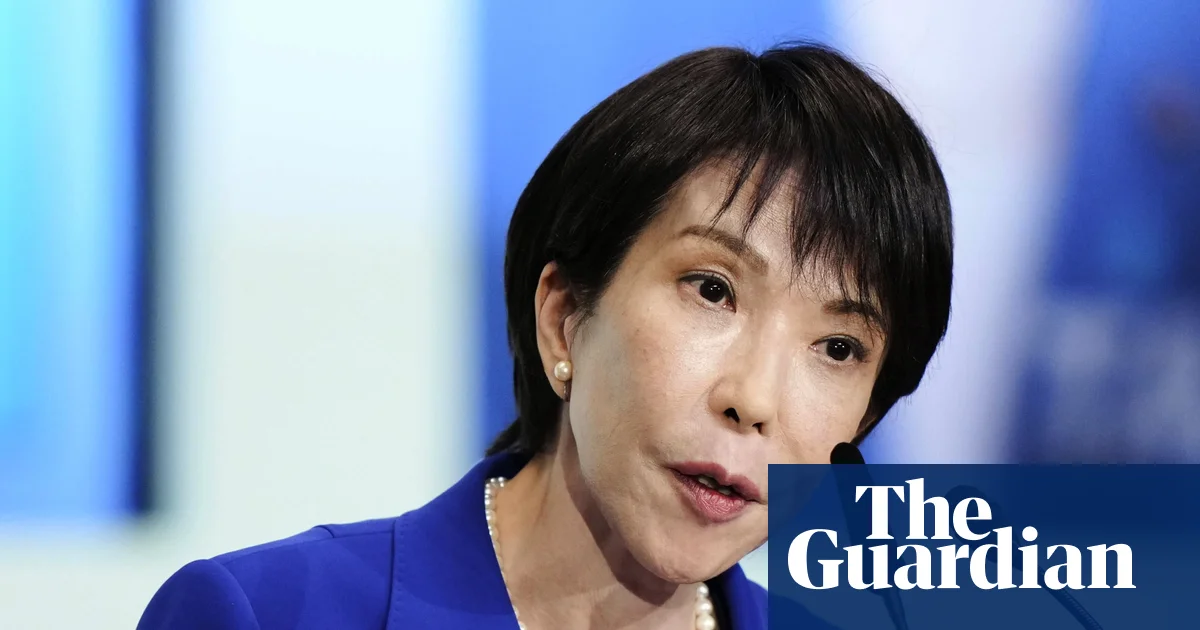
Japan stands on the cusp of a historic transformation as Sanae Takaichi emerges as the newly elected leader of the Liberal Democratic Party (LDP). This victory signals not only a significant change in the country’s political landscape but also signals Japan’s reassertion of national sovereignty amid shifting regional dynamics. As Takaichi is poised to become the nation’s first female prime minister, her rise is being watched with keen interest by global observers, policymakers, and security analysts eager to understand the implications for geopolitical stability.

In a political spectrum still anchored in tradition, Takaichi, a staunch right-wing politician, boldly champions policies inspired by Margaret Thatcher. Her election symbolizes a move toward a more assertive national posture, especially amidst escalating tensions in east Asia. Her rise follows a turbulent season for the LDP, which has experienced two decisive electoral defeats over recent months amid corruption scandals and voter dissatisfaction with its handling of economic issues. Despite this, her victory underscores the resilience of Japan’s conservative forces, which remain central to shaping the country’s future direction. Analysts from Tokyo to Washington see her as a leader capable of unifying a fractured party and restoring Japan’s standing as a formidable international power.

The regional security environment has become increasingly volatile. China, Russia, and North Korea continue to challenge Japan’s territorial integrity and strategic interests, necessitating a firm and resolute stance from Tokyo. Takaichi’s foreign policy approach is likely to be hawkish, emphasizing a robust defense posture and multilateral alliances, particularly with the United States. Her firm stance on migration and social policy reflects the country’s ongoing debate over cultural integration and national identity, addressing concerns among younger voters and conservatives alike. With the prospect of Donald Trump’s imminent visit to Japan, the potential recalibration of U.S.-Japan relations looms large, with implications for regional alliances and economic commitments. The decisions made this year will determine whether Japan can assert itself in a world increasingly characterized by unpredictable power shifts.

  • Her immediate challenge will be to forge party unity after years of scandal and electoral losses, necessitating strategic reforms that appeal to both traditionalists and newer generations.
  • Securing public support will also require addressing economic concerns, notably the cost-of-living crisis that has eroded confidence in the ruling establishment.
  • Geopolitical stability in east Asia will hinge on her ability to balance assertiveness against diplomacy, especially as North Korea’s missile tests and China’s maritime assertiveness threaten regional peace.

In the broader context, Takaichi’s ascendancy is a reflection of Japan’s ongoing internal debate over its identity, sovereignty, and role within the global order. Historians such as Ian Buruma warn that the country’s inability to fully embrace gender equality has hampered its political and societal progress. Yet her victory signals a potential shift—perhaps a rekindling of Japan’s national spirit in standing firm against regional pressures. As the world watches, the unfolding chapters of Japan’s re-emergence could redefine the balance of power in east Asia — a continent where the boundaries of diplomacy and military strength are constantly tested. The path forward remains fraught with peril, and as history writes itself anew, the true impact of these decisions will only be measured in the generations to come. The shadow of past wars, historic alliances, and emerging threats looms large, reminding us that the dawn of a new leadership in Japan is not just a political event—it is a moment that could alter the course of history itself.

Social Media Auto Publish Powered By : XYZScripts.com



