Matox News

Truth Over Trends, always!

US Opens the Door to Easing Russian Oil Sanctions Amid Rising Global Prices Over Iran Tensions

The geopolitical landscape is once again trembling under the weight of empire and ambition, as the United States signals potential shifts in its approach to Russian energy sanctions. Secretary of the US Treasury, Scott Bessent, publicly indicated on Friday that Washington is weighing the possibility of lifting sanctions on more Russian crude oil. This strategic move comes shortly after the US authorized India to purchase Moscow’s oil, a policy adjustment that has coincided with an almost unprecedented surge in global oil prices, which rose over 8.5% in a single day and nearly 30% over the week.

Underlying this volatility is the ongoing conflict in the Middle East, ignited by the resurgent hostilities between the US, Israel, and Iran. The escalation has crippled vital transport routes, most notably the Strait of Hormuz, the world’s most critical energy chokepoint, effectively shutting down a significant fraction of global oil flow. As heavy armored ships of Iran and allied forces threaten international shipping lanes, the price of crude continues its relentless climb, with analysts warning that such instability could push crude above the $100 per barrel threshold, igniting fears of inflationary spirals across economies.

The price surge has not gone unnoticed by international observers. Leading historians and supply-chain analysts warn that this latest escalation could redefine global power structures. The International Energy Agency and other international bodies have expressed concern over the potential for sustained market disruption, with some experts suggesting that the US’s loosening of sanctions could herald a new phase of geopolitical risk. President Donald Trump’s inflammatory remark—claiming that only the “unconditional surrender” of Iran would resolve Middle Eastern hostilities—further fuels instability, making clear that diplomatic solutions remain elusive.

  • Amid this chaos, Washington’s strategic calculus unfolds—balancing between exerting pressure on Moscow through sanctions and maintaining global energy stability.
  • The US Treasury’s recent negotiations aim to prolong relief for global markets by allowing the sale of Russian oil stranded at sea, mostly destined for India, with sanctions eased temporarily until April 2026.
  • Meanwhile, Moscow perceives these maneuvers as Western efforts to undermine its economy, with Kremlin economic adviser Kirill Dmitriev criticizing the sanctions’ impact on the world economy and stating that these measures are detrimental and ultimately counterproductive.

Geopolitical Impact and Societal Consequences

The decisions taken by Washington and its allies carry profound geopolitical implications. By hinting at easing sanctions, the US seeks to introduce a semblance of stability amidst the chaos, but critics argue that such moves could embolden Russia and Iran, further complicating the international order. The intersection of rising oil prices, regional conflicts, and strategic sanctions highlights a new chapter where global powers are willing to recalibrate alliances and economic controls—a clear challenge to a unipolar world dominated by Western interests.

International organizations warn of the societal repercussions, recasting economic pressure as a tool that could lead to increased inflation, energy shortages, and social unrest in vulnerable nations. As the Organization of Petroleum Exporting Countries and other stakeholders grapple with this upheaval, the world watches with wary eyes, contemplating whether this turbulent phase signals a new multipolar era or the beginning of a prolonged conflict that could reshape the global order for decades to come.

As history continues to unfold in this complex geopolitical theater, the decisions made today could reverberate through generations. With each shift in policy, the foundation of international stability is tested—reminding us that in the theater of global power, the outcome remains anything but certain. The weight of history presses down, signaling that the unfolding drama may yet lead to an epoch defining brink—where the true battle for global influence and security is only just beginning.
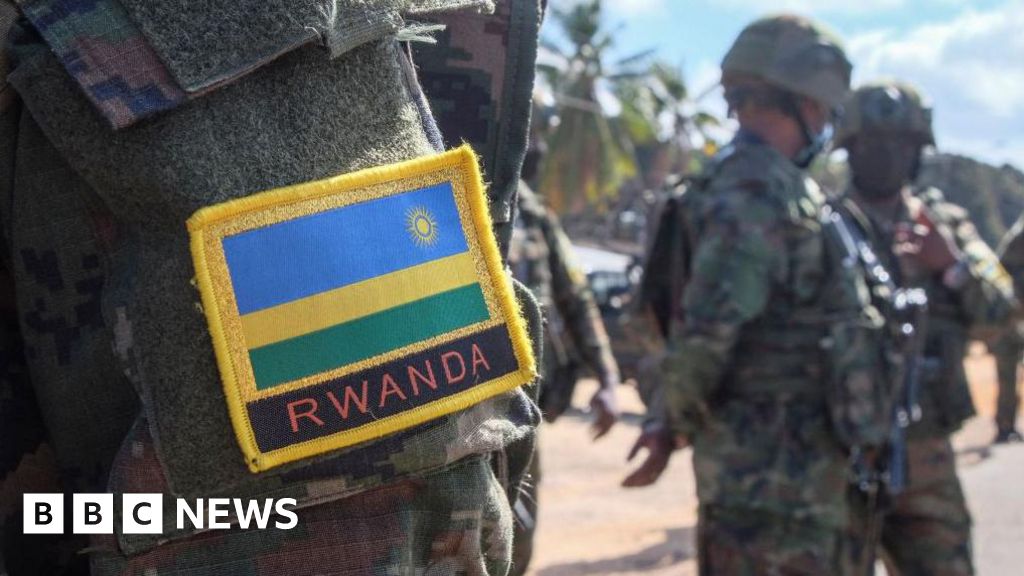
US sanctions Rwanda’s military leaders over DR Congo clashes

The escalating diplomatic tensions between Rwanda and Washington have taken a decisive turn, igniting fears of deeper geopolitical shifts in eastern Africa. Rwanda officially accused the United States of adopting a “one-sided” and politically motivated stance in recent international maneuvers, raising alarms over the growing influence of global powers in regional conflicts. As Rwanda navigates its sovereignty amid international pressures, analysts warn that such accusations underscore a broader contest for influence in Africa—an arena increasingly seen as a strategic chessboard.

Rwanda’s ire centers around recent decisions made at the United Nations and within bilateral negotiations, where the U.S. has taken positions that Rwanda claims dismiss its security concerns and diplomatic interests. International observers highlight that the U.S. response appears to favor certain factions within the regional conflict landscape, aligning with Western interests at the expense of Rwandan sovereignty. Historically, foreign intervention—whether in the form of aid, sanctions, or diplomatic pressure—has long influenced African states’ trajectories, often at the expense of their internal stability and autonomy. Rwanda’s leadership contends that such external influence undermines regional peace efforts and ignores the complex realities on the ground.

The geopolitical impact of this diplomatic standoff extends beyond the borders of Rwanda and the United States. It exemplifies a broader struggle among major global players—particularly China, Russia, and the European Union—to reshape Africa’s geopolitical map. The International Crisis Group and other think tanks warn that increased competition risks destabilizing already fragile regions, fueling cycles of violence and economic uncertainty. Moreover, Africans and their leaders are increasingly vocal about the need to chart independent paths, resisting external meddling and asserting sovereignty in shaping their futures.

History offers a cautionary tale—where external powers, often cloaked in the guise of aid or diplomacy, have historically exploited regional conflicts for strategic gains. As Rwanda’s accusations echo through international corridors, the world faces a pivotal moment: will existing powers respect Africa’s sovereignty, or will the continent become an arena for greater geopolitical rivalry? The answer may well determine whether the winds of change carry toward peace and stability or if they blow toward enduring conflict. In the shadows of history, the unfolding story warns that the stakes are nothing less than the future sovereignty of nations and the true meaning of independence in a fractured world order.

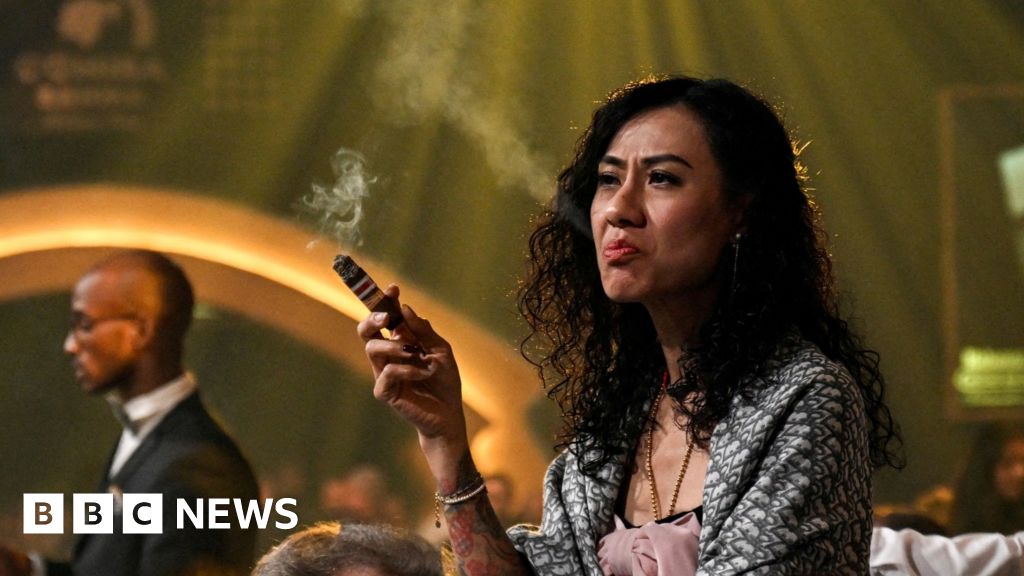
Cuban Cigar Festival Cancelled as U.S. Sanctions Deepen Energy Crisis

The global community faces a new chapter of uncertainty as an eagerly anticipated international event, commonly regarded as a gathering of enthusiasts and connoisseurs, has been officially postponed. Originally scheduled to take place annually, this renowned aficionados’ bonanza has been indefinitely delayed, a decision driven primarily by widespread shortages impacting international travel and logistics. This development signals not only a setback for cultural exchange but also underscores the fragile fabric of international mobility in a world grappling with persistent supply chain disruptions.

Underpinning this postponement are a series of complex geopolitical and economic shifts that ripple across nations and societies alike. Multiple factors, from recent global conflicts to pandemic-related disruptions, have strained the interconnected networks that traditionally sustain such large-scale international gatherings. Experts from organizations like the World Travel & Tourism Council warn that limited aircraft availability, rising fuel costs, and strained port infrastructure have created a perfect storm, forcing event organizers to reconsider timelines and planning. As countries tighten border controls to combat ongoing health crises or adjust policies in response to regional conflicts, the once-fluid flow of international visitors has become severely constricted.

Many analysts emphasize a broader geopolitical impact: the shift signifies more than just logistical delays but a recalibration of global cultural diplomacy. The postponement hampers opportunities for cross-cultural dialogue, undermining efforts to foster international understanding amid rising nationalism. Additionally, some speculate that these disruptions may accelerate the retreat from open borders, fostering more inward-focused policies, potentially more hostile to international collaboration. Security assessments by intergovernmental agencies highlight increased risks associated with lengthy international travel shortages, including reduced cultural exchange programs vital for soft power influence. The rift between global economies becomes increasingly evident, especially as developing nations face mounting challenges to participate in or host such international assemblies.

As historians and international affairs experts scrutinize the unfolding developments, many draw parallels with previous periods of global upheaval, where supply chain disruptions precipitated shifts in international strategy and societal behavior. The postponement echoes past moments when global conflict or crises redefined the cultural and diplomatic landscape, serving as a stark reminder of the interconnectedness—and vulnerability—of modern civilization. As the crisis persists, the words of geopolitical analyst Dr. Emily Carter resonate: “This moment reveals how fragile our global networks truly are and underscores the necessity for resilient infrastructure to withstand future shocks.”

Ultimately, the decision to delay the traditionally vibrant event is a stark testament to the ongoing turbulence characterizing our era. It leaves a profound sense that history, like an unwritten story, continues to unfold with each passing day. As nations brace for a new reality shaped by scarcity, uncertainty, and shifting alliances, the world stands at a crossroads—where every decision echoes through generations yet to come, carving the contours of a future still shrouded in the shadow of upheaval and change.

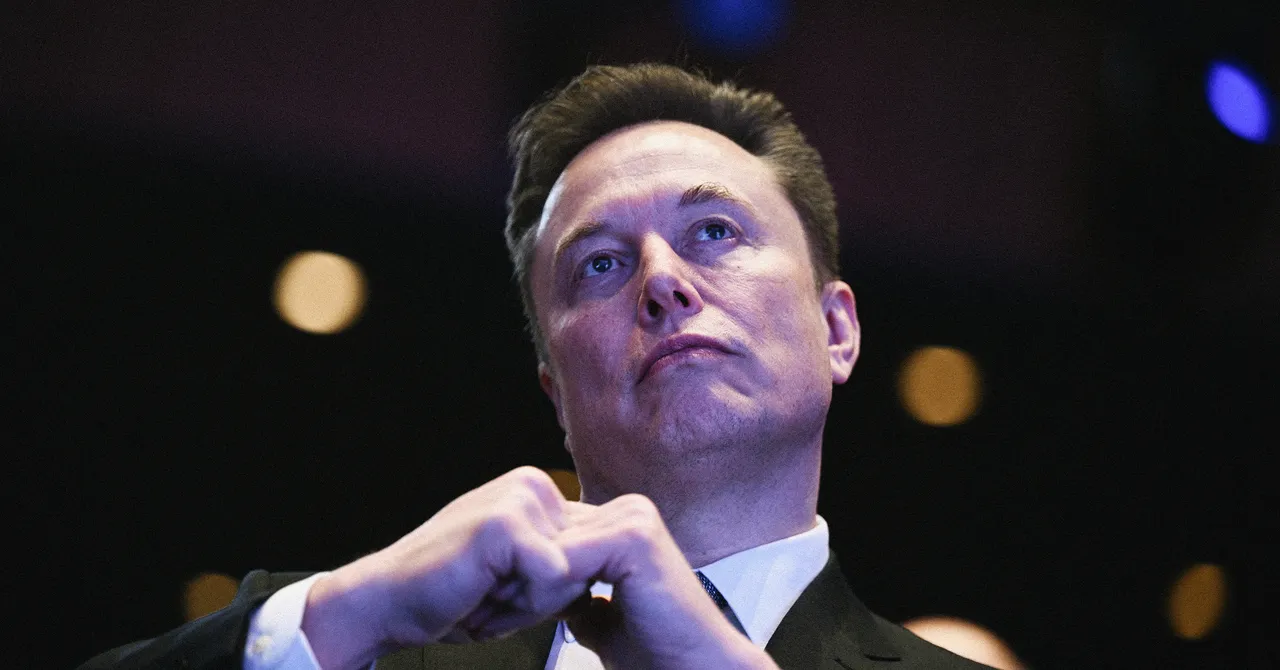
Elon Musk’s X Under Fire for Selling Premium Accounts to Iranian Elites Amid Sanctions

Social Media’s Hidden Power: State-Backed Accounts and Global Disruption

Recent investigative reports highlight a troubling trend within the rapidly evolving landscape of social media, particularly under the platform known as X. Technology watchdog Threatened Transparency Project (TTP) uncovered a network of more than two dozen accounts allegedly operated by Iranian government officials, state agencies, and affiliated news outlets, all of which displayed a verified blue check mark associated with X’s Premium subscription service. These accounts were strategically disseminating state-sponsored propaganda, often despite a lack of access to credible information and amidst widespread domestic unrest. Such manipulation of platform features exemplifies a critical phase in how disruption within social media ecosystems can be exploited for geopolitical advantages.

This revelation underscores a broader concern about the robustness of X’s verification process and the efficacy of premium features designed to enhance user engagement. Priced at $8 monthly for basic verification and up to $40 for Premium+—which touts ad removal and reach boosting—these features are now being exploited to artificially amplify propaganda efforts. Industry experts from Gartner warn that these monetization models risk converting vital platforms into weaponized tools for state actors, all while eroding trust among genuine users. Elon Musk’s commitment to what he terms “free speech innovation” is now questioned, as critics argue these policies inadvertently provide a lucrative avenue for disinformation campaigns and covert influence operations, especially during tense geopolitical conflicts.

This pattern of state-backed disinformation coincides with intensifying international tensions, notably the Trump administration’s threats against Iran over its nuclear program. As the US increases sanctions and diplomatic pressure, platforms like X are emerging as inadvertent facilitators of influence campaigns—amplifying messages from the Iranian regime that could undermine diplomatic efforts. Prominent analysts like Peter Thiel have long emphasized the transformative power of technology for disruption; however, they also warn that without rigorous oversight, such tools can facilitate destabilization and undermine strategic initiatives. Katie Paul, director of TTP, asserts that Elon Musk’s platform policies are “undermining international sanctions” by allowing sanctioned figures to remain active and influential via paid subscriptions.

The geopolitical implications are compounded by ongoing unrest within Iran, where protests fueled by economic hardship have been met with brutal government crackdowns. As the regime has been accused of mass arrests and violence—figures estimated to surpass 30,000 deaths—the ability for external actors to influence internal dissent through social media becomes a game-changer. Supporters of regime change, including former President Trump and Musk, have publicly expressed solidarity, demonstrating the interconnectedness of tech innovation and global politics. Moving forward, the capacity for social media to serve as a battleground for influence and information warfare will only intensify, raising urgent questions about regulation, platform accountability, and the future of free speech in an increasingly digitized world.

In conclusion, this unfolding scenario reflects the dangerous confluence of disruptive technology, concerted geopolitical strategies, and business models that reward rapid monetization over security. As platforms like X become critical tools in the global arena, the tech industry must confront the reality that innovation alone is insufficient without stringent oversight and ethical standards. The coming years will determine whether these digital weapons can be corralled or whether unchecked disruption will continue fueling instability. The stakes are high for both the future of free speech and the integrity of international diplomacy—making it imperative for industry leaders, policymakers, and technologists to act swiftly and decisively, lest the digital battleground spiral further out of control.

Belarusian prisoners celebrate freedom as US sanctions are lifted

The recent release of 123 political prisoners from Belarus marks a significant, albeit complex, turning point in Eastern European geopolitics. After years of brutal repression under Alexander Lukashenko, the dictator whose grip on power has strained Belarusian society and alarmed Western democracies, this move signals a delicate shift in diplomatic engagement. Driven largely by intense negotiations led by the United States and facilitated through high-profile visits by envoys like John Coale, the prisoner releases seem to hint at a broader strategy—one aimed at softening Belarusian authoritarianism and re-establishing US influence in the region.

The Geopolitical Impact of the Prisoners’ Release

  • First, this development alters the geopolitical landscape of Eastern Europe, where Belarus sits as a critical buffer zone between Russia and NATO member states. The release of opposition figures such as Maria Kolesnikova and Ales Bialiatski, who have long represented the resilient spirit of the Belarusian democracy movement, underscores a potential opening for reform—or at least a strategic diplomatic maneuver. Analysts emphasize that Lukashenko’s decision might be motivated less by genuine liberalization and more by diplomatic necessity, as he seeks to regain favor with the West and break free from international sanctions.
  • Secondly, the softening stance affects how societies in Belarus and neighboring countries perceive resistance and authoritarian control. The emotional scenes of prisoners reuniting with families in Vilnius and Kiev serve as symbolic victories for activists, demonstrating that even in the shadow of repression, hope persists. However, critics warn that these releases could be carefully calibrated to contain dissent rather than dismantle Lukashenko’s autocratic machinery.
  • Finally, this move is intricately tied to the ongoing conflicts surrounding Ukraine and Russia’s military ambitions. With Belarus as an active military partner of Moscow, any diplomatic thaw within Belarus could influence the wider security dynamics of the region. Significantly, the US’s engagement may be viewed by Moscow as a provocation or a sign of shifting loyalties, possibly prompting Russia to strengthen its military presence or diplomatic pressure.

How Decisions Shape Nations and Societies

The decision to release these prisoners is a nuanced calculation that goes beyond human rights advocacy; it exemplifies how international diplomacy directly influences national trajectories. As historians like Anne Applebaum suggest, every such move contributes to the evolving narrative of sovereignty and resistance in post-Soviet politics. The hope for many in Belarus is that this moment signals a genuine push toward reform, but the warnings from analysts remain clear—authoritarian regimes often use strategic gestures to mask deeper power consolidations.

Meanwhile, the societal ripple effects are profound. For the Belarusian opposition and its supporters worldwide, these releases bolster a spirit of activism and resilience. Yet, lingering fears remain among critics—whether these prisoners will be replaced, and whether true democratization is truly within reach. The international community now watches keenly, knowing that such moments are fleeting, and history’s pen is poised to continue writing the fate of Belarus amidst the shadows of great power rivalries.

As the dust settles and the diplomatic chessboard shifts, the weight of history reminds us—what begins as a moment of liberation can quickly become a new chapter in the ongoing contest for influence, freedom, and sovereignty in a region that has never known true peace. The world peers into Belarus’s future, unsure whether this recomposition of alliances offers hope or merely a temporary pause before the next act of a complex geopolitical drama.

Belarus Releases 123 Prisoners Following US Sanctions Rollback

In a significant development that signals a potential shift in geopolitical dynamics, Belarus has released 123 prisoners, including prominent opposition figures such as Maria Kolesnikova and Nobel Peace Prize laureate Ales Bialiatski. This move follows an agreement with the United States to lift key economic sanctions, notably those targeting Belarus’s vital potash exports, which are crucial to the country’s economy and global fertilizer markets. The diplomatic negotiations, held in Minsk with US special envoy John Coale, mark an unusual departure from the longstanding Western policy of isolation and sanctions towards Minsk, and suggest a recalibration of international relations amid evolving regional priorities.

Historically, Belarus, under Alexander Lukashenko, has faced persistent international criticism, especially from the European Union, which does not recognize his presidency following contested elections in 2020 that sparked mass protests. Yet, the recent prisoner releases and the easing of sanctions reveal a strategic pivot by Lukashenko to re-establish economic ties and secure external support, despite internal repression and ongoing political repression. Analysts suggest that these moves serve to bolster the regime’s legitimacy and prepare Belarus for a more negotiated future, while Lukashenko’s government attempts to reframe itself as a pragmatic player in regional security, particularly amidst Russia’s expanding influence.

The geopolitical impact of this shift extends well beyond Minsk, especially in the context of the ongoing conflict in Ukraine. The US and its allies have long sought to isolate Minsk due to its close ties with Russia; however, recent developments involving Minsk’s negotiations with Washington and the potential offering of assistance in Ukrainian peace talks signal a more complex dynamic. The US has indicated that further sanctions relief could follow, a move that is likely to generate tension with European partners committed to maintaining pressure on Minsk for its role in Moscow’s regional ambitions. Notably, the cooperation with Lukashenko also comes at a time when Western powers are recalibrating their strategies, balancing sanctions with diplomatic engagement in pursuit of broader stability and peace.

The historical scrutiny from international bodies and geopolitical strategists underscores the significance of these recent developments. Historian and international analysts have debated whether this signals a genuine change in Belarus’s foreign policy or a tactical maneuver by Lukashenko to withstand pressure from domestic opposition and regional threats. Meanwhile, the United Nations and European Union are watching closely, aware that decisions made now will shape the trajectory of Eastern Europe’s stability for years to come. As the international community grapples with these shifts, one thing remains clear: the future of Belarus, Russia, and Ukraine’s borders is a chapter still being written, with each move adding new layers to a complex geopolitical puzzle. The unfolding story reminds us that history’s pen is never truly still, and that tomorrow’s outcome rests on today’s pivotal decisions—decisions that will echo across continents for generations.

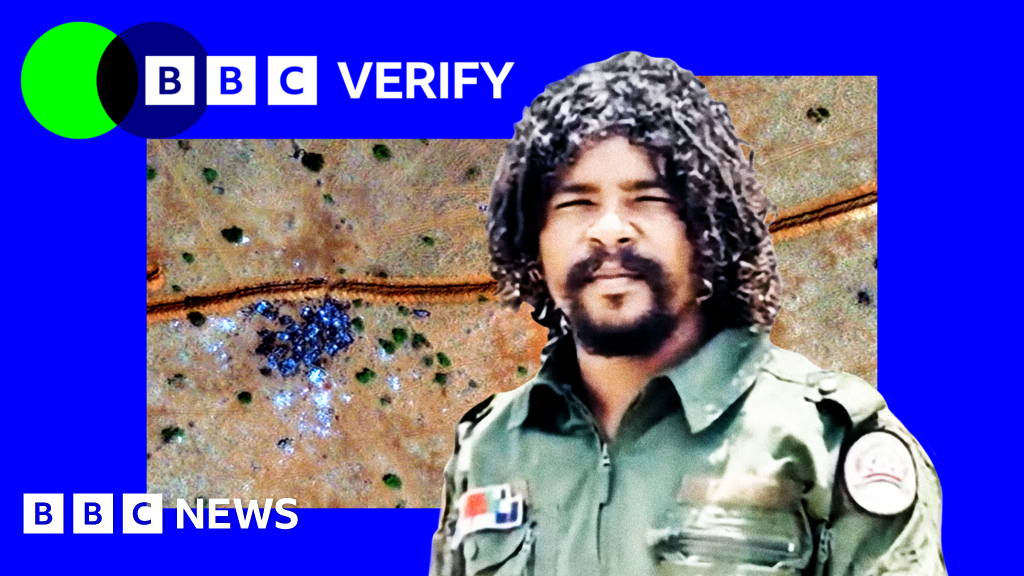
UK sanctions RSF commander linked to Sudan massacre, BBC Verify reveals

In the turbulent landscape of Sudan, recent developments have cast a grim spotlight on the ongoing civil war that has shattered the nation for over two years. The collapse of fragile alliances between the Sudanese Armed Forces and the Rapid Support Forces (RSF) has plunged what remains of the country’s stability into chaos, with the city of el-Fasher emerging as a key battleground. The recent massacre uncovered there exemplifies the brutal reality faced by civilians caught in the crossfire, with international reactions intensifying as evidence of war crimes surfaces. The UK’s decision to impose sanctions on RSF commanders, including Brig. Gen. Al-Fateh Abdullah Idris aka Abu Lulu, underscores the severity of atrocities committed, further escalating geopolitical tensions.

The UK government denounced Abu Lulu’s role in the massacre, which was documented by BBC Verify showing him executing unarmed captives after the RSF seized el-Fasher, the last major stronghold in Darfur. The footage and satellite images revealing mass graves have triggered a surge in international outrage. UK Foreign Secretary Yvette Cooper stated that these events are “a scar on the conscience of the world,” and announced targeted sanctions, including travel bans and asset freezes, against key RSF figures. This response aligns with calls from historians and analysts who warn that such blatant acts of violence threaten to ignite a wider regional destabilization, potentially drawing in neighboring countries and international powers committed to maintaining order amidst chaos.

Adding fuel to the fire, the United States has announced its own sanctions targeting a network of companies linked to mercenaries recruited from Colombia—a move highlighting the transnational nature of the conflict. Reports indicate that hundreds of Colombian fighters, including drone pilots, have entered Sudan post-2024, fighting for the RSF. President Donald Trump’s recent social media post signals a renewed U.S. focus on Sudan, pledging to “start working on Sudan,” a clear effort to stem the chaos and prevent further regional spillover. Egypt, Saudi Arabia, and the UAE have also hinted at increased involvement, underscoring the geopolitical impact of the Sudanese civil war, which is now more than just internal strife but a chessboard for international influence.

As analyses from organizations such as the United Nations warn of potential escalations, the clash does not solely threaten Sudan’s sovereignty but risks igniting a broader conflict fueled by proxy powers. Each blow, each massacre, shapes the narrative of a nation on the brink—teetering between collapse and the dawn of a new chapter in history. With the arrest of Abu Lulu and the concerted sanctions by Western powers, there is a fleeting hope that justice may be served. Still, the shadows cast by these atrocities linger, and the story of Sudan continues to unfold, a stark reminder that in the midst of turmoil, history’s hand remains heavy, and the future remains unwritten.

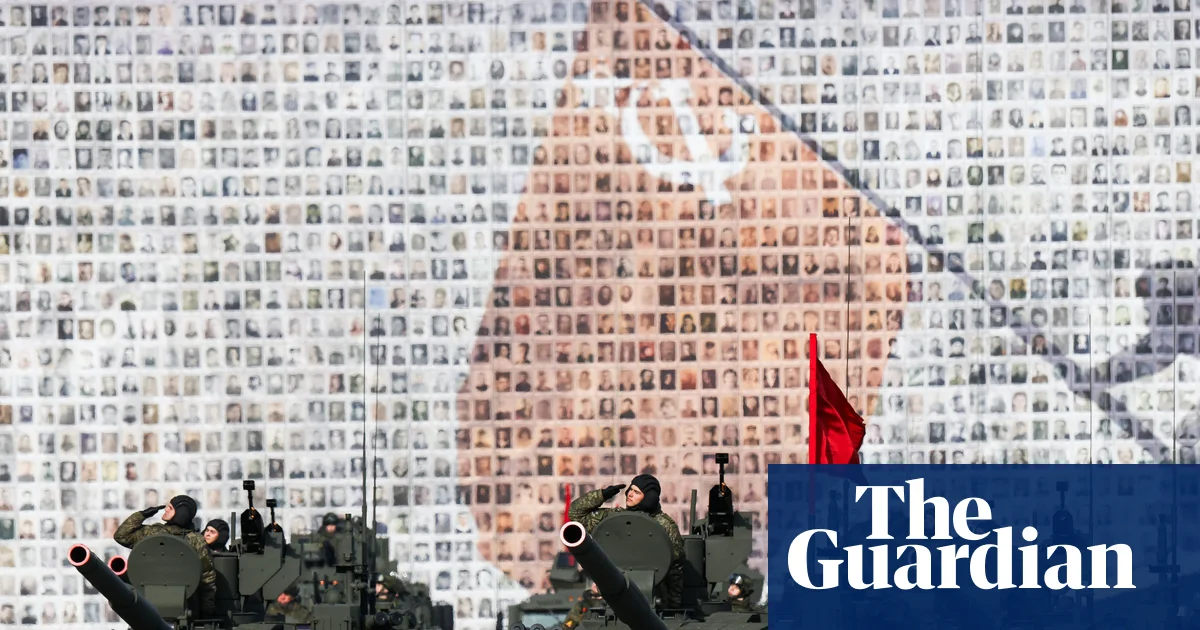
West Overlooking Key Sanctions That Could Hit Russia’s War Effort

In the ongoing geopolitical struggle surrounding Russia‘s invasion of Ukraine, Western powers continue to adapt their strategies to weaken Moscow’s military and economic capabilities. A recent report by the civil society group Dekleptocracy reveals a series of obscure but potentially devastating vulnerabilities within Russia’s war economy, which could be exploited to further diminish its capacity to sustain the conflict. While previous sanctions targeted Russia’s oil industry, banking sector, and military supply chains, these new findings identify critical chemical dependencies that threaten to disrupt key elements of Russia’s military infrastructure. The analysis underscores how geopolitical decisions impact not just power balances but the very fabric of society within Russia, as shortages in specialized chemicals could lead to logistics failures, reducing its operational effectiveness.

The report emphasizes that the supply chain for specialized chemicals used in manufacturing military-grade tyres and mechanical lubricants remains vulnerable. Despite Russia’s economic resilience, it lacks robust domestic production of these lesser-known yet vital chemicals. For instance, Chinese firm Xinxiang Richful, which supplies up to eight million kilograms of lubricant additives annually, has recently established operations in Virginia, risking U.S. sanctions that could choke off its supply. Experts warn that constraining such suppliers would create immediate mechanical shortages among the Russian military and civilian sectors, ultimately impairing logistical operations. In the words of Tom Keatinge, director at the Royal United Services Institute, “as long as Russia continues procuring essential components for its military, sanctions must evolve and tighten to remain effective.”

However, the challenge extends beyond targeting supplier entities; enforcement of secondary sanctions remains a critical concern. While recent measures have hit major oil producers like Rosneft and Lukoil, gaps in enforcement allow Russia to circumvent restrictions through third-party intermediaries. Keatinge notes that “a successful sanctions regime relies not only on the identification of targets but also on diligent enforcement”—a point that underscores the importance of international cooperation. These measures aim to deny Russia the means to sustain its war effort, but without persistent vigilance, the regime risks unraveling as black markets and illicit procurement networks flourish.

This layered approach to sanctions reflects a broader understanding of Russia’s economic vulnerabilities, which extend into chemical production and other critical sectors. Historians and analysts agree that leveraging these weaknesses could tilt the scales of the conflict. As DeKleptocracy collaborates with agencies like the Biden administration and Ukrainian groups, the strategic goal becomes clear: identify and exploit every fissure within Russia’s supply chain that could hamper its military machine. While Russia boasts a formidable oil industry, the nation’s inability to produce many of the specialized chemicals domestically exposes a chokepoint—a vulnerability that could have long-term consequences for its warfighting capabilities.

Ultimately, these efforts highlight a fundamental truth of modern warfare: victory is increasingly shaped in the shadows of global trade and economic policy. As the weight of history continues to build and shift—every decision to impose, enforce, or relax sanctions—the fate of nations remains intertwined with unseen technical vulnerabilities and strategic oversight. With each targeted disruption, the world edges closer to a new chapter in the ongoing cold confrontation, a chapter written not just in the language of tanks and missiles but in the delicate chemistry of global supply chains. The question remains whether the West’s relentless pressure will succeed in trimming the roots of Russia’s war machine before it’s too late—an epic struggle where every chemical molecule, every sanction, and every policy decision shapes the course of history.

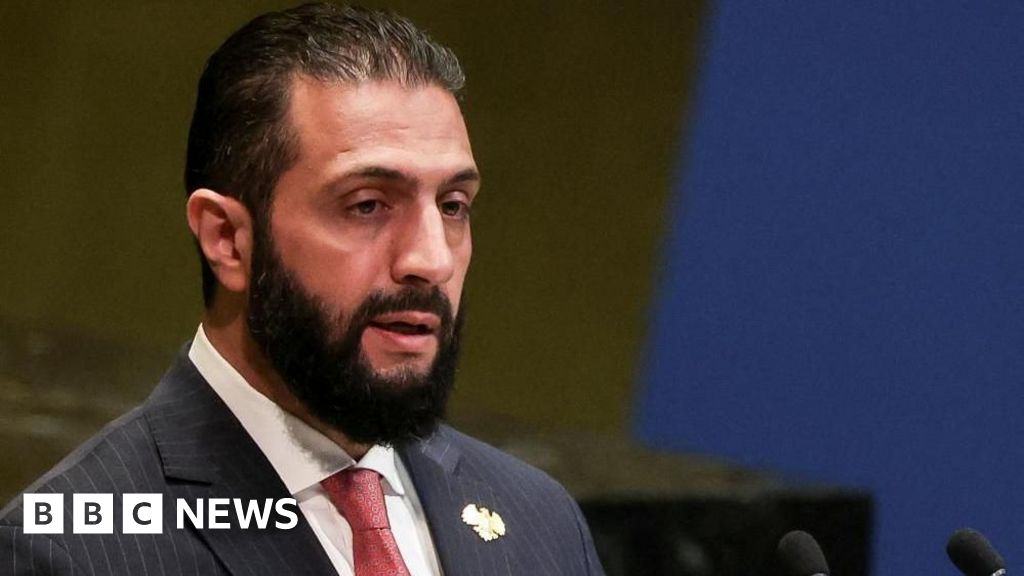
Syria’s Sharaa Lands in US for Trump Talk as Sanctions Drop

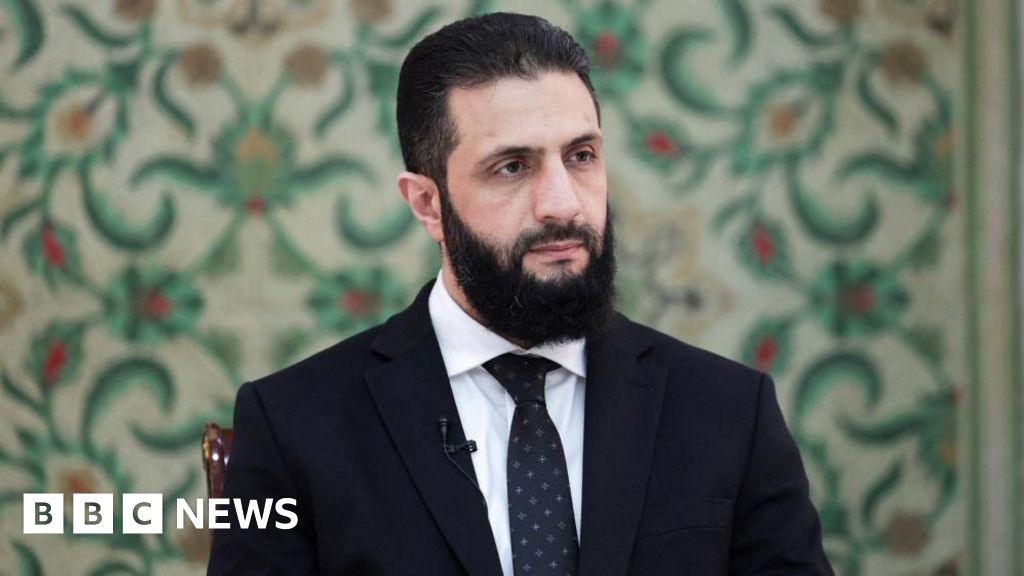
In an unexpected political development, Syrian President Ahmed Sharaa arrived in Washington for an official visit, marking a significant shift in regional diplomacy. Just days prior, the U.S. government revoked his designation as a Specially Designated Global Terrorist, a move that signals Washington’s tentative readiness to reconsider its stance toward Syria’s emerging leadership. This diplomatic overture comes amid ongoing efforts to stabilize Syria after over a decade of brutal civil war and the uncertain future of the Assad regime, which has long been isolated by Western sanctions and international sanctions regimes.

Sharaa’s visit is noteworthy not only because of his past associations with militant groups but due to the broader geopolitical impact it could have on the Middle East and international efforts to contain terrorism. Days before his arrival, Syrian security forces announced the detention of 71 suspected Islamic State fighters, seizing weapons and explosives in a serial crackdown involving Syrian allies. The timing underscores the complexity of Syria’s security landscape, where at once, authorities are pursuing extremist remnants while attempting to re-engage with the international community. Analysts underscore that these joint efforts to diminish ISIS’s hold reflect a broader strategy to restore stability and rebuild Syria’s fractured state, a feat that will have repercussions far beyond its borders.

Since assuming office, Sharaa has aimed to reassert Syria’s presence on the global stage. His recent speech at the UN General Assembly, where he advocated for the removal of sanctions, echoes this intent, emphasizing a reclaiming of Syria’s rightful place among nations. The United Nations Security Council‘s endorsement of a US resolution to lift sanctions further signals a potential diplomatic thaw, although persistent internal violence and factional rivalries cast a long shadow on the prospects of peace. Historically, diplomatic analysts point to such decisions as pivotal—potential turning points—whose outcomes could either usher in a fragile new era of cooperation or deepen ongoing conflicts.

Nevertheless, the path toward national reconciliation remains fraught with challenges. Despite being removed from US sanctions lists—once associated with extremist groups like Hayat Tahrir al-Sham (HTS)—Sharaa’s past record as a militant and his earlier ties to al-Qaeda have generated skepticism among international observers. The US continues to weigh its enforcement policies carefully, balancing concerns over stability against fears that premature easing could empower factions that may undermine the peace process. As historians warn, decisions made now may determine whether Syria emerges as a unified, stable state or descends further into chaos, testing the resilience of regional and global security frameworks.

The story of Syria is far from over. With each diplomatic handshake and each crackdown, history’s ink begins to write anew. The stakes are monumental—not just for Syria, but for the world—to watch as a nation scarred by war teeters on the brink of either resurgence or collapse, with the echoes of history urging the international community to choose wisely amidst the tumult of uncertainty.

UN lifts sanctions on Syrian leader as White House visit looms

The geopolitical landscape in the Middle East has reached a pivotal juncture, as recent developments signal a significant shift in international recognition and diplomatic engagement with Syria. The United Nations Security Council has voted in favor of a US resolution to lift sanctions on Syrian President Ahmed al-Sharaa, setting the stage for his upcoming White House visit next week. This move marks not only a change in policy but also underscores a broader recalibration among global powers regarding Syria’s future. Once considered a pariah state during its prolonged civil war, Syria now finds itself at the center of a new geopolitical narrative—one that privileges stability and regime consolidation over decades of Western-led isolation.

  • The US has officially recognized the shifting power dynamics by removing Hayat Tahrir al-Sham (HTS) from its list of foreign terrorist organizations, a group that was once linked to al-Qaeda and whose leader, Ahmed al-Sharaa, was previously sanctioned as a terrorist. The decision reflects a strategic pivot in Washington’s approach—viewing Syria through a lens of pragmatic diplomacy rather than exclusively ideological confrontation. Alongside sanctions on Syrian Interior Minister Anas Khattab, the move signals a recognition of the evolving landscape of influence and control within Syria’s borders.
  • The UN’s decision, hailed by Syrian officials as a gesture of appreciation and acknowledgment, underscores a broader shift that has cautious analysts pondering whether the tide of international support has turned decisively in favor of Bashar al-Assad’s regime or, as in the case of Sharaa, an alternative leadership figure emerging from the ashes of conflict.

The symbolism of Sharaa’s upcoming visit to Washington cannot be understated. His first address to the UN General Assembly since the civil war’s peak foreshadows a more concerted effort by Syria to reintegrate into the global community. “Syria is reclaiming its rightful place among the nations of the world,” Sharaa proclaimed, emphasizing his aspirations for legitimacy and influence. Meanwhile, U.S. President Donald Trump has acknowledged the “good progress” made by Sharaa toward peace—a stark departure from past isolationist policies. This shift suggests that the United States and its allies are recalculating their strategic priorities, choosing diplomacy over confrontation in hopes of stabilizing a region long characterized by chaos and conflict.

This latest episode in Syria’s complex narrative raises profound questions about how decisions made in international rooms resonate on the ground. By lifting sanctions and engaging with Syrian figures who have been branded terrorists in the past, the global community’s stance underscores an emerging acknowledgment: alliances are volatile, and today’s enemies can become tomorrow’s partners. Historians and analysts warn that such shifts carry risks—reconciliation may threaten to overshadow justice, and the re-emergence of strongman rule could deepen existing societal divides. Yet, how nations adapt to these fast-evolving geopolitics will indelibly shape the future of the Middle East and beyond.

The story of Syria stands as a testament to the relentless pursuit of power, influence, and stability amidst a landscape of shifting allegiances. As Sharaa steps into the diplomatic arena with Washington, it is clear that the region remains a theater of strategic chess—a place where the weight of history presses heavily upon each move. Future chapters will determine whether these diplomatic gestures herald a new era of peace or mask deeper struggles that threaten to ignite anew. The unfolding drama in Syria reminds the world that history is a relentless witness—watching, recording, and waiting for the moment when an already tense story takes an unforeseen and irreversible turn.

Social Media Auto Publish Powered By : XYZScripts.com