Matox News

Truth Over Trends, always!

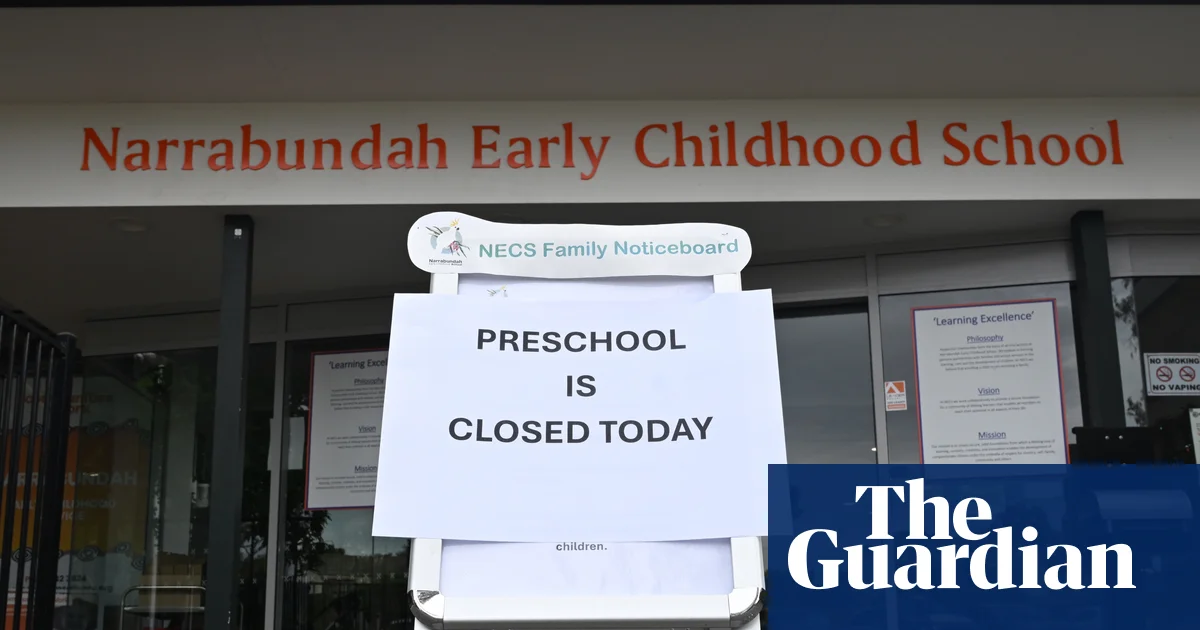
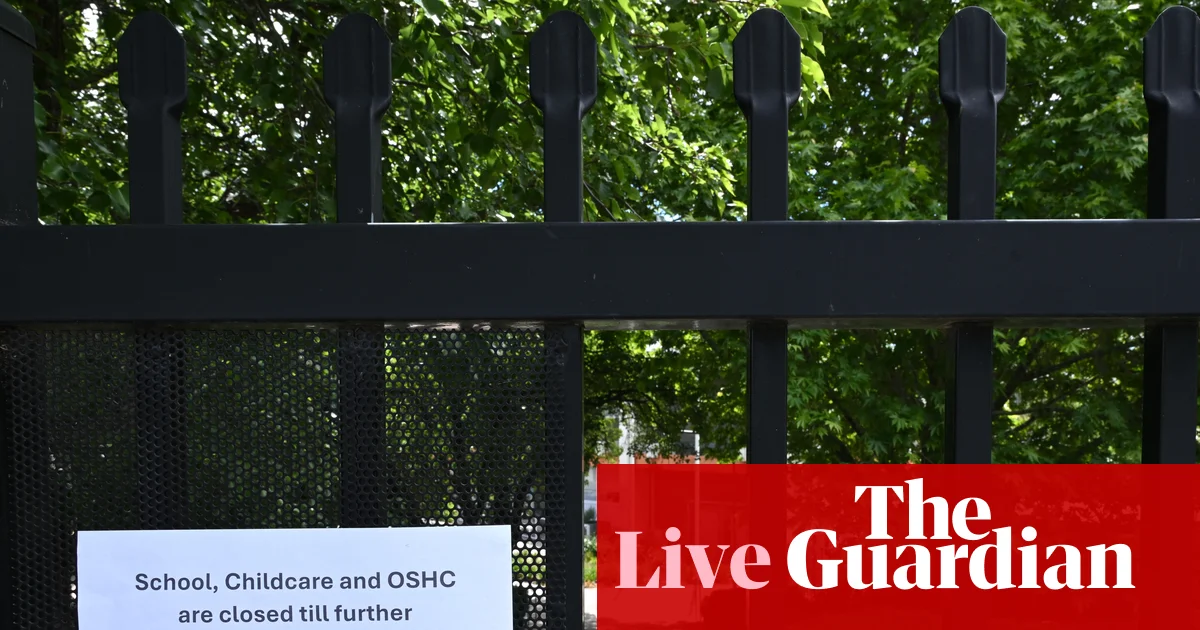
Australia News Live: ACT Shuts 71 Schools Over Sand Scare, NSW Police Crack Down on Domestic Violence—Protecting Our Communities

The geopolitical landscape is perpetually shifting, often influenced by key domestic decisions made within sovereign nations. Recently, Australia exemplifies this pattern through a series of dramatic developments that signal both internal challenges and external strategic recalibrations. The recent closure of 71 public schools in the ACT over fears of asbestos-laden children’s sand, alongside ongoing debates over immigration and energy policies, underscore how internal domestic issues can ripple outward, affecting international perceptions and alliances.

Meanwhile, in the wider global arena, significant shifts have occurred, notably with U.S. President Donald Trump signing an executive order easing tariffs on food imports, including beef and bananas. This move reflects a nuanced strategy aimed at addressing inflationary pressures domestically, but it also signals a broader tendency towards protectionism that could strain international trade networks. Patrolling these trade corridors, Australia’s Prime Minister Anthony Albanese reasserts the importance of global trade, framing it as a “bulwark against conflict”. Analysts from think tanks suggest that such rhetoric not only emphasizes economic cooperation but also highlights how trust in international partners can serve as a foundation for diplomacy, promising a buffer in times of crises.

Yet, Australia’s internal struggles — from the asbestos fears leading to school closures to contentious debates over immigration levels—a clear reflection of how decisions at home wield profound consequences for societal stability and international standing. Sussan Ley, the opposition leader, openly advocates for a reduction in immigration, citing community challenges such as transportation and infrastructure strains. Their stance, though controversial, reveals a broader tension on the alliance between open borders and national security, echoing concerns raised by historians and policy analysts who warn that unchecked demographic shifts can challenge social cohesion and political stability. Meanwhile, government funding for climate resilience projects across Australian states underscores a dual narrative: managing environmental threats while navigating economic constraints, as seen in the proposed $200 million investment in weather-resistant infrastructure.

Externally, unresolved conflicts and international economic policies intertwine with national strategies. With Australia poised at the crossroads—balancing energy independence, climate commitments, and economic revival—its path forward will inevitably influence regional stability and global alliances. The decision to support, or oppose, transitioning toward renewable energy sources and industrial resilience could determine whether Australia becomes a reliable partner or an unpredictable actor on the world stage. Historic analysts warn that in a world where “trust” is becoming a scarce commodity, the decisions of now will shape the geopolitical order of decades to come, a story still being written with each policy choice and international shift.


Almost 70 Aussie schools shut down over asbestos fears in playground sand

Australasia Encounters a Growing Crisis Over Asbestos in Children’s Play Sand

In a disturbing turn of events revealing the complex web of geopolitical and public health concerns, the Australian Capital Territory (ACT) has announced the closure of 69 schools due to the discovery of asbestos traces in commercially sold coloured sand. This development underscores not only domestic safety lapses but also emphasizes the far-reaching consequences of regulatory failures and international trade dynamics. The contaminated sand, linked to popular brands such as Kmart and Target, was introduced into educational environments, prompting precautionary measures that will ripple across regional policies and international relations. As inspectors and analysts delve into the causes, the incident raises critical questions about how safety standards are monitored and enforced in an interconnected global supply chain.

The recall was initiated after the Australian Competition & Consumer Commission (ACCC) identified traces of asbestos—a mineral once widely used in construction but now banned in both Australia and New Zealand—within the products. Despite the ACCC’s reassurance that the risk of airborne asbestos exposure is minimal, the decision to close schools reflects a broader motor of precaution embedded within government policy. Remarkably, air testing so far has yielded negative results for airborne asbestos, yet the government’s response remains cautious, illustrating the precarious balance between public safety and political risk. Such measures reveal a high level of sensitivity to the potential consequences of asbestos exposure, which remains a grave health threat, capable of causing deadly cancers over decades. The incident underscores the crucial importance of vigilant oversight in the export-import of hazardous materials, a subject of heated debate among international regulatory bodies.

The crisis has also spilled over into neighboring New Zealand, where fears surrounding asbestos-laden sand prompted additional school closures. This regional response underlines the shared vulnerabilities in the Pacific, where regulatory harmonization is often challenged by differing national policies and economic ties. As analysts highlight, the incident illustrates how seemingly local decisions can escalate into transnational crises, impacting regional stability and sovereignty. Experts like Dr. Raymond Stevens of the Pacific Safety Institute warn that this controversy may serve as a wake-up call, urging governments and international organizations to tighten controls over hazardous imports. Meanwhile, local authorities are conducting extensive searches to map the presence of coloured sand within school premises, an effort that, although reassuring with negative air tests thus far, underscores the importance of comprehensive safety protocols in protecting future generations.

In the grand geostrategic context, the contamination incident emphasizes the fragile nature of supply chains in an age of globalization. Moreover, it exposes the potential for malign influence or negligence to have far-reaching consequences. Some critics argue that lax enforcement of import bans on asbestos may be indicative of broader governance issues or economic priorities that favor cheap imports over safety. These incidents unfold in tandem with international debates over trade policies, environmental standards, and the role of multinational corporations in ensuring product safety. As such, the incident with coloured sand reflects the broader tensions between economic growth and societal health—an ongoing struggle that has historically defined the geopolitical landscape. Leaders and international organizations, including the World Health Organization, continue to emphasize the importance of adhering to strict standards, but the reality remains complex, fraught with loopholes and conflicting interests.

Ultimately, this controversy serves as a stark reminder that history’s most profound lessons often arrive cloaked within crises. The incident in Australasia is more than a local health scare; it is a symptom of the unresolved tensions between profit and safety, sovereignty and global interdependence. With each school closure and each cautious inspection, the weight of history presses on nations, demanding action and accountability. As the story continues to unfold across the Pacific, one thing remains clear: the decisions made today will echo for decades, shaping the landscape of international safety and sovereignty, and reminding us that, in an interconnected world, the safety of our children is ultimately a question of global resolve. The unfolding narrative stands as a testament to how fragile progress is—yet how vital vigilance remains in the face of emerging threats. The pages of history turn quietly, but their impact is profound—each chapter written by choices made in moments of crises, leaving us to confront the relentless march of time and consequence.

Australian Schools Close Over Kids’ Sand Safeguard Risk

In a startling development that underscores the ongoing challenges of global trade and public safety, Australia and New Zealand have mobilized substantial measures in response to the discovery of asbestos-contaminated sand products circulating within their educational sectors. The contamination, linked to imports from China, has triggered urgent school closures and recalls, raising serious questions about border security, regulatory oversight, and the health safety of young generations.

The Australian Competition & Consumer Commission (ACCC) announced a recall after lab tests identified traces of tremolite asbestos in children’s colored sand. These products, such as Kadink Sand, Educational Colours – Rainbow Sand, and Creatistics – Coloured Sand, had been distributed nationwide through major retail outlets like Officeworks. The health risk stems from the inhalation of asbestos fibers, which can cause severe lung diseases, including cancers; a warning that has led to the full or partial closure of at least 15 schools and seven preschools in the Australian Capital Territory. Similarly, in New Zealand, five early learning services and two schools have suspended operations as authorities conduct further testing. The Ministry of Business, Innovation and Employment (MBIE) swiftly issued advisories urging parents and institutions to cease using the contaminated products and seek professional disposal, highlighting the precautionary nature of this response.

This crisis underscores a broader geopolitical impact that points to the fragility of international supply chains and the importance of strict regulatory controls. Historically, asbestos has long been recognized by global health authorities—including the World Health Organization—as a carcinogen, yet trade restrictions have often been circumvented through imports. The incident reveals vulnerabilities within Australia’s and New Zealand’s border and commercial oversight, prompting analysts to question how widespread this contamination might be and whether other imported goods could pose similar risks. As historians warn, failures in supply chain transparency can unleash public health crises, especially within vulnerable communities such as children in educational environments. The recall and school closures serve as a stark warning of what can happen when economic interests overshadow safety protocols.

International institutions and regulators are now under pressure to tighten import controls and alert systems. The Australian government has reaffirmed that asbestos importation remains prohibited, yet the incident exposes potential gaps in enforcement. Meanwhile, New Zealand’s ongoing testing and voluntary recalls reflect a cautious approach but also highlight the need for more decisive policy action. As the global community watches, the incident could spur stricter international standards for importing hazardous materials, reshaping trade policies that often prioritize cost over safety. Yet, this unfolding story remains a chapter in a broader narrative about the collision of globalization, health security, and the protection of future generations—one where the delicate balance of power, policy, and public trust hangs in the balance.

In a world increasingly interconnected, the repercussions of this asbestos scare transcend borders, shaping the very fabric of societal trust and governmental accountability. The upcoming weeks will determine whether the lessons learned will lead to stronger safeguards or allow complacency to persist. As history continues to be written in moments of crisis, the weight of these decisions resonates: a reminder that in the unfolding mosaic of international relations, every detail—down to colored sand—can carry the profound burden of history yet to be made.

Multiple ACT Schools Close Amid Asbestos Concerns Over Colored Sand Products

Australia Confronts a Public Health Crisis as Schools Shut Over Asbestos-Laced Children’s Play Sand

In a startling development that underscores the risks of global sourcing and the fragile safety of public health, Australia’s Capital Territory (ACT) has ordered the immediate closure of more than a dozen primary and preschools, following the detection of asbestos in imported children’s sand products. This decision, made in response to serious environmental health concerns, highlights an ongoing challenge for nations navigating the complex web of international trade, safety standards, and domestic regulation. The ACT’s education authorities, led by Education Minister Yvette Berry, have prioritized safety above all, shutting down 15 schools outright and partially closing five others, as testing and remediation efforts continue.

This crisis traces its roots back to the importation of colourful children’s sand products, primarily from China, which later proved to contain chrysotile asbestos—a substance linked to terminal diseases such as mesothelioma. Authorities identified a range of products, including “Kadink Sand,” “Educational Colours – Rainbow Sand,” and “Creatistics – Coloured Sand,” all sold at major retailers across Australia over the last five years. The Australian Competition and Consumer Commission (ACCC) issued a recall of these items, cautioning the public about the potential health risks. Despite assurances from WorkSafe ACT that risk exposure is low, the precautionary closures reflect a growing concern over how unchecked imports threaten societal safety, especially when children are involved.

Implications of International Trade in Public Safety

The incident reveals a broader geopolitical issue that resonates globally: the tension between free trade and safety standards. Australia, like many countries, relies heavily on international manufacturing hubs—particularly China—for affordable consumer products. However, these supply chains can often bypass stringent safety checks, especially for hazardous materials banned since 2003 in Australia. Historians and analysts warn that such lapses threaten not only health but also international trust in trade agreements. The fact that these products were sold across Australia from 2020 to 2025, including via local distributors like Educating Kids and Zart Art, underscores the systemic vulnerability in consumer safety protocols.

Global organizations such as the World Health Organization (WHO) have long issued warnings about asbestos, emphasizing that its carcinogenic effects are well understood and that its importation should be tightly controlled. Yet economic pressures and lax enforcement have allowed hazardous materials to slip through regulatory cracks. This episode serves as a stark reminder of how decisions made in international markets can ripple across societies, impacting everything from public health systems to educational environments. Accordingly, the geopolitical impact is profound: nations must strengthen their trade oversight and internal safeguards if they are to prevent such hazards from becoming a national crisis.

Domestic Response and Rising Concerns

The response by ACT authorities demonstrates a determined, albeit reactive, strategy: immediate school closures, thorough testing, and clear communication to parents and staff. The closure of Cranleigh School and others not only disrupts education but also raises questions about how preparedness measures are structured and enforced. With similar incidents tracing back to older sites in Sydney and Melbourne, where asbestos was historically buried or processed, the broader challenge becomes clear: legacy contamination and the risks associated with historically unsafe disposal practices are still haunting Australian cities. International organizations warn that such legacy issues complicate cleanup efforts, demanding concerted policy shifts and increased investment in environmental remediation.

Experts reveal that vigilance must extend beyond reactive measures. Governments should establish mandatory testing of imported consumer goods, especially those intended for children. Public education campaigns urging safe disposal and raising awareness regarding imported hazardous materials are crucial in preventing future crises. As the Australian government works to ensure that such risks are contained, citizens are left grappling with the uncertainty of what other unseen dangers may lurk in everyday products.

As this unfolding crisis exposes vulnerabilities in international trade and domestic regulation, history reminds us that the true measure of societal progress lies in the capacity to anticipate and prevent disaster. With the specter of asbestos—a material associated with silent, deadly threat—still casting its shadow over Australia’s safe spaces, the weight of history presses upon policymakers worldwide. The question remains: will this incident be merely a fleeting warning, or a catalyst for profound structural change that reshapes how nations safeguard their future? The answer lies in the unfolding stories of remediation and resilience yet to come, where decisions today forge the landscape of tomorrow’s history.

Social Media Auto Publish Powered By : XYZScripts.com