Matox News

Truth Over Trends, always!

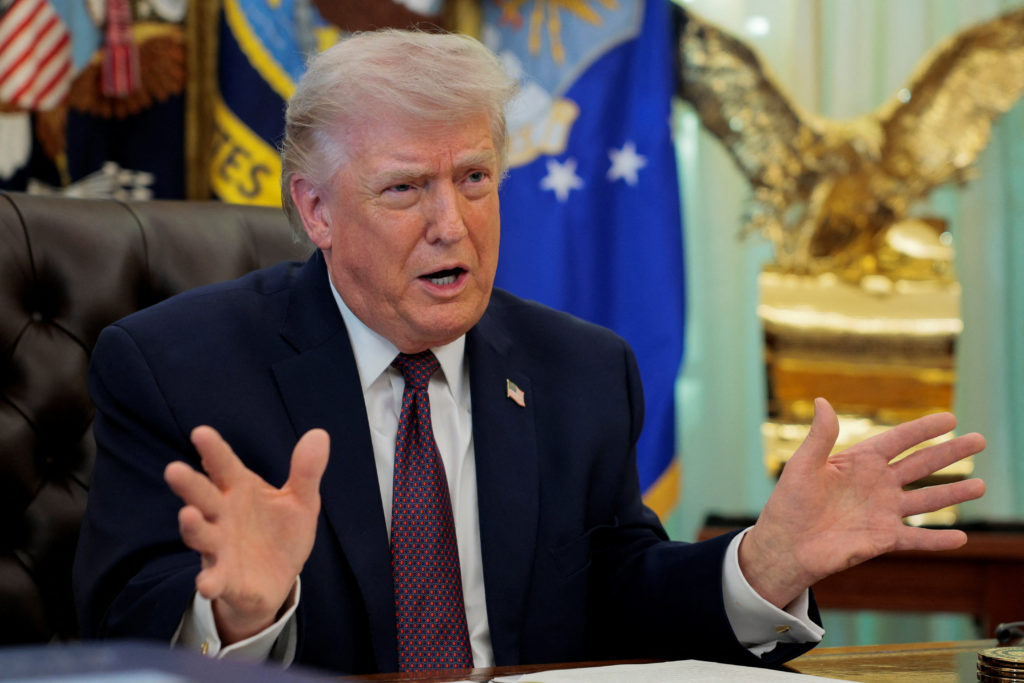
U.S. President Trump signs an executive order in the Oval Office of the White House
White House touts Trump’s pharma deals saving billions for Americans

In the relentless arena of American politics, the recent revelations concerning President Donald Trump’s negotiations with **pharmaceutical companies** underscore a critical juncture where economic policy intersects with political strategy. According to White House economists, these deals—aimed at reducing prescription drug prices to match those of other nations—could generate a staggering $529 billion in savings over the next decade. While such economic projections appeal to the public’s desire for affordability, the underlying power struggles reveal much about the conflicting forces shaping the nation’s health sector and its political landscape.

At the core of this controversy lies the tension between free-market principles and state intervention. Critics argue that the policy shift—a redefinition of conventional healthcare diplomacy— signals a bold move by the Trump administration to leverage government influence over private corporations. This approach echoes a longstanding debate among constitutional theorists who grapple with the extent of government authority. Drawing parallels with Reagan-era deregulation or Teddy Roosevelt’s trust-busting campaigns, the push for price moderation attempts to realign the balance of power in favor of consumers; yet, opponents contend that it risks undermining the very innovation that drives the pharmaceutical industry.

For many political analysts, the issue is less about healthcare and more about control. The Trump administration’s strategy demonstrates a deft understanding of how decisions made in the corridors of power ripple through the lives of ordinary Americans, influencing access to medication, economic stability, and perceptions of governmental efficacy. This is a classic example of policy choices serving as battlegrounds for influence. It’s not merely a matter of economics but a decisive move in power struggles where agencies, corporate interests, and political ideologies clash in a contest that will ultimately determine who holds sway in shaping the national future.

Significantly, these developments evoke echoes of historical parallels—such as FDR’s New Deal confrontations or the ongoing debate over the scope of presidential power. Scholars like **Leo Strauss** and **Walter Bagehot** have long observed that politics becomes the stage where destiny is written. In this context, the Trump administration’s policies redefine the boundaries of who controls healthcare. As the midterm elections loom, the political theater intensifies, encapsulating the fierce power struggle over **America’s economic sovereignty** and the rights of the people versus the influence of special interests.

In the final analysis, the battle over prescription drug pricing is emblematic of a larger, ongoing confrontation—one where the stakes are nothing less than the soul of the republic. As policymakers carve out their visions of America’s future, every decision becomes a stroke in the grand canvas of destiny, a reminder that politics is more than policy—it is the forge where history is shaped. How this controversy unfolds will determine not only healthcare but also the broader trajectory of American sovereignty and liberty, leaving an indelible mark on the fabric of the nation’s narrative.

“Every Shirt Tells a Tale: How Designers Are Saving Football Kits from the Trash and Rebooting Style”

The Rise of Upcycled Football Shirts: A Cultural Shift in Sports & Fashion

The world of football isn’t just about the game anymore; it’s a reflection of broader cultural and social shifts. As clubs and fans grapple with environmental concerns, a new trend has emerged — *upcycled* football shirts that blend sustainability with style. This movement is not only changing how we see sports apparel but also challenging the disposable culture that has dominated modern fashion. While thousands of shirts are discarded each season—UEFA estimates that up to 60% of kits are thrown away—designers like Hattie Crowther and brands such as Vintage Threads are turning this problem into an opportunity. They’re transforming old kits into striking, one-of-a-kind headpieces, dresses, and jackets, giving these once-forgotten items a new lease on life. These creatives, many of whom are women leading the way, are reframing what it means to own a football shirt—making it a meaningful statement of style and values rather than just fleeting merchandise.

This movement delves into the _social relevance_ of sports apparel, as it transcends typical fan gear. Retro football shirts have become sought-after fashion symbols, appearing on celebrities like Kim Kardashian and Timothée Chalamet, fueling a vintage revival. On platforms like Depop, searches for historic kits have skyrocketed—up 38% over the past six months—showing a passionate collector culture thriving within this ecosystem. Preloved shirts aren’t just fashion statements; they are stories, symbols of nostalgia, and acts of environmental responsibility. Fans are recognizing that the enduring legacy of a shirt, especially one with a story, keeps its relevance alive far beyond the pitch. Gary Bierton, from Classic Football Shirts, notes that every secondhand shirt carries a narrative, often more compelling than what’s now mass-produced in the current cycle of rapid kit releases.

At its core, this _cultural impact_ signals a deeper societal shift toward embracing a circular economy in fashion. Instead of viewing football shirts as disposable commodities created from synthetic polyester—a material that’s cheap and performance-friendly but problematic environmentally—there’s a growing _movement_ to extend their lifespan. Initiatives like Green Football’s Great Save highlight how swapping, donating, and reworking kits can cut a shirt’s environmental footprint by up to 30%. This approach doesn’t just stop at sustainability; it opens avenues for clubs and designers to monetize _the story_ and _the style_ behind vintage and upcycled kits, turning environmental responsibility into a lucrative, *aspirational* trend. Clubs like Brighton are already experimenting with creating fashionable accessories from misprinted kits—proving that sustainability can be chic and profitable simultaneously.

Yet, the next big question is: *Will this movement be sustainable in the long term, or will it become a fleeting fad?* As the industry begins to see economic benefits—upcycled designs that are desirable and collectible—it raises the possibility of a circular football economy becoming embedded into mainstream sports culture. If this push toward sustainability continues to grow, perhaps the future of football apparel isn’t just about the game but about redefining how we value and repurpose our cultural artifacts. With youth-driven influencers, innovative designers, and forward-thinking clubs leading the charge, the true question remains — *how will this shift redefine not just fashion, but our societal priorities in the coming years?*

Social Media Auto Publish Powered By : XYZScripts.com



