Matox News

Truth Over Trends, always!

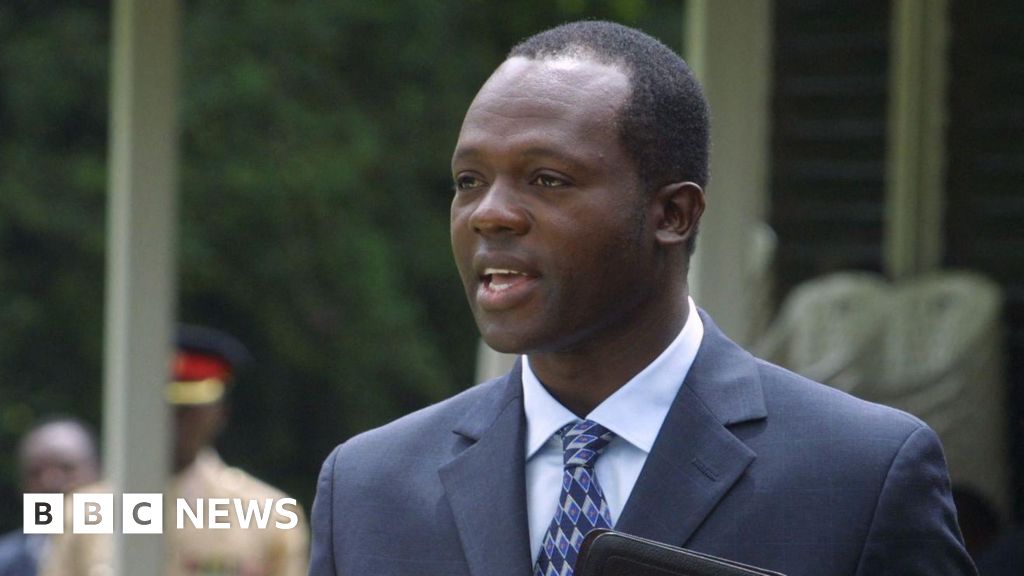
Kenyan ex-foreign minister returns after kidnapping scare, proving resilience

The recent reports surrounding Raphael Tuju, a prominent political figure, have sent shockwaves across both Kenya and the broader East African region. The mysterious disappearance of Tuju has sparked international concern, especially amid allegations that he may have been forcibly abducted. Such incidents extend beyond individual cases, illuminating the fragile state of security and political stability in a region often caught between internal strife and external influences.

This incident underscores the importance of rule of law and state sovereignty at a time when regional alliances and international organizations are grappling with the shifting landscape of influence. Analysts warn that the abduction claims could be a symptom of deeper political tensions, aimed at silencing dissent or intimidating emerging leaders challenging entrenched power structures. Such tactics threaten to undermine democratic processes and diminish public trust in government institutions, with potential repercussions that ripple far beyond Kenya.

Experts such as geopolitical scholars and organizations like the United Nations have long observed that instability within key nations often serves as a catalyst for broader regional upheaval. The disappearance of a political figure is not merely an isolated incident but is emblematic of a larger pattern of uncertainty and suppression that could destabilize neighboring countries. Historically, such acts have proven to be turning points—heralding periods of intensified unrest and international interventions—that reshape the geopolitical map of entire regions.

  • The incident has prompted calls for thorough investigations from human rights groups and regional leaders alike.
  • It raises pressing questions about respect for human rights and the limits of state authority amidst rising political tensions.
  • International actors worry that unresolved cases like this may embolden factions that reject democratic norms and promote authoritarianism.

As the world watches, the global community must recognize that the fate of individuals like Raphael Tuju is intertwined with the sovereignty and stability of nations. The decisions made in these critical moments will influence the future of governance, societal resilience, and regional security for years to come. With each passing day, history writes itself anew—its narrative shaped by actions taken, alliances forged, and the persistent pursuit of justice in the face of mounting adversity. The question remains: will international cooperation rise to safeguard the rights and dignity inherently owed to all, or will this be another chapter of silence and strategic silence amid the chaos of geopolitical realignment?

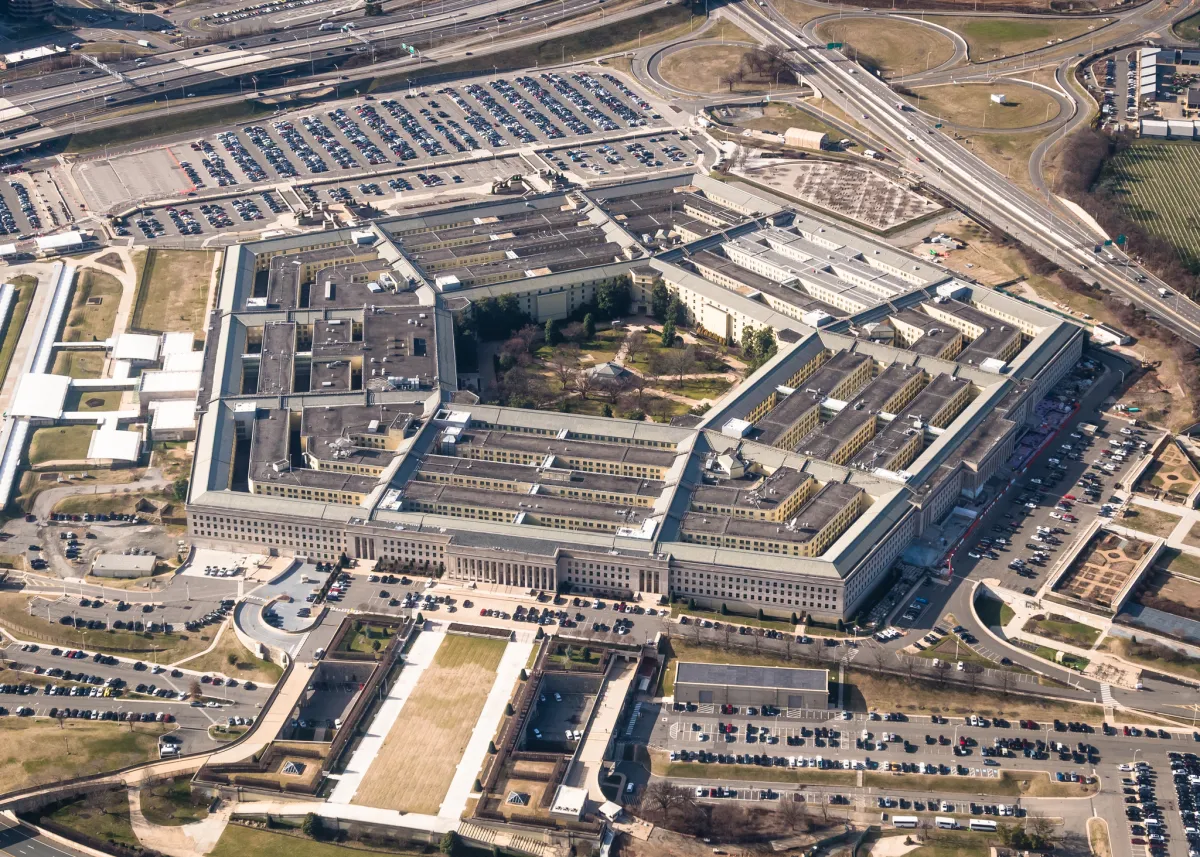
Could Pentagon’s Anthropic debate scare startups from defense tech?

AI Innovation Meets Political Disruption: Pentagon Pulls Back from Anthropic and OpenAI

In a dramatic turn of events, the Pentagon’s attempt to leverage Anthropic’s Claude AI technology for defense purposes has encountered significant roadblocks. Just over a week after initial negotiations, the Trump-era Department of Defense designated Anthropic as a “supply chain risk,” effectively halting the agreement and prompting the AI firm to prepare for legal action. This move signals a new era of heightened scrutiny over dual-use AI technologies—particularly those with capabilities that intersect with military applications—reshaping the landscape of public-private partnerships in national security.

Meanwhile, OpenAI quickly responded with its own deal to supply the Pentagon with its GPT-based AI solutions. This swift maneuver did not go unnoticed; it sparked backlash among users, evidenced by a 295% surge in ChatGPT uninstalls and a spike in public sentiment questioning the ethics of deploying advanced AI in military contexts. Industry analysts like Gartner warn that such friction is emblematic of a broader disruption: the integration of cutting-edge AI into defense frameworks is becoming a flashpoint for regulatory and ethical debates. To many, these conflicts threaten to slow innovation but also serve as a clear signal that governments are becoming increasingly wary—as well they should—of AI’s potential for misuse.

Speaking on the implications of these disputes, veteran tech commentators on podcasts such as TechCrunch’s Equity have underscored the business risks involved for startups aiming to partner with federal agencies. Kirsten Korosec and her colleagues emphasize that the Pentagon’s shift to reevaluate contract terms and risk assessments may chill the willingness of innovative AI firms, especially startups, to engage in critical defense collaborations. This potential “chilling effect” could hinder the rapid deployment of disruptive AI tools, which are poised to revolutionize both military strategy and civilian industries.

Looking ahead, industry insiders like Elon Musk and venture capitalists such as Peter Thiel point to a future where disruptive AI development remains essential to global competitiveness. However, the current political climate—highlighted by aggressive scrutiny over AI’s application in lethal contexts—injects a sense of urgency into the innovation pipeline. While the Pentagon’s recent moves reveal a desire to tighten oversight, they also expose inherent vulnerabilities in the U.S.’s ability to remain at the forefront of AI progress. As leading think tanks, MIT and Stanford, continue to call for robust oversight and responsible innovation, the real question for technologists and policymakers alike is: can the United States balance cutting-edge technological disruption with ethical safeguards that preserve industry leadership?

In summary, the unfolding dispute over AI use in defense exemplifies a pivotal crossroads—one where innovation and regulation collide on a global stage. The evolving dynamics highlight a strategic imperative for startups and established firms: to navigate this shifting terrain with agility, foresight, and a relentless focus on responsible AI deployment. As national security pressures rise and the world’s most powerful AI firms grapple with ethical considerations, the next wave of technological evolution may redefine both the battlefield and business landscape. In this race for dominance, only those who innovate with prudence and resilience will secure their place in the future of AI-driven disruption.

Australia News Live: ACT Shuts 71 Schools Over Sand Scare, NSW Police Crack Down on Domestic Violence—Protecting Our Communities

The geopolitical landscape is perpetually shifting, often influenced by key domestic decisions made within sovereign nations. Recently, Australia exemplifies this pattern through a series of dramatic developments that signal both internal challenges and external strategic recalibrations. The recent closure of 71 public schools in the ACT over fears of asbestos-laden children’s sand, alongside ongoing debates over immigration and energy policies, underscore how internal domestic issues can ripple outward, affecting international perceptions and alliances.

Meanwhile, in the wider global arena, significant shifts have occurred, notably with U.S. President Donald Trump signing an executive order easing tariffs on food imports, including beef and bananas. This move reflects a nuanced strategy aimed at addressing inflationary pressures domestically, but it also signals a broader tendency towards protectionism that could strain international trade networks. Patrolling these trade corridors, Australia’s Prime Minister Anthony Albanese reasserts the importance of global trade, framing it as a “bulwark against conflict”. Analysts from think tanks suggest that such rhetoric not only emphasizes economic cooperation but also highlights how trust in international partners can serve as a foundation for diplomacy, promising a buffer in times of crises.

Yet, Australia’s internal struggles — from the asbestos fears leading to school closures to contentious debates over immigration levels—a clear reflection of how decisions at home wield profound consequences for societal stability and international standing. Sussan Ley, the opposition leader, openly advocates for a reduction in immigration, citing community challenges such as transportation and infrastructure strains. Their stance, though controversial, reveals a broader tension on the alliance between open borders and national security, echoing concerns raised by historians and policy analysts who warn that unchecked demographic shifts can challenge social cohesion and political stability. Meanwhile, government funding for climate resilience projects across Australian states underscores a dual narrative: managing environmental threats while navigating economic constraints, as seen in the proposed $200 million investment in weather-resistant infrastructure.

Externally, unresolved conflicts and international economic policies intertwine with national strategies. With Australia poised at the crossroads—balancing energy independence, climate commitments, and economic revival—its path forward will inevitably influence regional stability and global alliances. The decision to support, or oppose, transitioning toward renewable energy sources and industrial resilience could determine whether Australia becomes a reliable partner or an unpredictable actor on the world stage. Historic analysts warn that in a world where “trust” is becoming a scarce commodity, the decisions of now will shape the geopolitical order of decades to come, a story still being written with each policy choice and international shift.

Homemade chili paste linked to rat poisoning scare in Southeast Queensland

Arc of Danger: Homemade Chili Paste Contaminated with Rat Poison Sparks Alert in Australia

In a troubling turn of events, Queensland health authorities have identified *homemade chili paste* as the probable source behind a recent cluster of *rat poisoning* cases in south-east Queensland. The incident, which has raised alarms across local communities, underscores the hazards of unregulated food products and the potential for tragic consequences when homemade preparations are tainted with dangerous substances.

The cases, reported earlier this month, involved five individuals presenting with symptoms consistent with brodifacoum poisoning—the active ingredient in rat poison. Among these cases, three individuals admitted to consuming homemade, unlabelled chili paste, which has now tested positive for brodifacoum. Queensland Health has issued an urgent warning to the public, cautioning residents to be vigilant and to dispose of any suspected products immediately, especially those circulating within the Logan community since mid-September 2025. The decision to focus on homemade products hints at the complexities surrounding local food safety, especially in areas where informal, DIY food preparation remains prevalent.

Geopolitical Ramifications and Societal Impact

This incident extends beyond local health concerns, highlighting a broader issue of food safety in an increasingly globalized supply chain. Experts point out thattraditionally, international trade policies and stringent food safety standards serve as barriers protecting consumers from contamination—yet, in local communities, especially where homemade goods are common, these safeguards are often less effective. The geopolitical impact is palpable: nations must grapple with how to regulate informal food markets that often operate outside the bounds of formal oversight. As such, the safety of community-based food preparations becomes a fragile point in the security of international health standards.

The incident has elicited commentary from a variety of international organizations and historians specializing in public health and diplomacy. Some analysts argue that such cases compel a reevaluation of local governance and borderless threats, emphasizing the need for international cooperation in managing food safety risks. WHO and other health watchdogs have called for more robust monitoring of unregulated food products, citing that lapses in oversight could set dangerous precedents, especially as malicious actors or accidental contamination could threaten entire populations.

Historical Context and the Warning Signs

Historically, unregulated food products have played a role in major public health crises, often stemming from the clandestine use of harmful chemicals. These episodes serve as stark warnings for governments and communities to adopt more rigorous safety standards, especially as the internet and social media facilitate the unmonitored exchange of homemade recipes and food items. The current case reminds us of past outbreaks where inadequate oversight transformed simple food mishaps into national emergencies, casting long shadows over societal trust in local food traditions. As public health historians have noted, it’s often in these vulnerable moments that the fabric of community safety unravels, leading to loss of life and misplaced public confidence.

The Road Ahead: Caution and Countermeasures

While Queensland authorities maintain that the risk to the broader community remains low, their warnings serve as a stark reminder of the lingering danger posed by unregulated food products. The ongoing investigation aims to determine whether the contamination was accidental or malicious, an inquiry that could have profound implications for local food policies and community safety measures. How nations respond to these threats—through tightening regulations, public education campaigns, or even clandestine crackdown efforts—will shape the future safety landscape. The incident also highlights the challenging balance between *cultural food practices* and *public health safeguards,* a balancing act under siege in a world where the boundaries between tradition and regulation are increasingly blurred.

As history continues to unfold, the fate of this small Queensland community—and perhaps similar populations worldwide—hangs in the balance. The dangerous dance of human ingenuity and oversight confronts us yet again, reminding all that in the age of global interconnectedness, the smallest misstep can ignite a crisis of international proportions. The story is not merely about chili paste or rat poison—it is a wake-up call that echoes through the corridors of power and community alike, with the weight of history silently watching from the shadows.

Social Media Auto Publish Powered By : XYZScripts.com