
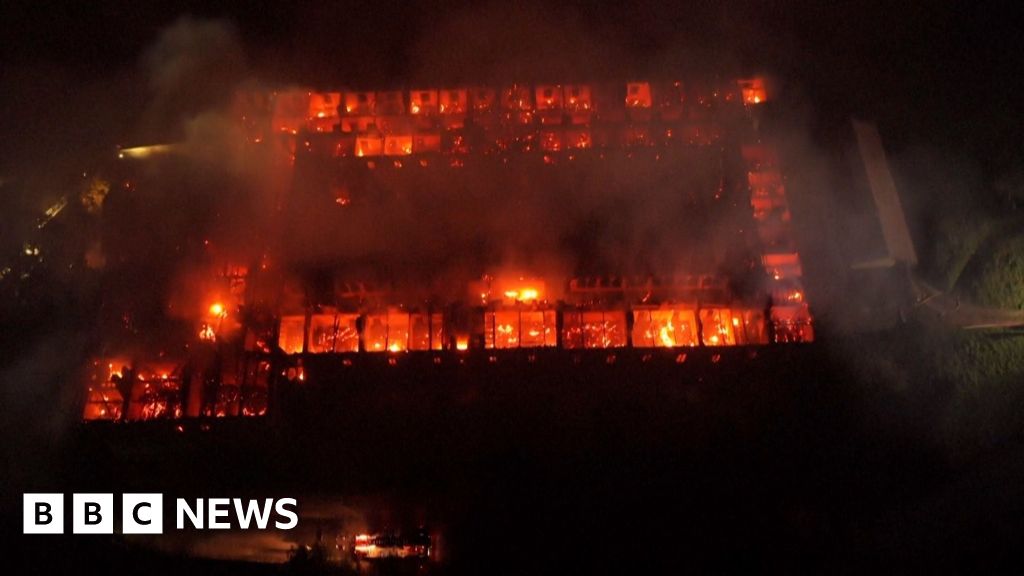

The recent emergence of drone footage capturing a devastating fire engulfing the historic Bernaga Monastery in Italy marks a tragic chapter in the preservation of European heritage. Founded in 1628 in La Valletta Brianza, approximately 30 kilometers east of Milan, the monastery stands as a testament to centuries of religious, cultural, and artistic history. The destruction of such an iconic institution not only signifies a loss for Italy but also echoes through the broader fabric of European civilization, raising questions about the security of its priceless historical assets in an era increasingly marked by geopolitical tensions and rising radicalism.
According to Italian media reports, all 22 cloistered nuns evacuated safely before the flames consumed the cloisters, yet the damage to the monastery’s structural integrity and historical artifacts remains profound. In an age where terrorism, radical ideologies, and unforeseen acts of violence continue to threaten religious sites worldwide, this incident rekindles debates about global security measures and the protection of cultural patrimonies. Analysts suggest that the blaze, whether accidental or deliberate, underscores an alarming trend where historical sites are becoming vulnerable targets amidst ongoing geopolitical unrest. Historians and cultural preservation advocates warn that the loss of such monuments endangers not just local identity but also the collective memory of humanity.
From an international perspective, the destruction signals a broader challenge for Europe’s cultural diplomacy and security cooperation. Countries with significant historical sites, especially in a continent riddled with regional tensions, must reassess infrastructure security and emergency responses. The incident also aligns with warnings from organizations like UNESCO about increasing threats to heritage sites. Such incidents influence geopolitical calculations, as nations contend with questions of sovereignty, protection, and the temptation of ideological exploitation. Specialists note that the incident may serve as a venue for political actors seeking to tighten security measures or, conversely, exploit vulnerabilities for strategic gain.
As the global community watches the ruins of Bernaga Monastery smoldering in the aftermath of destruction, the echo of this event resonates in the corridors of power and within civic consciousness. The fight to safeguard history against human interference and natural calamities is entering a critical juncture. The road ahead remains uncertain, and the stakes could not be higher. Because in the unfolding pages of history, every loss reminds us that the preservation of our cultural heritage is not merely about safeguarding stones and relics but defending the fabric of civilization itself.





