

Automation Disrupts Youth Employment and Industry Landscape: What the Future Holds
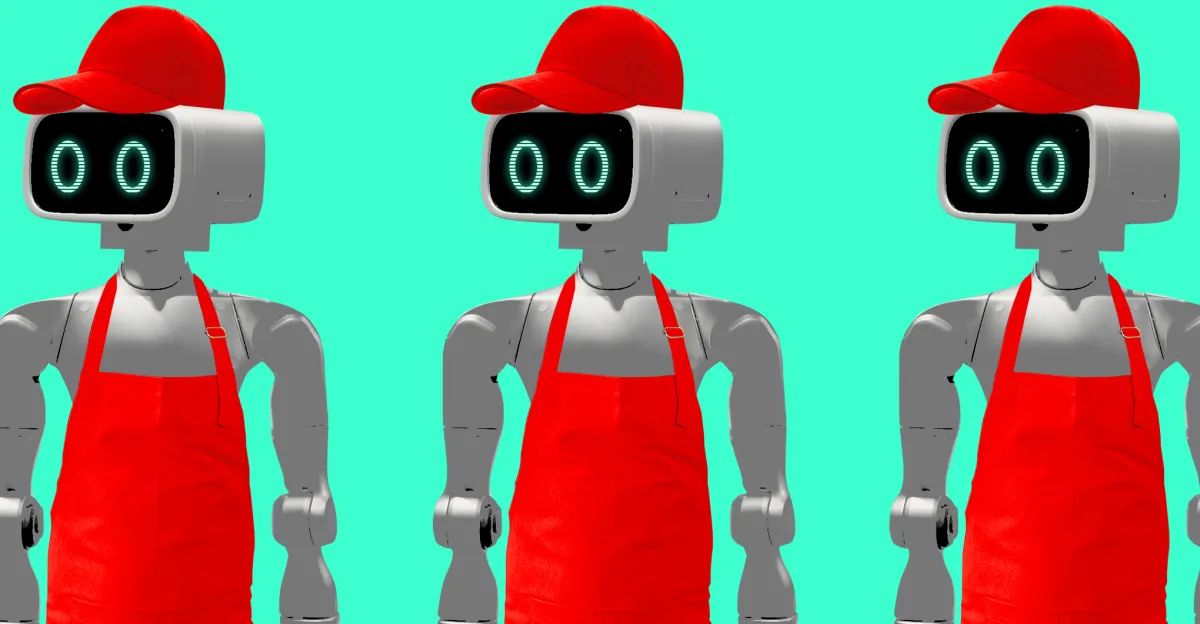
Across the globe, innovative automation technologies are dramatically reshaping the traditional employment landscape, with startling implications for the coming decade. In Japan, these disruptions are already visible, where robots stock convenience store shelves. However, the question remains—when will the United States follow suit? Corporations like Walmart have experimented with robot-assistants, though their initial ventures into shelf-scanning technology were eventually abandoned. This suggests a rapid evolution in machine vision and AI capabilities—advancements that promise to revolutionize retail, logistics, and beyond, with disruptive implications for employment and the economy.
The decline in youth participation in the labor force underscores the profound shift caused by automation. Data from the U.S. Census Bureau shows that between 2000 and 2025, the percentage of Americans aged 16–19 actively engaged in the workforce has plummeted from 52.3% to just 34.8%. This contraction is driven largely by technological displacement—a trend that reduces entry-level opportunities such as stocking shelves, flipping burgers, or delivering pizza. As Elon Musk and other tech visionaries predict, these innovations—while boosting corporate profits—contribute to a labor market increasingly hostile to entry-level workers.
- Automation reduces labor costs for employers
- Workers face fewer opportunities for skill development
- Youth miss critical early work experiences essential for long-term career growth
Moreover, the disruption extends into the gig economy, with autonomous delivery robots like those tested by Uber Eats and DoorDash stepping into markets traditionally served by young human drivers. This technological pivot is fueled by stagnant wages and rising living costs, pushing adults into low-wage side gigs—further squeezing out the next generation from meaningful employment opportunities. As Gartner’s industry analysts warn, the race to automate essential services could accelerate, creating a future where jobs for young adults become relics of the past.
Indeed, these trends threaten to erode the foundational opportunities that foster independence and economic literacy among teens. Historically, early job experiences offered invaluable lessons in managing finances, interpersonal skills, and responsibility. Now, as offshoring and automation complete their sweep, the remaining jobs are increasingly competitive and scarce. As Peter Thiel and other Silicon Valley thinkers emphasize, this technology-driven disruption necessitates urgent policy and industry shifts to preserve the pathway to economic self-sufficiency for future generations. Moving forward, the rapid pace of innovation demands that business leaders, policymakers, and educators act decisively—if the opportunity for young people to learn and grow in the labor market is to survive the oncoming storm.






