Matox News

Truth Over Trends, always!

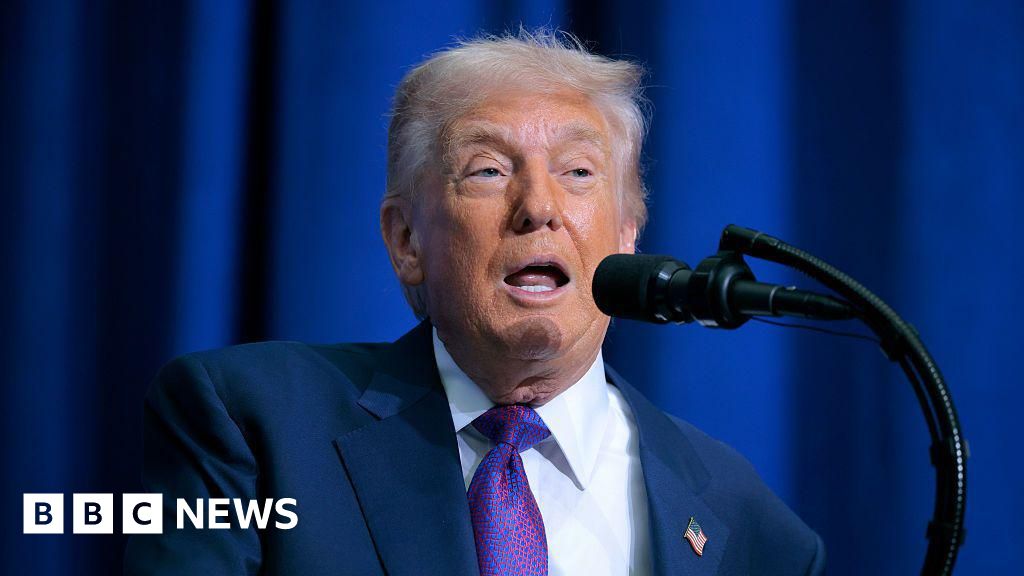
Trump warns Iran: 10 days to seal deal or face serious consequences

The United States has recently initiated a significant military deployment to the Middle East, signaling a shift in both regional security dynamics and global strategic calculations. This move comes amidst high-stakes negotiations with the Islamic Republic of Iran over its contentious nuclear program. As diplomatic channels strain under the weight of decades-long mistrust, this military reinforcement underscores a broader narrative: the contest for influence and control in an already volatile region is intensifying, with worldwide implications.

The decision by Washington to escalate military presence is viewed by many analysts as a response to recent advancements in Iran’s nuclear capabilities, despite ongoing negotiations seeking a diplomatic resolution. According to experts such as Dr. James Steele, a senior analyst at the International Security Institute, “This surge of forces signals America’s readiness to project power and deter Iran from progressing further towards nuclear armament, which could destabilize entire regions.” The move also aims to reassure regional allies like Israel and Saudi Arabia, which have long expressed concerns about Iran’s regional expansionism and nuclear ambitions. The renewed military presence in key strategic locations around the Persian Gulf has consequently sent ripples through international markets, affecting oil prices and geopolitical alignments.

Historically, such troop movements often serve as a precursor to broader conflict or a reaffirmation of strategic commitments. In this instance, the decision comes at a critical juncture—as diplomacy remains fragile and trust diminishes. The United States is not acting in isolation: its allies in NATO and the Gulf Cooperation Council are watching closely, hinting at a potential escalation in regional security dilemmas. Meanwhile, Iran condemns these actions as provocative, warning that any aggression could be met with decisive responses, heightening fears of a wider confrontational spiral. The actions of Washington and Iran, therefore, underscore the delicate balance—where diplomatic efforts hang by a thread, and the possibility of conflict looms larger than ever.

International institutions and analysts recognize this moment as a turning point—one that could redefine the geopolitical landscape for decades to come. The United Nations and other global bodies have called for restraint, emphasizing that only through diplomatic engagement can peace be restored. Yet, history warns that such calls often go unheeded when national interests clash with the desire for regional dominance. The US and Iran now find themselves at a crossroads, where their choices will have profound implications for the future of international stability, regional sovereignty, and the global order. As the world watches with bated breath, the weight of history presses heavily on this moment—one that could either mark the beginning of a new era of diplomacy or plunge the Middle East into renewed chaos, forever shaping the course of the 21st century.
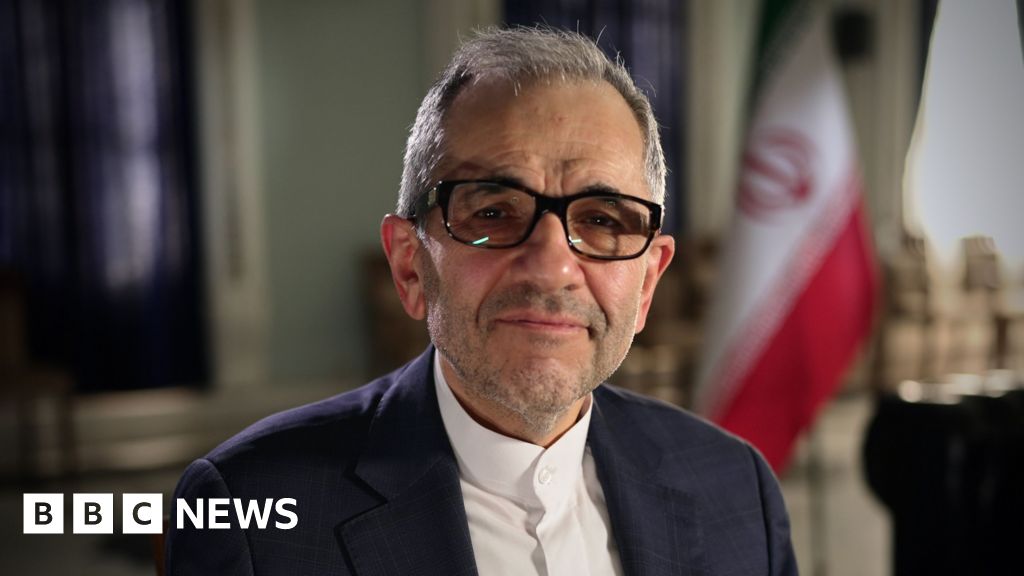
Iran open to compromises to seal nuclear deal, says Tehran minister on BBC

Amid escalating global tensions, the future of Iran and U.S. negotiations remains a focal point for international stability. In an interview with the BBC from Tehran, Majid Takht-Ravanchi, Iran’s deputy foreign minister, articulated a cautious yet hopeful tone, asserting that “the ball was in America’s court to prove that they want to do a deal.” His statement underscores the complex dance of diplomatic signals and counter-signals that have characterized these negotiations for years. While Tehran suggests an openness to a breakthrough, the core issue revolves around whether the United States is genuinely committed to reviving the 2015 Joint Comprehensive Plan of Action (JCPOA), a diplomatic agreement crucial for curbing Iran’s nuclear ambitions and stabilizing the region.

International analysts warn that any delay or perceived lack of sincerity from Washington risks further destabilizing a region already fraught with tension. Historically, the United States under multiple administrations has oscillated between engagement and sanctions concerning Iran, causing uncertainty that affects global markets and alliances. The recent remarks from Tehran serve as a reminder that diplomacy must be grounded in genuine intent; otherwise, the risk of a broader regional arms race or inadvertent conflict looms large. Significantly, the Biden administration’s approach has faced scrutiny from both allies and adversaries, with many fearing that the current political climate in the U.S. could hamper a real commitment to resolving decades-long disputes.

The international community, represented by institutions like the United Nations and leading nations, closely watches these developments, aware that the stakes extend far beyond Iran’s borders. A failure to reach a deal could enhance Tehran’s nuclear capabilities, undermine peaceful diplomacy in the Middle East, and provoke a dangerous escalation affecting Israel, Saudi Arabia, and other regional players. Some experts warn that a breakdown could entrench Iran’s isolation, fueling a cycle of sanctions and clandestine nuclear pursuits, raising questions about the effectiveness of current diplomatic tools to manage this volatile situation.

In this tense tapestry of diplomacy, the fundamental question remains: are the decisions made today shaping a future of peace or plunging the world into further chaos? History has repeatedly demonstrated that moments of diplomatic hesitation can have profound, long-lasting consequences. As the clock ticks, the weight of history presses down upon those in power—reminding us that the course they chart tonight could determine whether countless lives are safeguarded or sacrificed to the shadows of unresolved conflicts. The world holds its breath as the delicate balance of trust, interest, and strategic calculation continues to hinge on the sincerity of one side’s overtures, and whether the other will choose to meet it with genuine resolve.

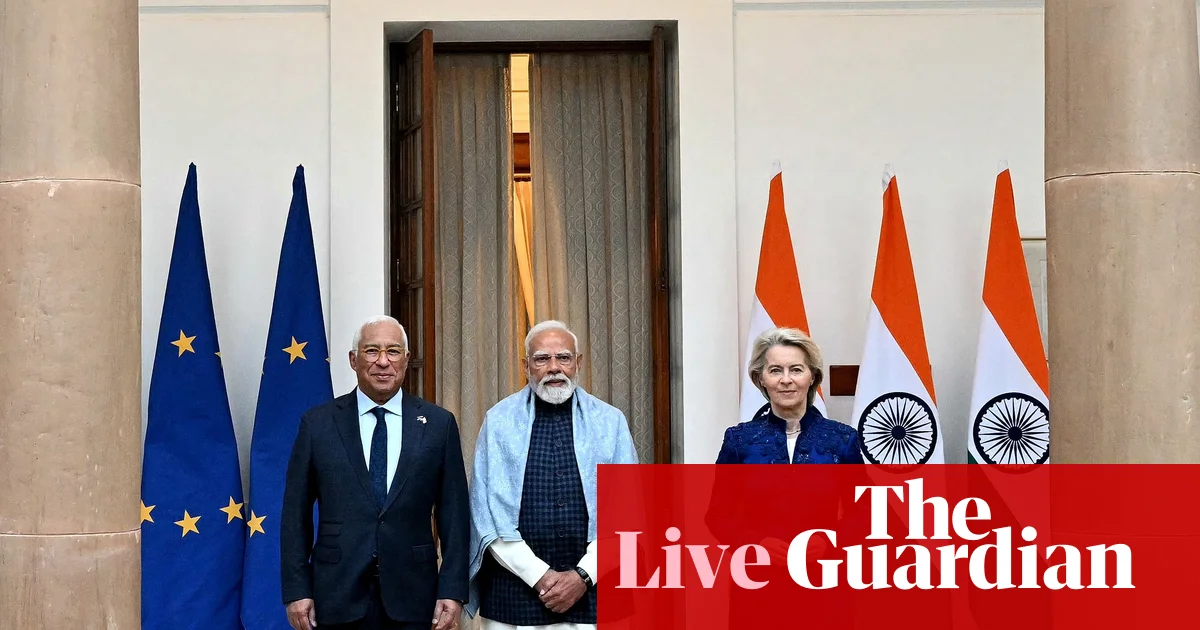
EU and India seal historic trade deal—big win for youth and the economy

The European Union has recently cemented a landmark victory in global trade negotiations by finalizing a comprehensive agreement with India. This deal, heralded as “the mother of all trade deals” by Ursula von der Leyen and praised by Prime Minister Narendra Modi for its historic scale, marks a pivotal moment in the shifting landscape of international commerce. With tariffs on cars set to plummet from as high as 110% to just 10% over five years, the accord opens up India’s protected market, promising a lucrative channel for EU exports worth over €180bn annually, and supporting nearly 800,000 European jobs. It is a testament to how geopolitical and economic considerations have converged at a defining juncture, with the EU seeking diversification amid strained relations with the United States and uncertain global trade dynamics.

Importantly, the significance of this agreement transcends mere tariffs. It embodies a strategic pivot by the European Union to strengthen alliances with emerging economic powerhouses at a time when global order is under redefinition. Analysts and historians emphasize that such a move signals a powerful shift toward multi-polarity, reducing reliance on traditionally dominant economies.

  • The accord connects more than 2 billion people into a single market, a rise in regional economic connectivity that could ripple across the globe}
  • It underscores Europe’s strategic effort to counterbalance the monopsony power of China and the unpredictability of the US under tariffs-driven policies
  • Historically, trade deals like this—long in the making—are often seen as precursors to broader geopolitical alliances

The broader geopolitical impact of operationalizing this deal cannot be understated. It sends a clear message to the world: as the global order is “being fundamentally reshaped,” Western powers are actively creating new blocs and partnerships that challenge the old hierarchy. Recent weeks have seen the EU sign a deal with Mercosur, after two and a half decades of negotiations, further illustrating a pattern of diversification away from US-centric trade reliance. Economists warn that such measures could deepen divides, foster new alliances, and ignite competition on a scale that history has rarely seen. Especially noteworthy is how Europe’s renewed engagement with India aligns with strategic interests beyond commerce, including security, defense, and geopolitical influence, in a period marked by rising tensions in Ukraine and disputes over Greenland’s strategic resources.

Finally, as the global chessboard continues to shift, the significance of these negotiations remains clear. They are not merely economic transactions but are cornerstones in the construction of a new geopolitical architecture. The decisions made today will set the tone for decades to come, echoing through history as pivotal moments where old world order gave way to new alliances and rivalries. The narrative of this era is still unfolding—each trade agreement, each diplomatic handshake, a page in the vast and complicated story of global power—leaving the modern world poised on the precipice of a new chapter that may redefine the very fabric of international society.

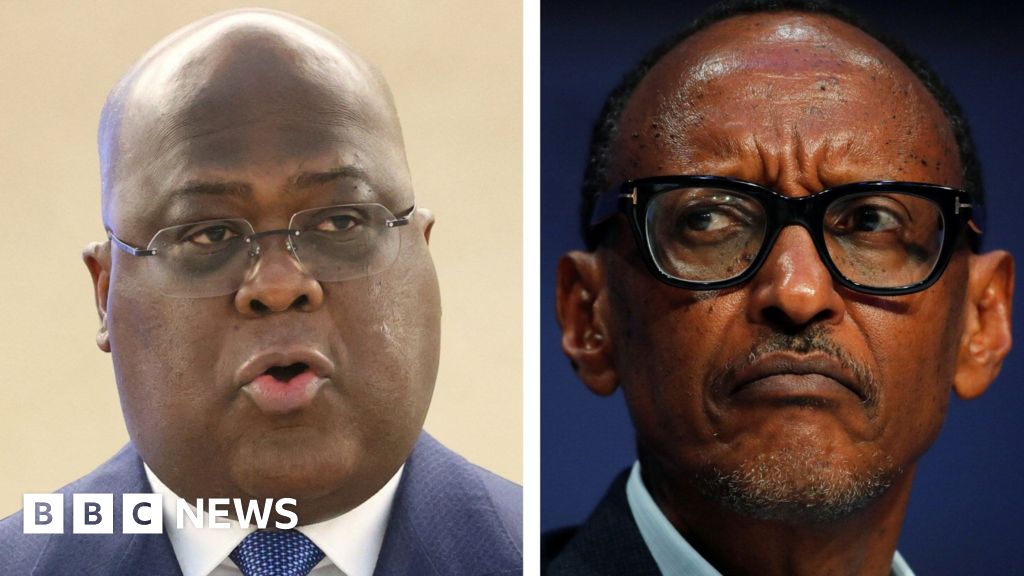
Trump Hosts Leaders from DR Congo and Rwanda to Seal Key Peace Agreement

Emerging Peace Deal in Central Africa: A Turning Point or Illusion?

In an era defined by shifting allegiances and resource-driven conflicts, the recent summit in Washington marks a pivotal moment for the tumultuous region of Central Africa. The presidents of DR Congo and Rwanda are poised to sign a landmark peace agreement aimed at quelling a decade-long insurgency that has destabilized eastern DR Congo. Hosted by then-U.S. President Donald Trump, the diplomatic gathering drew several international figures, including representatives from Qatar, Burundi, and Arab nations, signaling the global stakes intertwined with regional peace.

Despite the symbolic nature of the summit, beneath the diplomatic veneer lies a complex web of conflicting interests, historical grievances, and geopolitical calculations. The signing comes amid escalating violence, with the M23 rebel group recently seizing critical cities such as Goma and Bukavu, and ongoing accusations of Rwandan backing—an assertion Kigali continues to deny. The conflict’s roots trace back to the 1994 Rwandan genocide, with groups like the FDLR militias remaining a persistent threat, prompting Rwanda’s claims of needing to adopt defensive measures. Herein lies the core dilemma: Rwanda insists disarmament of FDLR is vital, but how to disarm a fearsome militia with a history of atrocities remains unresolved—especially when previous efforts have failed.

The Geopolitical Chessboard: Mineral Wealth, Regional Power, and International Influence

Analysts and international organizations emphasizing the region’s economic potential warn of a future shaped less by peace and more by resource extraction. The US State Department cites an estimated $25 trillion worth of mineral reserves within DR Congo, including cobalt, copper, lithium, and tantalum—key ingredients for modern electronics and defense industries. The United States has aggressively promoted economic accords, aiming to turn the region into a corridor of collaboration on hydroelectric and infrastructure projects. Political scientist Prof. Jason Stearns remarks that the true aim of the United States is to secure mineral rights and bolster strategic partnerships, while Rwanda’s role is nuanced—both as a key stakeholder and alleged supporter of rebel factions like M23.

As history illustrates, such resource-driven conflicts are often less about territorial control and more about economic dominance. Rwanda’s claims of disarming the FDLR and the DR Congo’s insistence on the rebels’ surrender expose the fragility of diplomatic promises. Past peace agreements, dating back to the 1990s, have repeatedly unraveled when accusations of inaction and betrayal surface. Critics argue this latest accord, while touted as “historic,” may merely be a strategic pause, allowing regional powers to consolidate economic gains without addressing the underlying nationalist and ethnic tensions.

Uncertain Prospects: A Fragile Glimmer of Hope or a Foreboding Prelude?

Furthermore, the ongoing clashes signal that true peace remains elusive. The DR Congo army reports recent offensives against rebels, who in turn accuse the government of collusion with foreign forces, notably Burundi. The enclave’s strategic importance—bordered by multiple nations and rich in resources—ensures that any resolution is susceptible to regional and external interference. The participation of Qatar and the U.S. in mediation efforts highlights the international stakes; yet, the enduring question remains—will the promise of peace translate into lasting stability, or merely herald another chapter of deferred conflict?

History’s shadow looms large, with experts warning that peace processes in Africa often falter due to entrenched interests, unfulfilled agreements, and the difficulty of disarming well-armed factions. The region teeters on the precipice of a new chapter—one that could either mark the demise of chaos or the birth of a protracted struggle. As the world watches, the unfolding story in DR Congo and Rwanda reminds us that the weight of history is still being written, and the future remains dangerously uncertain.

Social Media Auto Publish Powered By : XYZScripts.com