
Matox News

Truth Over Trends, always!

Alan Jones blasts police over questionable warrants and improper searches in sex abuse probe

International Ramifications of a Domestic Political and Media Controversy

In recent months, Australia has become the epicenter of a domestic controversy that extends beyond its borders, capturing the attention of global analysts and international institutions alike. The scandal involving the prominent broadcaster Alan Jones—accused of historic sexual misconduct—has ignited debates over police conduct, legal integrity, and the influence of media personalities. While many see this as a matter confined within Australia’s borders, its geopolitical impact could ripple across regional alliances and influence global perceptions about legal transparency and media accountability.

The ongoing legal proceedings—marked by accusations that police may have improperly handled evidence—highlight potential challenges to rule of law within democratic nations. Experts warn that such controversies threaten to undermine public confidence in legal institutions, especially when high-profile figures are involved, setting a dangerous precedent for political interference or selective justice. The allegations and the court’s debates over warrant validity underscore the importance of due process in safeguarding fundamental rights during investigations. International organizations such as Amnesty International and Human Rights Watch have issued cautious statements urging transparency and adherence to legal standards, cautioning that any perception of impropriety could diminish Australia’s reputation on the global stage.

Furthermore, this crisis has occurred during an era of heightened geopolitical tensions, as China, Russia, and other competing powers scrutinize Western democracies through a prism of skepticism. As the United Nations and allied think tanks analyze Australia’s domestic stability, they underscore how internal conflicts—particularly those involving media influence and legal integrity—can weaken national resilience and diminish international trust. Historically, analysts like Dr. Samuel Clarke have warned that such “internal fissures,” if left unresolved, can be exploited by adversarial states seeking leverage in strategic regions.

How Decisions Inside the Courtrooms Shape Societies and Neighboring Nations

The case of Alan Jones exemplifies more than just scandal; it acts as a litmus test for Australia’s societal values—namely, its capacity to uphold justice for all, regardless of status or influence. The outcome of this high-stakes legal battle will likely influence how similar cases are approached in other liberal democracies, setting a precedent for media accountability and police oversight. Neighbors in the Indo-Pacific region watch intently, knowing that the legal integrity of one nation underpins regional stability and the credibility of exportable democratic principles.

The impact extends further when considering how public trust in institutions plays into regional geopolitics. An Australia perceived as capable of critical introspection and fair justice signals strength and resilience, bolstering its alliances with the United States and United Kingdom. Conversely, perceptions of corruption or impropriety domestically could embolden authoritarian actors who aim to exploit internal weaknesses for geopolitical gains. As international analysts, including regional security experts, note, the stability of a nation’s judicial and media frameworks directly correlates with its ability to project power and influence on the global stage.

Conclusion: The Weight of History and the Unfolding Future

As Australia grapples with this internal test of justice, the broader world watches, aware that the course of history is often determined by the resolution of such conflicts. Whether this crisis results in a reaffirmation of principles or exposes fractures in leadership and rule of law, it remains a warning of how fragile societal cohesion can be amid scandal and controversy. The decisions made today will ripple through generations—shaping perceptions of sovereignty, justice, and media influence—and, ultimately, defining the legacy of a nation in the relentless march of history.
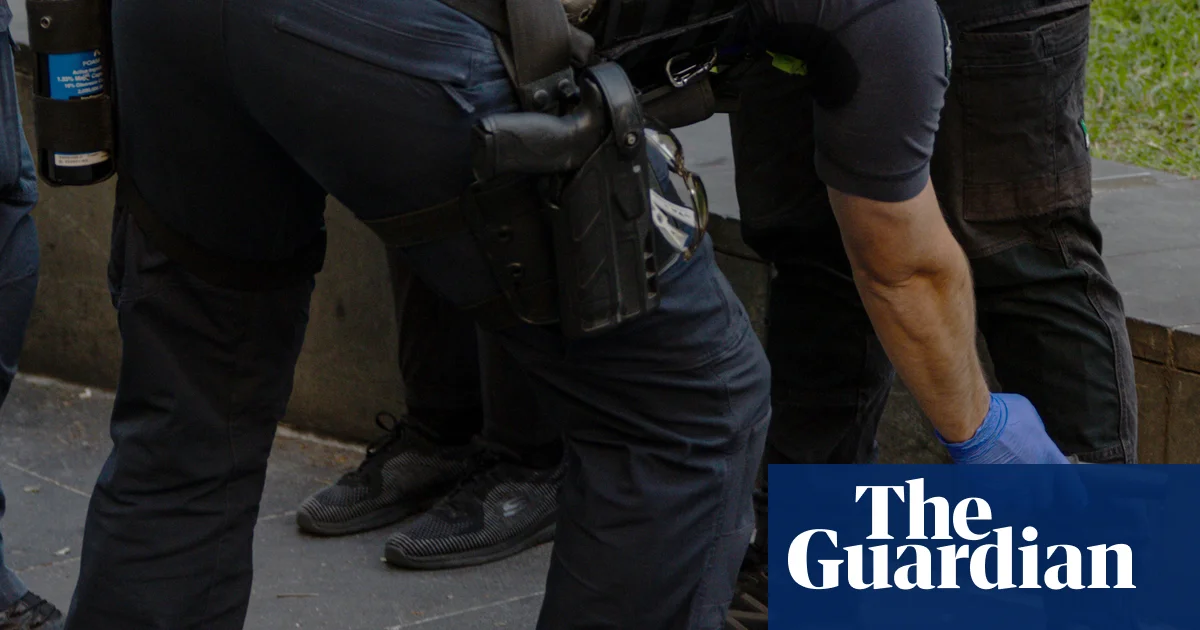

Victoria Police's illegal weapon searches could impact hundreds of young people
Victoria Police’s illegal weapon searches could impact hundreds of young people

Victoria Police Faces Controversy Over Unauthorized Weapon Searches

In a recent revelation that has sent shockwaves through Australia, the Victoria police force acknowledged a series of legal breaches involving its extensive weapon search operations. Over the past eight years, police conducted 23 separate searches under newly expanded powers, with some instances, according to internal audits, lacking proper legal authorization. This comes amidst growing international concern over law enforcement overreach and its implications for civil liberties in democratic societies.

The breaches primarily involve the misclassification of designated areas where searches occurred, failing to follow the strict legal requirements such as proper public notice published in the government gazette. Most of these operations targeted protests and public demonstrations, notably around Melbourne’s CBD. Sixteen of these searches were uncovered through internal audits between March 2017 and March 2025, triggering the police’s obligation to report non-compliance to the state’s anti-corruption watchdog. As analysts point out, these violations highlight the risks of legal loopholes being exploited under the guise of security, undermining public trust and accountability.

International and Domestic Reactions to Police Overreach

Global institutions and human rights advocates have expressed alarm over the implications of this incident. The United Nations Human Rights Office has repeatedly warned that broad police powers, particularly warrantless searches, must be balanced against civil liberties to prevent abuses. Historian and legal analyst Dr. James Thompson has remarked that the breach underscores the danger of “emergency powers becoming normalized, with oversight lagging behind rapid legislative changes.”

Within Australia, critics—led by organizations like the Centre Against Racial Profiling—argue that expanded powers disproportionately affect communities of color, fueling fears of racial profiling and systemic discrimination. Ilo Diaz, spokesperson for the group, argued that “these violations reveal an alarming lack of safeguards, and without rigorous oversight, communities of minority background will bear the brunt of unchecked police authority.” These criticisms come amidst broader debates about law enforcement accountability and the need for stronger legal protections against abuse.

The Broader Geopolitical and Societal Impact

This controversy in Victoria exemplifies a larger, international trend where governments are enacting or expanding powers for security agencies under the pretext of maintaining order. U.S. and European activists have raised similar concerns about warrantless searches and surveillance, emphasizing the potential erosion of civil liberties in the face of national security concerns that often serve as pretexts for broader authoritarian tendencies. The International Criminal Court and other multilateral bodies often cite such incidents as warning signs of democratic backsliding.

For Australia, a country increasingly aligned with Western security policies, this incident underscores the importance of international standards that safeguard personal freedoms even amidst crackdowns on violence and terrorism. Police reforms aimed at preventing future breaches are underway, but critics warn that without substantial oversight, these measures risk becoming mere formalities, allowing law enforcement to operate without accountability. As history warns us, the unchecked expansion of police powers often presages long-term societal divisions and instability, leaving future generations to grapple with a legacy of state overreach.

Standing at a Crossroads of Authority and Liberty

The unfolding events in Victoria serve as a stark chapter in an ongoing global narrative—the delicate balance between national security and civil liberties. As Victoria Police moves to rectify its legal breaches and reinforce its procedures, the broader question remains: how far should governments go in the name of safety? And at what point does the pursuit of order threaten the foundations of free society?

For now, the weight of history hangs heavy. The story of these unauthorized searches is not merely a local scandal but a reflection of a world where the lines between security, liberty, and authoritarianism are constantly redrawn. As societies watch with bated breath, the choices made today will define the future—whether as guardians of freedom or shadows of tyranny in the unfolding annals of history.

Social Media Auto Publish Powered By : XYZScripts.com


