Matox News

Truth Over Trends, always!

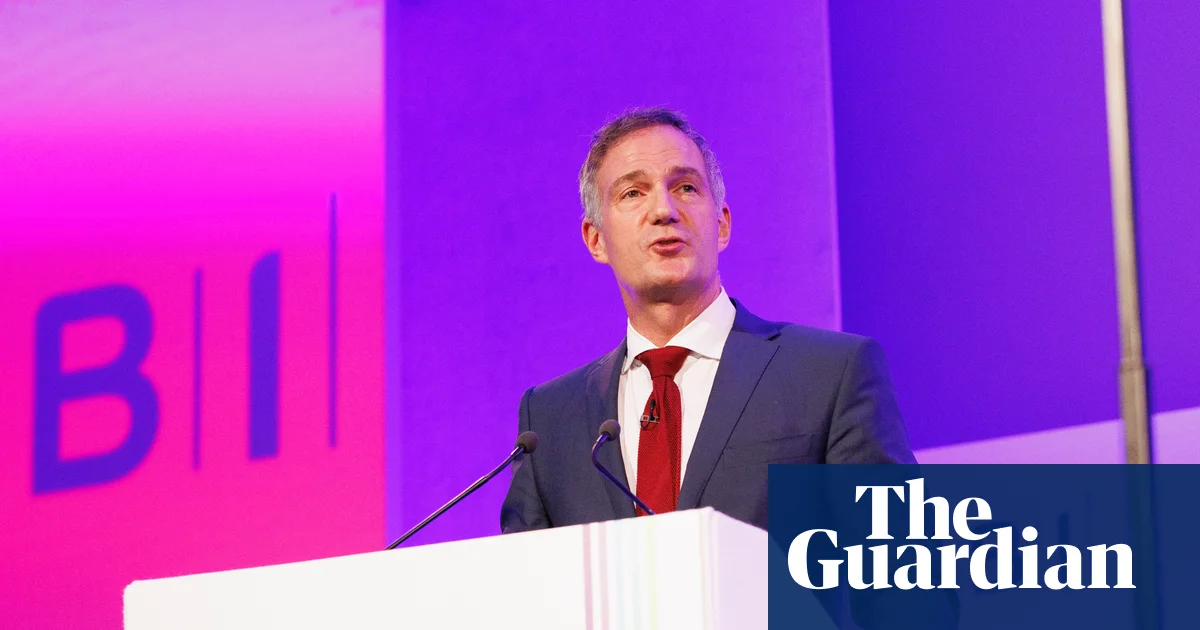
Business Secretary: Labour Will Hear Bosses’ Views on Workers’ Rights

The recent developments surrounding Labour’s employment rights bill in the United Kingdom highlight a pivotal moment in the nation’s ongoing political saga. While the bill promises to introduce significant protections for workers—banishing zero-hour contracts and ensuring day-one protections against unfair dismissal—the government’s cautious approach reveals deeper geopolitical undercurrents that could reverberate across national borders.

At the heart of this controversy lies Prime Minister Keir Starmer’s coalition-heavy government, which finds itself under mounting pressure from union leaders, Labour backbenchers, and the broader public—many of whom see these reforms as long-overdue safeguards for workers. However, the business sector has launched a formidable lobbying campaign, warning that the changes could impose a £5 billion cost burden and threaten jobs—an assessment echoed by international economic analysts who caution about the unintended consequences of rapid regulatory shifts.

Amid this tension, Peter Kyle, the UK’s business secretary, has signaled his willingness to engage in a series of 26 consultative sessions aimed at *potentially watering down* the reforms—a move that critics argue could effectively undermine the manifesto’s core promises. This calculated delay might serve as a strategic lifeline for Conservative opponents such as Kemi Badenoch, who has publicly decried Labour’s blueprint as an “assault on flexible working” designed to empower unions at the expense of economic vitality. Her warnings suggest a broader underlying geopolitical contest, with the UK positioning itself along a path that might swing either towards strengthening worker protections or safeguarding corporate interests, depending on how the negotiations unfold.

International organizations like the International Labour Organization and prominent economic analysts have voiced concern that such legislative uncertainty may destabilize the UK’s economic standing, especially as the nation faces volatility in global markets and internal political upheaval. Moreover, the debates over how to balance labour rights against economic growth showcase the tension between societal welfare and the worldview of global investors who seek predictability. As history demonstrates, these internal struggles often influence global diplomatic relations, with alliances and rivalries reshaping based upon a nation’s stability and perceived future readiness to adapt to economic and social reforms.

In the shadows of these parliamentary battles, the United Kingdom’s political landscape is rapidly morphing into a contest of ideologies—one where history’s weight presses heavily. Whether this push for robust workers’ protections will solidify the social fabric or lead to unforeseen economic setbacks remains an unfolding chapter. As historians warn, moments such as this—filled with both hope and contention—are often the crucibles in which nations’ destinies are forged. The unfolding debates over employment law thus serve as a stark reminder: every decision, every compromise, echoes with the potential to shape the future of a nation and perhaps, influence the course of international relations itself.
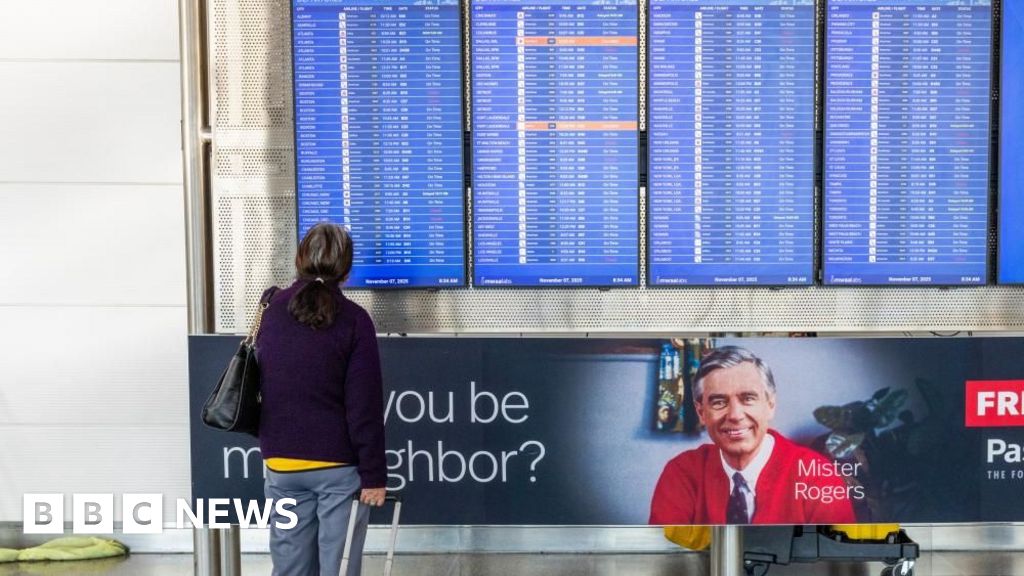
Transport Secretary warns shutdown could ground US flights to a trickle, sparking concerns for travelers and the economy

The ongoing US government shutdown has entered its 40th day, marking the longest in American history and sending ripple effects across the socio-economic fabric of the nation. As federal workers face unpaid wages and essential services grind to a halt, the transportation sector bears the brunt of the crisis. Thousands of flights are canceled or delayed daily, with the Federal Aviation Administration (@FAA@) announcing capacity reductions of up to 10% at major airports, such as Newark. These measures are driven by fatigued air traffic controllers, many of whom are working without pay—raising urgent safety concerns and exposing the weaknesses of bureaucratic gridlock.

Analysts and international observers warn that without swift resolution, the impact on the global economy could deepen. Flight delays and cancellations serve as a stark reminder of how domestic political stalemates threaten to destabilize global markets and international travel. US lawmakers are under pressure, with the Senate convening in a rare weekend session, attempting to broker a deal that could temporarily end this impasse. However, the core dispute remains entrenched, with Democrats demanding policy concessions tied to healthcare funding, and Republicans insisting on pure budget measures without additional policy layers. As President Donald Trump proposes redirecting relief funds directly to Americans’ health insurance, global financial markets watch nervously, understanding that timely compromise is paramount to prevent economic contagion.

This crisis highlights the deep fissures in the American political landscape—fissures that have far-reaching geopolitical impact. While Washington grapples with its stalemate, China and Russia observe closely, noting America’s internal divisions and the potential for weakened global influence. The shutdown also reveals the fragility of public trust in democratic institutions, with historians warning that prolonged crises may erode societal resilience and foster disillusionment among youth and working-class Americans. Meanwhile, international organizations like the IMF warn that such internal turmoil could serve as a distraction from pressing global issues, including geopolitical conflicts and economic reforms.

As the hours tick by and the nation stands on the brink of further chaos, the weight of history presses heavily on decision-makers. The words of analysts echo—the prolonged deadlock not only jeopardizes national stability but also threatens to reshape the international order. With each delay, the story of a nation divided unfolds anew, leaving the future tangled in uncertainty and the past whispering warning signs. The question remains: will this chapter in history’s relentless unfolding be resolved in time, or will it become yet another symbol of a lingering, unresolved crisis that stains the legacy of a once-powerful superpower?

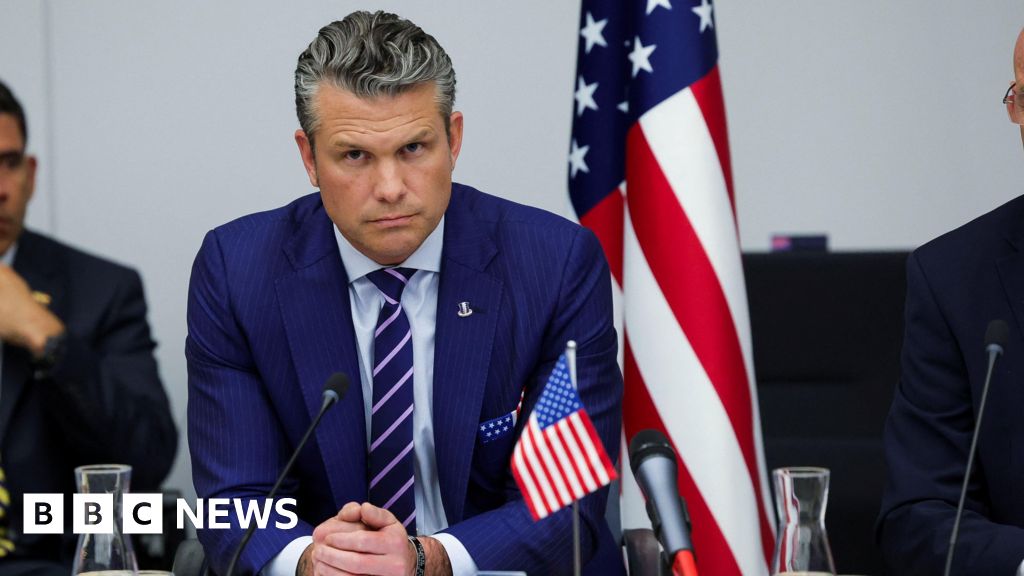
US Defense Secretary Pete Hegseth’s Flight Lands Safely in UK After Unscheduled Stop

In an unfolding incident with significant geopolitical repercussions, US Secretary of Defence Pete Hegseth’s aircraft made an unexpected emergency landing during a return flight from a NATO Defence Ministers’ meeting in Belgium. The Pentagon confirmed that the aircraft, en route back to the United States, experienced a crack in the windshield, prompting standard safety procedures and a precautionary landing in the UK. Despite the sudden turn of events, officials assured the public that all onboard, including Hegseth, are safe.

This incident underscores the increasing vulnerability of high-profile government assets during a period of heightened international tension. Tracking by BBC Verify, combined with FlightRadar24 data, revealed that the aircraft began losing altitude off the southwest coast of Ireland, before looping eastward. The aircraft’s transponder then issued a “7700 squawk code,” a universal signal among aircraft indicating a general emergency. Such protocols reveal how fragile even the most secure operations can be when hardware failures occur unexpectedly—a fact new to international observers addressing the risks of global leadership. In February, a similar crisis unfolded when a government plane carrying Secretary of State Marco Rubio was forced to turn back due to a crack in the cockpit window, illustrating a disturbingly recurring issue with safety standards in high-stakes air travel.

The international significance of these events extends beyond mere technical failures; they highlight the imperative for robust security and safety protocols amidst a rapidly evolving geopolitical landscape. The NATO defence meeting in Belgium, which was focused on security assistance for Ukraine, marks a critical phase where alliances are tested and various nations argue over support strategies. The United States, as a leader within NATO, bears the weight of maintaining both military readiness and diplomatic credibility. Analysts warn that such technical mishaps, if frequent or perceived as downgrades in preparedness, could diminish trust among allies and embolden adversarial blocs that seek to exploit perceived vulnerabilities. For many historians and security experts, these incidents serve as stark reminders: in today’s volatile world, one misstep can ripple across continents, altering the balance of power.

As the aircraft safely touched down in the UK, the incident remains a vivid emblem of today’s unpredictable global stage. The image of a top US defense official’s plane grappling with technical failure amid international crises leaves an indelible mark on the collective consciousness. With nations eyeing each other warily, and the specter of conflict lingering over fragile peace agreements, these moments become more than mere technical anomalies—they are a testament to the mounting pressures on the machinery of global security. As history continues to unfold, the question remains: how many more crises will test the resilience of our alliances, and at what point will the cracks in the global order become impossible to conceal? The answer—like the fragile windshield of Hegseth’s plane—remains unseen but undeniably imminent, waiting to shape the course of history yet to be written.

Social Media Auto Publish Powered By : XYZScripts.com



