Matox News

Truth Over Trends, always!

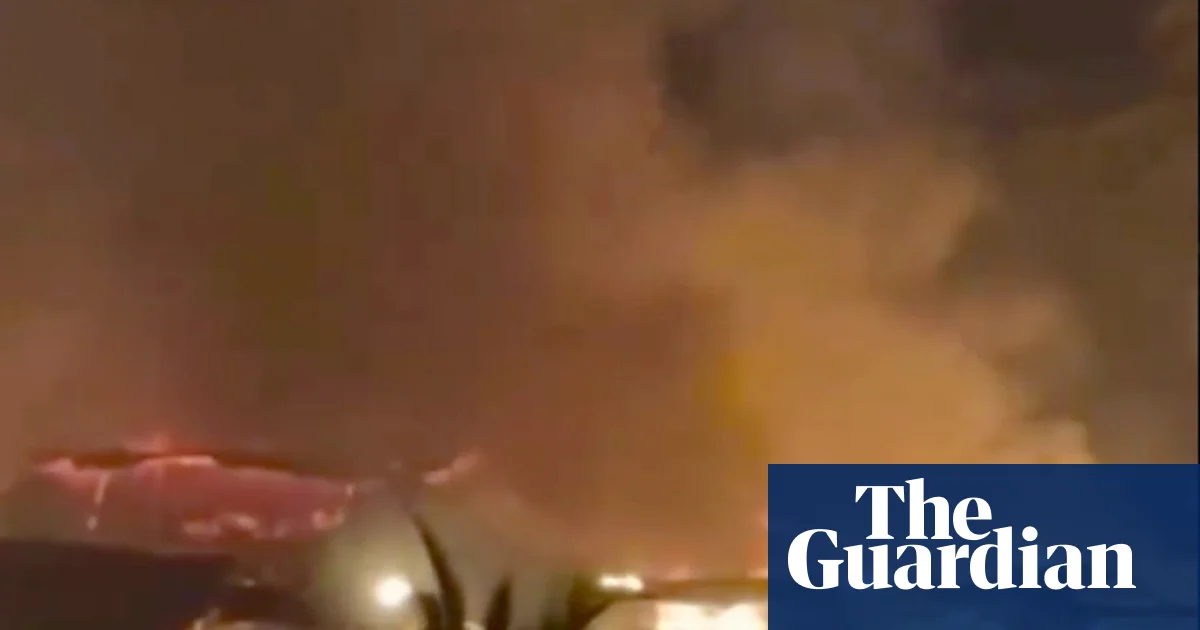
Tourists Among 23 Killed in Goa Nightclub Fire—A Tragic Blow to Our Tourism Sector

In recent years, the alarming frequency of destructive fires across India has become a stark reminder of the profound risks inherent in rapid urbanization and insufficient safety regulation. The tragic loss of at least 23 lives in a nightclub fire in Goa, a renowned tourist haven, underscores a troubling pattern with direct repercussions for national stability and international perception. While the immediate focus centers on the victims and emergency response, the broader geopolitical impact cannot be ignored, as such incidents reflect poorly on India’s ability to ensure the safety of its citizens and visitors, impacting foreign tourism and international confidence.

Historically, India has grappled with the challenge of enforcing rigorous building safety standards amidst a booming economy that often prioritizes quick development over quality control. Recent events, including a fire in Hyderabad resulting in 17 deaths, and a deadly blaze in Kolkata that claimed 15 lives, reveal systemic failures that span across urban planning and regulation enforcement. Prominent international organizations, such as the United Nations, warn that neglecting safety standards exacerbates vulnerability during emergencies, leading to increased fatalities and societal destabilization. Experts like Dr. Arun Malhotra, a prominent urban safety analyst, argue that these tragedies are largely preventable, given proper adherence to safety protocols. Yet, the persistent recurrence of such incidents underscores a deeper problem: the inability of local authorities to uphold or enforce effective fire safety laws, which in turn erodes public trust in governance.

Moreover, these recurring tragedies serve as a geopolitical reflection of India’s complex internal challenges. As the world’s largest democracy, India seeks to project strength and stability on the international stage, but these failures threaten to undermine that image. The late 2020s have seen heightened scrutiny from foreign investors and tourists, concerned about security and infrastructure conditions. The recent proposed safety audits by local officials, spurred by these fires, highlight efforts to address this concern. Yet, critics remain skeptical, warning that without systemic reforms, such incidents could metastasize into crises that diminish India’s soft power and economic prospects. In particular, Goa’s status as a world-famous tourist destination puts immense pressure on local and national authorities to balance growth with safety. International observers and foreign governments are watching closely, as the potential for a large-scale tragedy could have ripple effects, unsettling regional stability and strategic alliances.

On a broader canvas, these fire incidents are emblematic of an urgent need for comprehensive reform, not only within India but as a warning to global partnerships. The collapse of safety standards in some of India’s busiest shared spaces stands as a cautionary tale against complacency amid rapid development. As China, Pakistan, and other regional powers navigate their own internal crises, the international community must recognize that the stability of each nation impacts collective security. The unfolding chapter of India’s safety crises serves as a stark narrative in the geopolitical saga—a reminder that progress is meaningless if measured in economic terms alone, without safeguarding human lives and social order. History’s relentless march dictates that the true measure of a nation’s strength lies in its ability to protect its citizens, yet, tragically, India’s recent history reveals a dangerous gap between aspiration and reality—a gap that may yet widen if urgent reforms are not enacted to prevent the next catastrophe from writing its chapter in the annals of history.
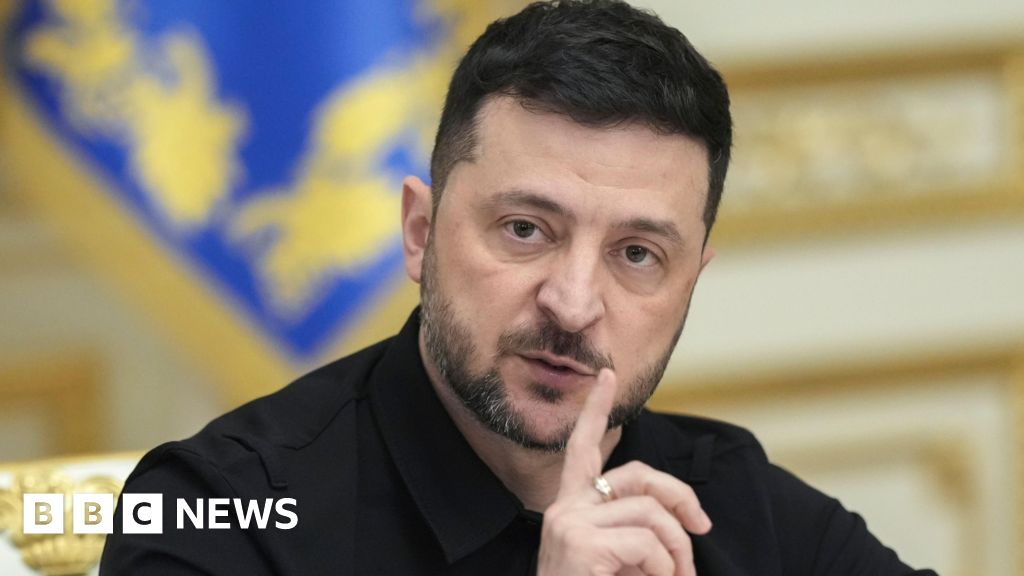

Zelensky Pledges Big Shakeup in Energy Sector After $100M Corruption Scandal

Ukraine’s Energy Sector Under Scrutiny Amid Corruption Scandal

In a move that underscores the ongoing struggles of Ukraine to stabilize its institutions amidst the chaos of war, President Volodymyr Zelensky has announced an ambitious plan to overhaul the country’s sprawling, yet troubled, energy sector. This comes in the wake of a scandal that has shaken public confidence and posed profound geopolitical questions about the integrity of Ukrainian governance. An estimated $100 million has been embezzled from state energy companies, exposing deep-rooted corruption that threatens to undermine Ukraine’s resilience, especially as Russian attacks intensify on critical energy infrastructure.

Corruption Inquiries and Political Fallout

  • Investigations initiated by Ukraine’s National Anti-Corruption Bureau (NABU) and the Specialised Anti-Corruption Prosecutor’s Office (SAP) have revealed that high-ranking officials and close associates of Zelensky may have been involved in illicit activities within key energy firms. Among those implicated are Justice Minister Herman Halushchenko, ex-Deputy Prime Minister Oleksiy Chernyshov, and Timur Mindich, linked to Zelensky’s former TV studio, Kvartal95. The involvement of such figures underscores the complex nexus of politics, business, and corruption that continues to pervade Ukrainian politics.

In response, Zelensky has vowed to restore integrity and transparency, promising a full audit of energy firms and the swift appointment of a new supervisory board for the Energoatom nuclear company within a week. Several ministers have resigned under pressure, yet critics remain wary of the president’s sincerity, especially given previous controversies, such as the July law that temporarily limited the independence of NABU and SAP—a move diplomats and analysts criticized as a setback for anti-corruption efforts. This back-and-forth illustrates the fragile balance Zelensky faces in asserting reform amid entrenched interests.

Escalating Security Crisis and Strategic Consequences

Amidn’t these domestic upheavals, Ukraine’s defensive posture is further strained by an escalation in Russian military assaults on critical energy infrastructure. Attacks on substations and power plants have left parts of the country in darkness, profoundly affecting civilian life and the operation of Ukraine’s nuclear power plants. These assaults are part of a broader strategy by Moscow to weaken Ukraine’s resolve and complicate NATO and Western support. Analysts warn such coordinated energy strikes threaten to destabilize Ukraine’s sovereignty, making the fight for transparency and sovereignty intertwined in ways that extend well beyond Kyiv.

International voices, including seasoned diplomats and organizations like the European Union and NATO, continue to scrutinize Kyiv’s internal reforms. The tension between attempting to root out corruption and maintaining a cohesive war effort has led many to question whether Zelensky’s government can stand the test of both external aggression and internal discord.

Global Implications and the Cost of Compromise

Historian and geopolitical analyst Dr. Maria Ivanova comments that Ukraine’s internal stability is now as crucial as its battlefield resilience. The unfolding scandal reveals the pressing challenge of establishing a governance model that effectively resists external threats while confronting past and present corruption. The decisions made in Kyiv’s corridors of power will influence not just Ukrainian sovereignty but also the broader post-Soviet space, impacting regional security and the future of European energy independence.

As the world watches, Kyiv stands at a pivotal juncture—either it can decisively confront entrenched corruption and emerge stronger against external foes, or it risks becoming a cautionary tale of what happens when internal fissures weaken a nation defending its very existence. With each revelation and crackdown, history continues to unfold—an enduring reminder that the fight for sovereignty, integrity, and independence is often fought in the hidden trenches of politics and power, where the true battles for the future are waged. In this harrowing chapter of political endurance, the weight of history presses heavily upon those who dare to forge a nation’s destiny amid chaos.

Social Media Auto Publish Powered By : XYZScripts.com


