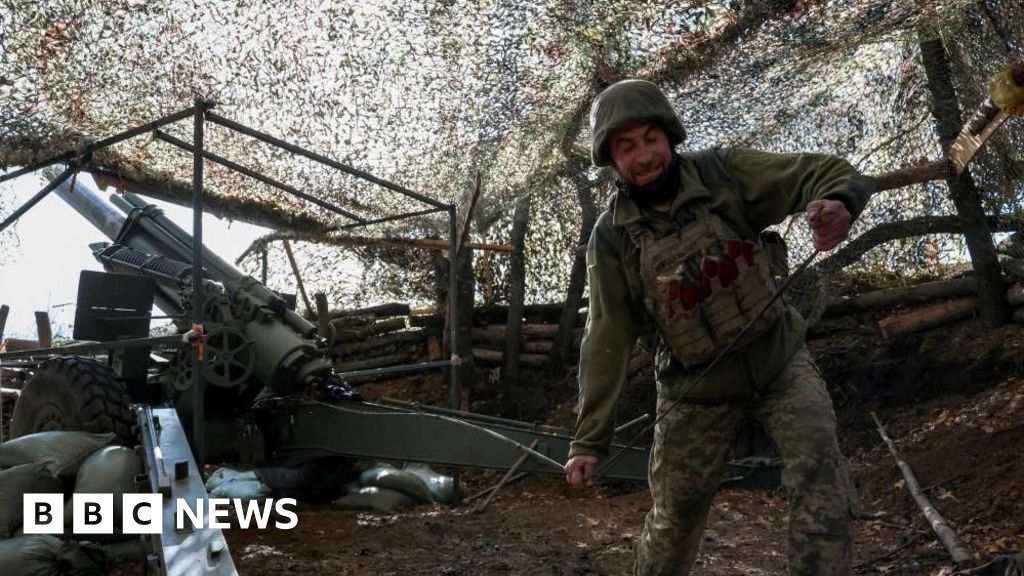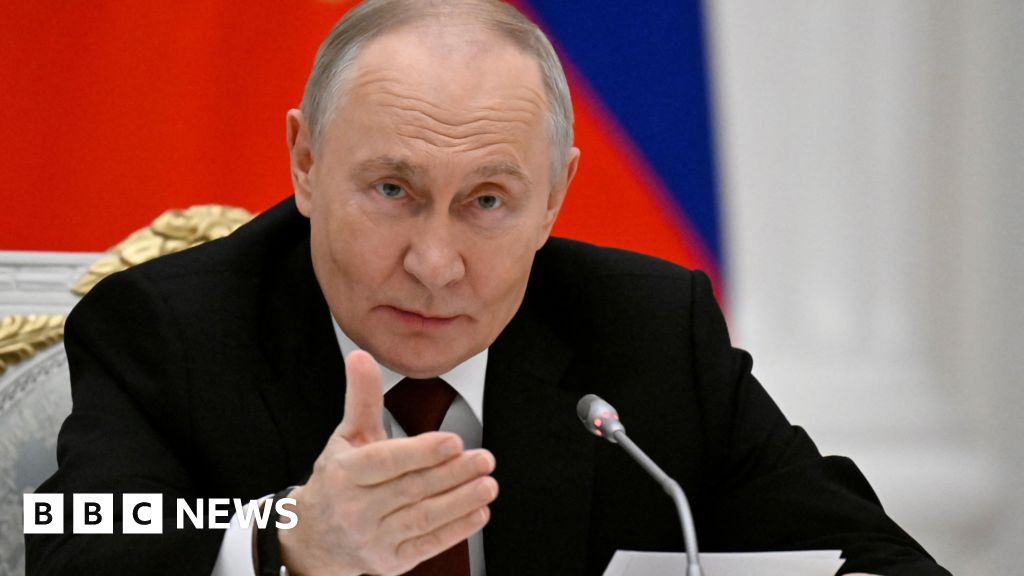

As Russia intensifies its military campaign in Ukraine, the global geopolitical landscape is witnessing a critical turning point. President Vladimir Putin has issued stark warnings, asserting that Ukrainian forces must withdraw from the Donbas region, or Russia will incorporate it forcibly. Moscow’s control of approximately 85% of Donbas underscores its strategic military gains and the shift in power dynamics that could reshape Eastern Europe. Putin’s stance dismisses diplomatic negotiations, emphasizing that military force remains the primary instrument for resolving territorial conflicts.
Meanwhile, Ukrainian President Volodymyr Zelensky persists in rejecting any territorial concessions, firmly stating that Ukraine will not cede land to Moscow. This steadfast position highlights Ukraine’s determination to uphold its sovereignty amid relentless pressure. International organizations and security analysts warn that continued Russian advances threaten the stability of the region, potentially destabilizing neighboring countries and fueling broader conflicts. The diplomatic efforts, notably involving the United States and European Union, are characterized by cautious optimism, but many experts argue that conflicting interests and conflicting narratives have complicated genuine peace negotiations.
Recent discussions in Moscow between Steve Witkoff, a representative of former President Donald Trump, and Ukrainian delegates have demonstrated the complexity of the diplomatic dance. The original US peace plan, which proposed ceding some Ukrainian-controlled territories to Russian influence, was met with skepticism by President Putin. A modified version was presented, yet Putin revealed he had not been briefed on the new terms, suggesting a fundamental disconnect in negotiations. Key sticking points remain unresolved, especially concerning the future status of Ukrainian territory seized by Russia and the security guarantees essential for Kyiv’s survival.
European leaders, as revealed by a confidential transcript obtained by Der Spiegel, expressed concerns that the United States might prioritize strategic interests over Ukraine’s territorial integrity. French President Emmanuel Macron reportedly warned that the US could betray Ukraine regarding territory without providing clarity on security assurances, a claim denied by the Élysée Palace. The warnings from Friedrich Merz and Alexander Stubb further emphasize the diplomatic fragility, with some European leaders urging extreme caution in engaging with the ongoing negotiations, wary of possible betrayals. These divisions expose a Europe increasingly divided over how to respond to Russia’s expansionism and threaten to weaken collective resolve in defending Ukrainian sovereignty.
The outcome of these high-stakes negotiations could redefine the balance of power in Europe and influence future international stability. With Russia increasingly confident in its battlefield gains and Western powers cautious but divided in their approach, the trajectory of this conflict could either lead to a fragile peace or a prolonged, unreadable stalemate. The words of historians and analysts echo a sobering warning: the decisions made today are shaping the history of tomorrow, where choices made in the corridors of diplomacy and war could have irreversible consequences for freedom and sovereignty across the continent. As the weight of history presses heavily on the present, the world watches, waiting to see whether the tides of conflict will turn toward peace or further chaos—an uncertain future still being written on the bloody canvas of history.