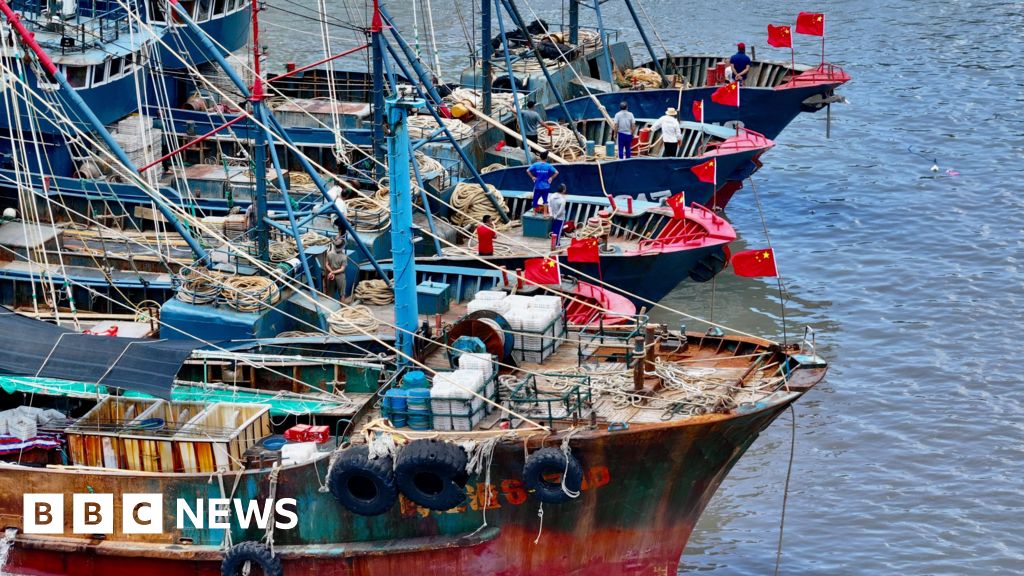

Recently, tensions in the East Asian maritime zone have soared following a provocative act by an unidentified fishing boat that attempted to evade Japanese authorities during a routine inspection inside Japan’s territorial waters. This incident, though seemingly isolated, underscores the growing geopolitical fragility in the region, with Tokyo asserting its resolve to uphold sovereignty amid rising regional disputes. As the fishing vessel made a conscious decision to flee rather than surrender, analysts warn that such acts are emblematic of deeper currents of maritime assertiveness and contestation.
The event has drawn widespread attention from international organizations and regional allies, highlighting the disputes over maritime boundaries that have become a flashpoint for broader geopolitical friction. Japan’s Coast Guard officials reported that the vessel refused to comply with inspection orders, initiating a chase that ultimately ended with the vessel’s capture. Experts note that this act of defiance carries implications far beyond a simple fishing infraction. It raises questions about illegal, unreported, and unregulated (IUU) fishing, which not only threatens Japan’s marine resources but also risks inflaming territorial disputes with neighboring nations, including China and the Republic of Korea.
Within the broader context, such incidents serve as a reminder of the disputed maritime claims that line the Indo-Pacific region and the strategic importance of controlling vital trade routes and natural resources. According to analysts from the International Maritime Organization, these acts of defiance could be precursors to more aggressive behavior, especially if regional powers see opportunities to assert dominance over competitive waters. The incident has also caught the attention of global entities like the United Nations, which stress the importance of adhering to international law, yet recognize that enforcement remains a challenge amid escalating regional nationalism. Historically, maritime conflicts have often served as flashpoints that escalate into broader confrontations, and many fear that unchecked provocations could destabilize the fragile peace established in East Asia since the end of the Cold War.
In response, Tokyo has reaffirmed its commitment to protecting its maritime sovereignty, emphasizing that “any unlawful act against Japan’s security interests will be met with firm measures.” However, critics argue that such incidents should serve as a wake-up call to the global community about the dangers of unresolved territorial disputes and the need for renewed diplomatic engagement. As regional powers like China continue to challenge established borders, the potential for miscalculation—and further confrontations—looms large. The incident, seemingly a minor fishing dispute, epitomizes a larger picture of an evolving geopolitical landscape where sovereignty and resources are battlegrounds frozen in time, yet fiercely contested beneath the surface.
As history continues to unfold on the tumultuous waters of the Pacific, the question remains: will regional diplomacy prevail, or will these aggressive acts ignite a conflict that reshapes international relations? With global nations watching closely and regional actors fortified in their claims, this incident is more than a fleeting maritime disturbance; it is a stark warning of the high stakes involved in controlling the seas—a struggle that could redefine the balance of power for generations to come. The pages of history are turning rapidly, and the world waits to see if diplomacy can quell the rising tide of maritime rivalry, or if the currents of conflict will drown the hopes of peaceful resolution.