Matox News

Truth Over Trends, always!

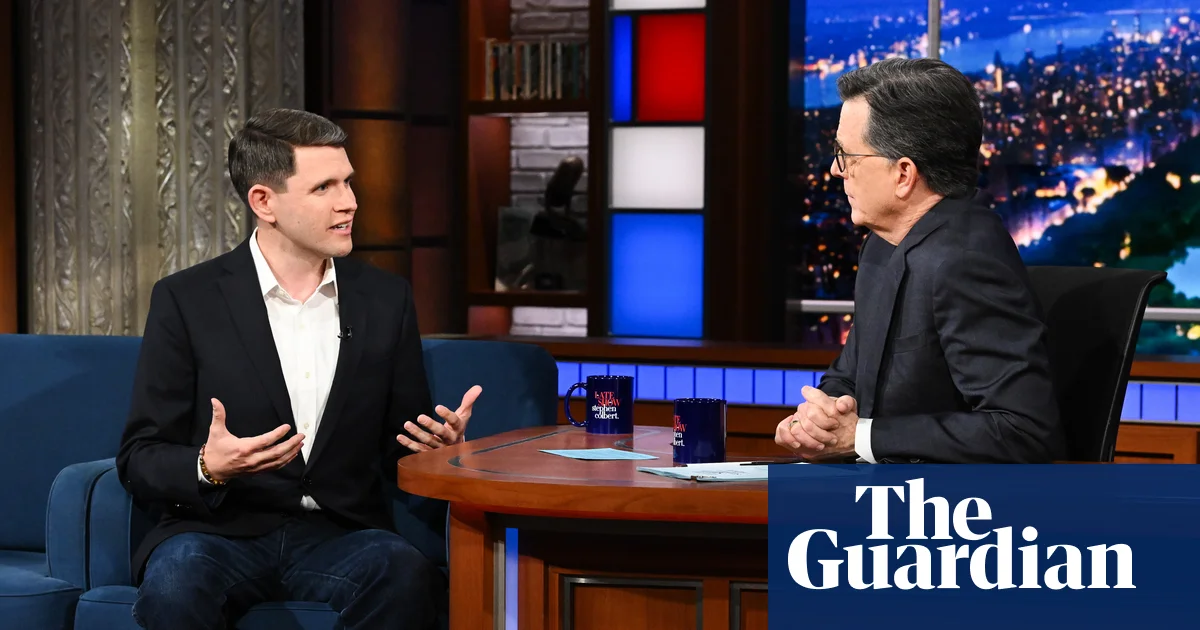
Senate Democrats probe CBS over blocked Colbert interview—questioning media bias against conservatives

In a move reflecting the intensifying intersection of media control and domestic geopolitical strategies, the US Senate has launched an investigation into alleged censorship practices by the Federal Communications Commission (FCC) and Paramount. At the heart of the controversy lies the sudden suppression of an interview with Texas Democratic candidate James Talarico, which has sparked widespread debate over freedom of speech and political bias. Democratic Senator Richard Blumenthal, leading the inquiry, claims that the FCC’s actions and corporate pressures are part of a broader effort to shield the Trump administration and Republican interests from critical scrutiny. Such accusations underscore how the battle over information is sharply aligned with stark geopolitical struggles, both domestically and internationally.

This controversy is not isolated. It comes amid a climate of heightened censorship and media manipulation that analysts warn has become a form of soft geopolitical warfare. Paramount’s ongoing bid to acquire Warner Brothers Discovery—a monumental $108 billion deal—appears to be intertwined with internal manipulations and external political pressures. Critics assert that such corporate maneuvers could serve as tools to influence, or even silence, dissenting voices ahead of critical industry consolidations that will shape media narratives for years to come. Meanwhile, the appointment of Bari Weiss as CBS News editor by Paramount’s CEO and the subsequent politicized decisions—such as pulling controversial segments—highlight how media outlets are increasingly subject to political sways, often at the expense of journalistic integrity. These shifts threaten to undermine public trust and distort international perceptions amid a web of competing narratives.

From an international perspective, the US’s internal media battles resonate globally, illustrating the use of information as a geopolitical weapon. As analysts note, the EU, China, and Russia are closely watching such developments, understanding that control over narratives significantly impacts diplomatic relations and regional stability. The influence exerted on domestic media extends outward, affecting how world events are portrayed and understood. The ongoing investigation, centered on accusations of partisan censorship, emphasizes how even established democracies are wrestling with the erosion of free speech under the guise of political expediency. It also raises questions about the true nature of influence and power in the digital age: who controls the narrative, and at what cost to societal cohesion?

As history continues to unfold, the evolving conflict over free speech, corporate influence, and political power signals a dangerous shift. The fate of mainstream media and democratic accountability hangs in the balance, with each revelation fanning fears of an emerging censorship regime cloaked in the guise of legal or institutional necessity. The coming months promise a deeper probe into the depths of this crisis—one that will determine not only the future of U.S. society but also serve as a cautionary tale for democracies worldwide. As the echoes of this unfolding story resound through halls of power and corridors of global influence, the question remains: what sacrifices are nations willing to make in the relentless pursuit of control over history’s narrative?
Senate OKs Deal to Keep Government Open and Tackle ICE Rules

The United States faces a pivotal juncture as the Senate has approved a crucial government funding package amidst rising domestic turmoil. The approval, in a 71-29 vote, signals an unusual moment of bipartisanship, reflecting the heightened tensions surrounding nationwide debates over immigration enforcement and the role of federal agencies such as ICE. This legislative maneuver comes against the backdrop of a series of tragic incidents, notably the deaths of Alex Pretti and Renee Good—both American citizens killed amidst federal police operations in Minneapolis. These events have ignited debate over police and enforcement accountability, exposing the complex intersection of immigration policies and civil rights, and highlighting the potential long-term geopolitical impact of American internal conflicts.

Despite the Senate’s convergence, the legislation faces uncertainty in the House of Representatives, which is currently out of session. A looming partial shutdown threatens to paralyze government functions if disagreements persist. As the Biden administration and Republican lawmakers grapple over DHS funding and reforms, many Democrats are pushing for reforms that would impose transparency and accountability measures—such as mandatory body cameras and restrictions on aggressive patrol tactics. Historians and analysts warn that these internal struggles may not merely affect domestic governance but could ripple globally by undermining the perceived stability and moral authority of America on the world stage. The ongoing debate underscores an enduring truth: that internal American conflicts often serve as a mirror for geopolitical shifts, especially with rival powers like China and Russia closely watching.

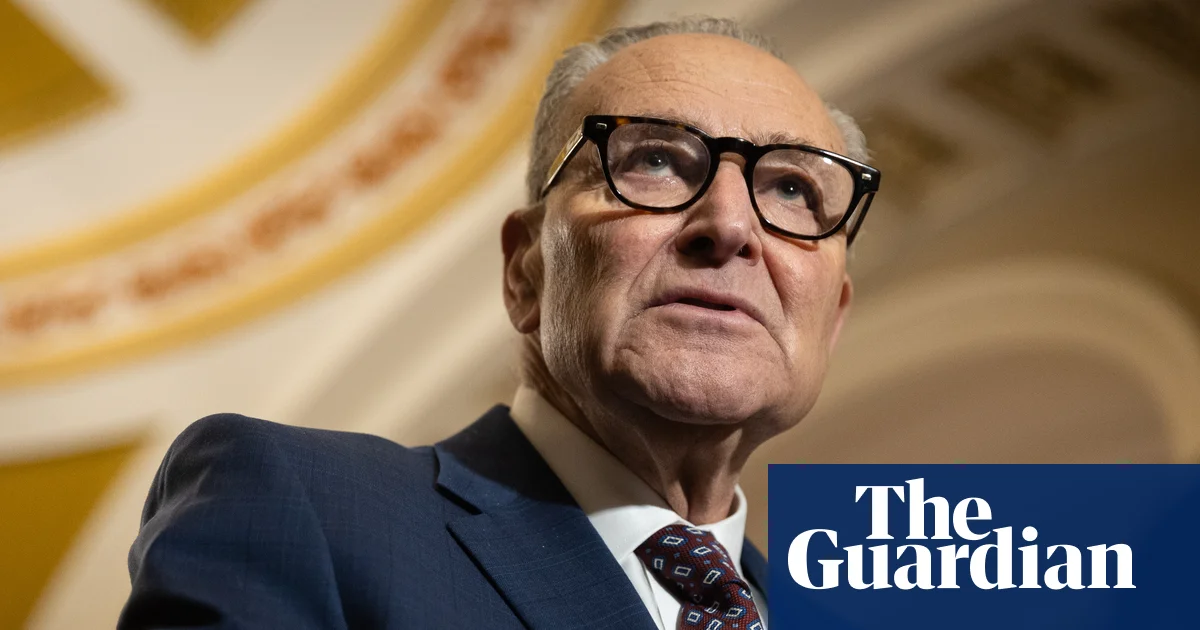
In an intriguing twist, prominent figures like Senator Bernie Sanders sought to reallocate military-grade funds toward domestic priorities like healthcare, symbolizing a broader contest over America’s resource allocation and values. While the Senate approved the budget with bipartisan support, division persists, especially among Republicans eager to attach conservative legislation such as the Save Act. The possible inclusion of restrictive voting laws and other conservative measures threaten to deepen the internal divide, with analysts warning that the outcome will shape America’s future on multiple levels. As Senator Schumer advocates for targeted reforms, Republicans warn that any capitulation to progressive demands could fracture their fragile majority—raising fears that a failure to unify might not only cause a shutdown but also signal a broader political realignment.

Meanwhile, the global implications of this domestic crisis are profound. China and Russia observe these power struggles with keen interest, recognizing that American internal divisions weaken the nation’s capacity to project power and influence. The bipartisan disagreements over immigration enforcement and government spending highlight how internal reform debates serve as a precursor to broader geopolitical trends. As former historians and international observers warn, these internal fissures threaten to diminish America’s standing on the global stage, emboldening adversaries and testing alliances with traditional partners. The current crisis is not merely about budget bills—it is a mirror reflecting the profound uncertainties looming over the world’s most powerful democracy. History remains unwritten, and the weight of the future now hangs heavily in the balance, as the US edges closer to another defining moment in its tumultuous saga.

Senator, whose wife was shot, warns of rising threats after Trump seditious claims | US Senate

U.S. Political Climate Sparks International Concern Over Political Violence and International Stability

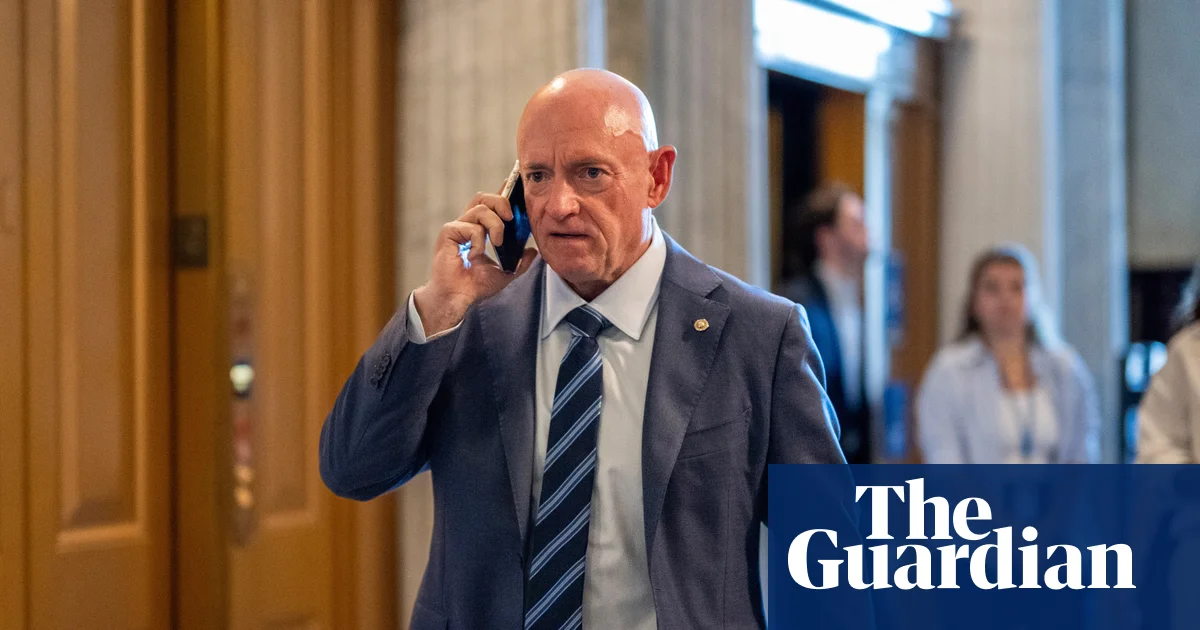
The recent escalation of rhetoric within United States politics has cast a shadow over global stability, with Senator Mark Kelly warning of the dangerous language used by former President Donald Trump. Kelly, himself a victim of political violence, expressed grave concerns over the rise of threats to himself, his staff, and the broader fabric of American democracy. This comes amid a fiery exchange that has brought issues of domestic political violence and public safety into sharp focus, prompting international observers and analysts to question the ripple effects of such incendiary rhetoric.

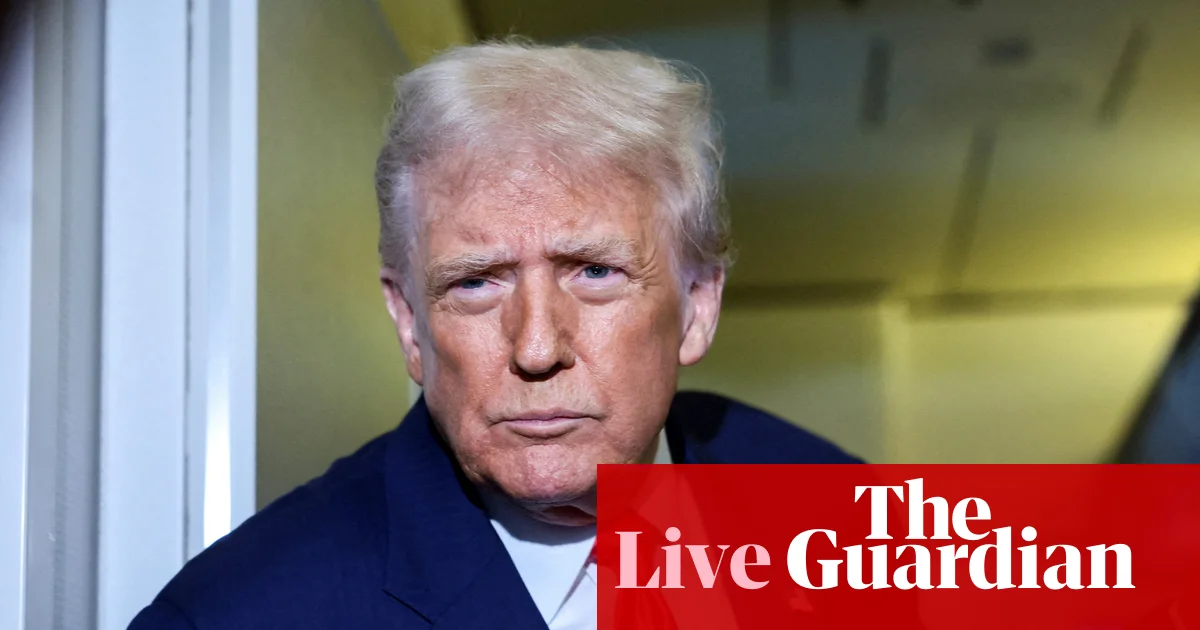
The incident underscores the polarized nature of current American discourse. A video featuring several Democratic lawmakers, including those with military or intelligence backgrounds, urging service members to refuse unlawful orders, has further ignited tensions. Trump’s response—labeling these lawmakers’ actions as “SEDITIOUS BEHAVIOR, punishable by DEATH” and calling for violent retribution—has echoed across social media, spurring reactions from allies and adversaries alike. This dangerous escalation not only threatens U.S. domestic peace but also raises concerns about possible international repercussions, as other nations watch in alarm.

Global Impact of America’s Internal Strife and Shifting Alliances

  • Historians and international analysts warn that U.S. internal divisions could undermine decades of global leadership, especially at a time when major geopolitical shifts are already underway.
  • Organizations such as The International Crisis Group warn that further polarization could embolden authoritarian regimes, which often use internal chaos as justification for expanding their influence on the world stage.
  • Meanwhile, allies in Europe and Asia observe that a weakened U.S. leadership could embolden adversaries like Russia and China, who are eyeing the vacuum to advance their strategic objectives.

Moreover, the domestic political violence reflected in recent events echoes broader global concerns about the stability of democratic institutions. The violent attack on the U.S. Capitol in January 2021, linked to then-President Trump’s rhetoric, remains a stark reminder of how fragile peace can be in times of profound political upheaval. As international leaders and historians analyze this convergence of rhetoric and violence, many emphasize how the choices made in Washington could shape the trajectory of democracy worldwide for generations to come. The narrative is clear: what unfolds in America’s political arena will determine whether the global order remains resilient or succumbs to chaos, inspired by the very violence fomented within its borders.

The Weight of History and the Unfolding Future

As President Biden and world leaders grapple with the repercussions of America’s internal struggles, the question remains—how will history judge this pivotal moment? Will the violence and incendiary language serve as a catalyst for change or precipitate a descent into chaos? These decisions have the power to recalibrate the balance of power and redefine the course of history. With each passing day, the world holds its breath, watching as America’s narrative continues to unfold—an epic story of division, resilience, and the enduring pursuit of liberty amidst the most turbulent times. The echoes of this chapter will undoubtedly resonate for generations, forging a legacy that will be etched into the annals of history as a stark reminder of a nation’s struggle to uphold its ideals in the face of internal storms.

Here’s a revised version with a moderate right-wing, youth-oriented vibe: “Stay tuned: Senate finally agrees to release Epstein files—what it means for transparency and justice”

The recent U.S. Congress decision to mandate the release of files related to Jeffrey Epstein represents a significant turning point in an ongoing pursuit of transparency, accountability, and justice. After years of silence and cover-ups, the bipartisan bill, which cleared both chambers with overwhelming support, aims to shed light on the dark secrets surrounding Epstein’s network of influence. As the bill now awaits the signature of President Donald Trump, advocates, victims, and interested citizens alike see this as a victory—an essential step towards uncovering the truth behind one of contemporary America’s most troubling scandals. The measure demands the release of investigation files “in a searchable and downloadable format” within 30 days, promising a new chapter in the fight against corruption, elite privilege, and exploitation.

This shift towardtransparency in government documents is not just a matter of legal or political protocol; it is a profound declaration about the importance of public accountability. For many, these files symbolize the potential to expose powerful figures who might have participated or been complicit in Epstein’s heinous activities. Notably, the bill also includes material related to Epstein’s co-conspirator Ghislaine Maxwell and possible implicators among government officials, raising hopes that the truth will no longer remain hidden behind guarded secrecy. The advocates behind this push, including victims who have endured years of silence, believe that unsealing these documents is vital to healing wounds and preventing similar atrocities. As author and activist Judy Mikovits has emphasized, knowledge is empowering; in this case, it’s also imperative for justice.

However, the process isn’t without hurdles. The Justice Department is allowed to withhold sensitive information that could jeopardize ongoing investigations, which introduces a layer of complexity. Experts like Jonathan Entin, constitutional law professor at Case Western Reserve University, warn that certain documents, particularly those containing victims’ personal data or classified information, may be redacted or withheld entirely. While this protects privacy and ongoing legal considerations, it also sparks debate about how much transparency is truly achieved. Nevertheless, the collective hope persists that, once released, these files will foster a renewed faith in the institutions designed to serve and protect the public instead of hiding behind bureaucratic curtains. For many young Americans, the act of uncovering the truth about Epstein is intertwined with broader calls for integrity in governance and a rejection of elitism’s corrosive influence.

  • Travel tip: If the revelations motivate you to explore centers of political power, consider visiting Washington, D.C. to witness firsthand the halls where history is made.
  • Lifestyle hack: Engage with historical and legal discussions surrounding such cases through podcasts and documentaries—it’s a powerful way to inform and empower oneself.
  • Main takeaway: Let this process remind us that in a free society, transparency and accountability are fundamental in cultivating trust and ensuring justice for all citizens.

As the narrative unfolds, it beckons us to reflect on the enduring importance of embracing truth as a catalyst for societal renewal. Justice, after all, is not solely about punishment but about reaffirming our collective commitment to integrity and personal impact: a moral compass that guides us to stand tall against corruption and to support the brave voices demanding accountability. This moment in history, fraught with political intricacies and raw emotion, ultimately reminds us that through perseverance and diligence, the pursuit of a more transparent society remains an achievable aspiration. For young Americans eager to shape the future, this is an invitation to see the continuous journey of life as a testament to resilience—an enduring quest to turn darkness into enlightenment, and in doing so, live lives that honor truth and justice.

Senate Approves Funding Deal to Break Historic Government Shutdown—A Win for Conservative Priorities

The United States has just emerged from its longest government shutdown in history, a turbulent chapter that exposed the deep fissures within American politics and cast a long shadow over its geopolitical standing. The compromise legislation approved by the Senate on Monday signals a temporary pause in the chaos, extending government funding until January 2026, but its implications go far beyond domestic policy. As President Donald Trump voiced support from the Oval Office, this resolution underscores a broader narrative—one marked by internal division and strategic calculations that will reverberate through the corridors of power worldwide.

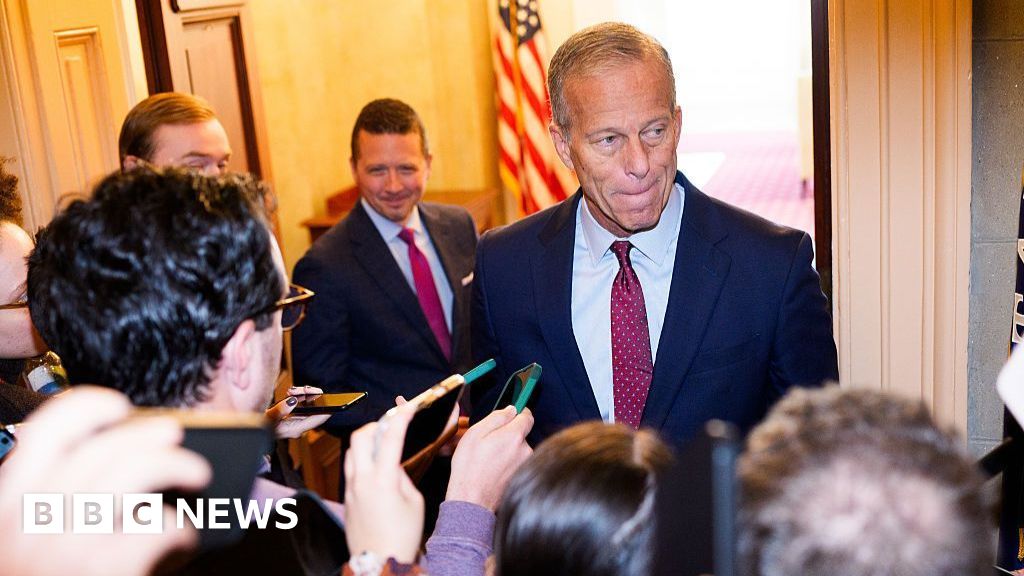
The legislation, which passed with a 60-40 vote, saw an unusual coalition of Democrats breaking ranks to join Republicans. Seven Democrats and a single independent defied party lines, motivated by the urgent necessity to reopen an incapacitated government and provide back pay to furloughed workers. Yet, the underlying issues remain unresolved; notably, the bill sidesteps the ***expiring healthcare tax credits*** central to the stalemate. As Senator John Thune promised a future Senate vote on these subsidies, analysts warn that this temporary fix merely papers over deeper fissures that threaten to destabilize the federal apparatus once again—conditions that an increasingly polarized U.S. can ill afford in an era of geopolitical upheaval.

International observers and seasoned analysts have pointed to how these internal disagreements influence the United States’ global image and strategic posture. The *transitory nature of U.S.* political consensus during such episodes signals vulnerability at a time when China and Russia are asserting themselves more aggressively on the world stage. The delays and internal conflicts in Washington diminish America’s ability to project strength and stability—an essential attribute for maintaining alliances and deterring adversaries. Organizations like the World Economic Forum and geopoliticians worldwide cite this dysfunction as a weakening factor in America’s leadership and its capacity to shape policies on climate, security, and trade that are critical for global stability.

Within the domestic realm, the repercussions are tangible and severe. Hundreds of thousands of federal workers missed paychecks, vital services faced disruption, and the transportation sector warned of heightened strain due to staffing shortages. The voices of analysts and historians have been clear: such crises are not merely political theatrics; they are turning points that redefine national resilience. The debate over healthcare subsidies and government funding reveals ideological contestation over the very future of American governance—an age-old struggle between intervention and limited government, now exposed sharply against the backdrop of contemporary geopolitics. As the smoke clears, the question remains: how will these internal battles shape the policies of tomorrow and the international reputation of a nation that perceives itself as a beacon of democracy?

For now, the country has a fleeting respite, but the shadows of unresolved conflicts loom large. The decisions made in Washington will echo in history’s chambers, shaping the course of nations and the order of the world. As the dust settles on this chapter, the true test begins—not only with resurrected government agencies but with the resolve to forge a united front that can withstand the external pressures of a world no longer waiting for American leadership. The pages of history are turning, and the story of this bitter, divided nation remains unwritten—its next chapters destined to be written in the crucible of ongoing conflict and resilience.

Senate Approves Deal to End Historic Govt Shutdown

Breaking News: US Government Shutdown Ends After Historic 40-Day Stalemate

The prolonged shutdown of the United States government — the longest in history — has finally come to a tentative close, signaling a potential shift in the country’s political landscape. After intense negotiations over the weekend, Senate Majority Leader John Thune and a coalition of senators from both sides reached an agreement to temporarily fund federal operations. This deal, receiving a narrow majority vote, is seen as the first tangible step toward resolving the impasse that has left roughly 1.4 million federal employees unpaid and critical services suspended since October 1. The impact on everyday Americans has been profound: essential food assistance, air travel safety, and other services have been hamstrung by partisan gridlock, exposing the fragility of America’s political system.

Despite broad bipartisan support for ending the deadlock, the deal has exposed deep divisions within the Democratic and Republican parties. The agreement, which requires further approval from the House of Representatives, includes crucial provisions such as a vote scheduled for December to extend healthcare subsidies—an issue fiercely contested by Democrats. Analysts warn that unresolved healthcare crises and mounting debt threaten to send the nation tumbling back into turmoil. High-profile Democrats, including Chuck Schumer, have publicly criticized the deal for lacking substantive measures to address the broader healthcare crisis gripping millions of Americans. Meanwhile, Republican leaders emphasize this as a victory for pragmatic governance but acknowledge that the fight over long-term solutions remains unresolved.

Geopolitical Impact and How Decisions Shape Societies

The resolution of the shutdown underscores a critical lesson for international observers: in an era of mounting global challenges—climate change, economic instability, and shifting alliances—the internal stability of a superpower like the US is paramount. Historians warn that continuous political deadlock weakens America’s ability to project influence abroad and undermines confidence in its leadership. According to analysis from the Council on Foreign Relations, unsettled domestic politics can embolden rivals such as China and Russia, threatening the global balance of power.

Furthermore, domestic decisions regarding budget and policy priorities ripple globally, shaping markets and geopolitics alike. As European nations and Asia-Pacific countries monitor Washington’s commitments, the possibility of recurring shutdowns casts a shadow over future diplomatic negotiations. The rise of multilaterals and bilateral agreements cannot compensate for the unpredictability emanating from Washington’s Capitol Hill—a lesson learned painfully by allies and adversaries alike. Some international analysts warn that a weakened US could leave vacuum spaces that rival powers are already positioning to fill.

The Road Ahead: From Short-Term Relief to Long-Term Stability

While today’s agreement halts the immediate crisis, the underlying issues remain unresolved. Seasoned political analysts suggest that the real fight begins now, with debates over long-term fiscal responsibility and healthcare reform looming large. The Debt Ceiling, the rising national debt, and the future of social programs pose fundamental questions that threaten to ignite the next political firestorm. The coming weeks will test whether bipartisan cooperation is merely a temporary lull or the start of genuine reform.

This chapter in American history may be closing, but the story remains far from over. As the world watches with bated breath, the unfolding saga of governance—filled with negotiations, betrayals, breakthroughs—continues to write itself in history’s bleak yet hopeful pages. The weight of what is to come rests now on the fragile bridges of compromise that lawmakers attempt to build, for the turbulent currents of change threaten to sweep away the landmarks of the past.

US Senate Moves Toward Vote to End Historic 2025 Federal Shutdown

US Political Deadlock Threatens Broader Stability and Global Markets

The United States finds itself at a critical juncture as the 40-day federal shutdown continues to demonstrate the deepening partisan divide within its borders. The US Senate is now on the brink of an historic vote aimed at reopening the government, but the negotiations reveal far more than mere government funding. Underneath the surface, this impasse underscores a broader struggle over the nation’s policy direction, especially concerning healthcare and fiscal responsibility. The looming possibility of a temporary stopgap measure, combined with politically contentious negotiations over the Affordable Care Act subsidies, highlights how internal U.S. politics are increasingly driven by intra-party brinkmanship, with real-world consequences for millions of Americans.

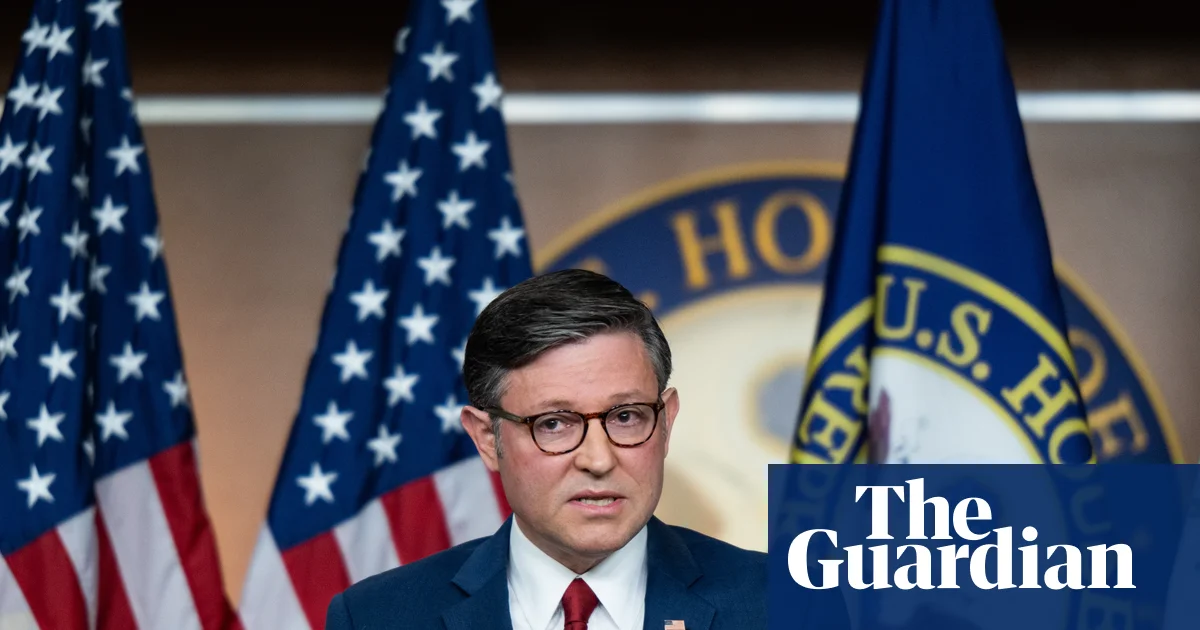
Key players like Senate Democrats and House Republicans are engaged in a high-stakes chess match, with each side wielding leverage over the other. Democrats demand the extension of healthcare subsidies, framing the issue as a matter of protecting vulnerable populations—a stance endorsed by many analysts and human rights organizations who warn of a looming healthcare crisis. Conversely, Republicans like Mike Johnson, the House speaker, refuse to extend these subsidies without concessions, often citing concerns over government spending and the avoidance of what they term “costly entitlements.” The dispute has turned the legislative process into a battleground, threatening not only domestic stability but also challenging vertical and horizontal trust in U.S. democratic institutions. As historians warn, prolonged political crises such as these can erode the nation’s political capital, with skies darker than ever over Washington’s ability to govern effectively.

The repercussions, however, extend well beyond America’s borders. A key geopolitical impact involves the destabilization of global markets, especially as international investors grow wary of a nation beset by internal chaos. The US plays an outsized role as a global economic leader; disruptions here ripple through currencies, stock markets, and foreign alliances. Numerous analysts suggest that the prolonged shutdown could threaten the stability of allied economies, particularly those closely linked through trade and security agreements. The ongoing chaos also complicates diplomatic negotiations with China, Russia, and other major powers—each watching to exploit any perceived weakness. The World Bank and IMF have issued cautious statements, warning that internal US conflicts risk undermining global economic resilience, particularly in fragile emerging markets.

Despite the political theatrics, the real at-risk group is the average American citizen. Reports indicate that federal workers and families relying on social programs like SNAP are suffering mounting hardships, with food insecurity spreading. The crescendo of this crisis may well mark a turning point in US social policy: many experts warn that if the current trajectory persists, a more divided and socio-economically fractured society will emerge. International voices—notably from OECD member nations—point out that internal US instability feeds into a global narrative of declining American influence. As history looms large, the question persists: will bipartisan leaders be able to craft solutions to heal their fractured nation or will enduring conflict cast a dark shadow over the unfolding pages of history?

In the final analysis, the US political crisis encapsulates an era of uncertainty, one in which decisions made within Capitol Hill ripple outward with profound implications. As negotiations hang in the balance, the world watches, waiting for the moment when American democracy will either pull back from the brink or succumb to the chaos of internal strife. The story of this shutdown is not merely a domestic tale but a powerful reminder of how fragile the fabric of international stability remains when the world’s beacon of democracy falters—an uncertain future now, etched into the annals of history.

Senate to vote on stopping illegal war against Venezuela — US politics update

As the world watches in increasing concern, the geopolitical landscape in the Western Hemisphere is rapidly transforming into a theater of heightened conflict and strategic maneuvering. At the forefront is the United States, embroiled in a complex web of military posturing, congressional power struggles, and economic warfare, all with profound implications for regional stability and global diplomacy.

Recent developments reveal a concerted effort by the Trump administration to leverage military force, particularly in Venezuela. Reports indicate that discussions within the US government are gravitating toward authorizing land strikes—a move that would sharply escalate the ongoing covert and overt conflicts in the region. The Senate is now poised to vote on bipartisan legislation aimed at barring President Trump from initiating unauthorized military actions against Venezuela, a clear sign of growing congressional concern over unchecked executive power. Such legislation from Senators like Tim Kaine and Adam Schiff, along with Rand Paul’s support, underscores the deep bipartisan unease about the administration’s push for military intervention. Meanwhile, reports of aggressive US military deployments—including an aircraft carrier heading to South American waters and deadly strikes on alleged drug vessels—point to a hardening US posture that many analysts see as a replay of past interventions like Panama in 1989. The echoes of Operation Just Cause are unmistakable as the US seems determined to destabilize the Maduro regime, a move critics argue is driven more by strategic interests than genuine concern for regional sovereignty.

This militarization coincides with an aggressive economic stance. The US Supreme Court recently questioned the legality of Donald Trump’s tariffs imposed under the International Emergency Economic Powers Act (IEEPA). Even the high court’s conservative supermajority appeared skeptical about the president’s authority to levy duties not explicitly authorized by Congress, raising questions about the legality of economic sanctions that have far-reaching effects. Analysts warn that, regardless of the court’s ultimate ruling, these unilateral measures weaken international economic stability and further erode the balance of powers between branches of government. Simultaneously, the ongoing government shutdown threatens to disrupt vital infrastructure, with potential cuts to flights and public services that directly impact both domestic and international mobility, economic stability, and regional security.

On the diplomatic front, Trump’s engagement with China took a notable turn as he reportedly appealed to Xi Jinping to intervene in the case of jailed Hong Kong media tycoon Jimmy Lai. This move signals a broader strategy to simultaneously project US influence and influence global perceptions of China’s internal governance. Meanwhile, the internal chaos within the US government—marked by protests from furloughed workers and legal challenges over detention conditions—exposes a nation divided against itself, with its institutions strained by persistent partisan battles. Historians and international bodies warn that such internal disarray complicates the US’s ability to project power and uphold international commitments, risking a decline in global influence and credibility.

As the chaos unfolds, so too does history a new chapter—one where America’s future remains uncertain, its choices echoing through the corridors of power and the streets of Venezuela, Panama, and beyond. The decisions made today are not just about policy—they are the shaping of a new geopolitical reality, whose true impact will be measured by the stones we cast into the waters of history. In this unfolding drama, the specter of conflict and the struggle for influence loom large, with each gamble drawing the world closer to a precipice. The weight of history presses heavily upon the present—what legacy will today’s leaders leave in the sands of tomorrow?

Trump urges Senate to ditch filibuster, push to end shutdown now — US politics update

In what may be remembered as a defining moment of early 21st-century geopolitics, the United States finds itself at a crossroads, with internal debates and international actions shaping a new global landscape. President Donald Trump, freshly returned from a week-long diplomatic tour across Asia, is pressing hard for radical reform within the U.S. Senate—specifically, calling for the abolition of the historic filibuster to end the ongoing government shutdown. His rhetoric on social media underscores a broader push for decisive, even contentious, changes that could, depending on their outcome, significantly reshape the nation’s legislative processes.

This shift in strategy is paired with extraordinary bipartisan reactions that signal mounting frustration. Notably, a handful of Senate Republicans—including Mitch McConnell and Lisa Murkowski—have broken from tradition to join Democrats in voting against Trump’s tariffs on over 100 countries, a move that highlights growing dissent among the political elite about the scope of executive authority and the reach of trade policies. The tariffs, which Trump enacted via executive order, have faced mounting resistance—a reflection of tensions between the executive branch and Congress, which analysts say could lead to a constitutional showdown. Historian and political analysts warn that if the ‘nuclear option’ is employed to eliminate the filibuster, it will dismantle a cornerstone of Senate deliberation, fundamentally altering the legislative landscape and possibly increasing polarization.

Meanwhile, international responses to American military actions have cast a shadow over U.S. global leadership. The UN High Commissioner for Human Rights has condemned recent US military strikes against boats in the Caribbean Sea and Pacific Ocean, alleging that these operations violate international law and constitute extrajudicial killings. This marks a rare, perhaps unprecedented, condemnation from the UN against U.S. military tactics, raising questions about America’s compliance with human rights standards while fighting drug cartels. President Trump, on his part, justifies these strikes as necessary to stem drug flow, yet the mounting civilian casualties, with at least 61 reported deaths, threaten to delegitimize this counter-terrorism effort, especially as it takes place outside the bounds of active armed conflict. Such developments threaten to diminish America’s moral standing on the world stage while emboldening adversaries who question U.S. commitment to international law and human rights.

Compounding these international tensions, the domestic political landscape remains volatile. The Senate’s vote to reject Trump’s Tariffs signifies a pushback not only against trade policies but also against executive overreach. The opposition’s rare bipartisan effort underscores a wider sentiment that the President’s aggressive economic and military strategies risk escalating global conflicts and domestic instability. As analysts warn of a possible escalation towards greater authoritarianism if the Senate’s constitutional boundaries are further eroded, the world watches with bated breath. The sense that the U.S.—once a beacon of liberal democracy—is inching towards uncharted, perhaps perilous, territory hangs heavy in the air. As history’s pages turn, the unfolding drama of these internal struggles and external conflicts will invariably define the foreign policy and social fabric of nations for generations to come. In the shadow of these tumultuous events, one truth remains clear: the shadows of history are lengthening, and the outcome remains unwritten.

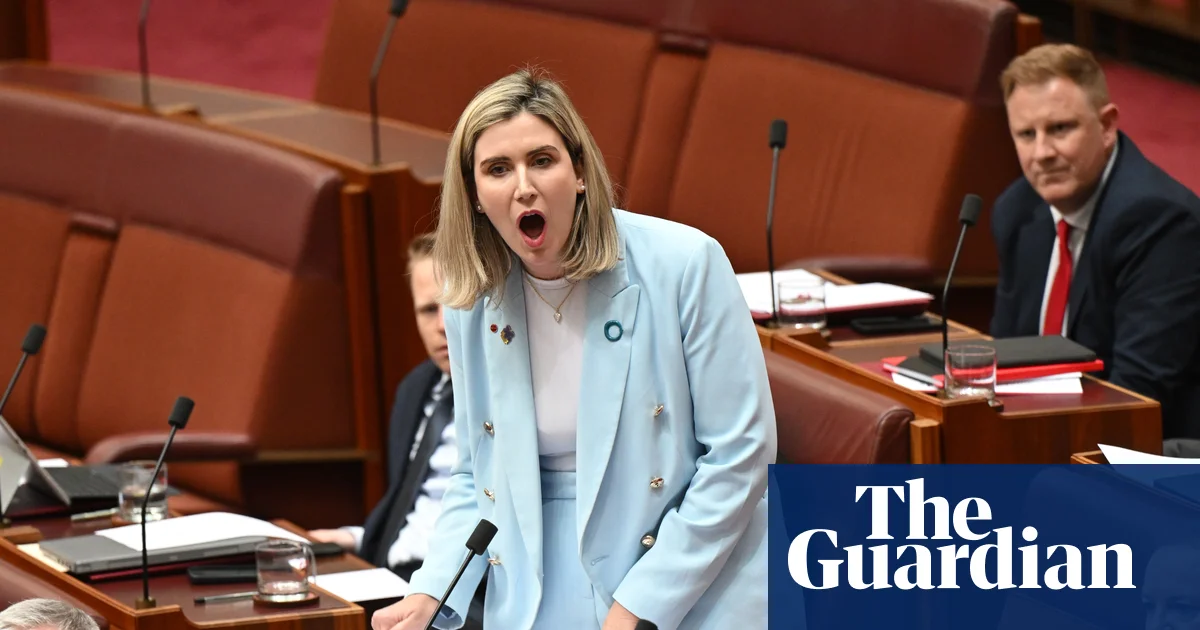
Senate Question Time Turns Chaotic in Last-Minute Fight for Transparency, Breaking Records

Australian Senate Sparks Political Turmoil: A Turning Point in Transparency and Tradition

In an extraordinary chapter of Australian parliamentary history, a recent Senate session has challenged long-standing conventions and signaled a potential shift in the nation’s political landscape. Over a record-breaking 210 minutes, senators engaged in a marathon question time that exceeded the previous Federation-era record of approximately 150 minutes. This unprecedented event unfolded amidst a fierce debate over transparency and government accountability, highlighting broader tensions between the ruling Labor government and opposition factions, including the Coalition, Greens, and various crossbenchers.

Led by Senator David Pocock, a notable figure in advocating for government transparency, the opposition-inspired move aimed to extend question time, forcing ministers to answer a greater number of inquiries. This effort was met with fierce resistance from the government, which criticized the procedure as a breach of convention, with Minister Murray Watt dismissing it as a “dummy spit.” Yet, in an audacious procedural move, the Labor-led Senate continued the session well beyond the mandated end, orienting the debate around a critical issue: government secrecy regarding a report on public sector appointments. The report, compiled by former public service commissioner Lynelle Briggs, has been withheld for two years under claims of cabinet confidentiality, despite persistent demands for transparency from non-governmental members.

This defiance illustrates the growing conflict over truth and accountability within Australia’s political system, with analysts warning that such disputes undermine parliamentary tradition and public trust. International organizations, including Transparency International, have expressed concern over the government’s reluctance to release key documents, asserting that the persistent secrecy could weaken democratic institutions. The Australian Senate appears to be on a brink of a constitutional crisis, with critics arguing that the prolonged question time and procedural controversy symbolize a breakdown in the balance of power and the erosion of parliamentary decorum.

The recent upheaval serves as a stark reminder of how decisions made by political leaders ripple beyond national borders, affecting international perceptions of Australia’s democratic standards. As tensions escalate over transparency, the global community watches closely—experts warn that such internal strife could diminish Australia’s influence on the international stage, especially in regions where it seeks to assert leadership amidst competing powers. This internal discord echoes a broader pattern observed in democracies worldwide, where the suppression of information often signals more profound authoritarian tendencies.

As history continues to unfold within the hallowed halls of Parliament, the strain between tradition and reform intensifies. The question now remains: will this historic confrontation serve as a catalyst for genuine transparency and reform, or will it deepen the divisions that threaten the pillars of Australian democracy? The weight of this moment remains heavy on the shoulders of those who believe that, in a nation founded on the principles of openness and accountability, the truth cannot be silenced. The answers lie ahead, as the pages of history turn and the future of Australia’s political integrity hangs in the delicate balance.

Social Media Auto Publish Powered By : XYZScripts.com