Matox News

Truth Over Trends, always!

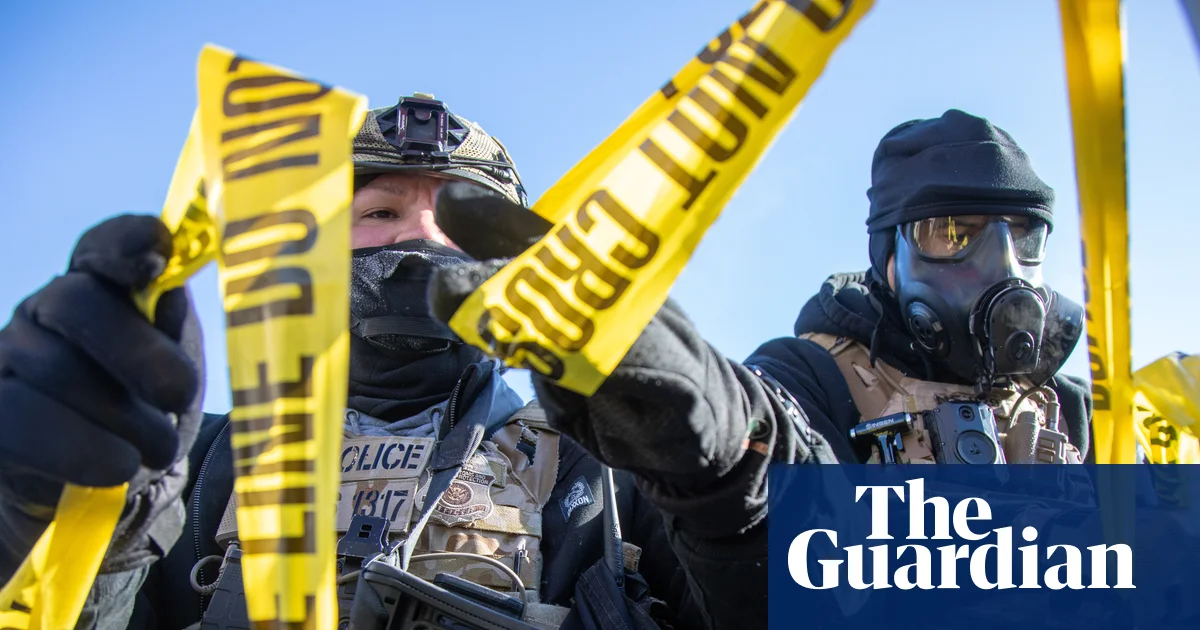
Senator pushes for ICE body cameras to hold agents accountable on patrols

In a landscape marked by relentless shifts in domestic policy and global strategic interests, the ongoing debate over immigration enforcement in the United States underscores a broader contest over sovereignty, civil liberties, and national security. Recently, discussions within Capitol Hill have centered on the future of Immigration and Customs Enforcement (ICE), with Republican and Democratic factions locked in a tension that reflects both internal U.S. political struggles and its implications for international stability. The proposal to equip ICE agents with body cameras, suggested by Senator Ron Johnson of Wisconsin, exemplifies a fragile compromise aimed at appeasing critics while maintaining the continent’s broader immigration objectives.

This debate carries profound geopolitical impact. On one hand, the push for transparency and accountability—such as mandates for body cameras, proper identification, bans on masks, and rules governing use of force—serves as a tactical move to quell domestic unrest and demonstrate a commitment to civil liberties. On the other hand, critics argue that these reforms risk hampering effective border enforcement, potentially emboldening illegal crossings by allowing unchecked activity and exposing agents to targeted violence, as claims of protesters ramming cars and shooting at officers suggest. Historian Dr. David Livingston warns that such internal strife can distort America’s image abroad, complicating relationships with allied nations and destabilizing regional security dynamics, particularly along the US-Mexico border, where migration remains an incendiary topic amidst broader regional crises.

Furthermore, the demands for judicial warrants and restrictions on roving patrols highlight a fundamental ideological clash that goes beyond borders. While Democrats push for reforms designed to limit excessive force and curb abuses, critics like Senator Johnson contend that these procedures threaten the enforcement of migration laws, claiming that they are “sneaky” tactics meant to impede President Trump’s immigration agenda. According to analysts from the International Crisis Group, such internal divisions over law enforcement strategies threaten to weaken the US’s capacity to project control over its borders—an issue that resonates with emerging power struggles globally. As countries like China and Russia seek to fill diplomatic vacuums, Washington’s perceived internal chaos may undermine its influence and credibility, emboldening adversaries eager to challenge the global order.

Meanwhile, the legislative gridlock and the narrow window of continuing funding for homeland security exposes a broader vulnerability. The Senate and upcoming House debates risk turning into symbolic battlegrounds of ideological rivalry, with each side accusing the other of chaos, mismanagement, or unconstitutional overreach. Historians predict that such internal clashes are a precursor to larger shifts in American strategy—either toward a more open, reform-driven approach or a renewed focus on strict border control and military preparedness. The International Monetary Fund and United Nations watchdogs watch closely, aware that the stability of the U.S. is a linchpin of world stability.

As history continues to unfold, the decisions made in Washington will not remain confined within legislative chambers. They will ripple across oceans, influence global alliances, and redefine the balance of power in an era where geopolitical influence is as much about ideologies and borders as it is about military strength and economic might. With each negotiation and protest, the United States stands on a tightrope, its future teetering between chaos and order—a story still being written, with consequences far beyond its shores.
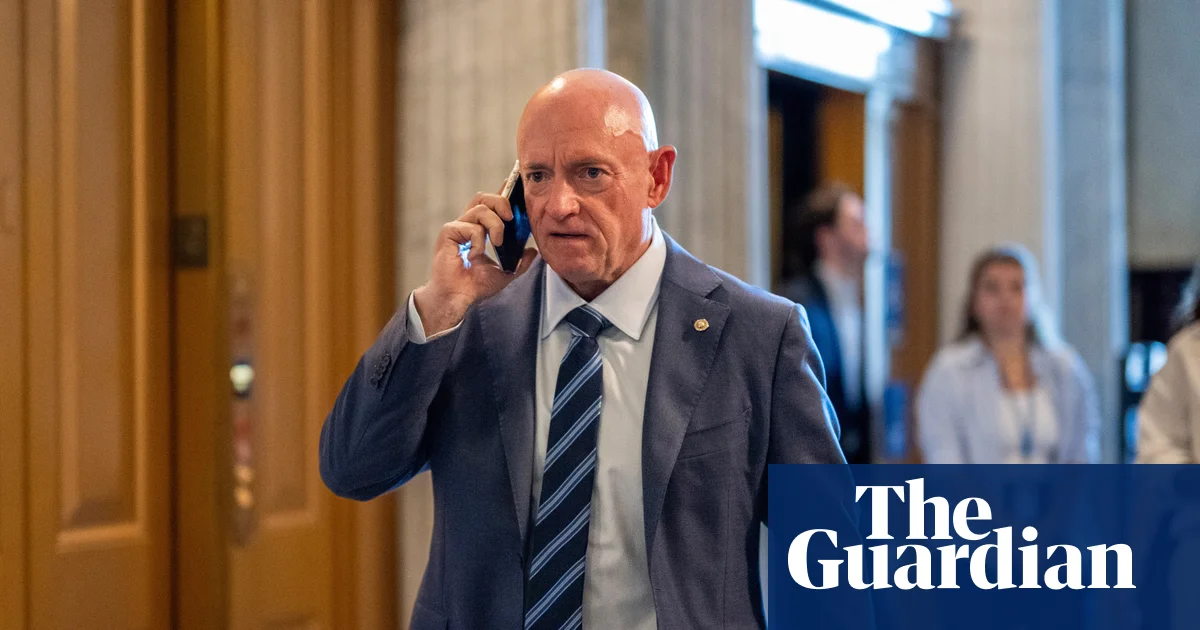

Senator, whose wife was shot, warns of rising threats after Trump seditious claims | US Senate

U.S. Political Climate Sparks International Concern Over Political Violence and International Stability

The recent escalation of rhetoric within United States politics has cast a shadow over global stability, with Senator Mark Kelly warning of the dangerous language used by former President Donald Trump. Kelly, himself a victim of political violence, expressed grave concerns over the rise of threats to himself, his staff, and the broader fabric of American democracy. This comes amid a fiery exchange that has brought issues of domestic political violence and public safety into sharp focus, prompting international observers and analysts to question the ripple effects of such incendiary rhetoric.

The incident underscores the polarized nature of current American discourse. A video featuring several Democratic lawmakers, including those with military or intelligence backgrounds, urging service members to refuse unlawful orders, has further ignited tensions. Trump’s response—labeling these lawmakers’ actions as “SEDITIOUS BEHAVIOR, punishable by DEATH” and calling for violent retribution—has echoed across social media, spurring reactions from allies and adversaries alike. This dangerous escalation not only threatens U.S. domestic peace but also raises concerns about possible international repercussions, as other nations watch in alarm.

Global Impact of America’s Internal Strife and Shifting Alliances

  • Historians and international analysts warn that U.S. internal divisions could undermine decades of global leadership, especially at a time when major geopolitical shifts are already underway.
  • Organizations such as The International Crisis Group warn that further polarization could embolden authoritarian regimes, which often use internal chaos as justification for expanding their influence on the world stage.
  • Meanwhile, allies in Europe and Asia observe that a weakened U.S. leadership could embolden adversaries like Russia and China, who are eyeing the vacuum to advance their strategic objectives.

Moreover, the domestic political violence reflected in recent events echoes broader global concerns about the stability of democratic institutions. The violent attack on the U.S. Capitol in January 2021, linked to then-President Trump’s rhetoric, remains a stark reminder of how fragile peace can be in times of profound political upheaval. As international leaders and historians analyze this convergence of rhetoric and violence, many emphasize how the choices made in Washington could shape the trajectory of democracy worldwide for generations to come. The narrative is clear: what unfolds in America’s political arena will determine whether the global order remains resilient or succumbs to chaos, inspired by the very violence fomented within its borders.

The Weight of History and the Unfolding Future

As President Biden and world leaders grapple with the repercussions of America’s internal struggles, the question remains—how will history judge this pivotal moment? Will the violence and incendiary language serve as a catalyst for change or precipitate a descent into chaos? These decisions have the power to recalibrate the balance of power and redefine the course of history. With each passing day, the world holds its breath, watching as America’s narrative continues to unfold—an epic story of division, resilience, and the enduring pursuit of liberty amidst the most turbulent times. The echoes of this chapter will undoubtedly resonate for generations, forging a legacy that will be etched into the annals of history as a stark reminder of a nation’s struggle to uphold its ideals in the face of internal storms.

Social Media Auto Publish Powered By : XYZScripts.com


