Matox News

Truth Over Trends, always!

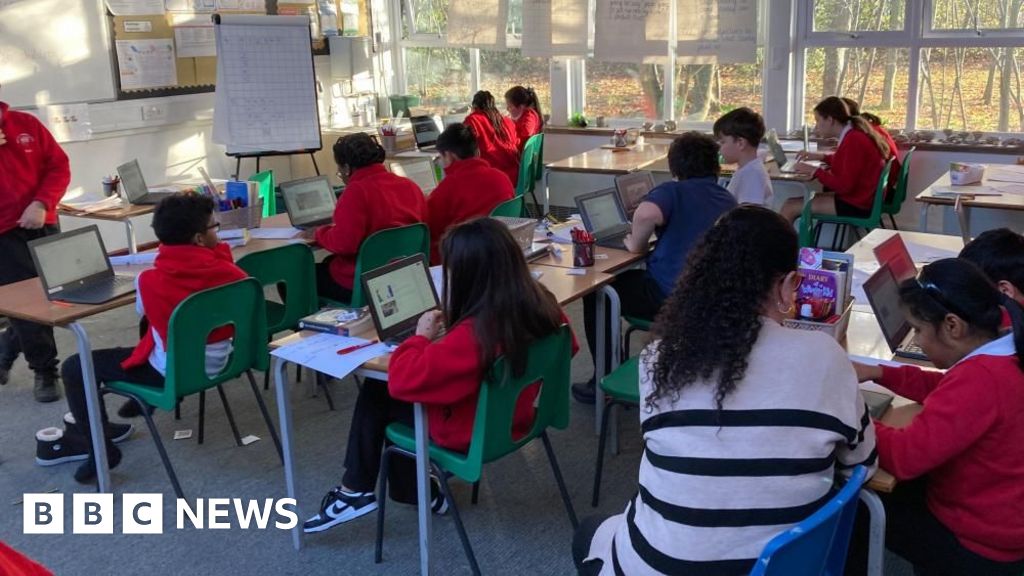
Old school site set to boost Send pupils with new satellite campus

Reimagining Community Support for Children with Special Educational Needs

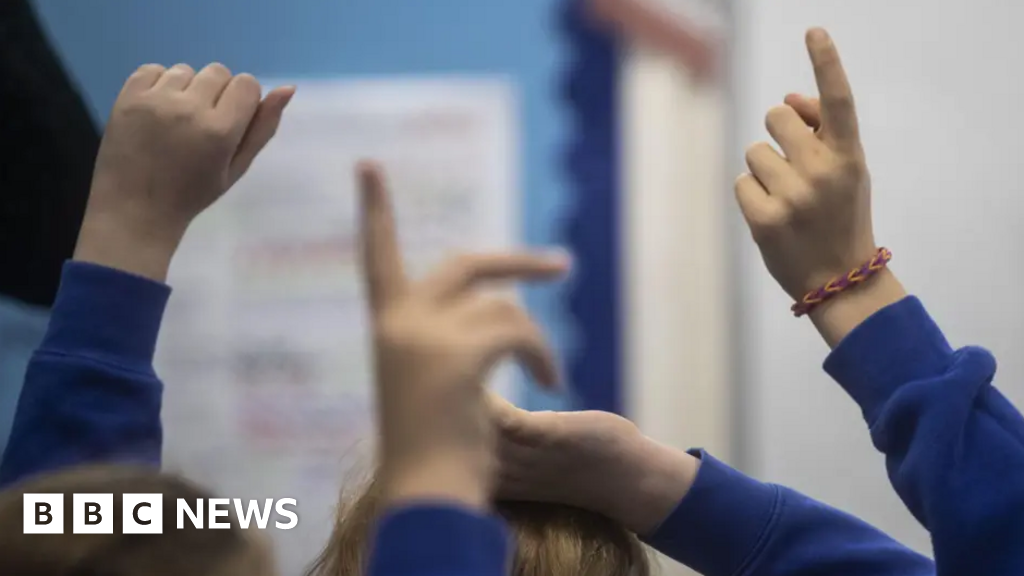
In a quiet corner of Wiltshire, a shift is underway that highlights the profound intersection of social issues, public policy, and the future of families and educational communities. Wiltshire Council has proposed transforming the historic Calder House Independent School, near Colerne, into the Northwood Centre, a satellite campus dedicated to serving children with special educational needs and disabilities (Send). This initiative aims to address a pressing societal challenge: providing quality, localized education for vulnerable children who often find themselves marginalized by an education system strained by economic constraints. The plan, which involves a £1.27 million annual budget for 50 high-need placements, seeks to serve as an alternative to more expensive independent specialist schools that can cost upwards of £62,000 per child annually.

While this initiative is widely praised for its cost-efficiency and community-centered approach, it also underscores broader issues affecting families, schools, and local communities. The sociologist Dr. Margaret Harris notes that the increasing reliance on centralized, often distant, specialist placements can foster feelings of alienation among families who would prefer their children to grow and learn close to home. The debate centers around whether community-led solutions can truly meet the complex needs of Send students without sacrificing quality of care or educational standards. The challenge is ensuring that local institutions are adequately funded, staffed, and equipped to serve a diverse spectrum of needs—an issue that reflects larger societal trends of underinvestment and bureaucratic priorities that often overlook the human element of education.

The Social Fabric of Education and Its Discontents

diminish the shallow comfort of cost-cutting measures and instead confront the moral and ethical responsibilities our society bears toward its most vulnerable members. For families affected by Send, the prospect of children being placed outside their local communities can create deep emotional and logistical strains. As charity CEO Philip Tansley emphasizes, although Wiltshire’s efforts are commendable, “there is still room for improvement” in delivering comprehensive post-educational support. This ongoing tension between fiscal prudence and moral duty fuels debates around how to build a resilient, inclusive society, where every child—regardless of their needs—can access a nurturing environment that fosters both independence and belonging. Sociologists like David G. Smith argue that true social progress hinges on empowering local communities to take ownership of their educational solutions, rather than relying solely on external institutions distant from the daily realities of families.

Moreover, the societal impact extends beyond immediate costs and facilities; it shapes perceptions of social cohesion, equity, and shared responsibility. When communities invest in inclusive education, they reinforce the moral fabric that binds society together. Conversely, *failing to support Send students adequately* risks fostering social divisions and a sense of neglect. As the social historian Dr. Anne Lewis notes, how we care for our most vulnerable reflects the moral integrity of our society. Ensuring local, high-quality educational provisions for children with Send is not simply a logistical issue; it is a moral imperative that speaks to the kind of society we aspire to become—one that values every child’s right to inclusion, understanding, and hope for a brighter future.

Hope Amidst Challenges: The Path Forward

Ultimately, society faces a pivotal question: Will we prioritize short-term savings over long-term social cohesion? The attempt to bolster local Send services in Wiltshire is, in many ways, a microcosm for a broader societal challenge—balancing fiscal responsibility with moral obligation. Transformative change requires more than infrastructure and funding; it calls for a cultural shift—a recognition that every child’s educational journey is a testament to collective human values. As society grapples with this balancing act, the hope remains that these efforts—grounded in community, compassion, and a sense of shared purpose—will inspire a new chapter where families, schools, and communities unite to forge a future that leaves no one behind. In the end, the society we choose to build will reflect the dignity we accord to our children and the moral strength of our shared humanity.

Ministers: Send debts won’t threaten our schools—youth-focused council absorbs costs responsibly

The Struggle for Support: How Social Issues in Education Reshape Families and Communities

In recent years, the landscape of special educational needs and disabilities (Send) has become a focal point of societal tension, exposing broader issues of demographic shifts, funding disparities, and community resilience. As families with children requiring tailored support grapple with an increasingly strained system, the question arises: can our society uphold the moral obligation to adequately support its most vulnerable? Local authorities and parent groups have voiced growing concern over the government’s plans to repurpose funding sources, with many warning that these measures risk destabilizing networks of care and education for children with complex needs.

At the core of this crisis is the rapidly rising demand for Send services. Since 2016, the number of young people with education, health and care plans (EHCPs)—official documents outlining support entitlements—has doubled across England. This demand, compounded by underfunding and systemic inefficiencies, has created a perfect storm, where families are left to navigate a labyrinth of uncertainty and inadequate resources. Currently, local authorities receive a ring-fenced grant to fund Send, but rising needs have led them to spend billions beyond what the central government provides. The Social Commentator Anna Bird cautions that the government’s optimism about reform timelines may overlook the reality that overhauling such a complex system will take considerable time, risking further hardship for families caught in the gaps.

The Money Problem and Its Impact on Families and Education

  • The £6 billion forecasted cost for supporting children with disabilities is set to be taken from local authorities, effectively shifting financial burdens from the state onto community shoulders.
  • This move comes despite warnings from the Office for Budget Responsibility (OBR) that councils face a cumulative deficit of £14 billion by 2028, threatening their capacity to sustain other vital services.
  • Opposition voices, including the Shadow Education Secretary, assert that any reduction in school budgets jeopardizes educational quality and fairness, especially for children with special needs.

For families like Aimee Bradley, a mother of three autistic children, the lack of transparency fuels anxiety. “Parents see vague promises and no concrete plans,” she states. Many are worried about not just the future of their children’s support services but also the quality of education and inclusion in mainstream society. Sociologists emphasize that when social infrastructure falters, it’s families—particularly those with marginalized children—who bear the brunt, reinforcing cycles of inequality and social exclusion.

The Social and Ethical Dilemmas of Budget Cuts

Amidst the debate, experts like Luke Sibieta from the Institute for Fiscal Studies advise that the government has three primary options: slowing the growth in Send spending, increasing the overall schools budget, or cutting mainstream school funding. Each pathway threatens to ripple through communities, affecting the morale and stability of schools, and the cohesion of neighborhoods. The National Audit Office’s description of the system as “broken” underscores a sobering reality: without urgent and sustained reform, society risks leaving behind its most vulnerable children, perpetuating a cycle of unequal opportunity that stunts community growth and societal progress.

For many social commentators, the core challenge lies in balancing fiscal responsibility with ethical duty. The future hinges upon whether policymakers recognize that investment in supporting children with special educational needs is not merely a matter of budgets but a moral imperative to nurture societal resilience and fair opportunity. As society faces these difficult choices, the hope persists that the collective moral voice of families, educators, and community leaders can forge a future where every child is valued and supported—restoring faith that society’s true strength lies in its capacity to care for its most vulnerable.

Oxfordshire Schools Step Up to Support More SEND Students, Shaping a Stronger Future for All

Across communities in the UK, a growing crisis in special educational needs and disabilities (SEND) support threatens to undermine the very fabric of inclusive education. As local authorities grapple with ballooning costs and a demographic shift towards greater demand for specialized care, families face the stark reality of limited resources and uncertain futures. Oxfordshire County Council exemplifies this trend, with a forecasted £153 million high needs funding deficit next year. To address this, the council is pioneering efforts to bring children with SEND into mainstream schools, aiming to reduce reliance on expensive private institutions, which can cost up to £64,000 annually per child.

But such solutions are far from simple. The financial pressures extend beyond just funding, affecting families, educators, and entire communities. As Oxfordshire seeks to expand its mainstream support, it faces the challenge of not only increasing funding but also fostering effective leadership and inclusive practices within schools. Paul James, chief executive of the River Learning Trust, emphasizes that creating truly inclusive environments requires more than policy adjustments; it demands ambitious, well-led teaching backed by adequate financial support. Without this, schools are compelled to make difficult cuts—reducing staff, resources, and enrichment activities—compromising the quality of education for all students, particularly those with complex needs.

  • Research by sociologists such as Hannah Arendt warns that without social support and equitable funding, the marginalized—like children with SEND—risk being pushed further into social isolation.
  • Historically, public education systems have reflected societal values; increasingly, the neglect of SEND funding signals that society’s priorities may be shifting away from inclusive justice.
  • Local authorities are calling for clear government strategies to address mounting debts, as the current funding model, approved and kept off councils’ books, leaves communities vulnerable to fiscal crises and potential bankruptcy, which would have devastating ripple effects through local families and services.

Social issues surrounding SEND support profoundly influence families’ stability, educational equity, and community cohesion. As costs escalate—highlighted by the fact that mainstream school support costs around £10,000 per child annually—families find themselves caught between inadequate systemic support and the relentless demand for specialized care, further emphasizing the urgent need for reform. The societal implications go beyond economics; they are a moral question about the human right to equitable education and the societal obligation to nurture every child’s potential. As social commentator Michael Sandel argues, our collective moral core is tested in how we prioritize vulnerable populations; neglecting these needs erodes the fundamental bonds that hold society together.

Yet, amidst these daunting challenges, glimmers of hope emerge. Communities, educators, and policymakers recognize that collaborative, well-funded leadership is essential for meaningful change. With plans to add 340 specialized school places and reduce dependency on private alternatives, local authorities are aiming to rebuild a system rooted in fairness and accessibility. Leaders like Paul James insist that “children only get one go” at their education, and it is a moral imperative that society commits to supporting them fully. Ultimately, society’s capacity for resilience and reform will determine whether we can transform these challenges into opportunities—building a future where families, education, and communities thrive together in the embrace of genuine inclusion.

As society stands at this crossroads, the question remains: can our collective resolve turn the tide of neglect into a wave of hope and transformation? The future of our children—the very essence of society’s moral health—depends on the answer we choose to write today.

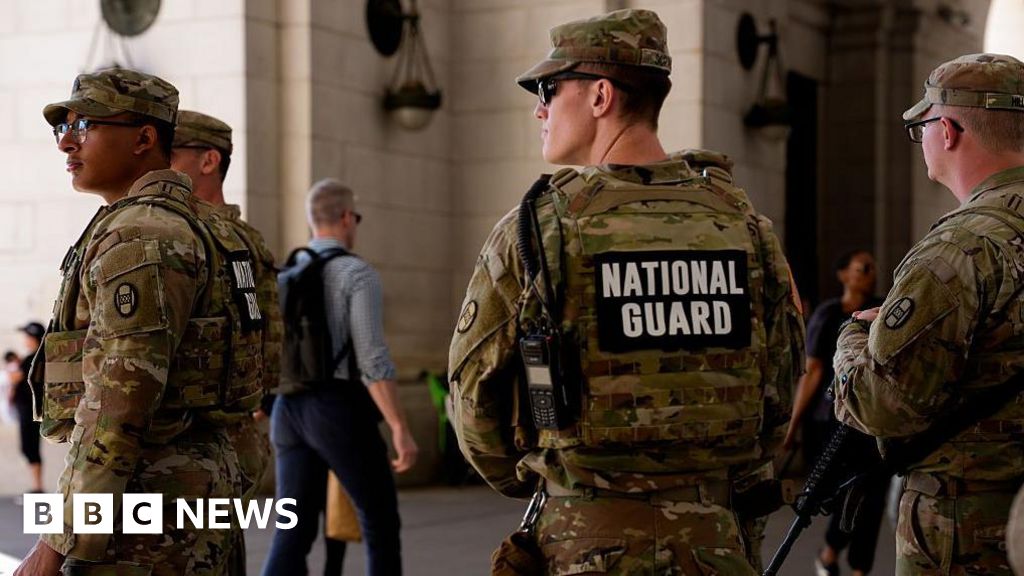
Why is Trump pushing to send National Guard troops into American cities?

In an era marked by growing internal unrest and a contentious political landscape, the United States finds itself embroiled in a complex debate over the deployment of the National Guard. Under the leadership of President Donald Trump, federal authorities have taken unprecedented steps to involve military reserves in domestic law enforcement, primarily citing a need to quell violence and support immigration enforcement policies. As cities like Chicago, Portland, and others become flashpoints of protest, the legal and constitutional ramifications of these actions are raising alarms far beyond American borders. Prominent judicial figures, legal analysts, and international observers are scrutinizing whether these moves threaten the stability of civil liberties and the rule of law, or are a necessary assertion of federal authority in a fractured nation.

Legal Battles and Federal Powers in Question

  • The core of the controversy lies in 10 US Code § 12406, a rarely invoked clause that grants the president the authority to federalize National Guard units in cases of invasion or rebellion. President Trump has leveraged this law multiple times, deploying troops under the guise of defending national security, yet critics argue these justifications are stretched thin. California and Oregon have already filed lawsuits challenging these deployments—California’s governor, Gavin Newsom, labeling Trump’s actions as an attempt to ‘manufacture crises.’
  • Federal judges in Oregon, including Judge Karin Immergut, have temporarily blocked Trump’s efforts, ruling that such deployments amount to the imposition of martial law, which conflicts with the constitutional framework that limits military involvement in civil matters. These legal challenges underscore the delicate balance of power between the executive and judiciary, highlighted by the fact that the Posse Comitatus Act explicitly restricts military actions on American soil.

Through these court rulings, constitutional principles and legal boundaries have been thrust into the spotlight, exposing the tension between presidential authority and states’ rights. The ongoing legal saga reflects a broader geopolitical concern: how a nation handles internal dissent can ripple through international relations, especially as other nations watch a superpower at this pivotal crossroads.

Geopolitical Impact: A Nation Divided and Under Scrutiny

The unfolding crisis in the United States carries profound geopolitical implications. As the world’s leading superpower grapples with internal unrest, allies and adversaries alike are observing closely. China and Russia have seized upon the chaos, pushing narratives that portray the U.S. as increasingly unreliable and unstable—a narrative that could undermine the global influence of the West. Meanwhile, foreign leaders and international organizations warn that a fractured America risks losing its moral authority, especially when employing military force against its own citizens.

Some analysts warn that the perception of a nation willing to deploy armed forces within its borders to suppress dissent could set a dangerous precedent, emboldening authoritarian regimes worldwide. Historians specializing in American civil-military relations have noted that these actions echo past episodes of internal crisis where constitutional insurrection was met with military intervention—an epoch-shaping moment that redefines the country’s societal fabric.

The decisions made now, whether by judicial courts or the executive branch, will irrevocably influence the geopolitical landscape. Each deployment, each court ruling, and each political statement echoes in the corridors of power across continents, shaping history and the global perception of American resolve, stability, and adherence to constitutional principles.

The Unfolding Saga: A Nation in Transition

As the legal clashes continue and the National Guard remains a contentious symbol in the political arena, the weight of history presses heavily upon the present moment. With the world watching, the very essence of what it means to uphold liberty and justice is being tested. The choice of the United States—to deploy its armed forces in times of internal chaos—will echo through generations as either a reaffirmation of constitutional order or a shadowed chapter of authoritarian overreach. The story of this ongoing crisis remains unwritten, as history’s pen continues to document a pivotal chapter—a nation caught between preserving its founding principles and confronting the turbulence of its own making.

Judge blocks Trump’s attempt to send California National Guard to Portland

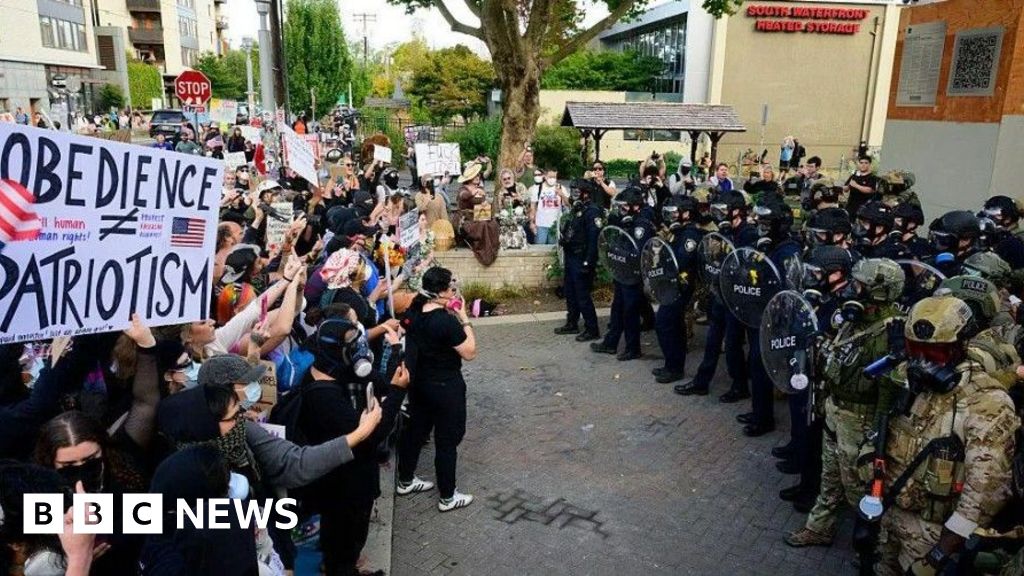
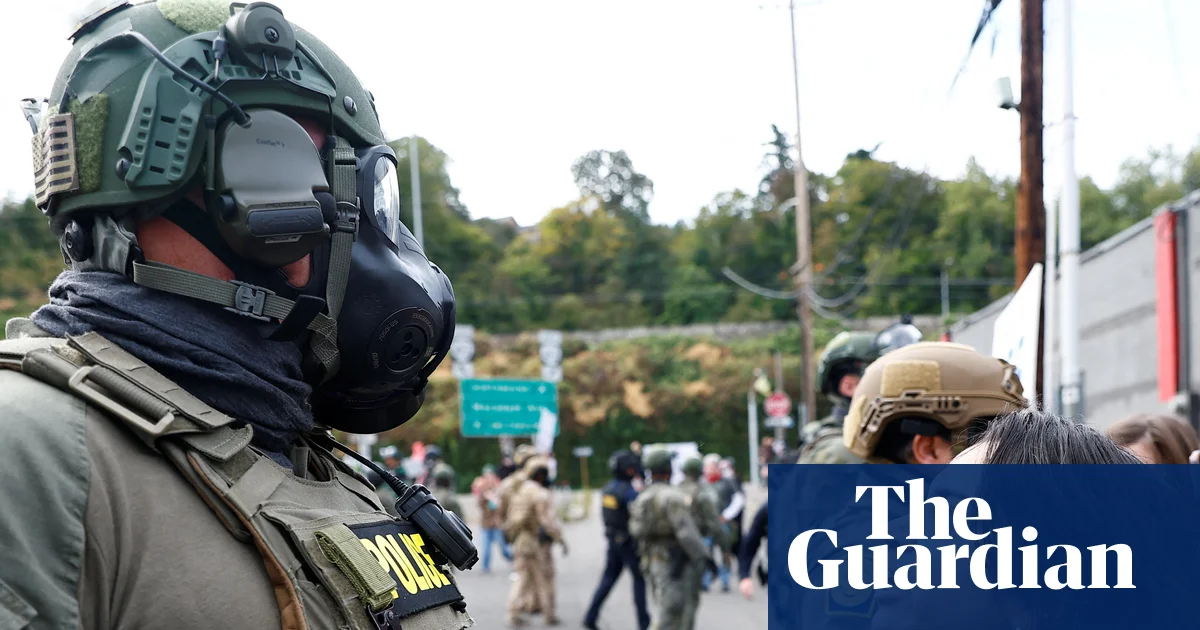
In an unprecedented turn of events, United States federal judiciary has stepped into a contentious battle over the deployment of National Guard troops across domestic borders, marking a significant moment in the ongoing struggle between federal authority and state sovereignty. The recent decision to temporarily block the Trump administration from dispatching troops from Texas and California to Portland, Oregon underscores the deepening cracks within American federalism. The ruling, delivered by US District Judge Karin Immergut, signals a notable restraint on executive power, emphasizing the importance of local consent and constitutional boundaries in deploying military force domestically. As tensions escalate, this judicial intervention warns of the delicate balance required when confronting chaos and unrest. It also raises crucial questions about the limits of presidential authority, especially when political disputes threaten to spiral into military occupations, altering the social fabric of cities already strained by protests and crises.

The controversy centers on the Trump administration’s effort to use the National Guard as a tool to quell protests linked to immigration enforcement and leftist activism, with Portland becoming the focal point of these efforts. The administration’s assertion that troop deployments are necessary to restore order clashes with legal interpretations that argue such actions infringe on state rights and could set dangerous precedents for federal overreach. The judge’s decision to authorize a temporary restraining order until at least October 19 reflects concern over the potential for militarized responses to inflame social tensions and undermine the sovereignty of local governments. Analysts warn that resorting to military force in urban centers risks transforming peaceful protests into battlegrounds, with lasting impacts on civil liberties and community trust.

This legal tussle reveals a broader geopolitical impact—a nation struggling to resolve internal divisions while its leaders attempt to project strength through military deployments. International organizations and historical experts have cautioned against the normalization of military interventions in American cities, warning that such actions could destabilize the domestic landscape and inspire similar strategies amidst other democracies facing unrest. The White House’s outspoken denouncement of the judge’s ruling, coupled with rhetoric portraying legal limits as “constitutional violations,” signals an alarming willingness to bypass judicial oversight in pursuit of a law-and-order agenda. Meanwhile, the proliferation of lawsuits from states like Illinois and the vocal opposition from state officials exemplify the intense federal-state power struggle, echoing historical conflicts over control, authority, and the rights of citizens.

As the situation unfolds, the spectacle of political tit-for-tat, legal battles, and security measures leaves a nation on the precipice of a pivotal chapter in its history. The decision to deploy or restrain military force amidst civil unrest will have profound and lasting consequences—not only for America’s social order but also for its global image. Today’s internal conflicts threaten to redefine the boundaries of power between state and federal authorities, shaping the course of democracy itself. The weight of history presses heavily on this moment, as the world watches from afar—will the United States uphold its founding principles or succumb to a new era of militarized governance? Only time will tell, but one thing remains certain: the unfolding saga is a stark reminder that the true battleground lies not only in the streets but also in the very fabric of national sovereignty and the enduring quest for constitutional justice.

Judge halts Trump’s attempt to send National Guard to Portland

US Federal Court Blocks Deployment of National Guard to Portland

In a pivotal legal decision that echoes across the United States, a federal judge has halted the Trump administration from deploying the National Guard to Portland, Oregon. This move ignited a fierce political debate about the use of military forces in domestic civil unrest. The court’s intervention highlights the ongoing struggle between federal authority and local sovereignty, with profound geopolitical impact that extends well beyond the Pacific Northwest. The administration had announced on 27 September its intention to send troops, claiming it was necessary to restore order amidst protests outside a federal immigration enforcement office. However, local officials and the state’s legal representatives argued that the situation was misrepresented, pointing to the city’s relatively calm protest activity in recent days. This legal setback underscores a broader narrative: the clash over federal intervention in domestic protests has become a microcosm of larger ideological battles,” explained Dr. Helena Strauss, a political analyst specializing in US civil-military relations.

The decision by Judge Immergut was based on a contention that the deployment would violate both the US Constitution and federal law. Critics argue that the Trump administration’s narrative paints Portland as a city embroiled in chaos, with Attorney General William Barr emphasizing the threat from “vicious and cruel radicals” that must be subdued with federal force. Conversely, local voices and Oregon’s attorney general declared that these claims are exaggerated; protests in Portland have largely been peaceful, sometimes comprising fewer than a dozen demonstrators. The court’s ruling not only halts the immediate deployment but also signals a warning against the unchecked use of force in what many see as a contentious effort to politicize law enforcement amid a highly polarized national climate.

This legal defeat for President Donald Trump marks a significant moment in the ongoing narrative of federal overreach. Since the start of his presidency, Trump has portrayed certain American cities—particularly those governed by Democrats—as lawless zones in need of military intervention. His designation of Antifa as a “major terrorist organization” was a deliberate move to stigmatize a loosely connected ideology opposed to fascism, but one that historically resists centralized control. Critics argue these labels serve to justify aggressive crackdowns, while supporters contend they are necessary to restore order. The international community watches as the US grapples with internal unrest, with many analyzing whether this pattern reveals a deeper strain within American democracy or an overreach by executive power in the guise of preserving law and order.

The geopolitical consequences are manifold. With China and Russia observing a nation in apparent disarray, the American image as a beacon of democratic stability is under strain. Historians warn that persistent federal overreach and internal conflicts risk undermining the U.S. global standing, especially in a world where soft power is crucial. The divisions exposed in Portland and other cities are not confined within borders—they threaten to reshape international alliances, weaken the American-led liberal order, and embolden adversaries who seek to exploit internal vulnerabilities. As observers like Dr. Samuel Ortega, an international relations scholar, note, “the difficulties faced in Portland are emblematic of a nation at a crossroads, where internal discord threatens to spill into the global arena, testing America’s role as a leader of stability and freedom.”

In this unfolding chapter of history, the struggle over Portland is more than a regional dispute; it is a sovereign test for the United States’ commitment to federalism, civil liberties, and democratic norms. As courts weigh in and protesters mobilize, the trajectory of this conflict will influence how nations perceive American resilience and resolve. The future remains uncertain, but the weight of history continues to press forward—an indelible reminder that the decisions made today will echo through generations, shaping the fabric of the free world itself.

Social Media Auto Publish Powered By : XYZScripts.com